REVIEW · CUSCO
Inca Trail 4-Day 3-Night Trek to Machu Picchu with Expert Guides
Book on Viator →Operated by AB Expeditions · Bookable on Viator
You get Machu Picchu, but you also get the trail. This 4-day, 3-night Inca Trail route is built around expert guidance, included Inca Trail permits, and a full day-by-day plan from the first early pickup in Cusco to Sun Gate the next morning.
I like that the logistics are handled start to finish: private transport to the trailhead, a small group size (max 12), and an organized camp setup with quality tents and team support. I also like that the day pacing gives you a real sense of progress: Llactapata on Day 1, the big summit moment at Dead Woman’s Pass on Day 2, and the relaxing approach to Wiñaywayna on Day 3.
The one real consideration is effort and altitude. This is a strong fitness trek, with the highest point at Dead Woman’s Pass (4215m), and you’ll be hiking most days at meaningful elevation.
In This Review
- Key Highlights You’ll Care About
- Cusco to Km 82: The Start That Sets Your Rhythm
- Day 1: Llactapata, Hatunchaca Lunch, and Your First Camp at Ayapata
- Day 2: Dead Woman’s Pass (4215m), Runqurakay, and the Chaquicocha Sunset
- Day 3: Salkantay Views, Two Inca Ruins, and a Wiñaywayna Finish With Time to Photograph
- Day 4: Sun Gate at Sunrise, Circuit 1 at Machu Picchu, and the Train Home
- What’s Included Versus What You’ll Pay Extra
- Pace, Altitude, and the Real-Life Meaning of the Itinerary
- Packing and Comfort Choices That Make the Trek Feel Easier
- Value at $998: Where the Money Actually Goes
- Who This Inca Trail Tour Fits Best
- Should You Book This Inca Trail Trek?
- FAQ
- How early do I need to be for the tour?
- Is this trek suitable for beginners?
- What’s included in the $998 price?
- What meals are not included?
- Do I need to bring or buy a sleeping bag?
- Can I add Huayna Picchu or upgrade my Machu Picchu circuit?
- What if I cancel or weather is bad?
Key Highlights You’ll Care About
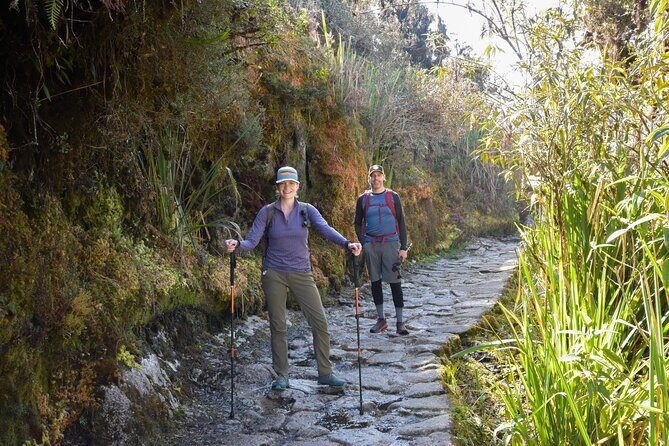
- Permits and Machu Picchu Circuit 1 are included so you avoid the biggest headache: ticket matching.
- Camp support is real: tents, foam mattresses, dining tent setup, and porter service for up to 7 kg per person.
- Your team runs communication and emergency gear with satellite phone, radios, a first aid kit, and emergency oxygen.
- Machu Picchu is guided for about 2 hours right after you reach the citadel.
- Small group size (max 12) makes the experience feel more personal on the trail.
- Early, efficient timing includes a checkpoint pass at 5:30 a.m. for the Sun Gate experience.
Cusco to Km 82: The Start That Sets Your Rhythm
Your Inca Trail experience begins with an early start. The meeting point info lists a 12:30 a.m. start time, and the program also notes a 4:30 a.m. hotel pickup in Cusco for the transfer to the trailhead at Km 82 (Piscakucho). Either way, plan on short sleep and quick good decisions about what you bring.
From Cusco, you’ll ride to the trail start, then meet the expert team and pass through the checkpoint. The practical advantage of doing this with a full outfitter is that you’re not trying to coordinate permits, group pacing, and the first-stage logistics while also trying to hydrate at altitude.
Once the checkpoint is done, you’re not just starting to hike—you’re starting a system. That matters on the Inca Trail because weather, elevation, and timing all push back if you’re unprepared.
You can also read our reviews of more evening experiences in Cusco
Day 1: Llactapata, Hatunchaca Lunch, and Your First Camp at Ayapata
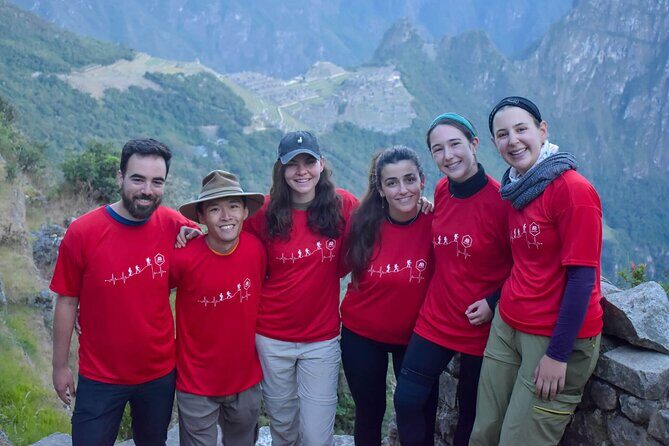
Day 1 is the “get your legs moving” opener, and it’s structured in a way that helps you settle into the rhythm. After pickup and breakfast in Ollantaytambo, you head to Km 82 to meet the team and begin.
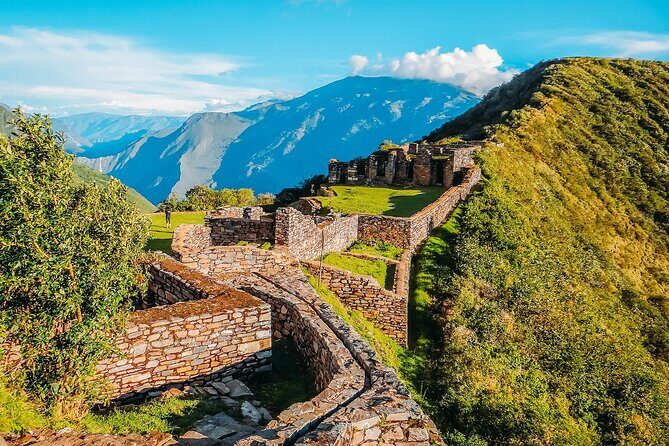
You’ll hike for about 3 hours to the Llactapata ruins. These stops are more than scenery stops. They’re part of how the day eases you from the trailhead into real elevation hiking—long enough to feel the effort, short enough that you’re still mentally fresh.
Then comes a reset: a 1-hour drive to Hatunchaca for lunch. The combo of hiking plus a drive is useful because it lets you rehydrate and eat properly before the next push.
After lunch, you hike for about 4 hours to Ayapata, your first campsite. Tents are set up for you, and hot tea is served around 5:00 p.m. That’s a small detail, but it’s the kind that improves the whole vibe. Cold air + high altitude + a long day makes warm tea feel like a life choice.
Day 2: Dead Woman’s Pass (4215m), Runqurakay, and the Chaquicocha Sunset
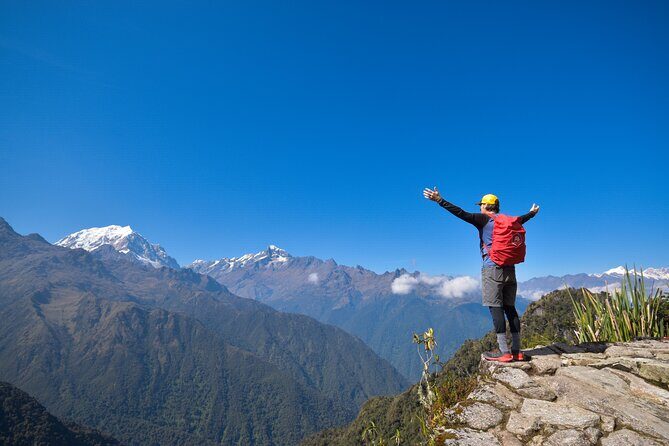
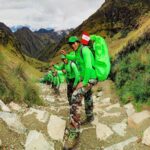
Day 2 is the big day, and it’s designed to be challenging in a focused way. You wake up to hot tea or coca tea, then start hiking for roughly 4 hours toward Dead Woman’s Pass at 4215m (13829ft), the trek’s highest point.
This is also where you’ll see a spiritual moment built into the trek: your guide performs offerings to local Gods. Even if you’re not religious, it’s a meaningful way to understand that this trail isn’t just a route—it’s part of a living cultural landscape. Take it as an introduction to how local knowledge and Inca heritage get treated with respect.
After the pass, you descend toward Pacaymayu Valley for about 2 hours, then enjoy lunch prepared by the chef. The program keeps food in the middle of the day on purpose. At high altitude, you need regular energy, not just a late meal.
Next you hike about 1.5 hours to Runqurakay (4000m / 13123ft), where you explore the Inca site. From there, you descend to the Sayacmarca ruins before reaching Chaquicocha campsite (3600m / 11811ft).
By the time you arrive, you get the payoff: sunset over the Vilcabamba mountain range, plus the chance to see the Milky Way. It’s one of those moments where the tough day feels worth it because the sky turns into something you can’t easily replicate on a city trip.
Day 3: Salkantay Views, Two Inca Ruins, and a Wiñaywayna Finish With Time to Photograph
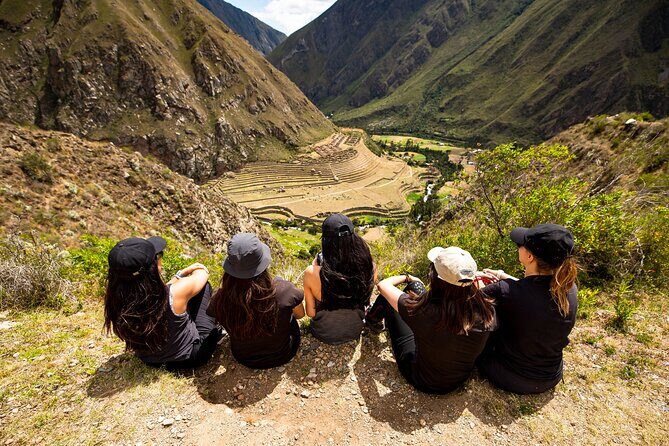
Day 3 is billed as a more leisurely day, but don’t confuse that with easy. You’re still in the Andes, and the goal here is smart pacing so you can enjoy the archaeology and arrive ready for Machu Picchu Day 4.
You’ll hike about 5 hours total. The route begins with roughly 2 hours of gentle flat terrain, then you descend to the campsite while seeing different ecosystems and panoramic views of the Salkantay glacier. Salkantay is the kind of name you hear for a reason. Even when the glacier isn’t the main focus, the sight of it anchors your sense of where you are.
Along the way you visit two Inca ruins: Phuyupatamarka and Intipata. These are timed so you can keep moving but still absorb what you’re seeing. Your guide explains what matters—how places connect to the broader Inca world rather than treating each site as a stop on a checklist.
After reaching Intipata, the last campsite comes into view. You arrive around 12:30 p.m. After lunch you can shower and rest, with a siesta time until about 4:00 p.m. That break is not optional-feeling; it’s the kind of recovery you’ll appreciate before the final morning push.
Later, you hike a short distance to the Wiñaywayna ruins for free time and photography. You’ll also say farewell to your porters before dinner, then retire early to be ready for the sunrise-focused Day 4.
Day 4: Sun Gate at Sunrise, Circuit 1 at Machu Picchu, and the Train Home
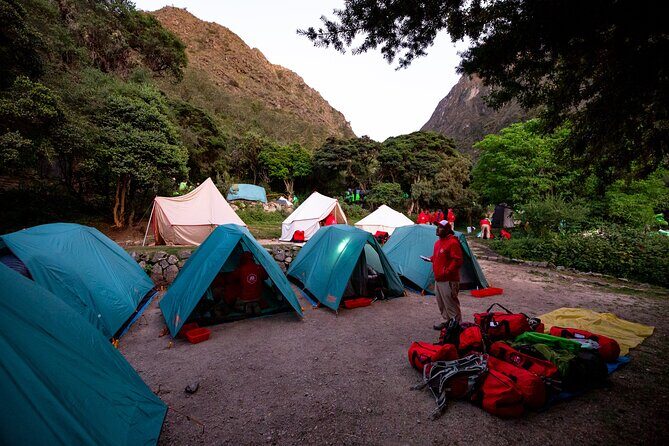
Day 4 starts before sunrise with checkpoint passing around 5:30 a.m. The hike to the Sun Gate takes about 1 hour 20 minutes, and the reward is sunrise views over Machu Picchu.
Then it’s downhill and purposeful: a 45-minute descent brings you to the Mapi checkpoint around 8:00 a.m. From there, your experienced guide leads a roughly 2-hour exploration of the citadel. The timing matters here. You’re not walking around when it’s already crowded and heated. You’re seeing Machu Picchu while you still have the sense of discovery.
After the guided visit, you take a tourist bus to Aguas Calientes for lunch. Here’s the important cost detail: Lunch on Day 4 is not included, even though you’ll have time for it in Aguas Calientes.
Then you catch the train back, departing at either 14:55 or 15:20. Your AB team meets you at the station and accompanies you back to your hotel in Cusco or the Sacred Valley, with an expected return around 7:00 p.m.
If you add Huayna Picchu, arrangements for lunch and duffle bag pickup are made with your guide before taking the train.
You can also read our reviews of more hiking tours in Cusco
What’s Included Versus What You’ll Pay Extra
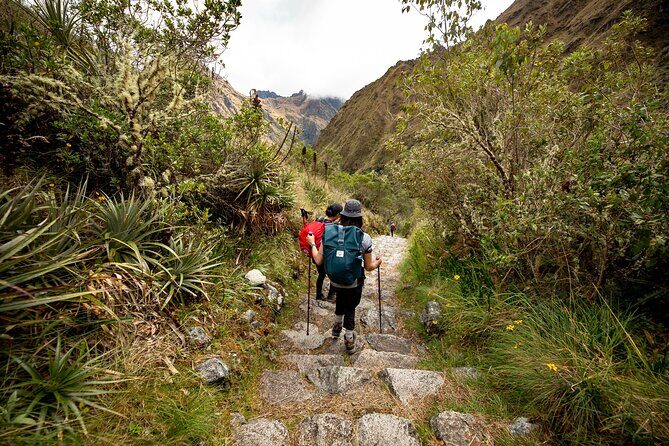
This trek is priced like a full-service Inca Trail operation, not like a budget hiking weekend. At $998 per person, you’re paying for the parts that get complicated fast: permits, transport, camp infrastructure, and a staffed team.
Here’s what’s included (high value items first):
- Private hotel pickup/drop-off in Cusco and private transport Cusco to Km 82
- Transport to connect you back from Machu Picchu via bus to Aguas Calientes and train to Ollantaytambo
- Inca Trail permit plus Machu Picchu entrance ticket (Circuit 1)
- Pre-departure briefing in Cusco
- Professional English-speaking guide, plus chef and porter team
- Satellite phone, radio communication, first aid kit, and emergency oxygen
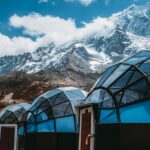
- Camps: quality 3-season tents (2 people per tent), foam mattresses, dining tent setup, toilet
- Meals on the trail: 4 breakfasts, 3 lunches, and 3 dinners, plus boiled drinking water from day 2
- Porter service for a personal duffel bag up to 7 kg
- Rain poncho, daypack cover, basic washing water, safe luggage storage, and an Inca Trail T-shirt
- About 2 hours guided time at Machu Picchu
Costs you should expect on top:
- Sleeping bag: $20
- Huayna Picchu: $65
- Walking sticks: $20
- Vistadome: $20
- Hot springs in Aguas Calientes: $5
- Tips (optional)
- Machu Picchu Circuit 3 upgrade: $45 per person
- Day 4 lunch (not included)
One more practical point: your Day 4 Machu Picchu experience is Circuit 1, so you’ll want to plan ahead if you’re specifically chasing views associated with other circuits.
Pace, Altitude, and the Real-Life Meaning of the Itinerary
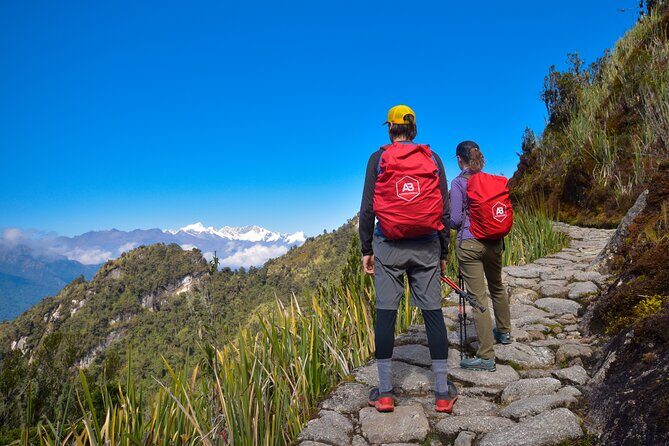
This tour says you should have a strong physical fitness level. That’s not marketing fluff. The route includes both time-heavy days and big elevation moments.
Day 2 is the clearest example. Dead Woman’s Pass sits at 4215m. Even if you’re a fit hiker, that pass is a different kind of effort because your breathing changes and every step takes more out of you.
The program’s structure helps. Camps are where they need to be so you can recover, and you’ll get regular meals—especially important since drinking water is boiled from Day 2 onward. You also get basic washing water, rain gear, and safe storage for luggage, which reduces the mental burden of day-to-day survival.
Also note the group size. Max 12 travelers is small enough that the guide team can keep an eye on the group pace without turning the trek into a conveyor belt.
Packing and Comfort Choices That Make the Trek Feel Easier
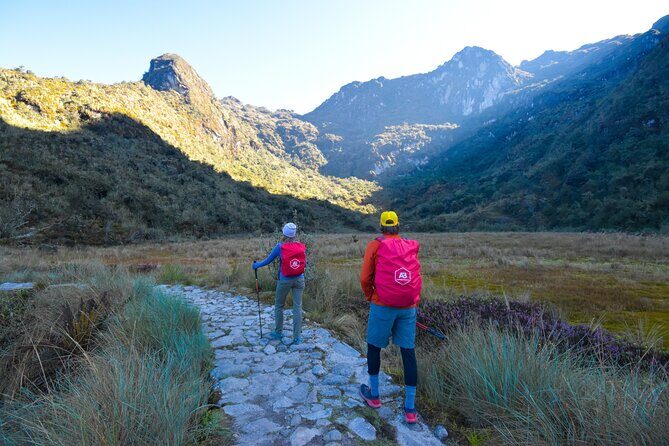
Even with a well-run operation, you’ll feel the Andes in your body. So you’ll do best by packing for comfort and efficiency, not for being fancy.
Based on what the trip includes, start with these realities:
- You have tents and foam mattresses, so your comfort comes from clothing and sleep setup.
- You should budget for a sleeping bag if you don’t already have one.
- Walking sticks are available for an extra fee if you want extra stability on descents.
- Rain poncho and daypack cover are included, so focus on layering rather than trying to carry a full rain system.
Plan to use your duffel bag service (up to 7 kg). Keep your important items in your own daypack, and let the porters handle the bulk you don’t want on your back.
Value at $998: Where the Money Actually Goes
If you compare price tags without reading the fine print, you might think this is expensive. But for a guided, permitted Inca Trail trek, $998 starts to look fair because so many key items are already inside the package.
You’re paying for:
- Permits and Machu Picchu entrance (Circuit 1), which are the hardest parts to DIY
- Private transfers to the trailhead
- A complete camp setup (tents, mattresses, toilet, dining tent)
- The chef and porter team, plus porter service for your belongings
- Medical and safety layers: first aid kit plus emergency oxygen, with satellite phone and radios
The real value is that you’re not building a fragile plan. When weather or timing shifts, you’re not the one holding the timeline together.
One more clue: this trek is often booked far ahead. On average it’s booked about 97 days in advance, so waiting until the last moment can narrow your choices.
Who This Inca Trail Tour Fits Best
This works best for you if:
- You want a fully supported Inca Trail with a guide, chef, and porters
- You like archaeology plus big views, with a sunrise payoff at Sun Gate
- You want small-group pacing (max 12) rather than a huge herd experience
- You can handle elevation and daily hiking time, especially Day 2
It might be less ideal if you’re looking for a casual stroll. Even Day 3 includes descents, ruins visits, and a tight schedule designed to get you to Machu Picchu on time.
Should You Book This Inca Trail Trek?
I’d book it if you want a high-structure experience where the heavy lifting is handled for you. The package includes what tends to break DIY plans: permits, ticketing, camp setup, safety tools, and a guided Machu Picchu visit timed early.
Also, this one is consistently highly rated, with a 5/5 rating and 733 reviews, plus a 100% recommendation rate shown for the product. That doesn’t guarantee your experience, but it does signal that the operation is doing the basics well: planning holds, food is prepared, and the guide team explains things clearly.
If you’re serious about the Inca Trail and you like the idea of getting to Machu Picchu at sunrise without scrambling for logistics, this is a strong match.
FAQ
How early do I need to be for the tour?
The meeting point start time is listed as 12:30 a.m., and the program also notes a 4:30 a.m. pickup from your Cusco hotel for the Day 1 departure.
Is this trek suitable for beginners?
The info says travelers should have a strong physical fitness level. The itinerary includes long hiking days and a highest pass at 4215m on Day 2.
What’s included in the $998 price?
Included items cover private hotel pickup/drop-off in Cusco, transport to Km 82, the Inca Trail permit and Machu Picchu entrance ticket (Circuit 1), an English-speaking guide with chef and porter team, camp setup, emergency equipment, and all meals on the trail (4 breakfasts, 3 lunches, 3 dinners).
What meals are not included?
Lunch on Day 4 is not included. Lunches on Days 1 to 3 are included, and the program provides dinners and breakfasts on the trail.
Do I need to bring or buy a sleeping bag?
A sleeping bag is not included, but it can be purchased for $20.
Can I add Huayna Picchu or upgrade my Machu Picchu circuit?
Yes. Huayna Picchu is $65. You can also upgrade to Machu Picchu Ticket Circuit 3 for $45 per person. Vistadome is listed as $20.
What if I cancel or weather is bad?
You can cancel for free up to 24 hours in advance for a full refund. If the experience is canceled due to poor weather, you’ll be offered a different date or a full refund.