REVIEW · CUSCO
City Tour in Cusco
Book on Viator →Operated by Paqarina Journeys Peru · Bookable on Viator
Cusco can feel like a maze, so this 5-hour city tour is a smart way to get your bearings while still seeing the big hitters. I like two things most: the bilingual guide (Richard is the kind of person who makes history feel clear, not heavy), and the way the route stacks Inca sites plus Cusco Cathedral so you understand how the city’s layers fit together. One thing to plan for: most entrances cost extra, so you’ll want to budget for tickets in addition to the tour price.
What makes the day click is the pacing and the logistics. You get pickup from your place in Cusco’s Historic Center, ride in an authorized vehicle, then step out for focused time at each stop. The tour uses a mobile ticket, caps the group at 18, and runs in English—handy when you want the story in your language.
In This Review
- Key highlights you’ll care about
- A tight 5-hour loop with pickup from the Historic Center
- Cusco Cathedral: Gothic, Baroque, and Renaissance in one hour
- Qorikancha: where the Inca worshipped Inti (the sun)
- Sacsayhuamán: massive stones and the mystery of how they got there
- Q’enqo: carved rocks that survived the Spanish
- Puka Pukara: a military checkpoint that also acted like a refrigerator
- Tambomachay: water worship, rain prayers, and two cascades
- Price and value: the $12.80 tour plus entry tickets you should budget for
- What to bring: rain, sun, and comfort for Cusco’s day out
- Who should book this Cusco city tour (and who might pass)
- Should you book this Cusco City Tour?
- FAQ
- How long is the Cusco City Tour?
- What’s included in the tour price?
- Are entrance tickets included?
- Which sites have extra entry fees, and is any stop free?
- What language is the tour offered in?
- Can I cancel for a full refund?
Key highlights you’ll care about
- Small group (max 18) with guided time at major Cusco landmarks
- Hotel pickup in the Historic Center so you don’t waste time figuring out transport
- Richard’s guide style: entertaining, clear explanations, and practical help beyond the tour
- A mix of sites: Cathedral + Qorikancha + Sacsayhuamán + Q’enqo + Puka Pukara + Tambomachay
- Puka Pukara is free—a nice built-in bonus when entry fees add up
- Bring rain and sun gear: poncho, sunscreen SPF 35, water, and snacks are expected
A tight 5-hour loop with pickup from the Historic Center
This tour is designed for people who want the highlights without turning the day into a scavenger hunt. Pickup happens around the city center, specifically from Cusco’s Historic Center, and you’re shuttled between stops in authorized tourist transportation. The whole experience runs about 5 hours, with a guided visit time that adds up to a lot of ground in a manageable way.
The group size matters more than it sounds. With a maximum of 18 travelers, you’re more likely to hear the guide and keep the pace without feeling like you’re stuck behind a wall of people. It’s also a relief in Cusco, where streets can be busy and navigation can drain energy. The tour includes a professional bilingual guide (Spanish and English), and English is available.
One detail I really appreciate from the experience: the guide doesn’t treat the tour like a script. When I was running on fumes after arriving from an overnight bus, Richard kept things engaging enough that my fatigue never took over. He also helped with directions for what to do next—exactly the kind of practical “you’ve got options” support that makes a first day in a new city feel easier.
You can also read our reviews of more city tours in Cusco
Cusco Cathedral: Gothic, Baroque, and Renaissance in one hour
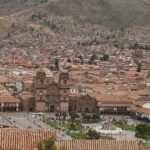
Your first major stop is Cusco Cathedral, one of the city’s most important buildings. The point isn’t just that it’s famous—it’s that it shows how European styles layered onto Cusco over time. This Cathedral blends Gothic, Baroque, and Renaissance elements, so even if you’re not an architecture nerd, you’ll still notice the change in style from area to area.
Plan for about 1 hour here. Entrance is not included, so you’ll pay an entry ticket on top of the tour price (the Cathedral is listed at S/. 40.00 soles per person). If you’re hoping to photograph quietly, go in with realistic expectations. This is a central, high-interest stop, so expect people moving around.
What the guide adds is the “why.” Without someone pointing it out, a cathedral can become a pretty building you walk past. With guidance, you start seeing how styles and eras blend, not just what looks decorative.
Qorikancha: where the Inca worshipped Inti (the sun)
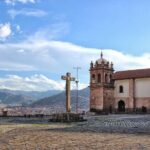
Next comes Qorikancha, a site that was historically linked to worship of Inti, the sun god. Even though you’re walking around in the present-day layout, the story connects you to the Inca period: this wasn’t a random landmark; it was a key religious place.
You’ll have about 1 hour at Qorikancha. Entrance is not included, and the listed fee in the tour details is S/. 20.00 soles per person (the same information also shows PEN 15.00 per person). Because those numbers are both shown, I’d treat this as a “confirm at the time you buy the ticket” situation.
Value-wise, Qorikancha is one of the best stops in the day because it explains the city’s layers fast. Cusco isn’t only an archaeological destination—it’s a living city. This stop helps you understand how old belief systems shaped where power and ceremony happened.
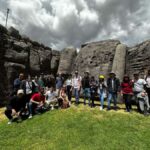
Sacsayhuamán: massive stones and the mystery of how they got there
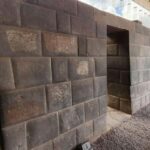
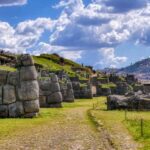
After Qorikancha, the route heads toward Sacsayhuamán, an iconic Inca fortress built under Inca Pachacutec in the 15th century. It’s also a UNESCO World Heritage site, and the scale is part of the whole lesson: enormous stones, fortress walls, and a sense of engineering confidence.
You get about 50 minutes here. Again, entrance isn’t included, and the tour notes a tourist ticket for archaeological sites listed as PARTIAL BTC: S/. 70.00 soles per person. Even if you don’t know Inca engineering, you’ll feel the difference between “a ruin” and “a structure made to last.”
What to focus on is the sheer puzzle built into the site. The guide will likely frame the big question people always ask: the way those stones were transported and worked remains unclear. That uncertainty isn’t a buzzkill; it’s the point. It makes the site feel alive with unanswered questions, not like a solved museum display.
Q’enqo: carved rocks that survived the Spanish
Your fourth stop is Q’enqo, an archaeological complex where what’s left is mostly carved rocks that the Spanish reportedly couldn’t destroy. That survival matters because it means you can still connect to the place’s original form of sacred use, even if paths, aqueducts, enclosures, storage areas, and liturgical baths are not fully preserved.
You’ll have about 40 minutes here, and entrance is not included (again tied to that archaeological ticket listed as PARTIAL BTC). It’s a shorter stop, but Q’enqo can feel more thought-provoking than expected. It encourages you to look at details—shapes and marks—rather than hunting for fully restored walls.
One standout detail from the tour description: there was once a layer of gold that helped illuminate the site. Even if that effect isn’t visible now, the idea changes how you view the space. It wasn’t only a place to stand; it was designed to interact with light and ceremony.






Puka Pukara: a military checkpoint that also acted like a refrigerator
Then comes Pucapucara, a site with a practical purpose: it was a checkpoint when entering Cusco, described as the capital of the empire. That “gatekeeping” role is the military angle. But Pucapucara also served as a tambo, a resting place for the chaskis—the runners who carried messages and packages town to town.
You’ll spend about 40 minutes here, and here’s the nice part: entrance is listed as free. That means this stop helps offset the extra money you’ll likely spend on other entrances during the day.
The most interesting detail is what happened on the hillside: products were stored there, dried by strong winds, and preserved longer—like a natural refrigerator. The guide’s context can make this click. This wasn’t only about war and travel. It was about logistics, food supply, and keeping systems running.
Tambomachay: water worship, rain prayers, and two cascades
The final major stop is Tambomachay, known as a center of worship to water. The idea is simple and powerful: the Incas prayed for rain so crops would grow. Because of that, some sources call it the Temple of Fertility.
You’ll get about 50 minutes here. Entrance is not included, so plan on paying the archaeological-site ticket noted in the tour details. What you’re looking for is the water system: even now, crystal-clear water still flows through aqueducts. The tour description also highlights that the Incas channeled water from a small waterfall and split it into two cascades, which adds a visual focal point to the visit.
There’s also a legend tied to fertility: if women drink from the waters, they can conceive, and the right side of the fall is linked with a male child while the left side is linked with a female child. Even if you treat it as folklore, it gives the site a story beyond the engineering.
One more detail worth noting: the tour mentions that access was restricted in the past, with only the Inca and his entourage allowed to use the facilities. That helps you understand why Tambomachay feels special even today.
Price and value: the $12.80 tour plus entry tickets you should budget for
The listed tour price is $12.80 per person, and that number is only the “tour package” part. What you’re paying for is the combo of pickup from your Historic Center accommodation, a professional bilingual guide, and comfortable authorized transportation, plus the structured, guided time at each stop.
The extra cost is entrance fees. Based on the tour details, here’s what you should expect to add:
- Qorikancha entrance: listed as S/. 20.00 (also shown as PEN 15.00)
- Sacsayhuamán, Q’enqo, Tambomachay: covered by a tourist ticket for archaeological sites (PARTIAL BTC) listed at S/. 70.00
- Cusco Cathedral entrance: listed as S/. 40.00
- Pucapucara entrance: free
In real terms, this is still often good value because you’re getting guided interpretation at multiple major sites rather than paying entry fees while figuring out what you’re looking at. But it’s not a cheap walk-in day. If you hate surprises, you’ll want to plan your budget ahead of time and carry enough cash for ticket purchases.
Also remember: the tour notes that tips are not included. If you enjoyed Richard’s explanations and helpful energy, budget for that decision at the end rather than trying to guess mid-tour.
What to bring: rain, sun, and comfort for Cusco’s day out
Even though this is only around 5 hours, Cusco weather can shift. The tour information specifically recommends being ready with:
- a waterproof jacket or poncho
- water and snacks (bring them if you want extra than what’s provided)
- a sun hat
- sun protection cream (factor 35 recommended)
I like taking the sun and rain gear seriously here because it protects the whole experience. When you’re not worried about getting wet or overheated, you actually absorb what the guide is saying at each stop.
Who should book this Cusco city tour (and who might pass)
This tour fits best if you:
- want a first-day overview of Cusco’s key sights without building a plan from scratch
- prefer a guided format in English, with a bilingual guide who can switch gears
- like the idea of mixing cathedral culture with Inca sites in a single day
- appreciate a small group and a guide who’s helpful beyond the final stop
It might not be your best match if you:
- want every entrance fee included in the upfront price (here, several major ones are not)
- dislike splitting your attention between many stops in one afternoon
But if you’re the type who wants to see a lot while still feeling guided, this route is an efficient way to make your time count.
Should you book this Cusco City Tour?
If you’re trying to pick one way to get oriented quickly in Cusco, I’d seriously consider booking this. The price is reasonable for the guidance and transport you get, and the itinerary hits the mix that helps you understand Cusco: Cathedral, Qorikancha, Sacsayhuamán, Q’enqo, Pucapucara, and Tambomachay.
My main “yes, but” is budget planning for entrance fees. If you go in expecting extra ticket costs and you show up with rain and sun protection, the day flows well. And if you get Richard as your guide, you’ll likely appreciate the energy: history explained clearly, a pace that keeps you moving, and practical help when you’re figuring out what comes next.
FAQ
How long is the Cusco City Tour?
It runs for approximately 5 hours.
What’s included in the tour price?
Pickup from your accommodation in Cusco’s Historic Center, a professional bilingual tour guide (Spanish and English), and authorized tourist transportation.
Are entrance tickets included?
No. Entrance tickets for places like Qorikancha and Cusco Cathedral are not included. There’s also a tourist ticket for archaeological sites (PARTIAL BTC).
Which sites have extra entry fees, and is any stop free?
Pucapucara (Puka Pukara) is listed as admission free. Other stops in the route have entrance tickets not included.
What language is the tour offered in?
The tour is offered in English, and the guide is bilingual in Spanish and English.
Can I cancel for a full refund?
Yes, free cancellation is available. You can cancel up to 24 hours in advance for a full refund.