REVIEW · CUSCO
Inca Trail 4 Days and 3 Nights to Machu Picchu
Book on Viator →Operated by Machu Picchu Expeditions · Bookable on Viator
This trek is a 4-day reality check in the best way. It pairs classic Inca Trail hiking with a Sun Gate sunrise arrival at Machu Picchu, and the day-by-day structure (including meals and camp rhythm) keeps you moving without guesswork. I especially like the way the route builds from easier morning walks into serious climbs on Day 2, and I love the included support staff plus the food setup for different diets. The main drawback is simple: this is a strong walk with high altitude passes, so you’ll want to be ready for steep effort.
Even if you’ve visited Peru before, this one feels different. You’ll sleep at trail camps, move through Inca sites like Llactapata and Sayamarca, then end with a guided visit inside Machu Picchu. One note to plan around: sleeping bags aren’t included, and the start times are early.
In This Review
- Key Highlights You Should Care About
- Price and What You’re Really Paying For
- How the Trek Is Structured (And Why It Matters)
- Day 1: Cusco/Urubamba/Ollantaytambo to Piscacucho and Wayllabamba
- Day 2: Coca Tea, Dead Woman’s Pass, and the Hidden Inca Stops
- Day 3: Jungle Walking, Phuyupatamarca Views, and the Wiñay Wayna Payoff
- Day 4: Sun Gate Sunrise, Guided Machu Picchu, and Returning by Train
- What’s Included (And Why It’s a Big Deal on a Trek)
- Fitness Level: The Realistic Version
- Where You Sleep (And What You Need to Know)
- Logistics That Affect Your Day-to-Day Experience
- Should You Book This Inca Trail to Machu Picchu?
- FAQ
- What time does the tour start in Cusco?
- Where do I meet for the tour?
- Is Machu Picchu entrance included?
- Do vegetarian or vegan meals cost extra?
- Is a sleeping bag included?
- Can I hike Huayna Picchu on Day 4?
- What’s included for getting back after Machu Picchu?
Key Highlights You Should Care About
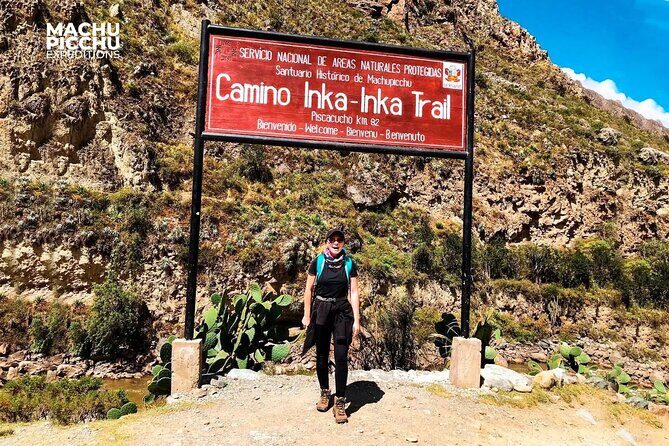
- Small-group size (max 12) so the hike feels managed rather than chaotic.
- Coca tea on Day 2 to help with altitude fatigue before you hit the big uphill push.
- Dead Woman’s Pass is the hard centerpiece, with dramatic mountain views on the climb.
- Wiñay Wayna time includes exploring the site and a team celebration with your trekking crew.
- Sun Gate sunrise on Day 4 is the payoff moment, followed by a guided Machu Picchu tour.
- Vegetarian/Vegan meals are included with no extra charge when requested.
Price and What You’re Really Paying For
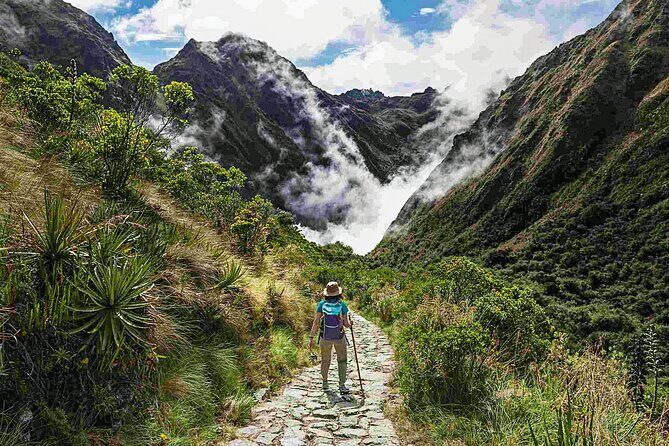
This tour costs $1,000 per person. On paper, that’s a lot. In practice, it’s paying for several expensive pieces happening together: transport from Cusco to the trail area, camp support (cooks, cooking equipment, porters), Machu Picchu entrance, and a train ticket from Aguas Calientes to Ollantaytambo, plus transfers back toward Cusco.
If you’ve tried to piece together Machu Picchu logistics on your own, you know how quickly the details add up. Here, they’re bundled: you get a pre-departure briefing, an English/Spanish-speaking guide, and a schedule that accounts for early starts and Machu Picchu timing. The value is in not having to coordinate the moving parts yourself.
One practical “cost” to watch: Day 4 lunch isn’t included. Also, drinks aren’t mentioned as included, and one common tip from people is to bring your own drinks so you’re not stuck paying for what you want at the wrong time.
You can also read our reviews of more tours and experiences in Cusco

How the Trek Is Structured (And Why It Matters)
The biggest thing I like about this version of the Inca Trail is how clear the pacing feels.
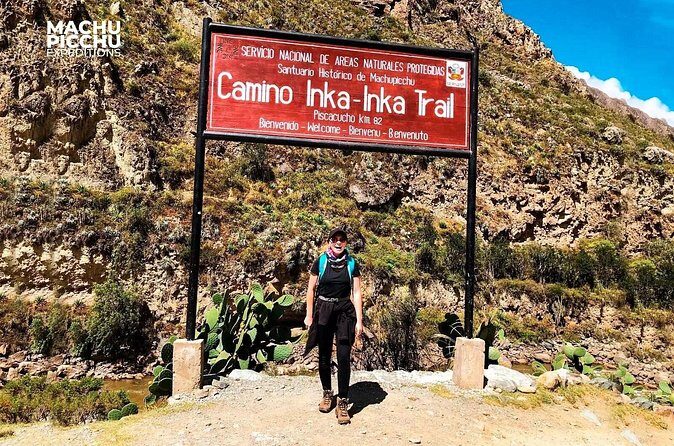
- Day 1 eases you in with the early walk from Piscacucho, plus time to stop and explore places like Llactapata.
- Day 2 is the grinder: up to Dead Woman’s Pass and then more ups and downs with several Inca stops.
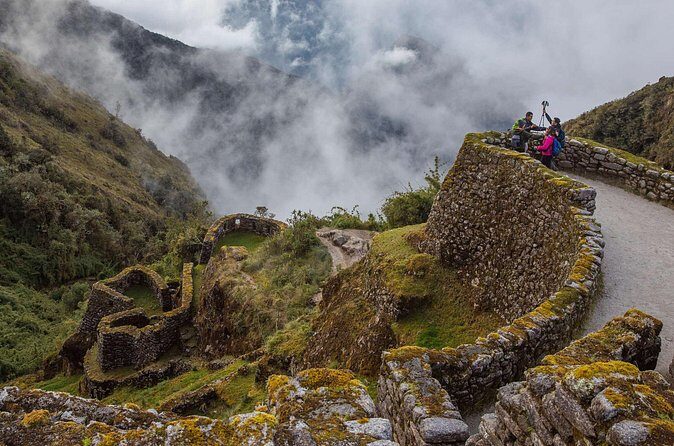
- Day 3 is shorter in total time but still meaningful: jungle-style hiking, then Phuyupatamarca views and a descent toward the Wiñay Wayna area.
- Day 4 is the reward day: wake around 3:30 am, reach Sun Gate, then do a guided Machu Picchu circuit and return by bus/train.
That structure matters because Inca Trail success isn’t just about stamina. It’s about arriving at each day’s key moment with enough energy to enjoy it rather than white-knuckling everything.
Also, this trip runs with a maximum of 12 travelers, which tends to mean less waiting around and smoother timing.
Day 1: Cusco/Urubamba/Ollantaytambo to Piscacucho and Wayllabamba
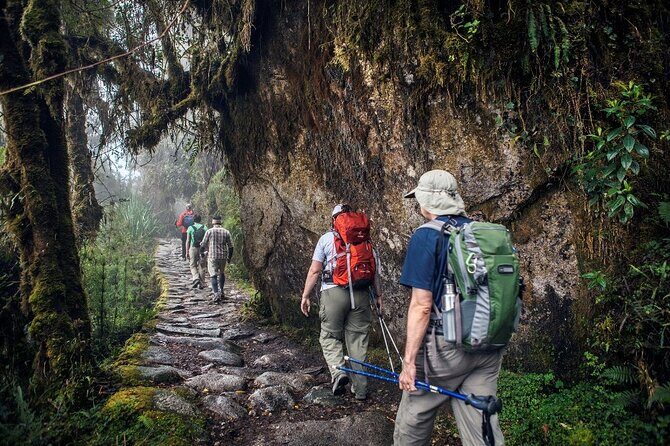
You start very early. Pickup timing depends where you begin:
- From Cusco: pickup between 4:00 and 4:30 am
- From Urubamba: pickup between 5:30 and 6:00 am
- From Ollantaytambo: pickup between 6:30 and 7:00 am
If you’re starting from Cusco, you’ll take about a 1.5-hour bus ride to Ollantaytambo for breakfast. Then you meet your trekking team—cooks, porters, and your guide—and you head toward Piscacucho (KM 82), the trail starting point.
Important: you bring your passport to enter.
The hike begins with an easier stretch and frequent stopping opportunities:
- Canabamba for views of the La Veronica glacier
- Llactapata to explore Inca ruins
After lunch in Tarayoc, you hike roughly 3.5 hours to your first campsite: Wayllabamba (3,300 masl / 10,827 fasl). You’ll pass small communities along the way where you can buy last-minute supplies—handy if you realize you forgot something basic.
You arrive around 5 pm, snack, and settle into camp. Dinner is at 7:30 pm, then bedtime. The rhythm helps because it sets you up for an early Day 2 start.
My take: Day 1 is where you learn your pace. Don’t treat it like a race. Inca Trail is a long game, and this first day is designed to keep you moving without smashing you.
Day 2: Coca Tea, Dead Woman’s Pass, and the Hidden Inca Stops
Day 2 begins with a warm cup of coca tea. That’s not magic, but at altitude it can feel like a small nudge that helps you start strong—especially before the steep part.
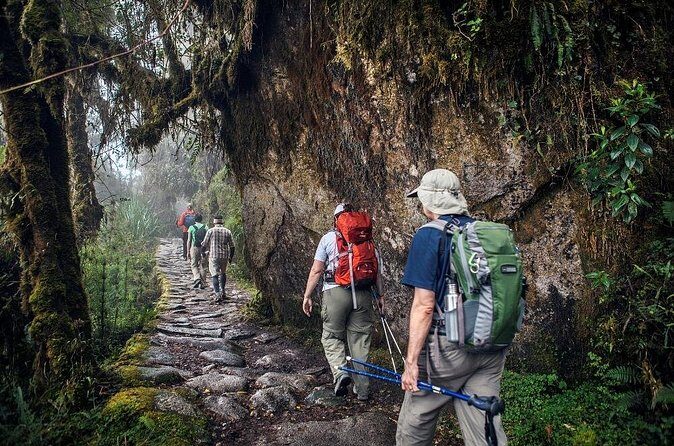
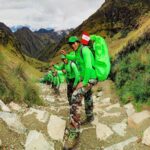
After breakfast, you tackle the trek’s signature challenge: a 4-hour uphill hike to Dead Woman’s Pass (4,215 masl / 13,829 fasl). Expect stunning mountain views, and also expect this to feel longer than the numbers suggest once you’re climbing.
Then the route shifts:
- A 1.5-hour descent to the valley for lunch
- A 45-minute climb to Runkurakay, including its waterfall views
- Another 45-minute uphill to Runkurakay Pass, where you rest and take in the scenery
After that, you move toward Sayamarca, an Inca site you’ll find almost tucked away compared to the big-name stops. Then a final walk brings you to Pacaymayo (3,600 masl / 11,811 fasl) for dinner under the starry Andean sky.
My take: This is the day you earn the rest of the trek. You don’t need to sprint. You do need to keep steady effort and be smart about your breathing.
Day 3: Jungle Walking, Phuyupatamarca Views, and the Wiñay Wayna Payoff
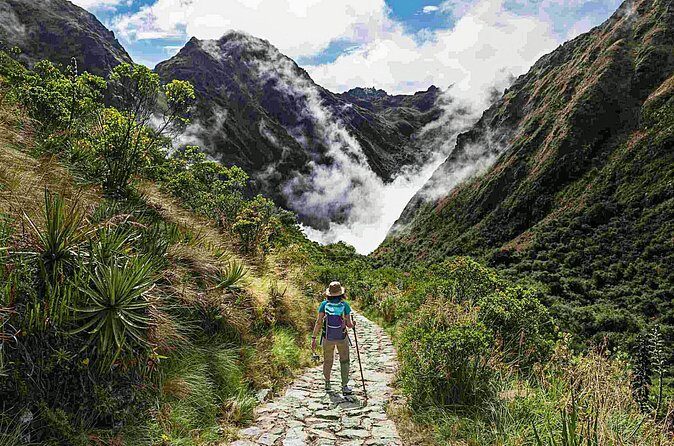
The hardest day is done, and Day 3 becomes more fun. You wake around 6:30 am and breakfast first, then hike for about 1.5 hours through jungle-style terrain.
During this stretch, you’ll get views of the Salkantay glacier and the Vilcabamba range. That contrast—lush walking mixed with big mountain visuals—helps the mental side of the trek. You’re not just grinding elevation.
Next comes the climbing and framing:
- Climb to Phuyupatamarca (3,650 masl / 11,975 fasl)
- Descend about 2.5 hours to Intipata, where you’ll see the Sacred Valley and the Urubamba River
Then you head to your campsite near Wiñay Wayna for lunch. Around 4 pm, you explore Wiñay Wayna itself. One of the things I like here is the team moment: there’s a celebration with your trekking group and you’ll say goodbye to the porters before resting early for the sunrise next day.
A note from the vibe people talk about: the guide experience can make or break a tough trek. One named example you’ll hear about is Tupac, praised for being prepared and bringing a good vibe. Even if your guide isn’t Tupac, it’s a sign to look for strong, calm leadership when you’re booking.
Day 4: Sun Gate Sunrise, Guided Machu Picchu, and Returning by Train
This is your big payoff day, and it starts before dawn. You wake around 3:30 am, grab breakfast, and head to the Sun Gate.
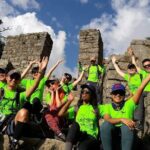
You walk about an hour, then you get your first glimpse of Machu Picchu. After another hour, you reach the final control point and start a guided tour lasting about 2 hours. You’ll see temples, homes, and aqueducts—exactly the kind of structure that makes Machu Picchu feel more than just “cool ruins.”
Then you get free time. If you’ve pre-booked it, you can hike Huayna Picchu. If not, you still have time to explore at your own speed around the main complex.
For the return:
- You take a bus to Aguas Calientes for lunch (Day 4 lunch isn’t included)
- Then you catch the train from Aguas Calientes to Ollantaytambo
- After the train, there’s transfer service from Ollantaytambo back to Cusco (the route also mentions Poroy as an option, depending on timing)
My take: This day is timed tightly, so you’ll want to be mentally ready for early wake-ups and a lot of steps after the sunrise. But if you enjoy history with physical effort behind it, this is the kind of day that just sticks in your memory.
What’s Included (And Why It’s a Big Deal on a Trek)
Here’s what you can count on:
- Transportation to the trailhead (from Cusco/Urubamba/Ollantaytambo depending on pickup)
- Classic Inca Trail permission
- Pre-departure briefing
- English/Spanish-speaking professional guide
- Entrance ticket to Machu Picchu
- Guided visit to Machu Picchu
- Train ticket from Aguas Calientes to Ollantaytambo
- Transfer back after the train toward Cusco
- Duffle bag plus a personal pad
- Cooks and cooking equipment, plus vegetarian/vegan options available on request with no extra charge
- First-aid equipment and an oxygen bottle for emergencies
- Meals: 4 breakfasts, 3 lunches, 3 dinners (with the note that Day 4 lunch isn’t included)
Also helpful: mobile ticket is part of the process, and you’ll get confirmation at booking time.
My take: When you’re that far from “normal travel,” the inclusion list matters. You’re paying so meals, entry tickets, and safe-triage basics are already handled.
Fitness Level: The Realistic Version
This is best described as a strong hiking trip. You should have a moderate physical fitness level, but Day 2 includes a long climb to Dead Woman’s Pass at 4,215 masl plus multiple additional ups and downs.
The practical reality:
- Bring a steady pace mindset.
- Expect high-altitude fatigue.
- Plan on time where you’re walking more than “sightseeing.”
If you’re the type who enjoys accomplishing hard things and then relaxing into the views, you’ll likely be thrilled. If you’re fragile with steep grades or altitude, you’ll have a tougher time.
Where You Sleep (And What You Need to Know)
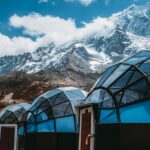
The itinerary mentions nights at camps along the trail and an early rest before sunrise. What it does not mention is sleeping bags. Since sleeping bags aren’t included, you’ll want to plan for what you’ll use on cold nights.
In terms of comfort, people have praised the stays and the overall organization of daily timing. Still, this is not a hotel. You should expect camp conditions typical of a trekking route, not luxury.
Logistics That Affect Your Day-to-Day Experience
A few practical points that shape how smooth this feels:
- Pickup is scheduled and early, with a transfer picking you up 30 minutes before tour start from the meeting area.
- Group size is capped at 12 travelers, which tends to keep things controlled.
- The meeting point is Plaza Regocijo (F2M9+5X2), Cusco 08002, Peru and the activity ends back there.
- The Day 4 schedule is sunrise-focused, so you’ll want to be ready for a short night and a long morning.
Also, note the operational reality: this experience is non-refundable and cannot be changed. That’s not a “travel tip” so much as a planning rule—make sure your dates are locked before you commit.
Should You Book This Inca Trail to Machu Picchu?
Book it if you want:
- Guided Machu Picchu with a serious entry experience via Sun Gate
- A trek with built-in structure, including meals and trail logistics
- A small group and professional handling with support staff
- Comfort with the idea of long walking days and altitude effort
Consider another option if:
- You’re not comfortable with steep uphill effort like Dead Woman’s Pass
- You don’t want to plan for cold and basic camp conditions (since sleeping bags aren’t included)
- You’d struggle with very early starts like 4:30 am pickup windows and 3:30 am wake-ups
If you do book, I’d treat it like an athletic plan, not a casual sightseeing trip. Pace yourself on Day 1, respect Day 2, then enjoy how the route rewards you with each Inca stop until Machu Picchu opens in the morning light.
FAQ
What time does the tour start in Cusco?
The tour starts around 4:30 am, and the transfer picks you up 30 minutes before the tour start time from the hotel/meet location arrangement provided.
Where do I meet for the tour?
You meet at Plaza Regocijo (F2M9+5X2), Cusco 08002, Peru, and the activity ends back at the meeting point.
Is Machu Picchu entrance included?
Yes. The entrance ticket to Machu Picchu is included, along with a guided visit.
Do vegetarian or vegan meals cost extra?
No. Vegetarian/Vegan options are available on request with no additional charges, and meals are included on the trek portion.
Is a sleeping bag included?
No. Sleeping bags are not included, so you’ll need to bring or arrange one.
Can I hike Huayna Picchu on Day 4?
You can hike Huayna Picchu if it’s pre-booked. The day includes free time after the guided tour.
What’s included for getting back after Machu Picchu?
You’ll take a bus to Aguas Calientes for lunch, then a train from Aguas Calientes to Ollantaytambo, followed by transfer service back toward Cusco. Poroy is also listed as an option depending on the plan.