REVIEW · CUSCO
Half-Day Cusco City Tour – Explore History, Culture & Inca Ruins
Book on Viator →Operated by Ausangate trail · Bookable on Viator
Five ruins. One tightly packed loop.
This half-day Cusco tour is a smart way to get your bearings fast, hitting Inca sites that cover religion, power, and water worship without you needing to plan transit on your own. You’ll start in the city center, ride out to the archaeological parks, then come back—still within a 5-hour window.
I like two things a lot. First, the stops feel varied: Qorikancha for sun-and-astronomy worship, then Sacsayhuaman with its views and ritual associations. Second, you get a real guide—English or Spanish—plus round-trip transportation and hotel pickup in Cusco’s city center. One review even called out a standout guide named Maju for showing the city with charm and care.
The main downside is the pace. You’ll typically have just 20–40 minutes per site, so if you want to read every stone slowly, you may feel rushed. Also, not every guide’s English level is described as equal, so it’s worth setting your expectations and asking questions early in the day.
In This Review
- Key Highlights I’d Prioritize
- Why This Half-Day Cusco Route Works So Well
- Getting Started: Plaza de Armas Pickup and Mobile Ticket Ease
- Stop 1: Qorikancha and the Sun-Temple Foundations
- Stop 2: Sacsayhuaman’s Three Platforms and Inti Raymi Vibes
- Stop 3: Q’enqo’s Rock-Cut Channels and Niches
- Stop 4: Puka Pukara’s Red Fortress View
- Stop 5: Tambomachay and Water Worship Through Aqueducts
- Price and Value: $12 Tour Plus You Pay the Site Tickets
- Group Pace, Guide Quality, and How to Get More Out of It
- Who Should Book This Tour (and Who Might Want More Time)
- Should You Book This Half-Day Cusco City Tour?
- FAQ
- What is the duration of the Cusco City Tour?
- Does the tour include admission tickets?
- What stops are included in the itinerary?
- Is pickup available in Cusco?
- What languages are the guides?
- How long do you spend at each site?
- Is there free cancellation?
Key Highlights I’d Prioritize
- Five major Cusco-area Inca sites in one half-day route
- Real Inca worship themes: sun/astronomy, ritual ceremony, and water worship
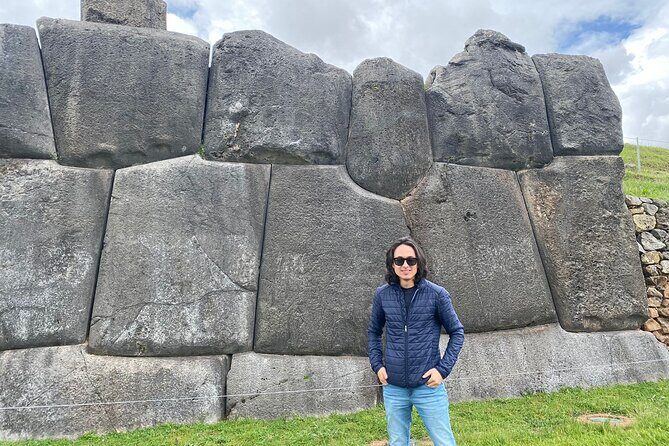
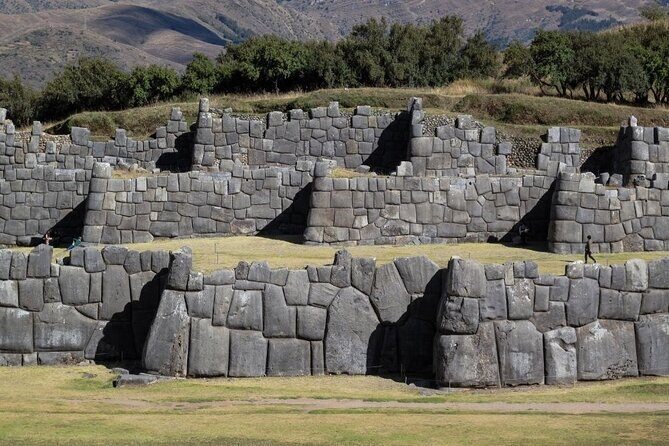
- Big views at Sacsayhuaman from three superimposed platforms
- Short and efficient timing (about 3 hours of site time inside a 5-hour block)
- Group size capped at 20, which keeps the day from turning into cattle-herding
- Guide quality matters, and one highly praised guide was named Maju
Why This Half-Day Cusco Route Works So Well
Cusco has a habit of making you think you need a full day just to see the “main” Inca places. This tour is built for the opposite: a focused loop that brings you to the big-name sites around the city. If you’re new to Cusco—or you’re short on time before heading to the Sacred Valley—this kind of circuit helps you connect the dots fast.
Timing is the big idea here. The full block is about 5 hours, and the schedule counts travel time inside that. In practice, you’ll spend around 2 hours traveling between parks and roughly 3 hours visiting the sites. That math explains the feel: it’s enough time to understand what you’re seeing, not enough time to treat each stop like a museum exhibit.
The group size also shapes the experience. With a maximum of 20 people, you’re less likely to get lost in a huge crowd. You’ll still be moving on a schedule, but it’s not the same experience as a mass-market, all-day bus tour.
Finally, the tour uses pickup in Cusco city center, so you’re not stuck bargaining with taxis or trying to coordinate rides while jet-lagged or altitude-tired. That convenience matters more than you’d think when you’re dealing with Cusco logistics.
You can also read our reviews of more city tours in Cusco
Getting Started: Plaza de Armas Pickup and Mobile Ticket Ease
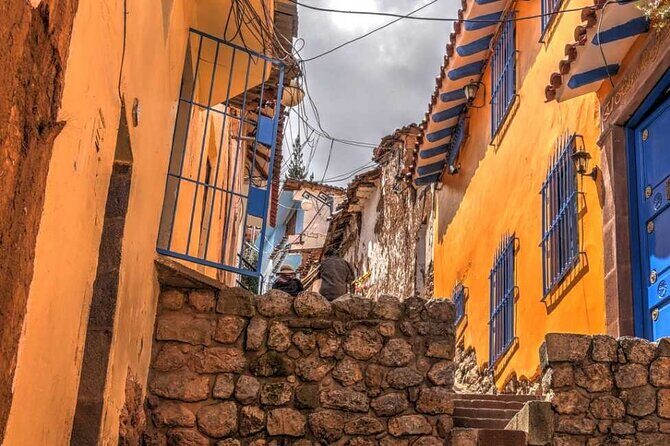
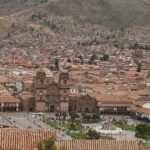
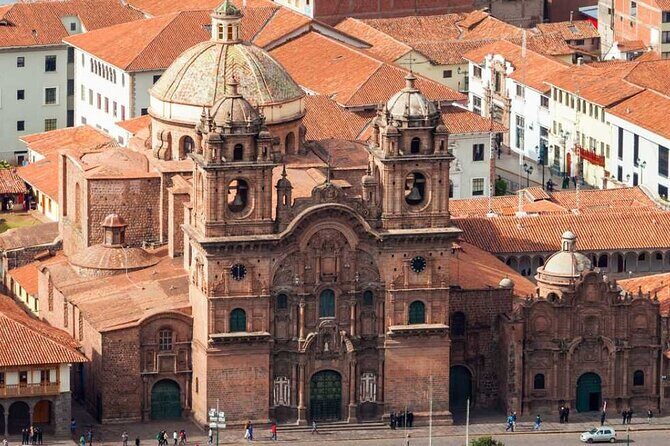
The day starts from the Cusco main square area. The pickup details say the group meets at Plaza de Armas, at the door of the cathedral, under the clock. That’s a landmark you can find even if you’re still getting your bearings.
There’s also a listed meeting point at Cusco Plaza Hostel (Portal Mantas 114, Portal de Comercio 113). If you’re not being picked up right where you’re staying, this is your anchor.
You’ll get a mobile ticket, which keeps things simple—no printed paper scavenger hunt. Confirmation is sent at booking time, and the tour runs with an English or Spanish guide.
One note to double-check when you book: the description includes round-trip transport and says hotel pickup and drop-off in Cusco’s city center are part of the package, but the not-included list also mentions drop-off at the hotel. Keep it practical: confirm where you’ll end your day so you’re not counting on a specific door-to-door return that isn’t guaranteed.
Stop 1: Qorikancha and the Sun-Temple Foundations
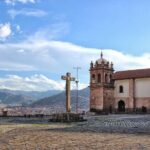
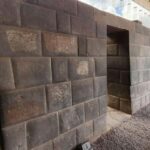
Qorikancha is the kind of start that sets the theme for the whole day. You begin near the main square, then head to the archaeological site. Here you’ll see smaller temples linked to the sun and other celestial themes—sun, moon, stars—while the original stone foundations remain part of the structure.
The outside areas matter too. There are gardens and fountains on the grounds associated with the Temple of the Sun. It’s a quick visit (about 30 minutes), but it gives you the basic idea: this wasn’t just a monument; it was tied to how the Inca thought about the sky, time, and worship.
What to watch for during your visit:
Look at how the stonework stays foundational, and compare the inside spaces versus the courtyard-like exterior areas with water features. In other words, don’t rush straight past the “most famous” part—scan the layout, because the site’s meaning comes from how it’s arranged.
Potential drawback:
Because you only get about 30 minutes, you may not have time for a long, slow scan. Plan to focus on understanding the big picture first, then let yourself circle back for photos if the guide’s pacing leaves a few minutes.
Stop 2: Sacsayhuaman’s Three Platforms and Inti Raymi Vibes
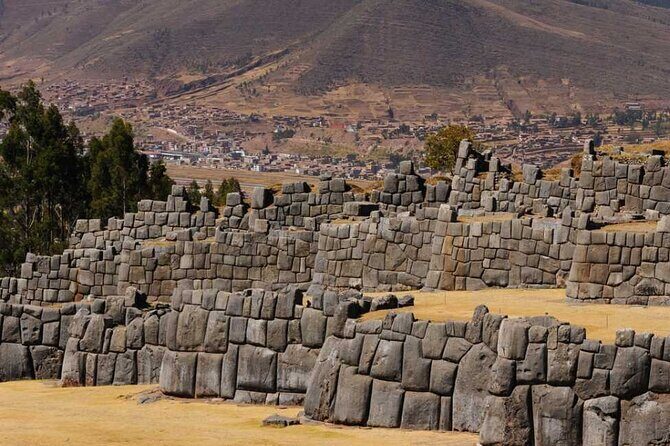
Next up is Sacsayhuaman, one of the most impressive Cusco-area ruins for sheer presence. You’ll get around 40 minutes here, which is the longest stop on the route besides Qorikancha’s setup and the other middle sites.
What you’ll notice first is the view. The site sits above Cusco, and the platforms create that “overlooking the city” feel. The description highlights three superimposed platforms—so you’re not just standing at one point. The structure encourages you to move around and take in how the tiers look from different angles.
There’s also an important cultural thread tied to Inti Raymi. The tour notes that locals make offerings to Mother Earth using sacred coca leaves during Inti Raymi. Even if your visit isn’t on that date, it’s a useful context hook. It helps you interpret what you’re seeing as part of living tradition, not only old stone.
What to do with that context:
Ask your guide to connect the tiers to ritual use. Then, when you look out over the city, you’ll understand why this location would matter beyond defense.
Time consideration:
40 minutes sounds like plenty until you factor in the pace of a group, altitude effects, and photo stops. If you’re the type who wants one spot and one long stare, you may feel the schedule squeeze. Still, it’s one of the best places on this route to take your time where you can.
Stop 3: Q’enqo’s Rock-Cut Channels and Niches
Q’enqo is where the tour shifts from grand views to intricate details. This complex was a center of Inca ceremonial worship, and you’ll see it literally worked into the rock.
The description points to two standout features:
- zigzag channels in the upper part of the rock
- small trapezoidal niches inside
These details make Q’enqo feel different from the more open sites. It’s not about sweeping panoramas as much as it’s about the design language of the place—channels, niches, the intentional shapes.
You get about 30 minutes, which is typically enough time to spot the channels and get your bearings in relation to where you’re standing.
Small practical tip:
When you’re at a rock-cut site, it helps to take one minute to orient yourself, then spend the remaining time finding the specific features the guide points out. With only half an hour, random wandering can mean you miss the best parts.
You can also read our reviews of more historical tours in Cusco

Stop 4: Puka Pukara’s Red Fortress View
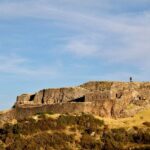
Puka Pukara is a shorter stop at about 20 minutes, but it has a clear draw: the panorama and the “red fortress” look.
The tour description explains why it’s red. The rock holds a large quantity of iron, giving the site its fortress-like color. It also served as a military control center for the Incas, so it’s a different theme than the ceremonial and water worship stops.
What you’ll want to do in those 20 minutes:
Treat it like a quick photo-and-orientation moment. If you’re trying to learn fast, ask the guide to explain the military control idea, then look around for how the location would support monitoring movement or protecting approaches.
Potential drawback:
Twenty minutes goes by fast. If you’re also feeling altitude fatigue, you may want to keep your pace steady and not overcommit to long walking detours.
Stop 5: Tambomachay and Water Worship Through Aqueducts
You finish with Tambomachay, a site centered on water. The tour focuses on aqueducts and fountains drawing water from nearby springs. You’re seeing infrastructure tied to a worship purpose: the place was a center of water worship and adoration.
You’ll have about 30 minutes here. This stop works especially well as a “reset” after the militaristic and high-platform feel of the earlier ruins. Instead of focusing on tiers or ceremonial rock features, you focus on water flow and engineered channels.
What to look for:
Pay attention to where the aqueducts lead and how the fountains are positioned. Even if you’re not an engineering person, the layout tells you how water was brought into a worship space.
If you’re planning your day around photos, this is often an easier place to frame because it’s more about patterns—channels and water sources—than wide overlooks.
Price and Value: $12 Tour Plus You Pay the Site Tickets
The base price is $12.00 per person for a half-day tour with an English or Spanish guide and round-trip transport. That’s a low sticker price, and it’s worth understanding what it covers.
Site admissions are not included, and the tour lists the costs clearly:
- Qorikancha admission: PEN 20.00 per person
- Sacsayhuaman, Qenqo (Q’enqo), Pukapukara (Puka Pukara), Tambomachay: PEN 70.00 per person
So you should budget for about PEN 90 total in admissions if you visit every stop. The money you pay upfront is basically for guide guidance and the transportation loop; the admissions are pay-as-you-go.
Is it good value?
Yes, especially if you’re trying to cover a lot of major sites without renting a car or figuring out transit between parks. The key trade-off is time. You’re paying for efficiency, not for slow exploration. If that matches your travel style, the price is a strong deal.
Also watch for currency expectations. The tour lists costs in Peruvian soles (PEN), so plan to have cash or a reliable payment method for admissions.
Group Pace, Guide Quality, and How to Get More Out of It
This is where reviews become useful, even without turning it into a soap opera. The overall rating is 4.8, with praise for the “main sites” coverage and for at least one exceptional guide.
One review highlighted a guide named Maju as the best part—friendly, engaging, and genuinely showing off her city. Another review gave the tour a lower score because English knowledge was described as weaker on that particular day, and the pacing felt too brief for some stops.
Here’s the practical takeaway for you: if you care a lot about details, ask questions early. The best use of your guide time is to set the tone in the first site—ask what you should notice at Sacsayhuaman versus Q’enqo, or ask how the ritual themes connect. A good guide will adjust and give you more than dates and names.
Pace is still the pace. You’ll be on a schedule with set minutes at each stop. Keep your expectations aligned and you’ll enjoy it more.
Who Should Book This Tour (and Who Might Want More Time)
I think this works best for:
- first-time Cusco visitors who want a quick orientation to major Inca sites
- people traveling with limited time and still wanting a guided experience
- travelers who like structure: go here, see this, understand the meaning, move on
- anyone who wants transport and a guide without extra planning
You might want to look elsewhere if:
- you want long, slow exploration at each ruin
- you’re the kind of person who hates group schedules
- your priority is deep archaeological reading rather than an overview with context
Remember: the tour gives you just enough time to get it, not enough time to study it for hours.
Should You Book This Half-Day Cusco City Tour?
If you’re in Cusco for a short window, I’d book it. The route hits the kinds of sites that help you understand the Inca presence around the city: sun-and-sky worship at Qorikancha, ritual and monumental platforms at Sacsayhuaman, carved ceremonial features at Q’enqo, a red iron-rock military control point at Puka Pukara, and water worship at Tambomachay.
Just go in with the right mindset: it’s a fast tour with short site stops. Bring your energy for walking and photos, budget for PEN 20 + PEN 70 in admissions, and ask your guide smart questions at the first stop so the time feels worthwhile.
If you want a half-day plan that’s easy, guided, and cost-effective, this is a strong option.
FAQ
What is the duration of the Cusco City Tour?
It runs for approximately 5 hours.
Does the tour include admission tickets?
No. Qorikancha costs PEN 20.00 per person, and Sacsayhuaman, Qenqo, Pukapukara, and Tambomachay total PEN 70.00 per person. These are not included.
What stops are included in the itinerary?
You’ll visit Qorikancha, Sacsayhuaman, Q’enqo, Puka Pukara, and Tambomachay.
Is pickup available in Cusco?
Yes. There is round trip transportation and hotel pickup in Cusco city center. Pickup details are at Plaza de Armas, at the door of the cathedral under the clock.
What languages are the guides?
The guide is offered in English or Spanish.
How long do you spend at each site?
Approximate times are: Qorikancha 30 minutes, Sacsayhuaman 40 minutes, Q’enqo 30 minutes, Puka Pukara 20 minutes, and Tambomachay 30 minutes.
Is there free cancellation?
Yes. You can cancel up to 24 hours in advance for a full refund.