REVIEW · SACRED VALLEY
Hire a fluent English speaking and professional Machu Picchu guide
Book on Viator →Operated by MachuPicchu.Center · Bookable on Viator
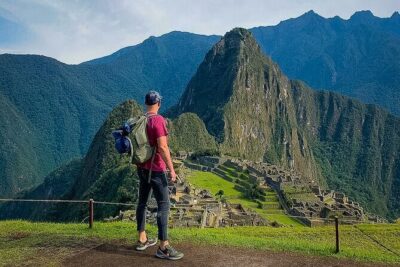
Machu Picchu makes sense with the right guide. This Sacred Valley experience focuses on the licensed, fluent English-speaking guide who helps you understand what you’re seeing—temples, terraced hills, and ritual stones—right where they matter. I also like that you get a 7pm hotel briefing the night before, so you’re not guessing once you’re there. One catch: the Machu Picchu entrance ticket is not included, so you’ll need to sort that out separately (the operator says they can help).
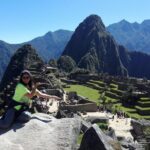
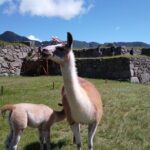
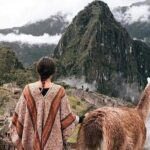
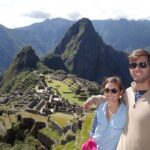
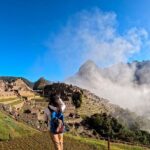
You’ll move through the Historic Sanctuary and the main Urban Sector with an eye for meaning and photos, including stops linked to sacred rituals and astronomy. The tour also takes you to places to capture photographs and come face-to-face with resident llamas.
In This Review
- Key things I’d focus on before you go
- Why a fluent guide changes Machu Picchu
- Your day plan: 7pm briefing and the Muro de la Ciudad start
- Historic Sanctuary: seeing the big pieces with meaning
- Urban Sector stops: Sacred Rock (Wank’a) and ritual context
- Roca Sagrada (Sacred Rock)
- Intihuatana Stone: the hitching post of the sun
- Temple of the Sun: solstices and the idea of light
- Temple of the Three Windows and the Sacred Plaza
- Temple of the Three Windows: windows, walls, and theories
- The Main Temple features and ceremonial niches
- Sacred Plaza: altars and a view toward the Vilcantoa Valley
- Price and value: $57.70 plus one important ticket reality
- Logistics that matter on the ground: group size, weather, and timing
- Who should book this Machu Picchu guide
- Should you book this tour?
- FAQ
- FAQ
- Is the Machu Picchu entrance ticket included in this tour price?
- How long is the guided tour?
- Do I get a briefing the night before?
- What languages does the guide speak?
- Is this a private tour or a group tour?
- Where does the tour start and where does it end?
- What happens if the weather is poor?
- Can I cancel and get my money back?
Key things I’d focus on before you go
- Fluent English or Spanish guidance so the site becomes understandable, not just impressive
- Top Machu Picchu landmarks, in a logical route from the sanctuary down into the Urban Sector
- Photo-focused stops plus time near the llamas for easy, memorable moments
- Ritual stones explained like Roca Sagrada (Wank’a) and Intihuatana
- A timed-in-place story of the sun at the Temple of the Sun and the solstice idea
Why a fluent guide changes Machu Picchu
Machu Picchu is famous for a reason. But standing in front of stone terraces and temples can also feel like a blur of views. The value of this tour is that you don’t just see the big highlights—you learn what they likely were for, and how the pieces connect.
A professional, licensed guide matters here because the site isn’t laid out like a museum with signs that explain everything. You’ll get context for the ancient temples, terraced hills, and sacrificial sites—the kind of explanation that turns the place from scenery into a story you can repeat. And since the guide is fluent in English or Spanish, you’re not relying on fragments or translation guesswork.
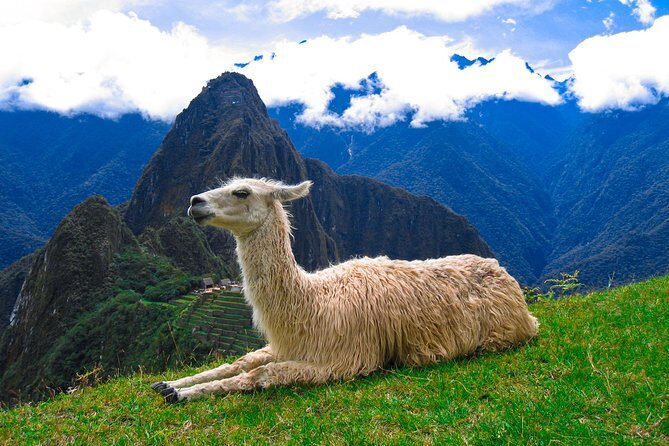
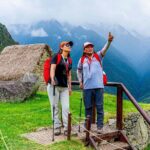
Another win: the tour is built around “where to look.” You’ll be guided to the best photo locations, not just herded along. And you get the chance to meet resident llamas, which is exactly the sort of moment that makes a visit feel personal.
You can also read our reviews of more guided tours in Sacred Valley
Your day plan: 7pm briefing and the Muro de la Ciudad start
Timing at Machu Picchu can make or break your experience. This one gives you a helpful on-ramp: you get a briefing at your hotel in the Machu Picchu area at 7pm the night before. That matters because it helps you get your bearings in advance—what to expect, how the day will flow, and where to meet.
If you arrive the same day by train, there’s also a briefing at the train station. That reduces stress when you’re arriving with limited time and a schedule that can feel tight.
For the actual tour, the meeting point is listed as Muro de la Ciudad, 08680, Peru. The tour ends inside the Machu Picchu Sanctuary, which is convenient because you can keep exploring afterward at your own pace.
Historic Sanctuary: seeing the big pieces with meaning
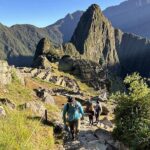
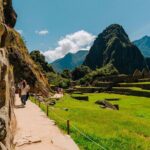
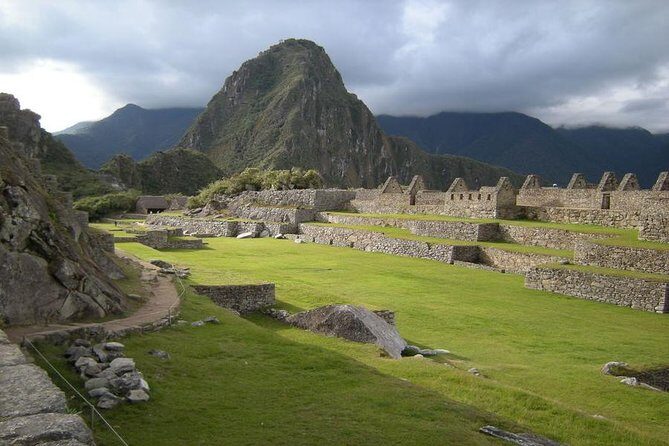
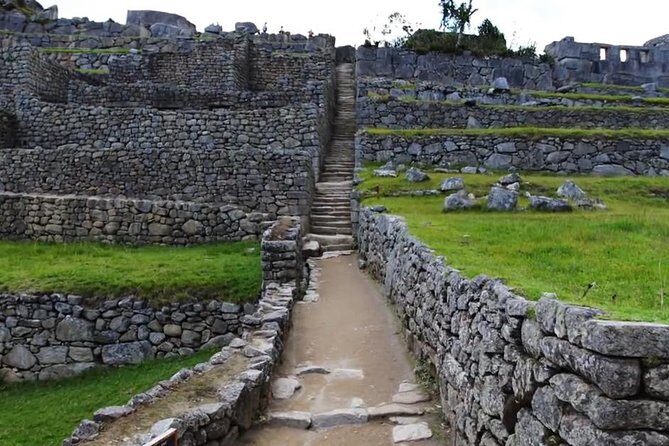
The tour centers on the Historic Sanctuary of Machu Picchu. You’ll spend time at the key attractions inside the sanctuary while the guide explains the significance of the ancient structures and ritual areas. The descriptions emphasize both the physical layout—terraces and temple zones—and the human purpose behind them, including sacrificial sites.
This is where having a guide pays off fast. Without one, it’s easy to stop at the first stunning view and miss why certain areas feel more “important” than others. With a guide, you can notice patterns—how spaces relate, how the site was organized for ceremonial life, and why some locations were chosen for specific kinds of activities.
You’ll also get directed to spots for photography. That’s not just about getting a nice shot. It’s about positioning—standing where the angles, openings, and sightlines make sense for what you’re learning in that moment.
Finally, this is one of the only realistic ways to plan for a smoother visit while still catching the standout details: you’re not just walking around hoping you’ll stumble on the right explanations.
Urban Sector stops: Sacred Rock (Wank’a) and ritual context
Once you shift toward the Urban Sector, the tour moves into places that feel more like ceremonial “anchors” than random stonework.
Roca Sagrada (Sacred Rock)
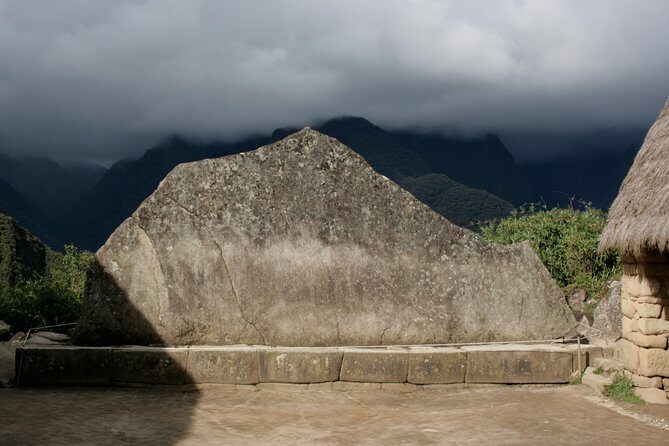
Roca Sagrada—also called Wank’a in Quechua—is described as a large sacred stone surrounded by a small low wall, with an open flat area in front and two open-sided shelters flanking it. The guide’s interpretation here is practical: you’ll learn that this wasn’t just a scenic structure. It’s presented as a shrine where rituals and earth offerings (pachamamas) were carried out.
There’s also a restoration angle: Peru’s Ministry of Culture restored the shelters, including thatched roofs. So you get the sense of a living heritage site, not only ruins frozen in time.
A good sign of value: the tour isn’t leaving this as a “cool rock.” You’re being told what it likely meant, and the physical layout helps you understand the flow of ritual space.
Intihuatana Stone: the hitching post of the sun
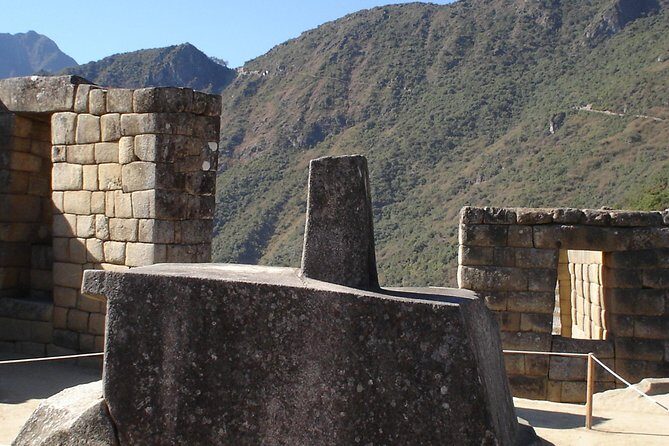
Next up is the Intihuatana Stone, also spelled Intiwatana. The tour positions it as an iconic feature of Machu Picchu, located on the western side of the Urban Sector near the Royal Plaza.
The key story is in the name: Intihuatana translates to hitching post of the sun. It’s explained that the origin of the term isn’t known. You’ll also be told what makes the stone stand out visually and spiritually—carved from one solid piece of granite and set atop a terraced pyramid.
One of the most helpful parts of a guided visit is learning how the design connects to purpose. Here, you’ll hear about a stepped recess at the base that would have served as an altar for offerings.
If you’ve ever felt like Machu Picchu is too big and complex to understand in one day, this is the kind of stop that gives you a clear takeaway: one object, one meaning thread, and a physical setup you can actually see.
Temple of the Sun: solstices and the idea of light
The Temple of the Sun is presented as one of the site’s most magical moments, especially in the story tied to solstice. You’ll be guided through the idea of Inti Raymi—the Festival of the Sun—associated with winter solstice in Inca times.
The tour also gives you timing context: winter solstice is June 21 in the Southern Hemisphere, and it’s the shortest day of the year. In Inca times, the site’s sun-related ceremonies are described as linked to how light interacts with the Temple of the Sun.
You’ll learn that at dawn, when the first light rises over the distant mountains, it shines through one of two windows and illuminates the ceremonial stone inside. The second window is tied to the summer solstice rays.
Even if you don’t get the exact light conditions the story describes, having the explanation in place helps you look with intention. It turns the temple from “pretty stone building” into “architecture designed for a celestial moment.”
Temple of the Three Windows and the Sacred Plaza
This tour spends time in the Temple of the Three Windows area and the wider Sacred Plaza zone. This is where you start noticing how much Machu Picchu is about geometry, orientation, and ceremonial space.
Temple of the Three Windows: windows, walls, and theories
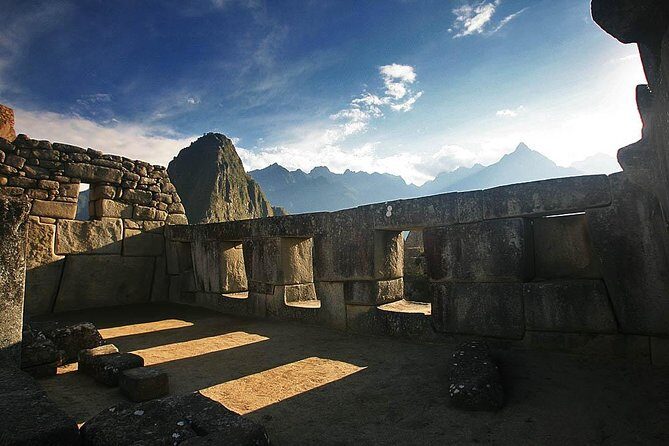
The Temple of the Three Windows is described as a large lithic structure with three walls: a long main wall with three large windows orientated east, and two shorter lateral walls meant to support the main roof beam.
You’ll also hear that there are many theories about why it has three windows, and that theories come from ancient chronicles plus Inca-linked interpretations. One highlighted idea is tied to Hiram Bingham, who believed the three windows symbolized where the Incas originated.
Architectural detail + interpretation is what makes this stop worth doing with a guide. Without help, it’s easy to focus only on the window shapes. With help, you start asking the right question: what did the builders want people to feel and understand?
The Main Temple features and ceremonial niches
The tour also includes a description of the main temple structure: a rectangular building with two lateral walls and one rear wall, built on a base of large stones and supported by precisely carved smaller stones.
A very specific detail is included: a total of 17 trapezoidal-shaped niches, likely used for ceremonial offerings. The rear wall also has six large stone pegs, probably used to hang decorations or aid rituals.
This kind of detail is exactly why a guide-led route feels different. You’re not guessing what all those odd shapes were for.
Sacred Plaza: altars and a view toward the Vilcantoa Valley
The Sacred Plaza sits on the far western side of the Urban Sector and is elevated. It’s described as home to three important buildings: the Main Temple, the Three Windowed Temple, and the Priest’s House.
Inside the plaza, you’ll be shown three mysterious stones:
- a large low flat stone thought to be an altar
- a smaller taller quadrangular block also thought to be an altar
- a rhombus-shaped stone whose corners point to the four cardinal points
And then there’s the practical payoff: the view from the rear of the Sacred Plaza includes the Vilcantoa Valley and mountain range. You can even see the start of a modern hydroelectric plant near the river.
That contrast—ancient purpose in front of a modern valley—makes it easier to situate the site in real life. Not just as a postcard, but as part of an inhabited region.
Price and value: $57.70 plus one important ticket reality
At $57.70 per person, this tour looks like a good deal if you care about understanding what you’re seeing. The guide-led structure helps you compress a lot of meaning into a short visit.
What you should note: the admission ticket to Machu Picchu is not included. The operator says they’re experts at getting you the right ticket, which is helpful because Machu Picchu tickets can be the most annoying part of planning.
Here’s how I’d think about value:
- You’re paying for a professional, licensed guide plus fluent language support.
- You’re also getting a structured route through major ritual and architectural highlights, plus photo stops.
- The included mobile ticket and the pre-visit briefing reduce the “confusion tax” that can ruin a visit.
If you already have tickets handled and you want context—not just photos—this is a sensible purchase.
Logistics that matter on the ground: group size, weather, and timing
This is described as a private tour/activity, meaning only your group participates. At the same time, there are group discounts mentioned. If you’re traveling with friends or family, it’s worth checking how that price changes when you book as a group.
Weather is a big factor at Machu Picchu, and this experience is listed as requiring good weather. If it’s canceled due to poor weather, you’ll be offered a different date or a full refund. That’s the sort of safeguard you want for a fixed-site visit.
Duration is listed as about 2 hours 30 minutes, though the stop list includes multiple segments. In practice, that usually means you’ll get coverage of the key zones rather than lingering forever at one spot. If you like a tight plan where you don’t feel lost, that matches this style.
Who should book this Machu Picchu guide
This tour is a strong fit for you if:
- you want to understand why the site was built and used
- you care about seeing the major named landmarks inside Machu Picchu (not only the first viewpoint)
- you like structured photo stops and learning as you go
- you want English or Spanish support from a licensed professional
It may be less ideal if you mainly want free time to wander, with no guided interpretation. This experience is designed to teach you the site’s main ritual and architectural story.
Should you book this tour?
If your goal is to walk away feeling like Machu Picchu is readable—not just breathtaking—then yes, book it. The guide component is the whole point: fluent language, licensed professionalism, and a route that connects major places like Roca Sagrada, Intihuatana, and the Temple of the Sun to meaning you can remember.
Just go in knowing the entrance ticket isn’t included. Handle that early, and you’ll keep the day calm. Also keep an eye on weather, because that can control whether your date works.
FAQ
FAQ
Is the Machu Picchu entrance ticket included in this tour price?
No. The admission ticket to Machu Picchu is not included. The operator notes they can help you get the ticket.
How long is the guided tour?
The experience is listed at approximately 2 hours 30 minutes.
Do I get a briefing the night before?
Yes. There’s a briefing at your hotel in the Machu Picchu area at 7pm the night before.
What languages does the guide speak?
The tour includes a fluent English-speaking or Spanish-speaking professional Machu Picchu guide.
Is this a private tour or a group tour?
It’s described as private, meaning only your group participates. Group discounts are mentioned as well.
Where does the tour start and where does it end?
The meeting point is Muro de la Ciudad, 08680, Peru. The tour ends inside the Machu Picchu Sanctuary, so you can keep visiting after the guided portion.
What happens if the weather is poor?
This experience requires good weather. If it’s canceled due to poor weather, you’ll be offered a different date or a full refund.
Can I cancel and get my money back?
No. The experience is non-refundable and cannot be changed for any reason, so cancellations won’t be refunded.