REVIEW · CUSCO
Sacred Valley of the Incas Tour with Moray & the Salt Mines
Book on Viator →Operated by Machu Picchu Tours · Bookable on Viator
Cusco to the Sacred Valley starts early for a reason. This small-group tour hits the big Inca sites with a bilingual guide and a buffet lunch in Urubamba, so you get both context and fuel. The main trade-off: the day can feel fast-paced, with quick photo stops and occasional shop time.
I like that the flow makes sense—starting with hilltop Pisac views, then down into the river valley for lunch, then on to Ollantaytambo, and finally the agriculture and salt stops at Moray and Maras. You’ll also end back in Cusco near Plaza Regocijo, which makes it easy to roll straight into dinner plans. If you prefer lingering at ruins, go in ready to move.
In This Review
- Key takeaways from the Sacred Valley day
- A 7:00 AM Sacred Valley start that actually helps
- Cusco to Pisac: the Taray viewpoint and hilltop Inca drama
- Urubamba lunch: a included break that keeps the day from collapsing
- Ollantaytambo: town planning, ruins between ruins, and a real transport hub
- Moray: the Inca agriculture lab you can actually picture
- Maras salt mines: traditional solar evaporation in a surreal patchwork
- Chinchero: textiles, a white church, and Inca engineering in plain sight
- Price, tickets, and whether $99 makes sense for your day
- The guide and the group: what to expect from the people part
- Getting the most out of the day (without fighting it)
- Should you book this Sacred Valley tour?
- FAQ
- What time does the tour start, and where do I meet?
- Where does the tour end?
- What’s included in the price?
- Are entrance tickets included?
- How big is the group?
- What sites are visited during the day?
Key takeaways from the Sacred Valley day
- Max 9 travelers keeps it more personal than the giant buses
- Moray’s circular terraces explain how Incas tested crops using temperature differences
- Maras salt mines let you see traditional solar evaporation salt farming in action
- Urubamba buffet lunch is included, which helps keep the day actually relaxing
- Chinchero’s textile focus adds a less-touristy cultural stop with farming terraces and water channels
- Some stops may feel commercial if you’re not in the mood to shop during tight timing
A 7:00 AM Sacred Valley start that actually helps
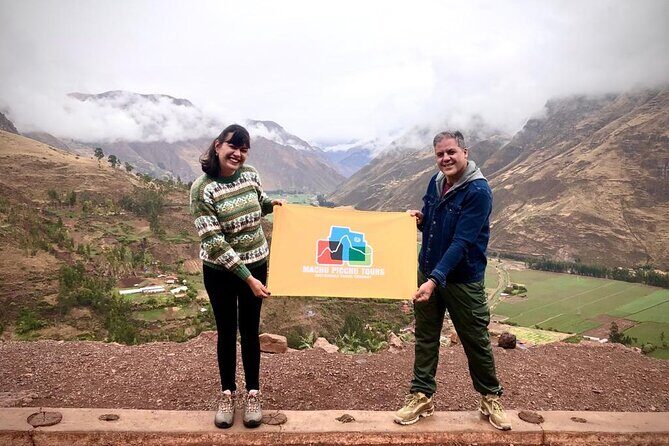
Your day begins at 7:00 AM with pickup from Plaza Regocijo in Cusco. From there, you travel by private transport through the Sacred Valley, moving site to site without the hassle of figuring out buses or schedules on your own. The tour runs about 9 hours total, and it’s designed as a full-day sampler.
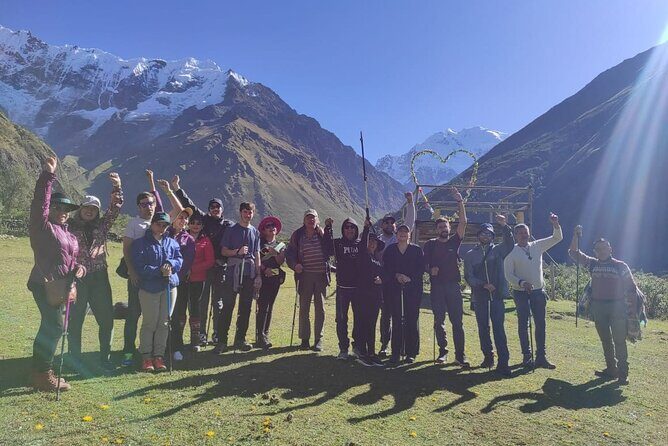
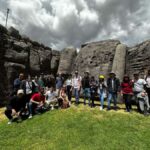
Small group size matters here. With a maximum of 9 travelers, it’s easier to ask questions, hear your guide clearly, and avoid that constant shoulder-to-shoulder bottleneck you get with bigger tours. It also makes the day feel less like a checklist and more like a guided walk through a region with rules, rhythms, and geography.
One word of advice: start hydrating the night before. Cusco altitude plus a long day of riding and walking means you’ll enjoy everything more if your body is ready for it.
You can also read our reviews of more tours and experiences in Cusco.

Cusco to Pisac: the Taray viewpoint and hilltop Inca drama
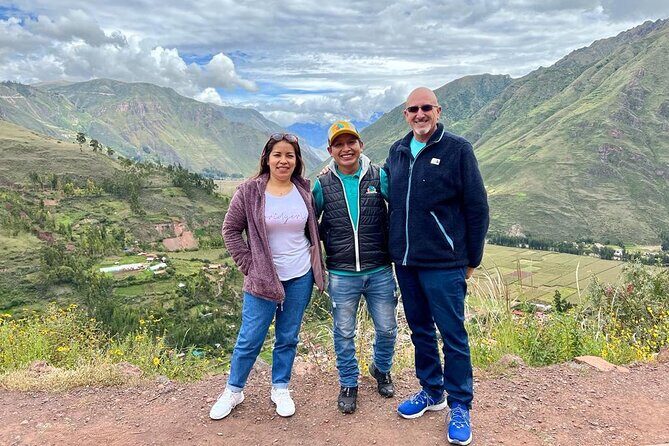
First stop is Pisac. Along the way, there’s a quick stop at a viewpoint near Taray, where you can see the valley below—especially the Urubamba River threading through villages. It’s one of those moments where you suddenly understand why the Sacred Valley was such a power center: water, routes, and farmland all line up.
Pisac itself is a major Inca complex perched above the town. You’ll drive up to the main entrance, then your local expert guide brings it to life. You’re looking at built-up stone areas that work with the terrain, and your guide’s job is to connect what you’re seeing to how Incas organized space—on hillsides, near routes, and above settlements.
After the guided portion, you go down toward Pisac’s main plaza. On weekends, those narrow cobblestone streets can fill with local sellers and handicrafts. That’s a good chance to browse without feeling like you’re trapped in a market stop.
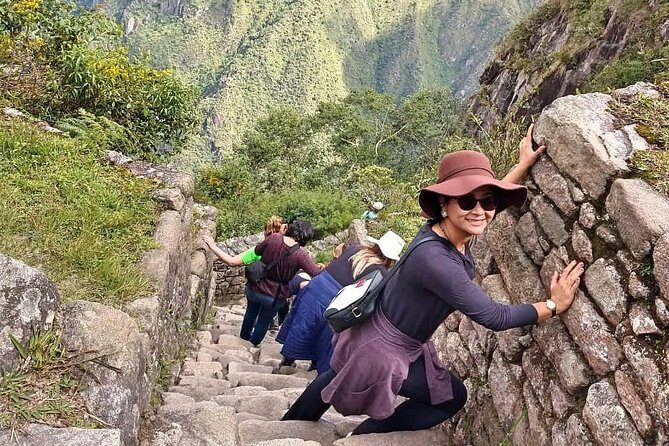
Practical note: Pisac is visually rewarding, but it also means some uphill walking and stairs. Comfortable shoes aren’t optional.
Urubamba lunch: a included break that keeps the day from collapsing
Once you’ve had your fill of Pisac, the tour heads to Urubamba, the lowest part of the Sacred Valley. This is the lunch window, and it’s a complimentary buffet lunch at a local restaurant.
Why this matters for value: you’re already paying for a day that includes multiple archaeological areas, plus a lot of driving. Having lunch included means you don’t spend your limited time hunting food options, and you’re less likely to end up eating something disappointing just because you’re hungry and rushed.
If you’re sensitive to spice or altitude food changes, buffet lunches are usually the safest bet because you can choose what sits best with your stomach. Eat at a comfortable pace—then you’ll be ready to pay attention again when the Inca sites start stacking up.
Ollantaytambo: town planning, ruins between ruins, and a real transport hub
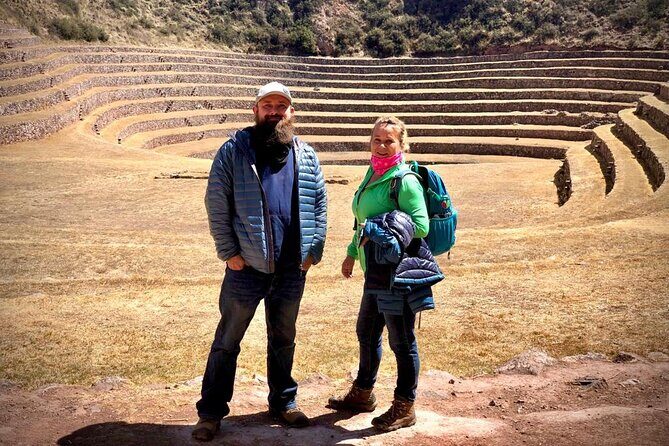
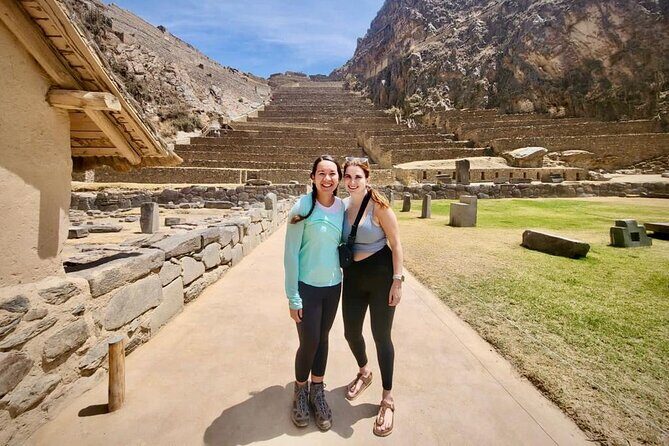
Next up is Ollantaytambo, one of the most important places in the Inca empire. This isn’t just about big ruins in open space. It’s also about how the town was organized and how Inca planners shaped daily life.
Here’s the part that tends to stick: the village is sandwiched between two Inca ruins. That makes it feel like the settlement grew with the ruins rather than sitting beside them. You can also see how the built environment guides movement—paths, stonework, and the way structures relate to the surrounding hills.
Ollantaytambo has another practical significance: it’s also where you board the train to Machu Picchu and the Inca Trail. Even if your day tour is focused on the Sacred Valley, knowing that Ollantaytambo is part of the wider route network helps you connect your day to what comes next in Peru.
Timing check: the tour includes time for this stop, but the day can still feel compressed. If you love long ruin walks, focus on the moments your guide explains most clearly and don’t expect a slow wandering pace everywhere.
Moray: the Inca agriculture lab you can actually picture
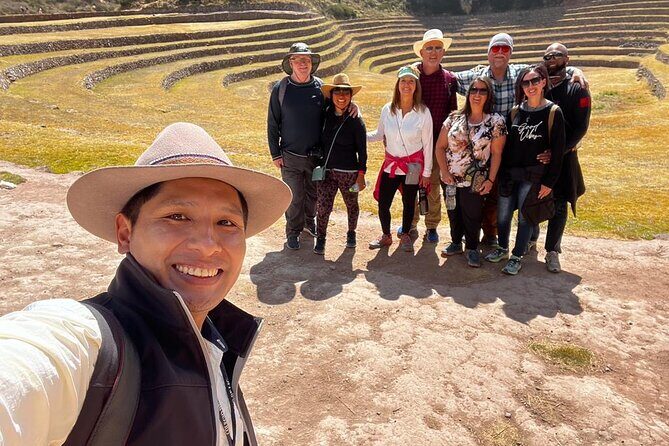
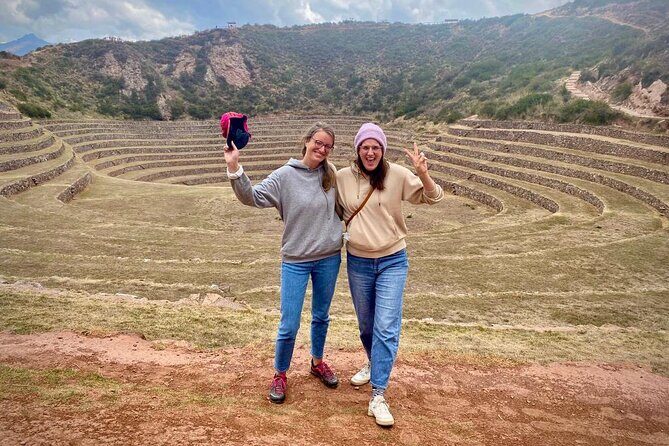
After Ollantaytambo comes Moray, famous for its circular agricultural terraces. These aren’t just pretty curves for photos. Your guide explains how Moray functioned like an agricultural laboratory for Incas—using different temperatures across levels to test what could grow best.
The concept is simple, and that’s the beauty: each terrace level has a different microclimate, so the Incas could experiment with crops based on weather and exposure. If you’ve ever wondered how an empire adapted farming to mountain reality, Moray is the kind of site that turns theory into something visual.
You’ll want to bring your attention here, because the value is in the explanation. The terraces are impressive, but the real payoff is understanding how this was used to solve food and timing problems.


Maras salt mines: traditional solar evaporation in a surreal patchwork
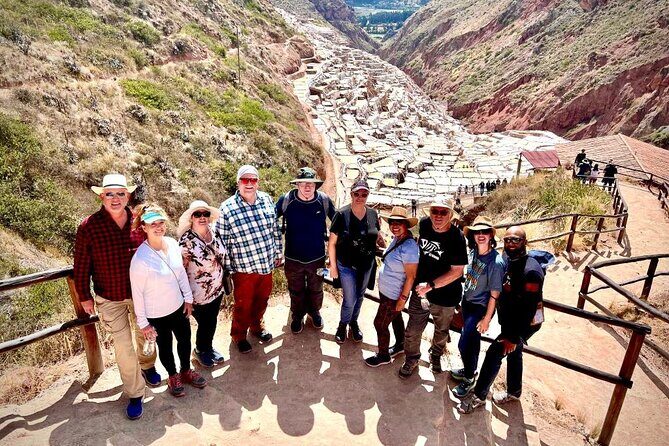
Then you head to Maras, known for the salt mines. This is where the day can become genuinely memorable because the salt-making isn’t historical cosplay. Locals continue the traditional method of solar evaporation salt farming, and you’ll hear how it’s been passed down through generations.
If you’ve only seen salt in a jar, Maras gives you the scale and mechanics. The scene is a patchwork of small ponds reflecting light under the sun, arranged like a living system. The guide’s explanation helps you understand what you’re seeing beyond the visual pattern.
Entrance fees apply here: the tour lists Maras entrance as 10 Soles, separate from the general site tickets. Plan cash or know you’ll need to cover extra costs to avoid stress at the start of the salt stop.
Chinchero: textiles, a white church, and Inca engineering in plain sight
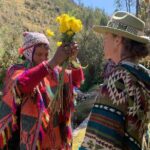
You’ll finish at Chinchero, a village that’s often overlooked compared with the louder names. This is the stop with an Andean textile focus, and it adds a different angle to the Sacred Valley story—craft traditions, local farming, and cultural continuity.
Chinchero is also known for a whitewashed church that was once a royal palace of Incan emperor Pachacutec. Whether you’re into architecture or not, it’s a useful reminder that Inca-era sites didn’t vanish overnight. They were reworked, repurposed, and layered over time.
Another detail that’s worth paying attention to: Chinchero has fertile soil, and during the Inca civilization, Pachacutec’s leadership brought many farming terraces. Even if you don’t fully measure them, the water channels show the engineering logic behind the farmland—how water was controlled and distributed to support growing seasons.
This last stop is ideal for winding down with meaning. You’ve already seen the big political sites, so Chinchero feels more personal and human-scale.
Price, tickets, and whether $99 makes sense for your day
The advertised price is $99.00 per person for about 9 hours. That includes roundtrip transport, a bilingual local guide, and buffet lunch in Urubamba. For a day with multiple Sacred Valley stops, this is often what makes the tour feel fair: you’re not only paying for tickets—you’re paying for time saved and interpretation along the way.
The key catch is entrances: archaeological site tickets are not included. The tour lists about USD 20 (70 Soles per person) for site entrances, and Maras entrance is 10 Soles. So if you’re budgeting tightly, treat the day as roughly $99 plus those entrance costs.
My value take: you’re paying for convenience plus guiding. If you’re comfortable buying tickets yourself and you enjoy self-paced travel, you could potentially do it cheaper. But if you want the day to run smoothly and learn what you’re actually looking at—Moray’s agriculture logic and Maras’s salt process, for example—this kind of guided structure is where the money tends to pay off.
Also consider pacing. One experience felt packed, with shorter time at each stop and a sense that some time was used for shop stops selling silver, alpaca clothing, and snacks. That doesn’t make it bad, but it can change the vibe. If you’re the type who wants maximum minutes at ruins over browsing, go in with your expectations tuned.
The guide and the group: what to expect from the people part
You’ll be traveling with a small group (maximum 9 travelers), and you’ll have a bilingual local tour guide. That language support matters in Peru because good context makes the stones far more interesting than they would be with only signage.
Some guides are praised specifically for personality and patience. Julio, for instance, was described as kind and patient—taking time to explain each attraction and answer questions. Another highlight in the same spirit is Adolfo’s energy and helpfulness, which helped make the day feel smooth and enjoyable. Add in drivers like Luis, who were described as attentive and safety-focused, and you get the sense that the logistics side is taken seriously even when the day moves fast.
Getting the most out of the day (without fighting it)
This is a long day with multiple stops, so the best strategy is mental, not physical. Pick what you want most: a deeper feel for Inca agriculture and salt-making, or maximum time for photos and drifting.
If pacing feels tight, anchor your attention. At Moray, listen for the temperature-by-level idea. At Maras, focus on the solar evaporation process and how it’s still done traditionally. At Chinchero, keep an eye on the water channels and terraces so you can connect farmland to engineering.
And if you’re not in the mood for shopping, you’re not required to participate. Just treat those moments as breaks, not as part of the core sightseeing.
Should you book this Sacred Valley tour?
Book it if you want a guided Sacred Valley day that covers the major names—Pisac, Ollantaytambo, Moray, Maras, and Chinchero—with Urubamba lunch included and a small group size that keeps the day from turning into a cattle lineup. The Moray and Maras stops are where the explanation can really change what you see.
Skip or think twice if you hate rushing. If you’re the type who wants long, quiet ruin time with no shop stops, you may find the schedule feels crowded. Also budget for the extra entrance fees (especially for Maras).
If your goal is to see the region’s big ideas in one day and come away understanding what the Incas were doing beyond building stones, this tour fits well.
FAQ
What time does the tour start, and where do I meet?
You start at 7:00 AM at Plaza Regocijo in Cusco.
Where does the tour end?
The tour ends back at the meeting point in the Cusco area (Plaza Regocijo, near Plaza de Armas).
What’s included in the price?
The price includes roundtrip transport, a bilingual local tour guide, and a buffet lunch in Urubamba.
Are entrance tickets included?
No. Archaeological site tickets are not included (about USD 20 / 70 Soles per person). Maras entrance is also not included (listed as 10 Soles).
How big is the group?
The maximum group size is 9 travelers.
What sites are visited during the day?
You’ll visit Pisac, Urubamba (for lunch), Ollantaytambo, Moray, Maras salt mines, and Chinchero.