REVIEW · CUSCO
From Cusco: Sacred Valley & Machu Picchu 2-Day Tour by Train
Book on GetYourGuide →Operated by FLY CUSCO PERU Travel Agency · Bookable on GetYourGuide
Two days, one world-famous ruin, and lots of Cusco. What makes this tour hit the sweet spot is the tight small-group setup (max 10) paired with real hand-holding on both days, from door-to-door pickup in Cusco to guided time at Machu Picchu with guides such as Victor and Carlos. I also love that you get a full Sacred Valley day with stops that feel connected, not random.
The one thing to plan for: this is non-refundable and the operator requires detailed passport information soon after you reserve. If you’re the kind of planner who waits until the last minute, this may feel a bit strict.
In This Review
- Key highlights worth caring about
- Why this Cusco-to-Machu Picchu train plan works
- Day 1 in the Sacred Valley: Chinchero to Ollantaytambo
- Chinchero: alpacas, weaving, and a quick reality check
- Moray: Inca terraces as an agricultural experiment
- Maras Salt Mines: the famous salt ponds photo moment
- Urubamba lunch: buffet with vegetarian options
- Ollantaytambo: ruins, terraces, and the train gateway
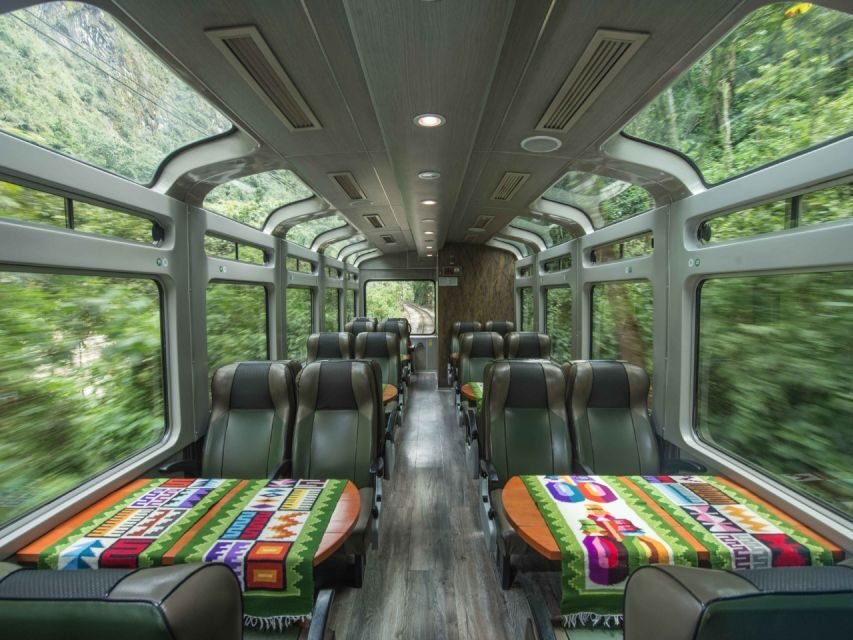
- The train to Aguas Calientes: views plus one real advantage
- Normal vs Vistadome 360° panoramic
- When the train is delayed
- Night in Aguas Calientes: free afternoon, then a guided start
- Your hotel: what you can realistically expect
- Day 2 Machu Picchu: circuit 1/2/3 with a guide
- The guide effect: Carlos, Martin, and the pacing
- Lunch and return to Cusco
- Price and value: is $499 actually a fair deal?
- Where to fit this into your Peru plan
- What to bring (and what to leave behind)
- Who this tour suits best (and when to skip it)
- Should you book this Cusco to Sacred Valley and Machu Picchu 2-day train tour?
- FAQ
- Is the Sacred Valley entrance ticket included?
- What train options are available?
- How big is the group?
- Is hotel lodging included?
- What meals are included?
- Do I need to provide passport details?
- Are there age or pregnancy restrictions?
- What’s the biggest practical thing to pack?
Key highlights worth caring about
- Max 10 people: you’ll get more time to ask questions and take photos without feeling herded.
- Door-to-door transfers in Cusco: the first big stress goes away before you even leave your hotel.
- Guided Sacred Valley with real stops: Chinchero, Moray, Maras salt ponds, Urubamba lunch, then Ollantaytambo.
- Train choice matters: you can book a normal train or the Vistadome 360° panoramic style for the ride.
- Machu Picchu circuit is guided: you visit the site with an English-speaking guide and bus tickets included.
- Overnight in Aguas Calientes: you’re not sprinting back and forth all day; you get a free afternoon.
Why this Cusco-to-Machu Picchu train plan works
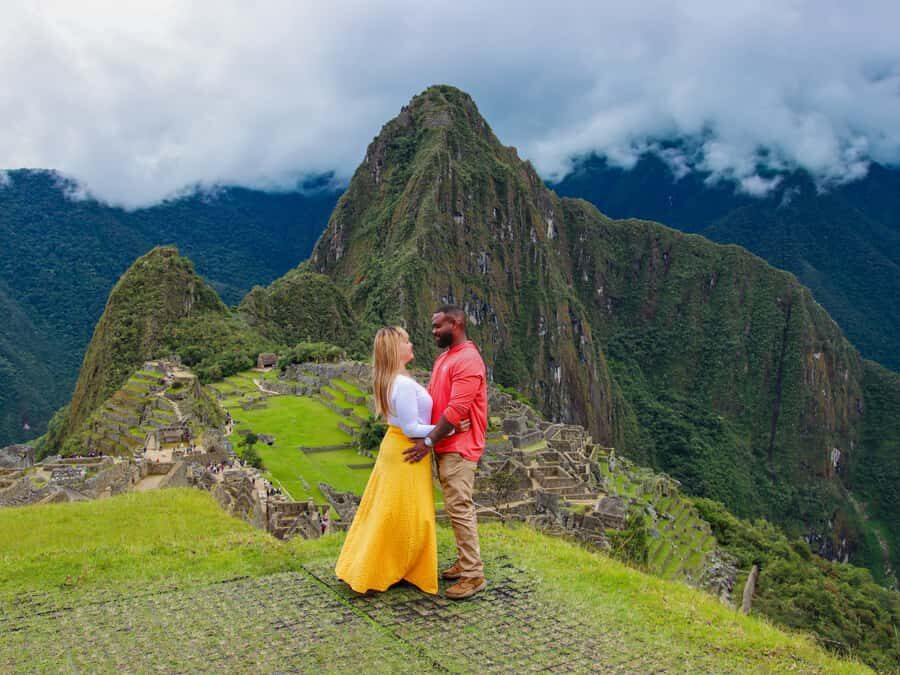
Machu Picchu is the headline, but the best part is how this tour stitches it together. Instead of treating the Sacred Valley as a box you tick, the schedule builds a flow: textile traditions, Inca agriculture, salt production, then the fortress-road town of Ollantaytambo. That gives you context before you ever step into the Historic Sanctuary.
I also like the way logistics are handled. You get door-to-door service in Cusco, transfers between key points, round-trip train tickets from Ollantaytambo to Aguas Calientes, and bus tickets for the Machu Picchu shuttle. When the moving parts are managed for you, you can spend your energy on the views, the photos, and the explanations.
You can also read our reviews of more tours and experiences in Cusco
Day 1 in the Sacred Valley: Chinchero to Ollantaytambo
Day 1 starts early in Cusco. After breakfast, pickup is built in from your hotel (with a stated start around 7:45 AM). Then you’re on the road into the Sacred Valley with a guide and comfortable, modern transportation.
Two practical wins happen right away:
- You get early light for photos at the salt ponds and ruins later in the day.
- You don’t have to figure out local timing between stops. Your guide does the stitching.
Chinchero: alpacas, weaving, and a quick reality check
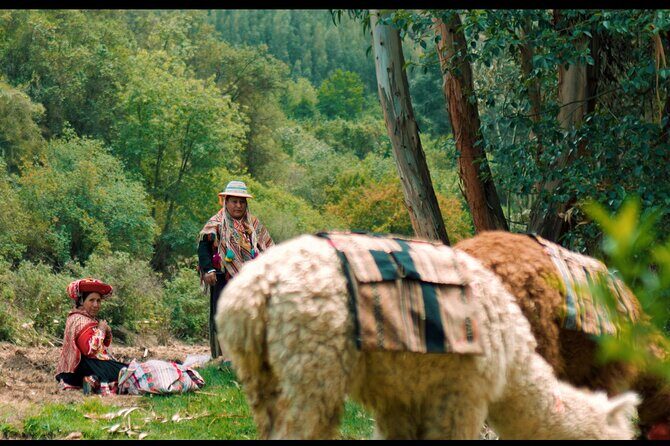
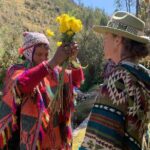
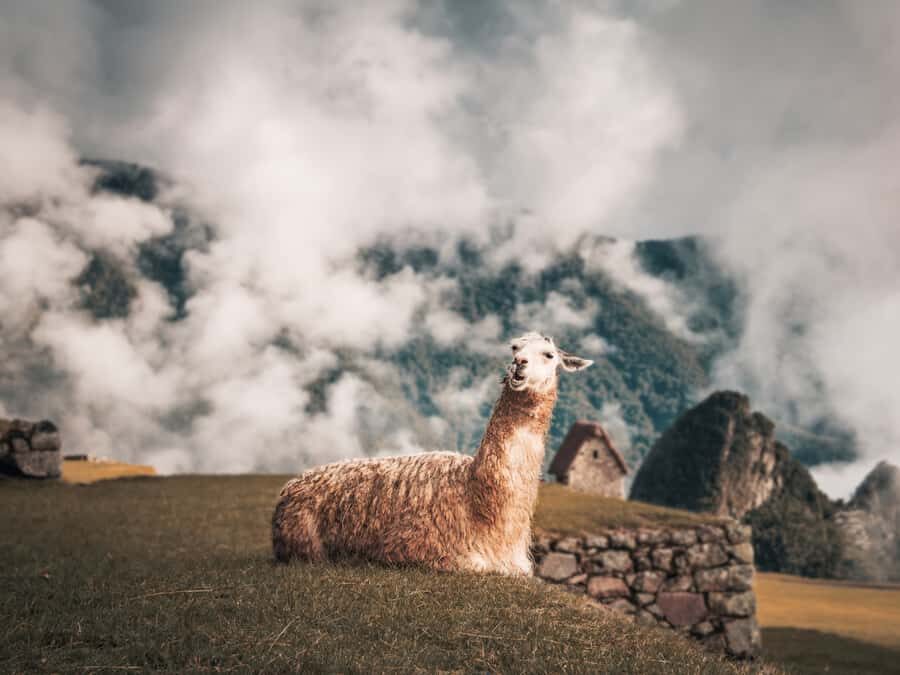
Chinchero is your first true culture stop. You’ll visit a local family who keeps weaving traditions going, and you can meet the alpacas and llamas they raise (there’s even the option to give them breakfast). It’s a small window into how textiles connect to daily life, not just souvenirs in a market stall.
The itinerary gives you a mix of guided time plus short free time and shopping (about 30 minutes). That balance matters because it lets you buy what you actually like instead of rushing through a sales pitch.
Moray: Inca terraces as an agricultural experiment
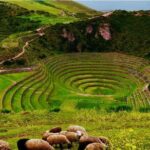
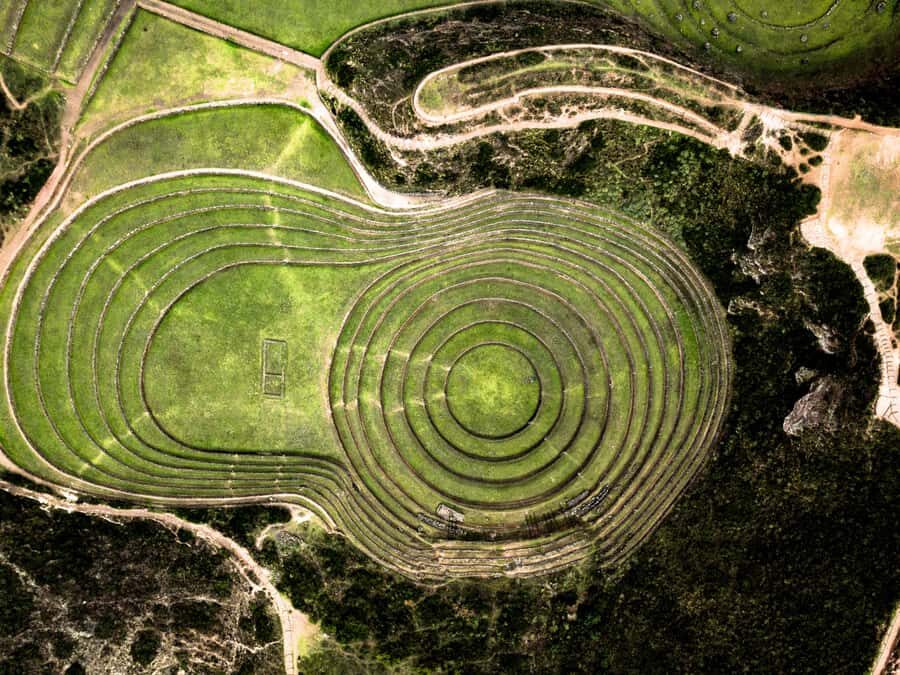
Next comes Moray Archaeological Park. This is where the tour makes a smart shift from “pretty ruins” to “why it mattered.” Moray’s terraces are explained as an agricultural laboratory, created to mimic different climatic zones. Your guide will help you see the terraces as technology, not just stone steps.
You get a photo stop and guided walk, with around 45 minutes total. The drawback here is altitude: the walk isn’t long, but you may feel it. Bring a jacket and take breaks when you need to.
Maras Salt Mines: the famous salt ponds photo moment
At Maras Salt Mines, you stand in front of thousands of salt ponds still in use. This is one of those stops where your brain goes quiet for a second because the geometry is so striking.
You’ll get a guided experience and time to walk, with about 45 minutes at the stop. Your guide can also help you with the photo from the right angle. Just know it’s a working area: you’ll want comfortable shoes because the ground can be uneven.





Urubamba lunch: buffet with vegetarian options
Then you head to Urubamba for buffet lunch at a Sacred Valley restaurant. Vegetarian options are available, and the lunch is typically a full sit-down break rather than a quick snack. The point of lunch here is timing: it resets you before Ollantaytambo and the train.
One caution: lunch is included, but water and other add-ons aren’t the same thing as a restaurant meal. You’ll get one bottle of water as part of the tour, but bring a reusable bottle so you’re not stuck buying small amounts all day.
Ollantaytambo: ruins, terraces, and the train gateway
Your final Sacred Valley stop is Ollantaytambo. The ruins and terraces here were protected because it helped control the road toward Machu Picchu. That’s why the day “clicks” emotionally: you’ve moved from daily life and production (weaving and salt) to Inca engineering, and now you’re at a place that functioned like a checkpoint.
You’ll have guided time plus a shorter break and photo time (roughly 45 minutes). You can also shop briefly. Then it’s on to the station to board your selected train.
The train to Aguas Calientes: views plus one real advantage

The train portion is included both ways: Ollantaytambo to Aguas Calientes and back. The ride time is about 1 hour 45 minutes each way, and your trip is supported by round-trip train tickets.
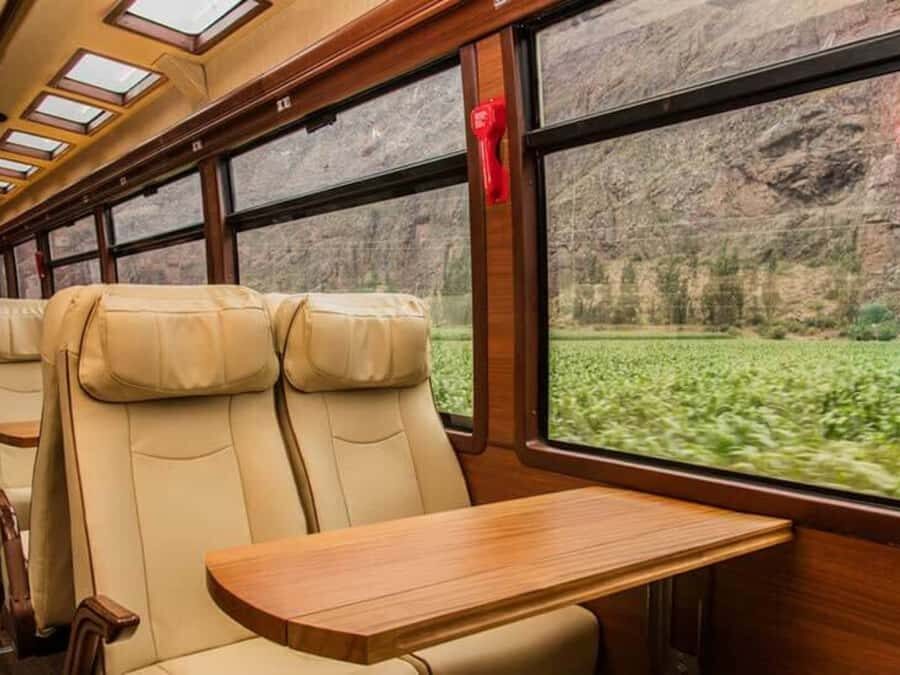
Here’s the practical reason the train option is worth caring about: it turns the journey into a calm stretch rather than a long bus grind. You get huge mountain views on the way, and when your schedule is already tight, that breathing room helps.
Normal vs Vistadome 360° panoramic
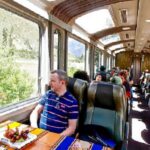
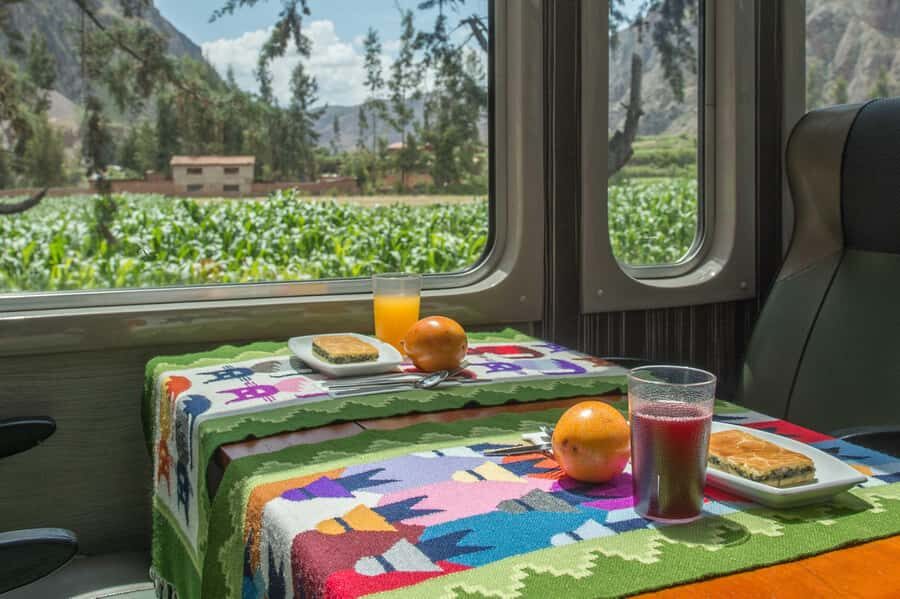
During booking, you can choose between a regular train or the Vistadome 360° panoramic style. If you’re a window-time person, the panoramic car is a smart upgrade. One bonus you may notice onboard: the vibe can be social, with people gathering in the first carriage for singing and dancing during part of the ride.
Even if you don’t care about that energy, the extra viewing area is genuinely useful on the way up and down because you can spot the changing terrain without craning your neck.
When the train is delayed
A train delay can happen in Peru, and this tour’s best behavior is that it still tries to take care of you. In at least one case, food and drinks were brought to the station when the return train was delayed. That matters because it keeps the delay from turning into an unpleasant waiting game.
Night in Aguas Calientes: free afternoon, then a guided start
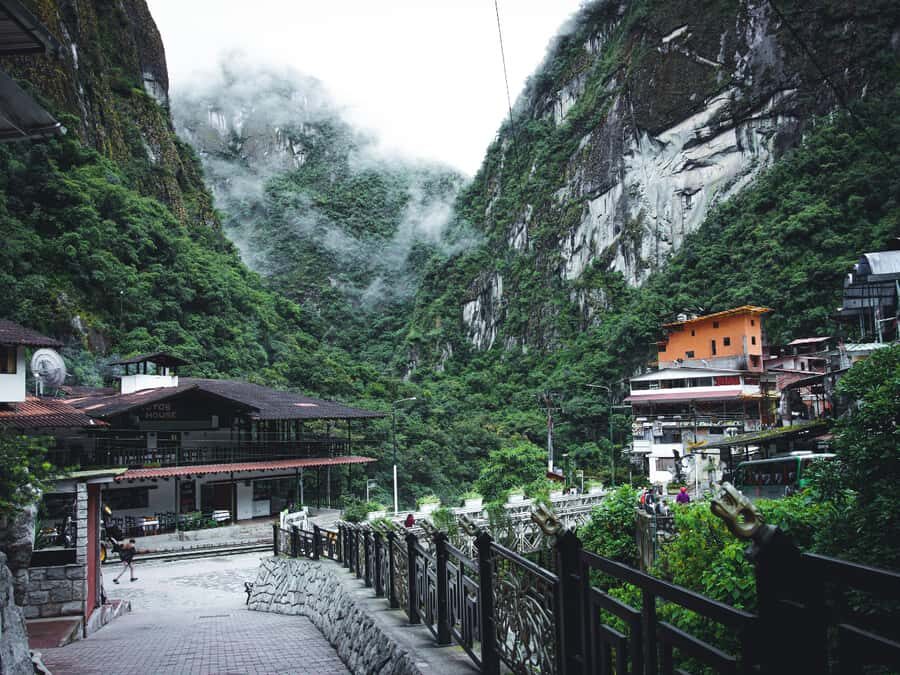
After the train arrives in Aguas Calientes around the early evening (the plan references about 6:10 PM pickup at the station), you check in and have the afternoon free.
This is where you can slow down. You can wander, grab a snack, and do a little planning for the next morning. Lunch on Day 2 isn’t included, so dinner and a low-key meal strategy can save you stress.
Your hotel: what you can realistically expect
You get one night in a hotel of your choice at booking (2-, 3-, or 4-star options). The exact property depends on what level you selected, and the Aguas Calientes hotels can feel more basic than you’d expect if you’re used to big-city standards.
For example, some 2-star options are listed as Pisonay Hotel (similar), while 3-star options include places like Inti Punku Machu Picchu Hotel and Suites or Gringo Bills (similar). If you’re picky about towels and room comfort, pick your star level carefully.
Day 2 Machu Picchu: circuit 1/2/3 with a guide
Day 2 starts with breakfast at your hotel, then a guided move to the bus station in Aguas Calientes. The bus takes you to the main gate of the Historic Sanctuary, where your visit begins.
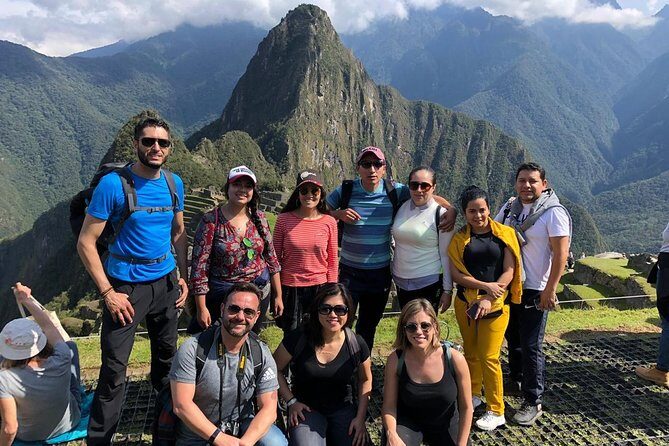
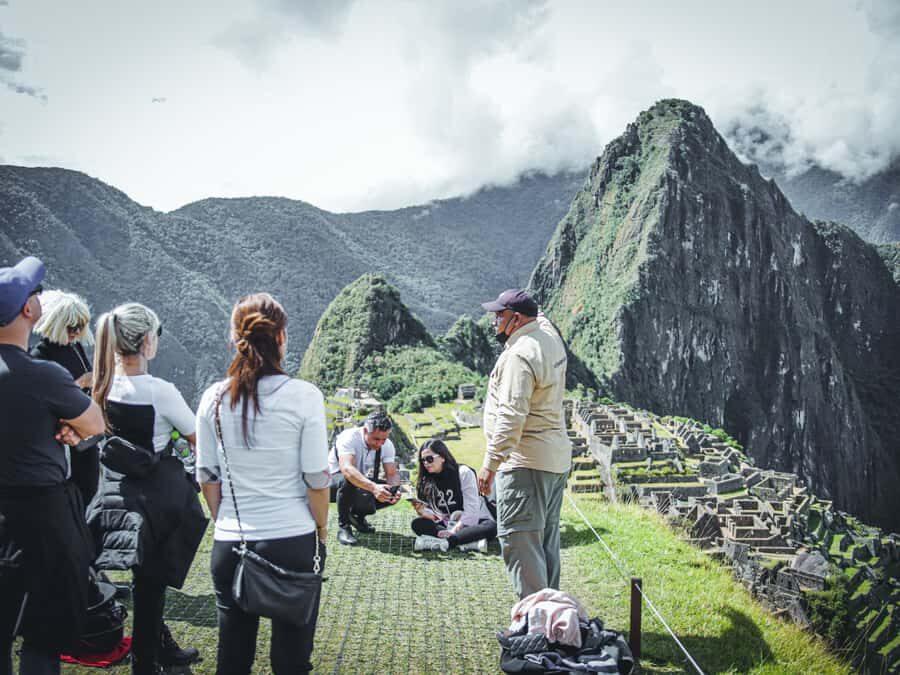
You’ll start with the classic photo viewpoint first, then head to the lower part of the site. The guide’s job is to make sense of the stonework and the layout, and that’s where the tour earns its keep: Machu Picchu can be overwhelming if you don’t know what you’re seeing.
The guide effect: Carlos, Martin, and the pacing
Guides named in the experience include Carlos and Martin. What stands out in the way this is described is how they guide the pace and the learning. One guide used visual references to help explain what you were looking at. Another guide helped keep the visit comfortable, even when weather shifted and rain moved in.
This tour also supports what you might call “photo discipline.” You get structured time at key points instead of free-floating confusion.
Lunch and return to Cusco
After the Machu Picchu visit, you bus back to Aguas Calientes. You’ll have time for lunch on your own (not included). Then you board the train back to Ollantaytambo, and transport meets you there to return to Cusco.
The itinerary notes an estimated Cusco arrival around 6:30 PM. Translation: you’re not getting home at midnight, which is a gift on a second full day.
Price and value: is $499 actually a fair deal?
At $499 per person for a 2-day package, the value depends on what you would otherwise pay to piece this together yourself.
Here’s what you’re getting included:
- Door-to-door pickup and drop-off in Cusco
- 1 night in a hotel in Aguas Calientes
- Buffet lunch in the Sacred Valley (with vegetarian option)
- Guided Sacred Valley day
- Guided Machu Picchu visit
- Round-trip train tickets (Ollantaytambo ⇄ Aguas Calientes)
- Round-trip Machu Picchu shuttle bus tickets (Aguas Calientes ⇄ Machu Picchu)
- Entrance ticket to Machu Picchu (circuit 1, 2, or 3 depending on availability)
- English-speaking guide and a bottle of water
What’s not included can affect your final cost:
- Sacred Valley entrance fee: 90 Peruvian soles in cash
- Wayna Picchu ticket (optional), requested a few months ahead if you want it
- Lunch on Day 2 (in Aguas Calientes) and any other meals not mentioned
- Tips (optional)
So is it worth it? If you want the main rail logistics solved, a guide for both days, and your Machu Picchu ticket sorted in advance, the bundle can feel like a bargain compared to individually arranging trains, buses, and entrance tickets on a tight schedule.
If you enjoy DIY travel and already have train timing and ticket strategy locked, you might find cheaper options. But you’ll trade away the stress reduction and guided context.
Where to fit this into your Peru plan
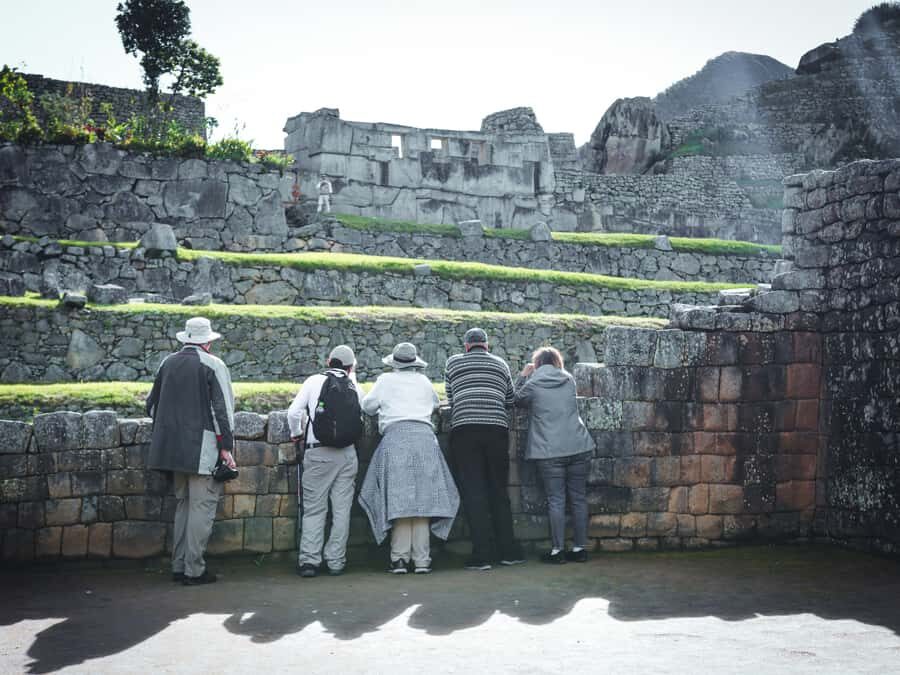
This tour is built for people who want a focused Machu Picchu experience without turning Cusco into a logistics puzzle.
If you’re short on time, it’s also efficient. Two days lets you see Sacred Valley highlights, get the train experience, sleep in Aguas Calientes, and still have a guided Machu Picchu visit without rushing every hour.
It’s not the best fit if you want lots of unstructured free time in Cusco or want to add extras like a long multi-day hike. The schedule is purposeful, so you’ll move.
What to bring (and what to leave behind)
The tour asks you to bring:
- Passport
- Comfortable shoes
- Sunglasses, sun hat, sunscreen
- Jacket (weather can shift)
- Insect repellent
- Reusable water bottle, power bank
- Comfortable clothes and a camera
And it also sets a clear rule: no luggage or large bags. Pack light. A small daypack is the safest move, and plan to store bigger items at your Cusco hotel.
Who this tour suits best (and when to skip it)
This is an active, high-altitude itinerary with walking, photo stops, and time at multiple sites. It’s a strong match for:
- People who like structured guidance
- First-timers to Machu Picchu who want context, not just viewpoints
- Anyone who values small group pacing (max 10)
It’s not suitable for:
- Pregnant women
- People over 95 years
- People over 70 years
Should you book this Cusco to Sacred Valley and Machu Picchu 2-day train tour?
Book it if you want Machu Picchu with guided meaning, a smooth train-and-bus plan, and you like the idea of learning how the Sacred Valley connects to what you’ll see at the ruins. The small-group cap, the door-to-door Cusco transfers, and guided stops like Chinchero, Moray, and Maras make the package feel like more than just a ticket to Machu Picchu.
Skip (or at least think twice) if you’re not ready to commit to non-refundable plans and you dislike sharing full passport details right after booking. Also, if comfort in Aguas Calientes hotels is your top priority, choose your star level thoughtfully and pack for basic conditions.
FAQ
Is the Sacred Valley entrance ticket included?
No. The entrance ticket to the Sacred Valley is 90 Peruvian soles in cash.
What train options are available?
You can choose between a normal train or the Vistadome 360° panoramic train for the Ollantaytambo to Aguas Calientes ride (and the return as booked).
How big is the group?
The tour is limited to a small group, with a maximum of 10 participants.
Is hotel lodging included?
Yes. You get a 1-night stay in a 2-, 3-, or 4-star hotel of your choice at booking in Aguas Calientes.
What meals are included?
Breakfast is included as part of your hotel stay, and there is a buffet lunch in the Sacred Valley. Lunch on Day 2 in Aguas Calientes is not included.
Do I need to provide passport details?
Yes. Passport details are required for the 2-day tour, including full name and passport ID, plus date of birth and nationality.
Are there age or pregnancy restrictions?
Yes. The activity is not suitable for pregnant women, and it’s restricted for people over 95 years and over 70 years.
What’s the biggest practical thing to pack?
Bring your passport and comfortable shoes, plus sun protection (sunglasses, hat, sunscreen) and a jacket. Large luggage is not allowed, so pack light.