REVIEW · CUSCO
4-Day Jungle Adventure to Machu Picchu: Biking, Ziplining, Rafting and Hiking
Book on Viator →Operated by Bamba Travel · Bookable on Viator
Machu Picchu comes with mud and speed. This 4-day jungle-to-ruins adventure mixes a steep downhill bike, whitewater rafting, canopy zip-lining, and then a sunrise Machu Picchu guide visit. I also love that most of the hard logistics are handled for you: you get accommodations, transfers, entrance access, and meals in between.
One thing to plan for: the “jungle” part comes with basic lodging and real-world comfort limits, like hot water (not guaranteed) and mosquitoes near riverside towns. If you want resort-level rooms and zero-day surprises, this route might feel a bit rustic.
In This Review
- Key highlights you’ll actually feel
- From Cusco to Santa Maria: biking the pass, then charging the Urubamba
- Santa Teresa trek: jungle mountains with a real pace break
- Zip-line day plus the railway walk to Aguas Calientes
- Machu Picchu at sunrise: guided temples, then your own pace
- Price and value: what $719 buys you, and what to budget
- Lodging and meals: practical comfort, not luxury
- Guides make the difference: when you get the right team, it feels safe
- What to pack (so Machu Picchu isn’t your only headache)
- Should you book this 4-day jungle adventure to Machu Picchu?
- FAQ
- What time do I need to be ready in Cusco?
- How fit do I need to be for this trip?
- Are entrance fees and meals included?
- Is Machu Picchu guided or self-guided?
- Do I have to pay extra for Huayna Picchu or the Machu Picchu mountain hike?
- Is the hot springs in Santa Teresa included?
- How do the transfers back to Cusco work?
- Can I get a refund if I cancel?
Key highlights you’ll actually feel
- Downhill mountain biking from Malaga High Pass (4,350m) with Huamanmarca Archaeological site along the way
- Urubamba River rafting (Class III & IV) so you get real rapids, not a lazy float
- South America’s highest canopy zip-line with long cable runs and high drops
- A trek that hits three different worlds: jungle mountains, railway walking, then the final push to Aguas Calientes
- Machu Picchu at sunrise with a 2-hour guided walk, then time to wander on your own
- Safety kit included (first aid plus emergency oxygen), plus a briefing before the big ride
From Cusco to Santa Maria: biking the pass, then charging the Urubamba
You start early in Cusco at 6:30 AM, heading out by van with a pre-departure briefing and a clear plan for the day. After a quick breakfast stop in Ollantaytambo, the route climbs into the Andes toward Malaga High Pass at 4,350 meters, which is high enough that you’ll feel the altitude.
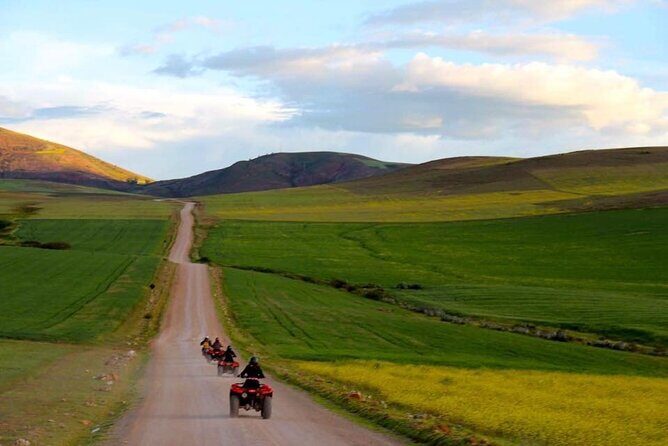
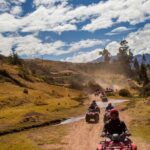
At the pass, you’ll get a proper safety briefing before the fun part: a 2.5-hour downhill mountain bike descent. This is not just a scenic ride. You’ll roll through shifting scenery, pass the Huamanmarca Archaeological site, cut by fruit plantations, and eventually reach areas where the route crosses jungle rivers.
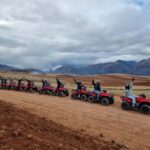
Then comes the second adrenaline chapter: 2.5-hour whitewater rafting on the Urubamba River (Vilcanota). Expect Class III & IV rapids, which means you’ll be working your core and hanging on through real river energy. If you’re not rafting, there’s time to explore Santa Maria on foot while the rest of the group goes for it.
You finish the day in Santa Maria in a basic guesthouse, with dinner included. This is one of those nights where you’ll likely crash fast, partly because you’ll earn it and partly because the next day starts moving again.
What to know before you pick this day: biking and rafting are a single-day combo, so your daypack should be set up for quick access to essentials. Also, if you’re prone to motion sickness, it’s worth planning for it ahead of time.
You can also read our reviews of more cycling tours in Cusco
Santa Teresa trek: jungle mountains with a real pace break
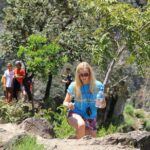
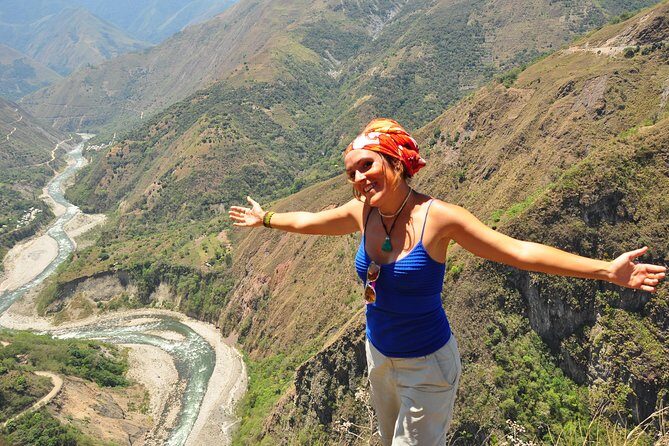
Day 2 slows down just enough to feel like recovery, but not enough to call it easy. After breakfast, you start a trek through jungle mountains with chances to spot local plants and wildlife along the way. The air feels fresher here, and the pace gives you time to look up and notice what you’d otherwise miss.
You’ll stop for a scenic lunch break, tucked into a picturesque spot on the trail. This matters because food and timing on trek days are usually where tours win or lose goodwill. Here, lunch is included, and you’ll have the fuel you need for the afternoon.
By afternoon you reach Santa Teresa, at 1,680 meters. You’ll settle into another simple guesthouse and have dinner included. There’s also an optional soak in the Hot Springs Santa Teresa area, but it costs PEN 20 extra.
This is one of the best days to think practically about gear. The trail and the region can feel damp, so your rain layer and traction matter. You’ll also want to keep your mosquito game strong. One tip that comes up again and again from people who’ve done this route: wear long pants for both hiking and zip-lining to reduce bites around the ground.
Zip-line day plus the railway walk to Aguas Calientes
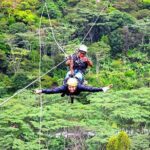
Day 3 is where the trip turns “adventure pack” in the best way. You begin with a zip-line canopy run that’s described as the highest canopy zip-line in South America. The cable system runs about 2,500 meters, with one of the longest rides around 400 meters, and a tall drop point around 150 meters above the forest floor.
If you’re afraid of heights, don’t pretend you’re not. This is high and fast enough that you’ll feel it. But if you can manage your breathing and keep your focus on the line in front of you, it’s also the kind of adrenaline that makes the rest of the day feel easier.
After the zip-line, you’ll walk for about three hours along the railway route toward the Hydroelectric Station. This part has its own charm: the track lines are obvious, and the path through cloud forest gives you a steady rhythm instead of constant steepness.
At the Hydroelectric Station, you get lunch included, then you continue with a three-hour hike to Aguas Calientes, the town that acts as the gateway to Machu Picchu. You can also take an optional train transfer from the Hydroelectric Station to Aguas Calientes for $32 if your legs are done.
Once you arrive in Aguas Calientes, you have time to reset. You’ll have a shower at your hotel, then you can wander cafés and local shops, play board games, or just rest. A lot of people feel that shift here: after biking, rafting, trekking, and zip-lining, Aguas Calientes becomes the place where you finally act like a tourist again.
Machu Picchu at sunrise: guided temples, then your own pace
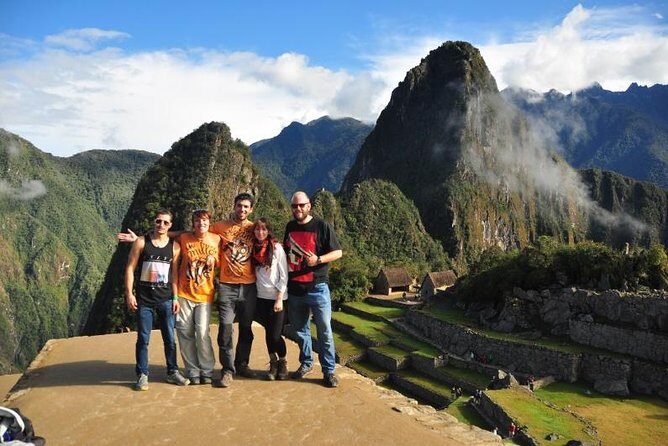
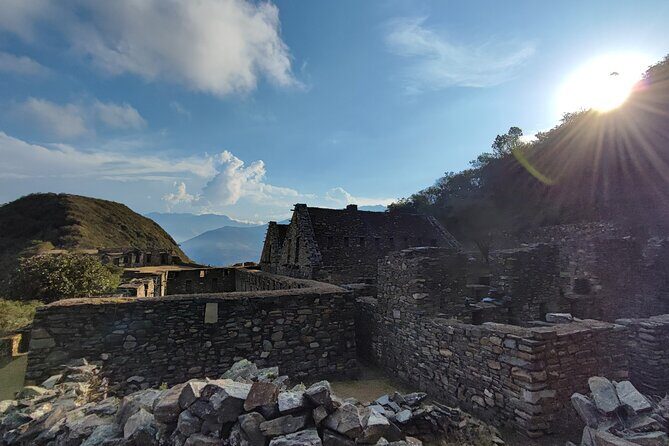
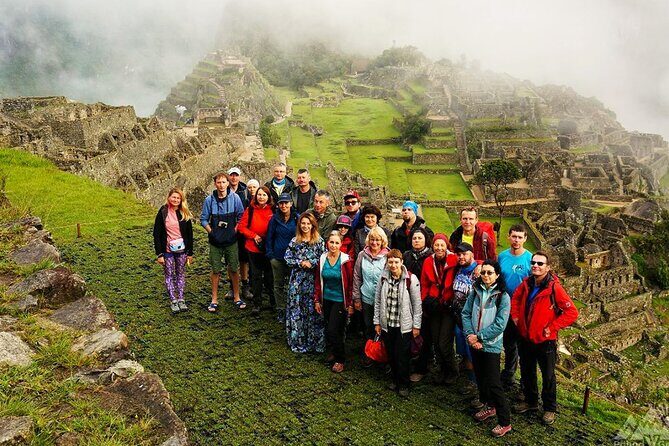
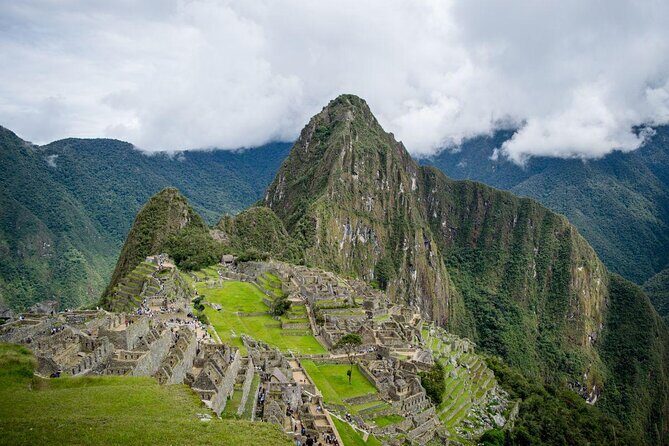
On Day 4, you’ll do an early bus ride up to Machu Picchu to catch the citadel before the biggest crowds. You’re aiming for sunrise light, with morning mist giving way to mountain views and stonework that looks different every few minutes.
You’ll then get a 2-hour guided tour through Machu Picchu’s temples, terraces, and sacred plazas. This is the part you’ll be grateful for later, because your guide helps you see what’s meaningful: the layout, the engineering logic, and why certain areas mattered to the Incas.
After the guided time, you’re free to explore on your own. This is where you can linger at your favorite viewpoints and take breaks without feeling like you’re holding up the group.
If you want an extra challenge, there’s an optional climb to Huayna Picchu, but you must book it at least two weeks in advance (50 soles). There’s also an optional Machu Picchu Mountain hike, which must be booked at least one week in advance (50 soles).
Then you’ll return down by bus to Aguas Calientes, with a bit of time for local market browsing if your schedule allows. The tour brings you back by train to Ollantaytambo and then bus to Cusco, arriving around 8:00 PM near Plaza San Francisco.
Price and value: what $719 buys you, and what to budget
At $719 per person, you’re paying for a full package that covers far more than “a ticket.” Included are 2 nights in basic guesthouses (Santa Maria and Santa Teresa) plus 1 night at a 3-star hotel in Aguas Calientes, most meals (breakfasts, lunches, dinners, and snacks), and key transport links that connect biking/rafting trekking with Machu Picchu.
It also includes the equipment for the active parts: mountain bikes, helmet and gloves, rafting gear, and the zip-line canopy activity. You’ll also have a bilingual guide for the trek and the Machu Picchu tour, plus a safety kit with first aid and emergency oxygen.
What you should plan to pay for separately:
- Day 1 breakfast and Day 4 lunch
- Bottled water
- Transfer days where a guide isn’t included (bus/train legs are on your own)
- Tips (optional)
- Hot springs entry in Santa Teresa: PEN 20
- Optional add-ons: Huayna Picchu (50 soles) and Machu Picchu mountain hike (50 soles)
- Optional train from Hydroelectric to Aguas Calientes: $32
At this price point, the biggest “value” isn’t just Machu Picchu. It’s that you’re getting multiple adventure activities in one coordinated route, with your transport and food handled so you’re not piecing together a dozen separate bookings.
You can also read our reviews of more hiking tours in Cusco




Lodging and meals: practical comfort, not luxury
This trip is built around basic mountain-town stays. Your first two nights are basic guesthouses, and people who’ve done this route sometimes report limited hot water. Some rooms can feel warm, and in humid areas, opening a window can invite mosquitoes—so don’t treat this as a laundry-and-lotion vacation.
Aguas Calientes is different. You’ll sleep in a 3-star hotel, and that night is a noticeably smoother landing after multi-activity days. Reviews also point out that hotel comfort and food can be better here than in the earlier villages.
Meals include 3 breakfasts, 3 lunches, 3 dinners, plus snacks with typical menus. In practice, that means you’ll be eating local restaurant food between active days. I’d treat water and snacks as something you should manage personally too, since bottled water isn’t included and prices can be higher along the route.
Guides make the difference: when you get the right team, it feels safe
This kind of trip lives or dies on who’s leading it. The tour provides a professional bilingual guide for the trek and the Machu Picchu visit, and that matters when the schedule includes altitude, river time, and early sunrise movement.
Past groups have praised specific guides by name, including Junior, Percy, Freddy, Rodrigo, and Vincent. The common thread is how they helped people feel safe during challenging moments and how they explained the Inca sites and the natural setting in a way that sticks.
If your group includes a strong leader, you’ll feel it in small things: clear safety briefings before the biking, calm support on the trail, and a guide who helps Machu Picchu stop feeling like just a photo spot and start feeling like a designed place.
What to pack (so Machu Picchu isn’t your only headache)
You’ll climb high, hike in humid areas, and ride and zip in places where weather can change fast. I’d pack like you’re going to get both hot and wet in the same day.
Bring or plan to rent in Cusco:
- Rain pants and a rain poncho
- Trekking boots plus warm socks
- A sweater/thermals, hat, and gloves for cold mornings
- Sunblock and sunglasses (high altitude sun is real)
- A flashlight/torch and extra battery power (there can be limited/no electricity during trek time)
- A waterproof bag for your camera
- A personal first aid kit and hand sanitizer
- Bathing suit if you plan to do the hot springs
Also bring some extra cash for small buys on the way, especially snacks and drinks, since prices can jump on the trail and bottled water isn’t included.
Should you book this 4-day jungle adventure to Machu Picchu?
If you want Machu Picchu plus real adventure days—downhill biking, rafting rapids, zip-lining, and a mix of hikes—this tour fits your style. The $719 price makes sense when you treat it as a bundle: you’re buying coordination, equipment, meals, and transport, not just a tour guide.
I’d think twice if you’re very picky about accommodation comfort. Basic guesthouses mean you should expect limited creature comforts, and the environment can bring mosquitoes and uneven hot water. This is a trip for people who can handle practical tradeoffs in exchange for action and the sunrise Machu Picchu experience.
If you’re booking an optional Huayna Picchu climb or the Machu Picchu mountain hike, plan ahead and follow the advance booking windows. Those extras can sell out, and you don’t want to arrive with “almost” permits.
If you’re ready for adrenaline, early mornings, and a guided Machu Picchu day that actually helps you understand what you’re seeing, this is a strong choice.
FAQ
What time do I need to be ready in Cusco?
The tour starts at 6:30 AM. You’ll have a pick-up from your Cusco accommodation.
How fit do I need to be for this trip?
You should have a moderate physical fitness level. The days include long hikes plus multi-sport activities like mountain biking, rafting, and zip-lining.
Are entrance fees and meals included?
Yes. The package includes meals (breakfasts, lunches, dinners, and snacks) and Machu Picchu entrance access as part of the included experience. Day 1 breakfast and Day 4 lunch are not included.
Is Machu Picchu guided or self-guided?
Machu Picchu is guided. You’ll have about a 2-hour guided tour, then time to explore independently.
Do I have to pay extra for Huayna Picchu or the Machu Picchu mountain hike?
Yes. Huayna Picchu costs 50 soles (book at least 2 weeks in advance). The Machu Picchu mountain hike costs 50 soles (book at least 1 week in advance).
Is the hot springs in Santa Teresa included?
No. Hot springs are optional and cost PEN 20 per person.
How do the transfers back to Cusco work?
After Machu Picchu, you return to Aguas Calientes by bus, then take the tourist train to Ollantaytambo, and finish with a bus back to Cusco, arriving around 8:00 PM.
Can I get a refund if I cancel?
No. This experience is non-refundable and cannot be changed for any reason.