REVIEW · CUSCO
Machu Picchu: 5-Day Salkantay Trek with Panoramic Train
Book on GetYourGuide →Operated by TreXperience · Bookable on GetYourGuide
Machu Picchu starts miles before the entrance. I love how this trek earns the finale—starting with Humantay Lake’s turquoise shock and finishing with a real guided moment at the citadel. I also like the balance of comfort and adventure: glamping for your first night, then proper camping as you get closer to Machu Picchu. The main drawback to plan for is altitude; the first push can feel tough even for fit walkers.
What makes this trip especially workable is the support system. You travel with a professional guide (English/Spanish), a small group capped at 16, and a team that handles logistics like food, porters, and safety gear (including an oxygen tank). Guides highlighted by past groups—Cesar Augusta, Jose, and Roger, among others—are known for keeping the day flowing and helping you pace through the hardest sections.
In This Review
- Quick hit highlights to know before you go
- Salkantay’s big advantage: you earn Machu Picchu the hard way
- Day 1: Cusco at 4:30 a.m., Humantay Lake, and first-night glamping at 4,150 m
- Day 2: Salkantay Pass (4,630 m) and the switch to cloud forest air
- Day 3: Pachamanca, coffee farms, and Llactapata’s Machu Picchu first sight
- Day 4: Hydroelectrica walk, Aguas Calientes hot springs, and getting ready for sunrise
- Day 5: Machu Picchu sunrise tour plus the Vistadome or 360° return to Cusco
- Camps, meals, and the mule/duffle system that keeps the trek sane
- Your money at $655: what’s included and what might cost extra
- Practical prep: packing limits, altitude reality, and the stuff that saves your trip
- Who this Salkantay-to-Machu Picchu trek is best for
- Should you book this Salkantay trek with panoramic train?
- FAQ
- What’s the pickup time in Cusco?
- How long is the trek?
- What train do I take back to Cusco?
- Are Huayna Picchu and Machu Picchu Mountain passes included?
- What kind of sleeping setup should I expect?
- How many meals and snacks are included?
- What safety features are included?
- What should I bring for Machu Picchu day?
Quick hit highlights to know before you go
- Humantay Lake at 4,200 m: turquoise views that make the early start feel worth it
- Salkantay Pass (4,630 m): the trek’s high point, then a long descent into greener air
- Llactapata camping with Machu Picchu in view: one of those rare “wait, that’s it over there” moments
- Pachamanca + coffee experience: cultural stops you don’t just watch, you take part in
- Panoramic train home (Vistadome or 360°): a smoother return after hiking for days
- Strong safety and comfort details: satellite phone, first-aid kit, sleeping pad, rain poncho, and mule support
Salkantay’s big advantage: you earn Machu Picchu the hard way
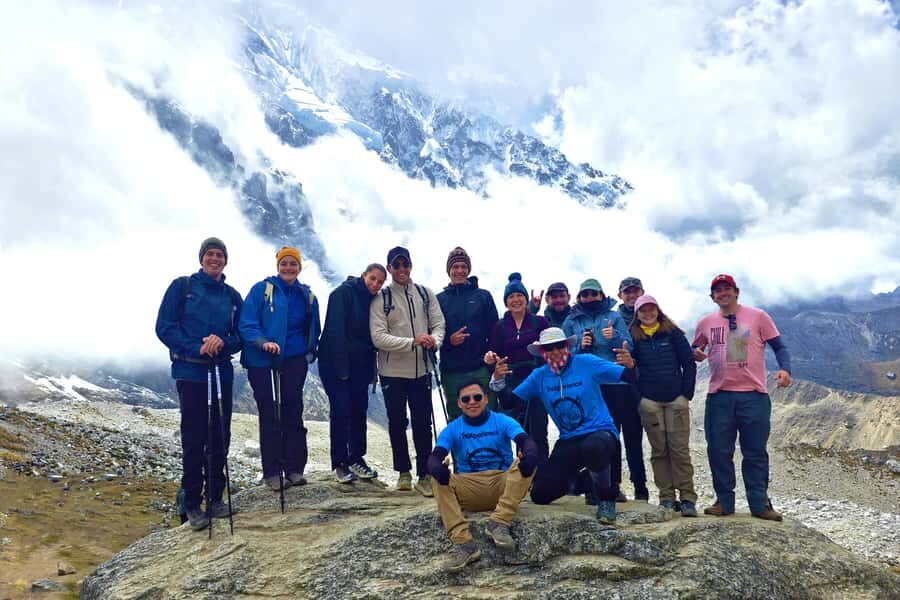
The classic way people picture Machu Picchu is a short bus ride and a ticket line. This trek flips that. You spend days moving through changing elevations and ecosystems, so Machu Picchu doesn’t land as a sudden photo spot—it feels like the finish line of a journey.
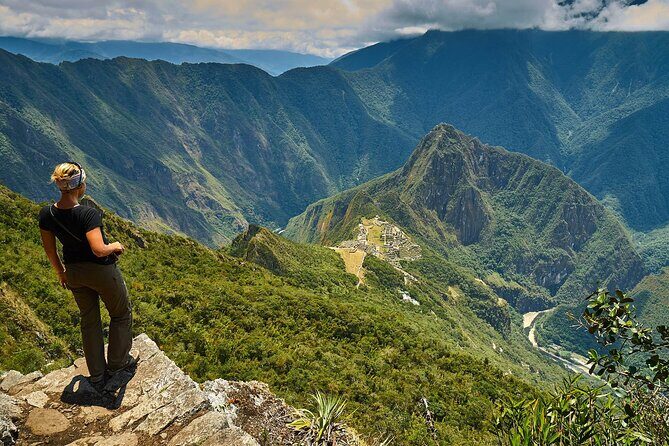
Salkantay also gives you variety. One day you’re staring at glacial-fed color, then you’re hiking across cooler high passes, then the air turns warmer as the route drops toward cloud forest tones. By the time you get your first long look of the citadel from Llactapata, it feels earned, not scheduled.
And this version is built for people who want challenge without pure misery. The camps are thoughtfully handled, meals are freshly prepared, and you’re not juggling every last detail while your legs are bargaining with gravity.
You can also read our reviews of more hiking tours in Cusco
Day 1: Cusco at 4:30 a.m., Humantay Lake, and first-night glamping at 4,150 m
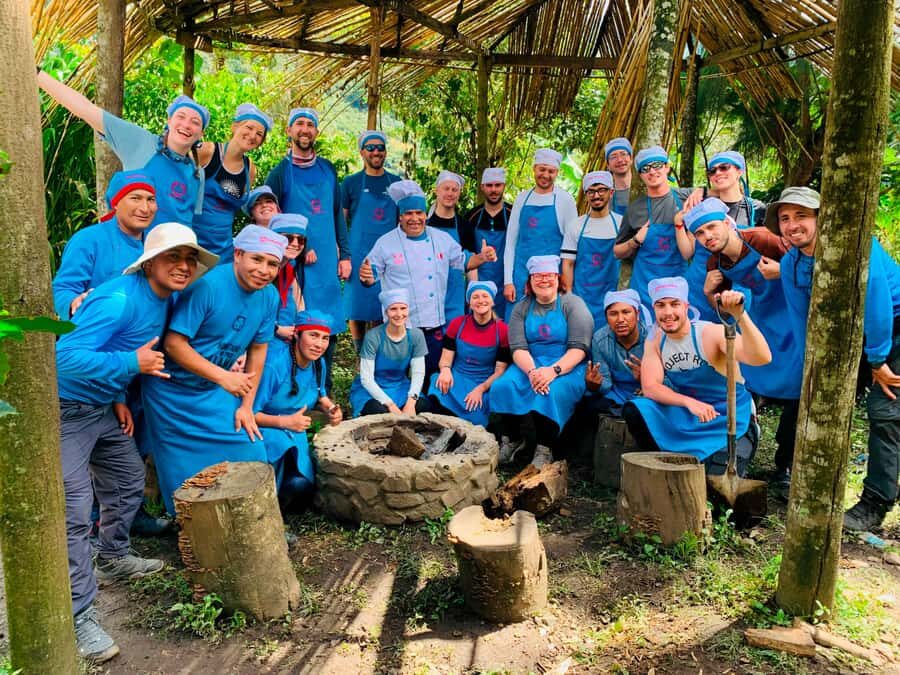
You’ll get picked up from your hotel or Airbnb near Cusco’s historic center around 4:30 a.m. Then it’s about a 3-hour scenic drive to Mollepata, where you eat breakfast and meet your trekking team.
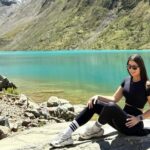
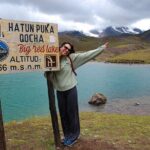
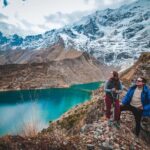
From the trailhead, you hike for about 3 hours to Humantay Lake, sitting around 4,200 m. The hike is uphill enough to make you work, but it’s also paced so you can actually take in the views. The payoff is the lake itself—bright turquoise that looks almost unreal against the mountains.
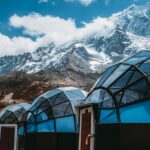
After that, you descend to Soraypampa for lunch, then continue with a gentle 2-hour climb to the Salkantay glamp campsite at roughly 4,150 m. That first night is one of the best ways to make altitude feel manageable: dinner is warm, you sleep with supportive gear (sleeping pad and pillow provided), and you get that sky-full-of-stars moment.
Practical note: expect cold. Even when the sun is doing its job, evenings at altitude can be serious. The rain poncho and warm layers you pack (sun/hat + rain gear) aren’t optional fluff.
Day 2: Salkantay Pass (4,630 m) and the switch to cloud forest air
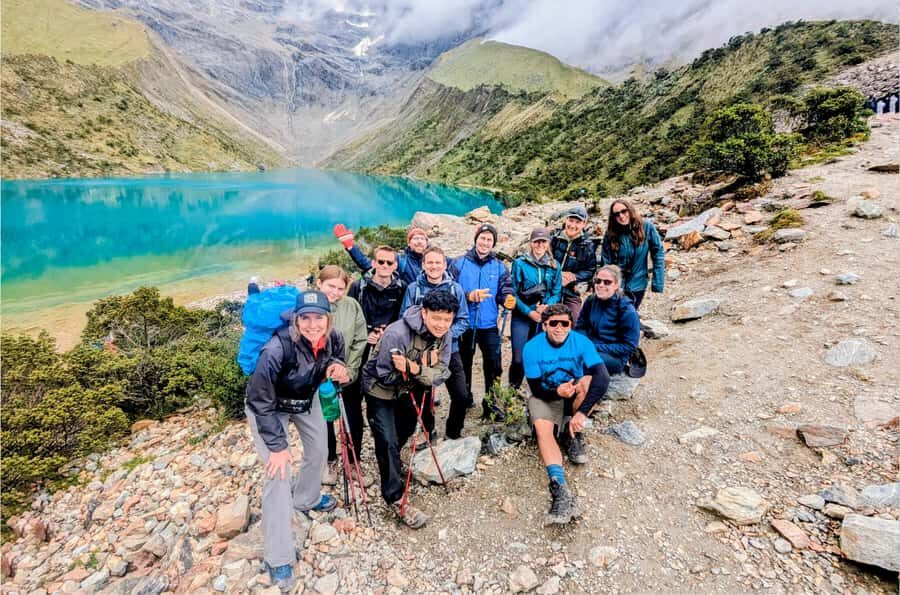
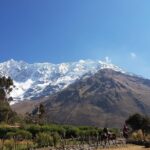
Day 2 is where the trek reminds you who’s boss. You start with a coffee or coca tea moment, then hike up to the Salkantay Pass at 4,630 m, the highest point on the route.
This is the day for slow pacing. It’s normal to feel short of breath at this altitude, even if you’re in decent shape. One strong tip from past trekkers: altitude medicine like acetazolamide helped some people on the first days. Don’t self-medicate blindly—talk to a clinician before you go—but it’s worth having an honest conversation if you’re prone to altitude sickness.
After the pass, you do a long descent. You also stop at a nearby glacial lake area for views before lunch at Wayracmachay. Then the route starts shifting: you’re heading down through changing conditions as the highlands give way to the lushness of cloud forest.
By evening, you arrive at Collpapampa (about 2,770 m) and sleep in Andean huts. That’s a real reset from the glamp-style night, and it helps you recover before Day 3 pushes you toward the Machu Picchu viewpoint.
Day 3: Pachamanca, coffee farms, and Llactapata’s Machu Picchu first sight
Day 3 has two cultures in one day: food you participate in, and coffee you learn about. After breakfast, you move along scenic trails with wooden bridges, waterfalls, and plantation areas. The walk leads you to Lucmabamba (around 2,000 m).
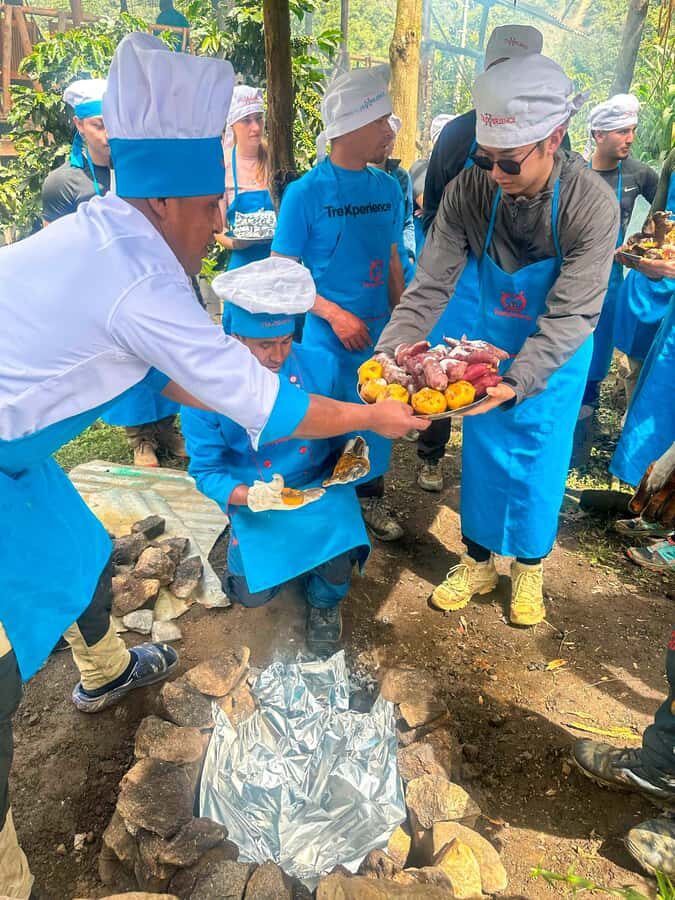
Here you’ll do a traditional Pachamanca barbecue. You’re not just eating; you’re experiencing a local cooking tradition that ties food to land and community. It’s also a morale booster. After several hours of walking, it’s hard not to appreciate how carefully the team keeps timing and meals flowing.
Next comes the coffee experience. You’ll visit local coffee farms and taste freshly brewed coffee. Even if you’re not a coffee expert, this stop adds a “why Peru tastes like Peru” layer to the trek.
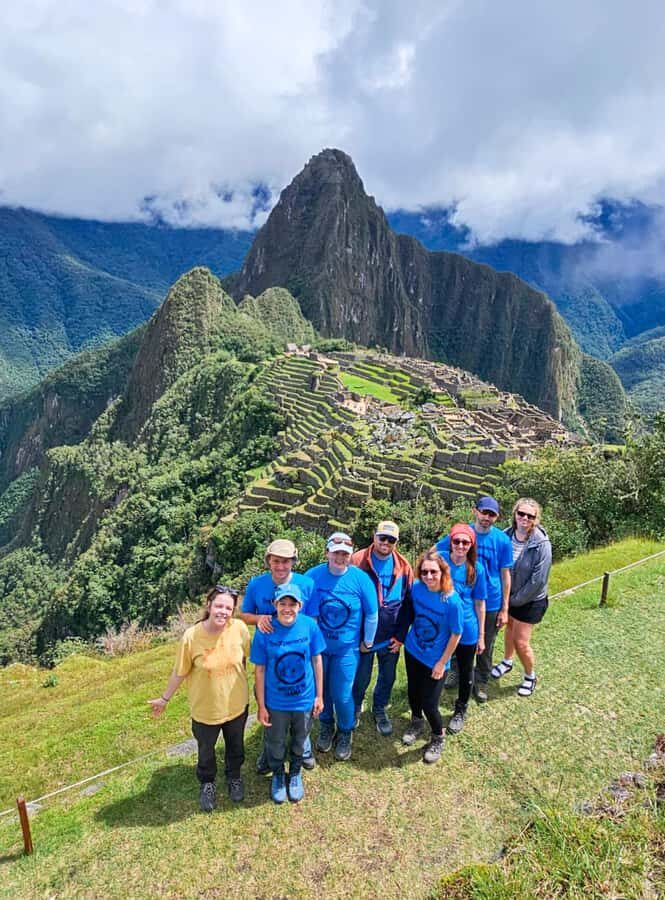
In the afternoon, you follow parts of the Inca Trail for about 3 hours to reach Llactapata (around 2,750 m). Llactapata is an Inca site, and the key is the timing: you arrive in a window that gives you your first stunning view of Machu Picchu—close enough that you can actually connect the geography from your trek to the citadel.
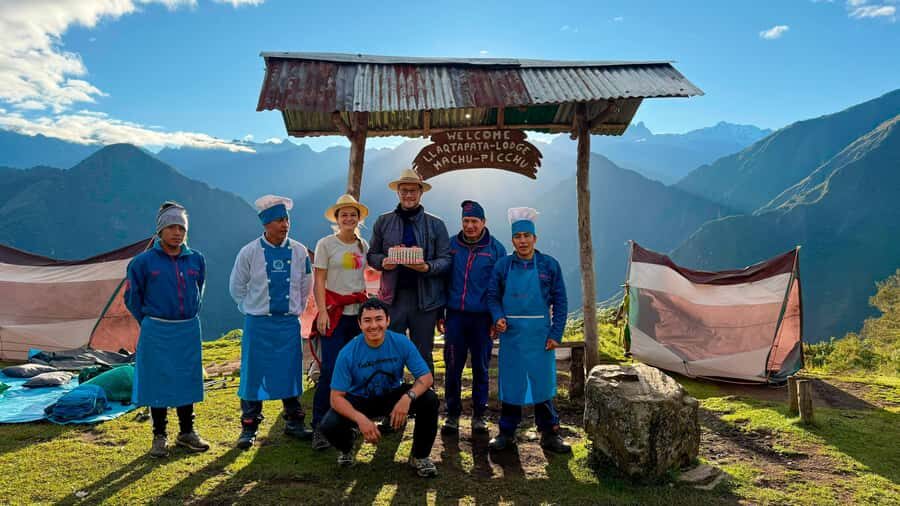
Then you camp overnight with the citadel in sight. That night tends to become a memory you keep replaying, because it’s not the big tourist moment yet—it’s the quiet “so that’s where we’re headed” stage.
Day 4: Hydroelectrica walk, Aguas Calientes hot springs, and getting ready for sunrise
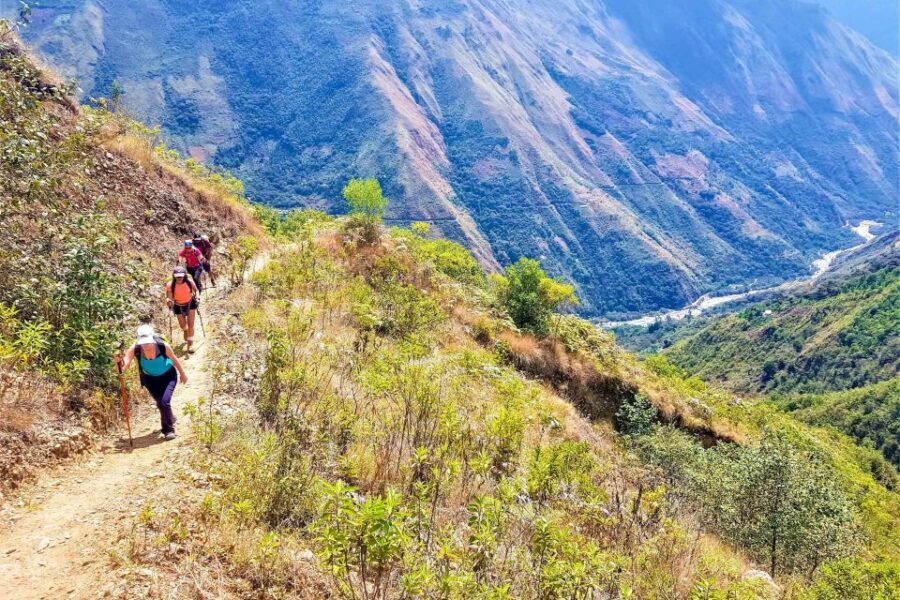
Morning at Llactapata starts with the view. You’ll likely enjoy coffee from the camp area, then begin descending for about 2 hours to the Hydroelectrica station area. At that point, you also get final brunch with your team.
After Hydroelectrica, you hike roughly 3 hours along the railway and the Urubamba River toward Aguas Calientes. This section is mostly about steady movement and staying aware of your energy—less about “push hard,” more about “keep your rhythm.”
There’s also a stop at Mandor Botanical Gardens, known for birdlife and orchids. It’s a welcome pause where you can look around without climbing.
You check into a 3-star hotel in Aguas Calientes for the night, then you’ve got time to explore, relax, or use the hot springs. That matters. After a multi-day trek, soaking your legs can be the difference between loving Day 5 and feeling like you’re carrying your hiking boots on your soul.
Dinner is included, so you’re not hunting for food while you’re tired. The day is essentially set up to make sunrise on Day 5 realistic.
You can also read our reviews of more tours and experiences in Cusco
Day 5: Machu Picchu sunrise tour plus the Vistadome or 360° return to Cusco
This is the day. You’ll have an early breakfast, then take one of the first buses up to witness sunrise over Machu Picchu. Getting there early isn’t just about romance—it helps you avoid the worst crowds and gives you cleaner light for photos and first impressions.
You’ll have a guided tour of the citadel lasting about 2 to 3 hours. A guide here is huge. Machu Picchu is easy to admire and hard to fully understand without someone pointing out how the site reads across terraces, buildings, and alignment.
After the guided portion, you can explore on your own. If you want additional hikes—Huayna Picchu or Machu Picchu Mountain—those passes are not included and need to be booked in advance. If you don’t have those passes (or you just want an easier day), that’s fine. You can still walk, linger, and enjoy the views without turning your legs into a second job.
Then you head back to Aguas Calientes for lunch before boarding the Panoramic Vistadome or 360° train to Ollantaytambo. A private van returns you to Cusco, arriving around 7:30 p.m. It’s a long day, but it’s a satisfying ending: you finish the hike, then let the train do the heavy lifting back.
Camps, meals, and the mule/duffle system that keeps the trek sane
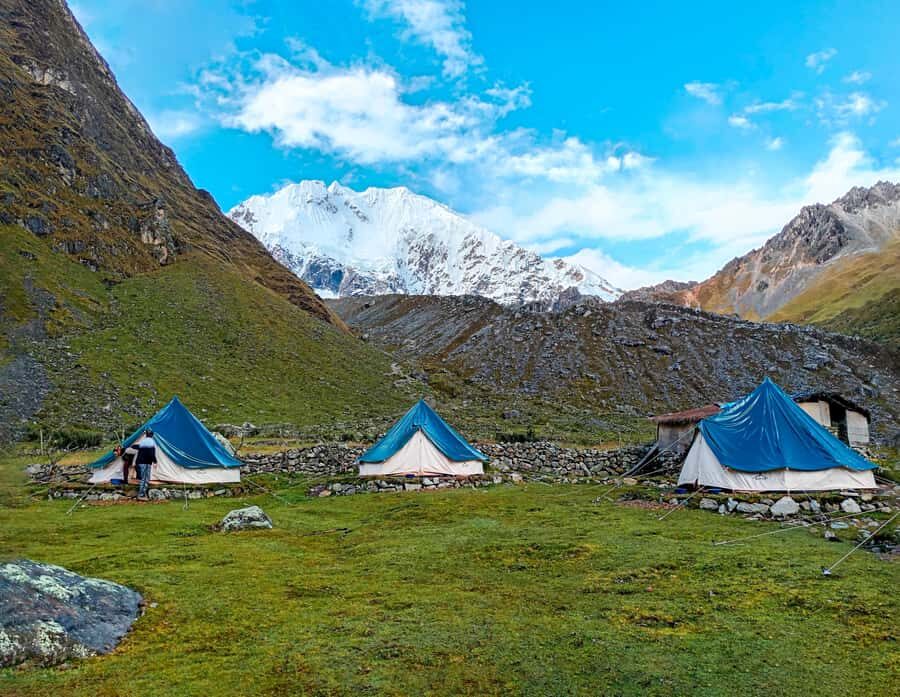
This is where the price starts making sense. You’re not carrying everything yourself. There’s a duffle bag up to 7 kg / 11 lb, and muleteers handle carrying camping gear. You travel lighter, which matters on a route with big altitude swings.
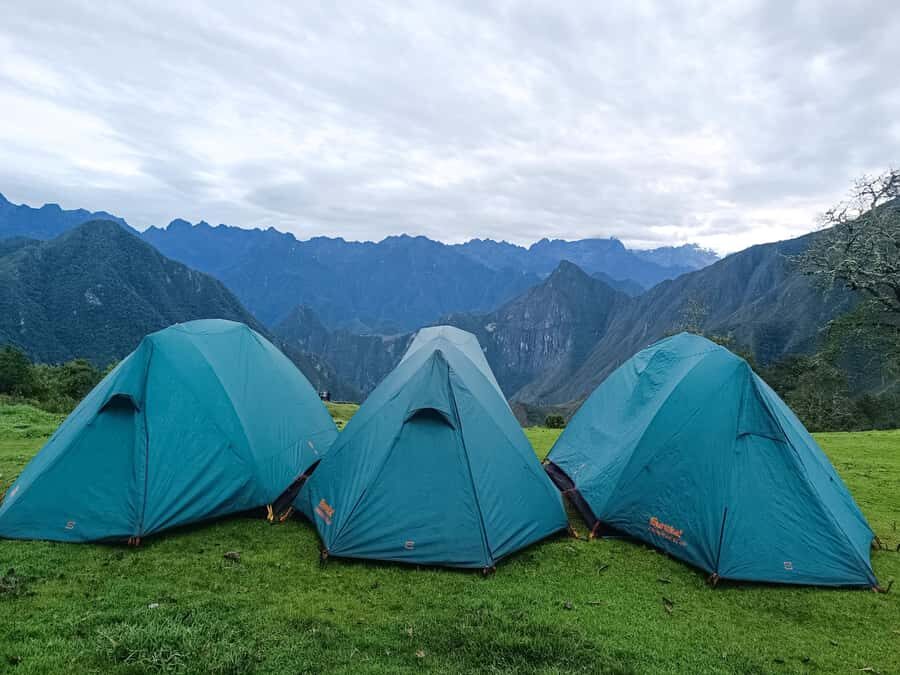
On top of that, you get practical sleep support: sleeping pad, pillow, rain poncho, and hand towels. You’re still sleeping in nature, but you’re not raw-dogging it against cold nights.
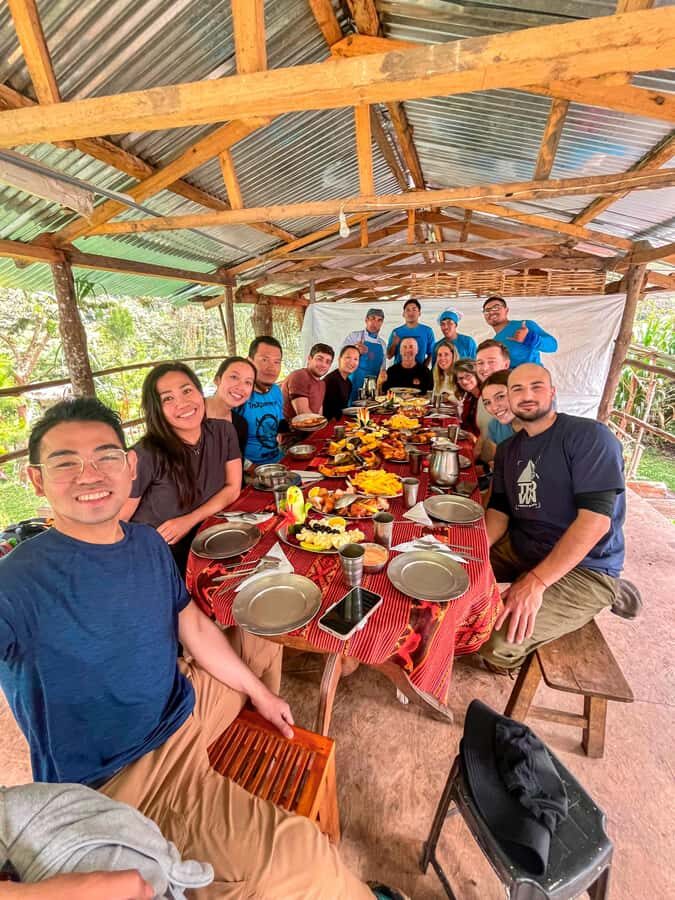
Meal quality is another standout. Past trekkers repeatedly praised the food as better than restaurant meals they found later in Aguas Calientes. The team produces multiple dishes at mealtimes, and there are daily snacks plus water for refilling. That “fuel stops” system matters because it reduces the need to buy snacks or guess what you can eat on the move.
Cultural stops are included too, including Pachamanca and the coffee farm tasting. When food and culture are built into the schedule, it feels less like a side quest and more like part of the trek’s rhythm.
Your money at $655: what’s included and what might cost extra
At $655 per person, you’re paying for a full package: guides, entrance tickets, most transport, safety support, meals, and multiple nights of accommodation style changes (glamping, camping huts, hotel night).
Included basics that drive value:
- Entrance tickets for the trek and Machu Picchu
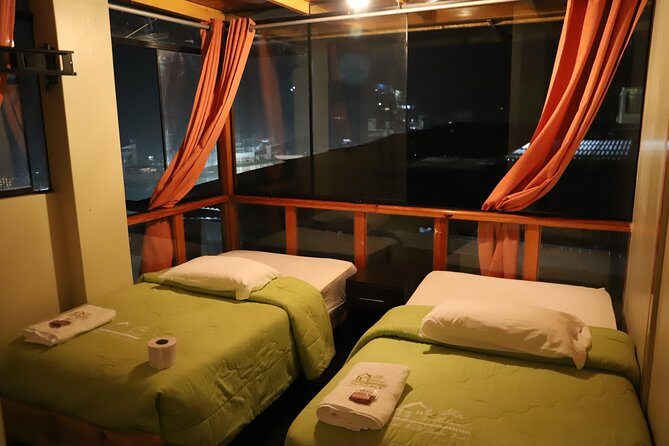
- 2 nights camping, 1 night glamping, 1 night in a 3-star hotel
- Pickup and drop-off around Cusco
- Round-trip bus to Machu Picchu and the panoramic train home
- Food: 4 breakfasts, 3 lunches, 3 dinners, plus water and daily snacks
- Safety gear: satellite phone, first-aid kit, and oxygen tank
- Bedding and comfort items like sleeping pad and rain poncho
What to watch for:
- Sleeping bag isn’t included (it can be rented). If you run cold, plan this early.
- Trekking poles aren’t included (also rent option). They help on descents.
- Huayna Picchu and Machu Picchu Mountain passes are not included. If you want those, you must book in advance.
- You’ll want cash in Peru for small purchases. Some trekkers called this out directly.
This price is best for you if you want a guided, organized trek without the stress of planning every meal, carrying heavy gear, and negotiating transport links between regions.
Practical prep: packing limits, altitude reality, and the stuff that saves your trip
Here’s what will keep your trek smoother.
1) Bring a passport and accurate details
You’ll need passport info when booking. Bring your passport with you.
2) Pack smart for Machu Picchu’s limits
A lightweight backpack is recommended (no bigger than 25L) because larger bags can’t go to Machu Picchu. You’ll want a day bag that fits essentials only.
3) Dress for both sun and cold
You’ll want sunglasses, sunscreen, sun hat, hiking shoes, and hiking pants. Also bring rain gear. Daytime sun at altitude can be intense, but evenings can be cold and damp.
4) Don’t treat altitude like a rumor
Altitude can be a problem on the first day. If you have a history of altitude sickness, ask your doctor about prevention. Past trekkers also reported that acetazolamide helped some people.
5) Bring personal basics
Insect repellent, toiletries, cash, hand sanitizer or tissues, a head torch, and personal medication. Band-aids and toilet paper are also worth adding.
Who this Salkantay-to-Machu Picchu trek is best for
This tour fits people who are physically up for multi-day hiking with altitude, but who want their logistics handled.
You’ll likely enjoy it if you:
- Like guided explanation at big sights, especially Machu Picchu
- Want cultural stops like Pachamanca and coffee farms, not just hiking photos
- Appreciate a small group (max 16) and a calm pacing system
- Value comfort details like sleeping gear, warm meals, and mule support
It may not be the right match if you:
- Are pregnant, have heart problems, back problems, mobility impairments, or use a wheelchair (the trip isn’t suitable for these cases)
- Expect a gentle walk with no real altitude challenge
Should you book this Salkantay trek with panoramic train?
If you want Machu Picchu without doing it the easy way, this is a strong option. I like how it mixes big views (Humantay Lake, Salkantay Pass, Llactapata) with cultural experiences (Pachamanca and coffee), then finishes with a guided Machu Picchu visit and a panoramic train return.
Book it if you:
- Want a mostly organized package at a fair price for what’s included
- Are ready for altitude and can commit to consistent walking
- Prefer small-group support and good food over doing everything solo
Skip it if you:
- Know altitude hits you hard and you can’t handle that risk
- Want Machu Picchu with lots of downtime (this trek keeps moving)
If you’re on the fence, your best decision tool is simple: can you handle a tough walking week with high-altitude days, while still appreciating comfort touches and guided structure? If yes, this trek is built for you.
FAQ
What’s the pickup time in Cusco?
Pickup is included at your hotel or Airbnb near Cusco historic center around 4:30 a.m.
How long is the trek?
The experience runs for 5 days.
What train do I take back to Cusco?
You’ll return using a Panoramic Vistadome or 360° train, then a private van takes you back to Cusco (arriving around 7:30 p.m.).
Are Huayna Picchu and Machu Picchu Mountain passes included?
No. Huayna Picchu and Machu Picchu Mountain passes are not included and must be booked in advance if you want to hike them.
What kind of sleeping setup should I expect?
You’ll have glamping for one night, camping for two nights, and one night in a 3-star hotel. A sleeping pad and pillow are provided, but a sleeping bag can be rented.
How many meals and snacks are included?
You get 4 breakfasts, 3 lunches, and 3 dinners, plus water and daily snacks.
What safety features are included?
You’ll have a first-aid kit, satellite phone, and an oxygen tank as part of the safety setup.
What should I bring for Machu Picchu day?
You’ll need your passport, plus a small day pack (recommended not larger than 25L), comfortable hiking shoes, sun protection, and rain gear.