REVIEW · CUSCO
Cusco : Historical walking tour and tourist lookout point and Andean music show
Book on GetYourGuide →Operated by Machupicchu Travelers · Bookable on GetYourGuide
Little streets, big Inca engineering. This is one of the quickest ways to get your bearings in Cusco while you hit the famous stone angles, the Inca symbols of the condor and puma, and the best city views from Mirador San Cristobal. I especially like how the stops are practical—photos first, context right after—and how the guide keeps it friendly and easy to follow, even on steep streets. One consideration: it’s still a real walking tour, with climbs and uneven cobblestones, so good shoes matter.
I also like the way the tour wraps historical sites into everyday Cusco scenes, from the San Blas area to the classic photo street with the little balconies. You’ll also get a break for an Andean music moment featuring local maker-performer Sabino Huamán, so it’s not just monuments in a line. If you’re expecting a slow, totally flat stroll, this might feel a bit brisk.
In This Review
- Key Highlights You’ll Actually Feel
- Cusco in 150 Minutes: Why This Tour Works After You Arrive
- Plaza de Armas Start: Fast Orientation and a Friendly Pace
- Inca Engineering Stops: 12, 13, and 14 Angles Up Close
- Condor, Puma, and Snake Motifs: Sacred Symbols in the Walls
- Qorikancha and Acllahuasi: Temple of the Sun and the Virgins of the Sun
- Colonial Corners and the Best Balcony Moments
- San Blas to the Luthier: Andean Music With Sabino Huamán
- Aqueduct, Siete Borreguitos, and Resbalosa: Photo Stops That Feel Like Cusco
- Mirador San Cristobal: The View That Earns the Climb
- Temple of Manco Capac and Final Return to Plaza de Armas
- Price and Value: What $10 Really Buys in Cusco
- Who Should Book (and Who Should Skip This Walk)
- Practical Tips: What to Bring for Cusco Weather and Steep Streets
- Should You Book This Cusco Historical Walking Tour and Music Show?
- FAQ
- How long is the Cusco historical walking tour?
- Where does the tour start?
- What languages is the guide available in?
- What are the main stops on the tour?
- Is it mostly walking?
- What should I bring?
- Is food included?
- Is there anything I’m not allowed to bring?
Key Highlights You’ll Actually Feel
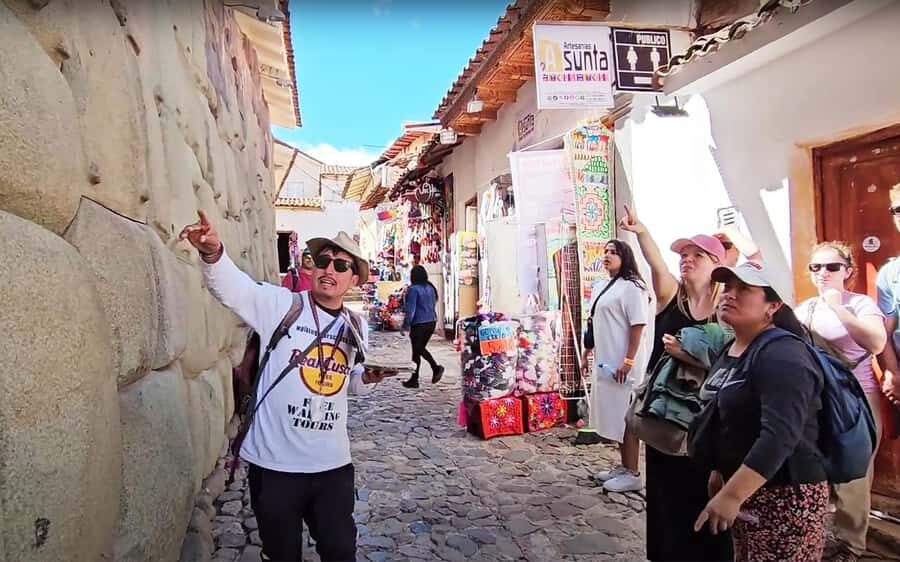
- Stone of the 12 and 13 Angles: close up, you see how precise Inca fitting can still look impossible.
- Andean symbols in stone: the condor, puma, and snake motifs give you a simple window into sacred Andean cosmovision.
- Temple of the Sun (Qorikancha): one of the big spiritual Inca sites, explained so it clicks.
- Temple of Acllahuasi: the sacred home of the Virgins of the Sun, framed in clear, understandable terms.
- Andean music with luthier Sabino Huamán: you watch the instruments and the sound story come together.
- Mirador San Cristobal: the payoff view that helps you photograph Cusco without hunting all day.
Cusco in 150 Minutes: Why This Tour Works After You Arrive
Cusco can feel like three cities at once: Inca stone, colonial churches, and modern streets packed with cafés, shops, and tour groups. This tour is built for that first-day chaos. In about 2 hours (about 150 minutes), you get a guided route that hits the spots people actually need to see, and you learn enough context to explore on your own afterward.
The value here isn’t just that you visit famous locations. It’s that someone threads the “why” through the “what.” You’ll hear enough background to understand what you’re looking at, so you’re not just collecting selfies and walking away.
The other big win: you get photo stops at points where you can take pictures without sprinting from one attraction to the next. And because the city streets twist and climb, having a plan keeps you from losing time.
You can also read our reviews of more walking tours in Cusco

Plaza de Armas Start: Fast Orientation and a Friendly Pace
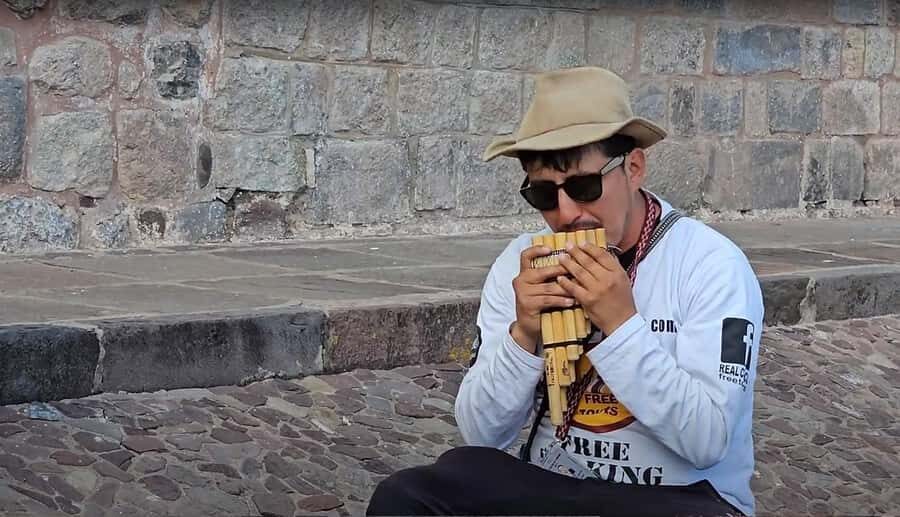
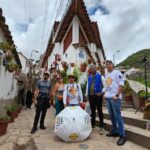
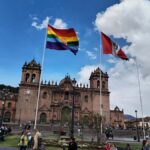
The tour begins in the Plaza de Armas, right in Cusco’s historical heart near the fountain. You’ll want to show up around 10 minutes early so the group can start on time. The meeting team wears white polo shirts with the Real Cusco Free Tour logo, which makes it easier to spot them quickly.
From the start, the guide’s job is to help you do two things: learn the key landmarks and start moving around the city with less guesswork. The pacing is designed for first-timers. You get short walking segments, then photo and explanation time.
I like this format because it matches real travel rhythms. You land in a new altitude, your brain needs time to process, and you don’t want to commit to a huge day just to understand where things are.
Inca Engineering Stops: 12, 13, and 14 Angles Up Close
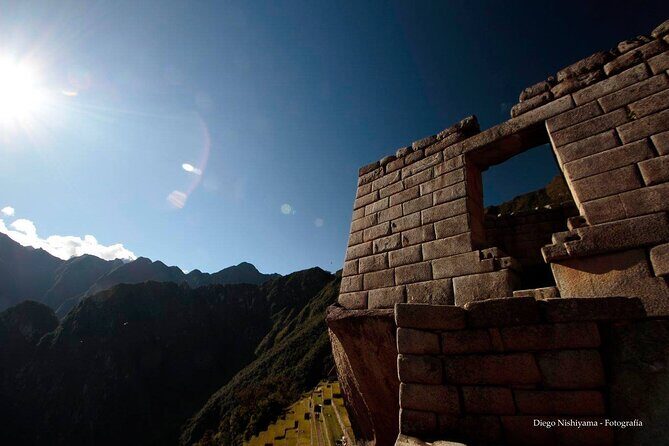
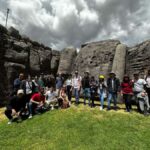
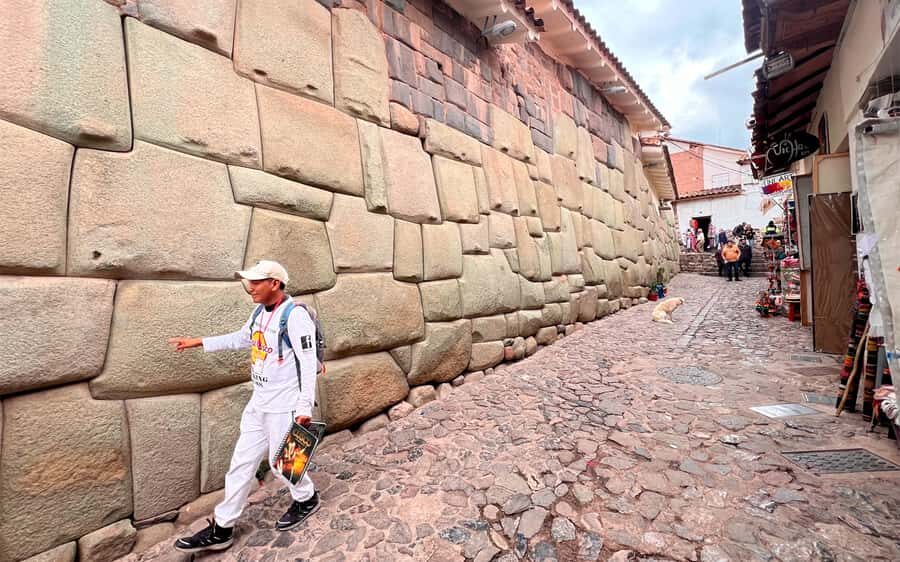
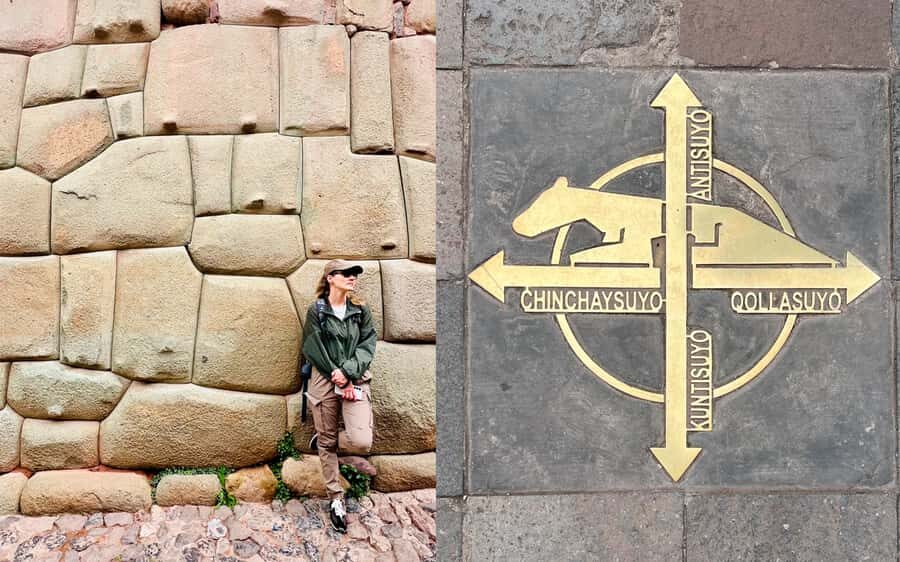
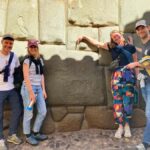
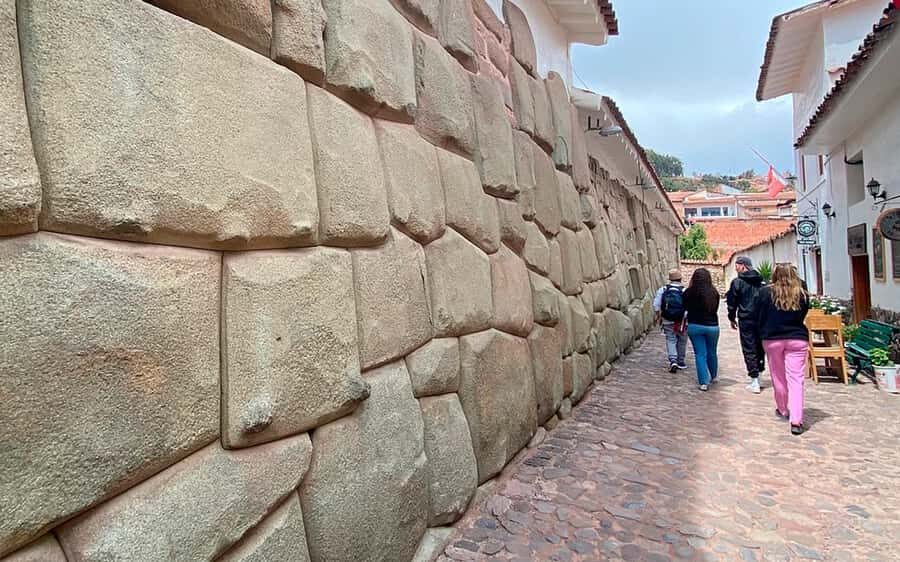
This tour gives you multiple stops that focus on Inca stone technique. The big ones are the Stone of the 12 Angles and the related angle-stone views, including the Stone of the 13 Angles and Stone of the 14 Angles. Even if you’ve seen photos, seeing the stonework in person changes the story. These corners look like geometry more than construction.
At each stone angle stop, the guide points out what makes the fitting feel so precise—how the blocks meet with almost no visible gaps. You also get a sense of why the Inca were so deliberate about form. It’s not just impressive for its own sake. It’s part of how they built structures meant to last and to carry meaning.
If you care about details, this is the section that makes you slow down without anyone needing to force it. If you’re more into sweeping views, you might still enjoy it because the guide keeps it grounded and practical, not academic.
Condor, Puma, and Snake Motifs: Sacred Symbols in the Walls
One of the most memorable ideas on this walk is that Inca art isn’t only decorative. You’ll see stone figures that relate to sacred animal symbols: the condor and the puma, plus the snake motif. The guide connects these to Andean cosmovision in straightforward terms, so you aren’t left guessing what you’re seeing.
Why this matters for your trip: once you understand the symbolism, you start noticing it elsewhere in Cusco. The city becomes more readable. You stop seeing “random motifs” and start seeing a pattern of meaning.
Also, photo-wise, these stops work because the carvings are close enough to capture clearly, without climbing to some distant viewpoint. You can take your time and still keep the tour moving.
Qorikancha and Acllahuasi: Temple of the Sun and the Virgins of the Sun
Two major spiritual anchors come next: Qorikancha (Temple of the Sun) and the Temple of Acllahuasi, described as the sacred home of the Virgins of the Sun in Cusco.
This is where a good guide really earns their tip. The goal isn’t to turn you into an expert overnight. It’s to help you understand what kind of place Qorikancha was and what Acllahuasi represents in Inca tradition. With that context, you can look at the site features and feel the difference between a “cool ruin” and a place with a job in the spiritual and social world.
Drawback to keep in mind: if you’re hoping for long time inside multiple major sites, this isn’t that kind of tour. The structure is short stops plus explanation. You’ll leave wanting a deeper visit, but you’ll know where to go next.
You can also read our reviews of more historical tours in Cusco
Colonial Corners and the Best Balcony Moments
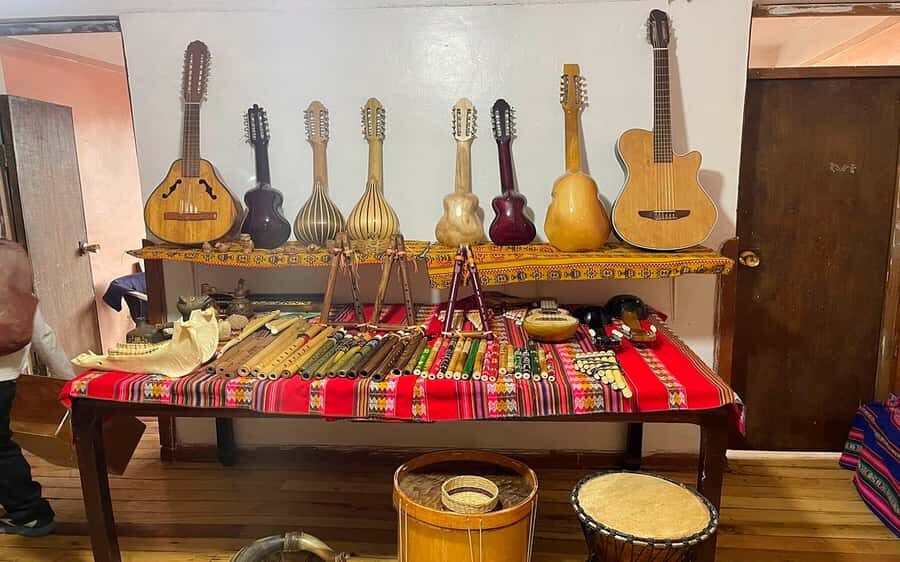
Cusco’s colonial layer isn’t just churches. It’s also street scenes, façades, and viewpoints that make you feel like the city is stacked in layers.
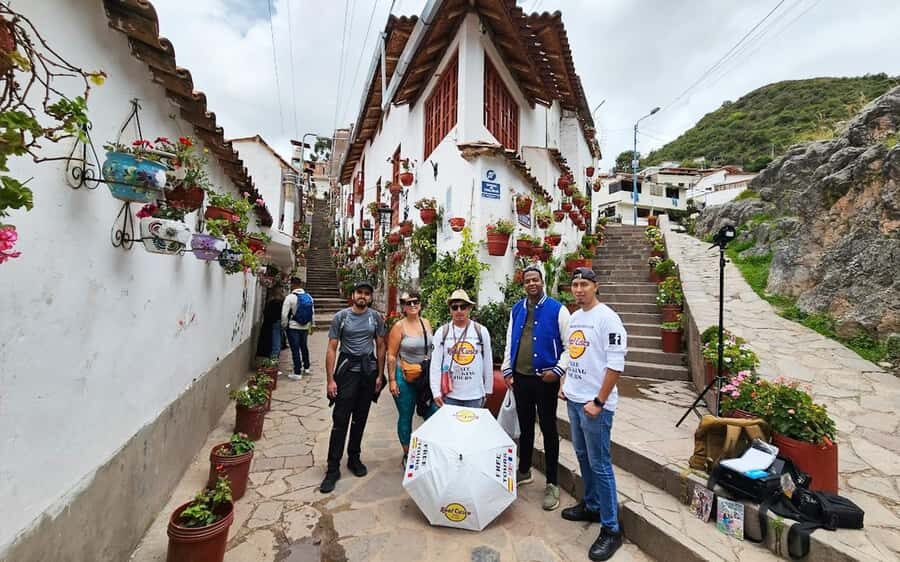
You’ll pass by the exterior of La Compañía de Jesús, see the Cusco Cathedral from outside, and spend time in the San Blas colonial neighborhood, known for its artistic character and classic Cusco charm. One highlight here is the stop at the area often described as the most beautiful balcony of Cusco, where you can get a panoramic view and take photos with the city unfolding behind you.
This segment is useful even if churches aren’t your main interest. It teaches you how the city was reshaped after the Inca era—and how both eras are visible if you know what to look for.
San Blas to the Luthier: Andean Music With Sabino Huamán
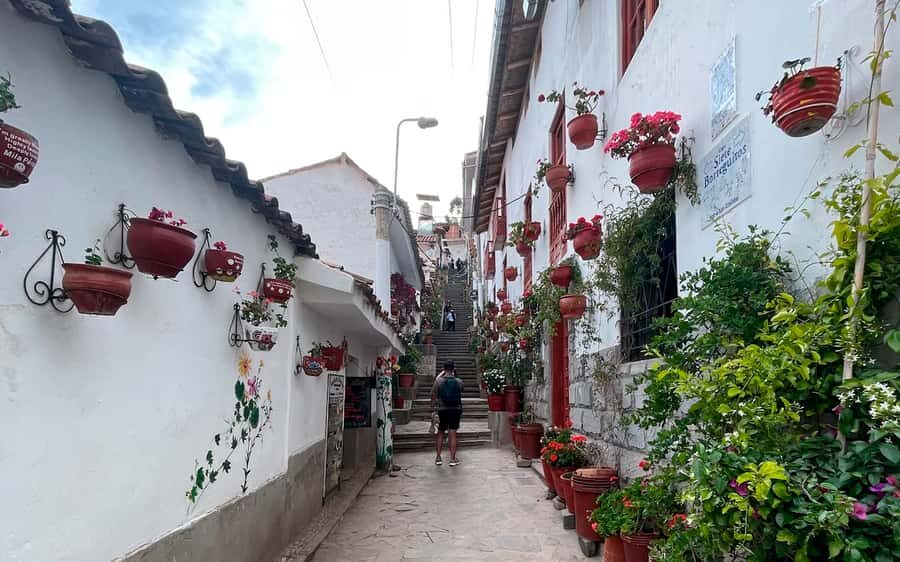
A tour that’s only ruins gets repetitive. This one breaks the pattern with a stop at a luthier of Andean instruments, featuring Sabino Huamán.
This is a real pause in the day, including a break time. You can regroup before another climb toward the viewpoints and photo corners. Then you get the sound-and-craft part: you watch the instruments and learn about the artisanal process behind them, and you hear Andean music using traditional instruments.
Why I think this is smart for visitors: it turns Cusco from something you look at into something you experience. You’ll remember how the instruments sounded long after the stone stops.
If you’re shopping for souvenirs, this stop can also steer you toward quality. The guide includes tips on how to make the most of activities and can point you toward where to look for better options.
Aqueduct, Siete Borreguitos, and Resbalosa: Photo Stops That Feel Like Cusco
Next you’ll hit street-level Cusco scenes that are instantly recognizable in photos—especially when you know the angles to aim for.
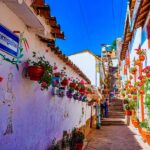
You’ll pass by the Sapantiana Aqueduct for a photo stop. Then it’s on to Calle Siete Borreguitos, famous for its charming balconies and the kind of postcard look that doesn’t require fancy editing. After that, you’ll also see Resbalosa, another spot where the street view is part of the attraction.
These aren’t big-ticket monuments, but they’re the kind of places that make your trip feel real. They’re what you walk past later when you’re roaming on your own, and now you’ll know exactly what you’re looking at.
Mirador San Cristobal: The View That Earns the Climb
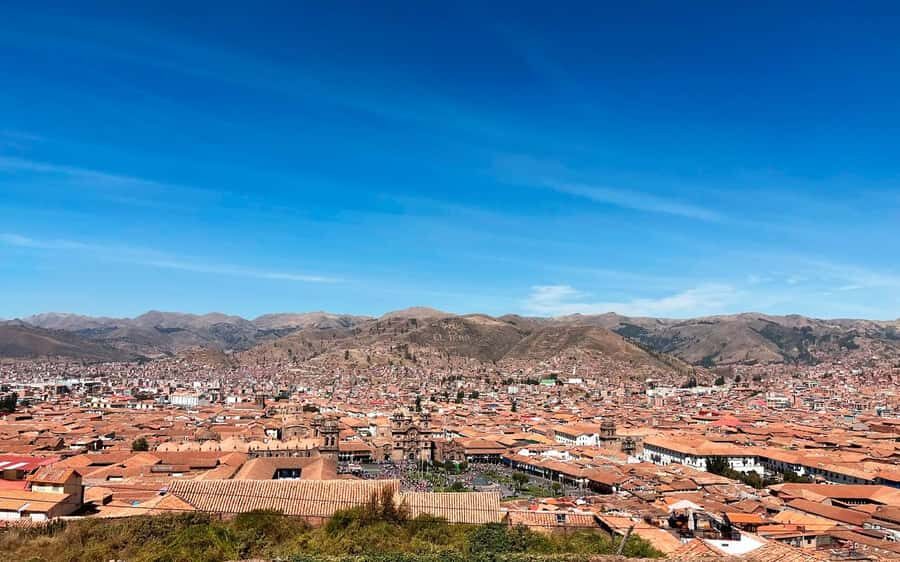
If you only remember one photo location from the day, make it Mirador San Cristobal.
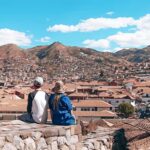
You’ll stop there for around 20 minutes to capture some of the most dramatic panoramic views over Cusco. This viewpoint works because it gives you an overall sense of the city’s shape and elevation, which helps later when you’re trying to figure out distances and routes.
Practical tip: bring sunglasses and consider a hat. Even if the walk is short, Cusco sun can feel intense, and you’ll likely be looking up and around while taking pictures.
Temple of Manco Capac and Final Return to Plaza de Armas
As the walk wraps up, you’ll make a stop related to Temple of Manco Capac, including learning about the first Inca ruler and his influence. It’s a good way to end with a thread that ties the city’s broader Inca identity together.
Then you head back on foot to Plaza Mayor de Cuzco. That return matters. You’ll start and finish in the same central hub, so your logistics are simple afterward—especially if you’re planning dinner, a night market, or choosing a next-day activity.
Price and Value: What $10 Really Buys in Cusco
At $10 per person for roughly 150 minutes, the value is mainly in orientation and access to context.
You get a professional guide in Spanish and English, plus practical travel tips including advice on how to get discounts on certain entries and key locations. That matters because Cusco costs add up fast once you start stacking tickets.
You’re also paying for time and structure. Without a guide, it’s easy to spend your first day bouncing between stops that look similar, miss the best viewpoint timing, or get turned around on steep streets. With a guided route, you make better use of your limited time—especially if you only have a couple days in Cusco.
Who Should Book (and Who Should Skip This Walk)
This is a great fit if you:
- Want a first-day Cusco crash course that feels friendly, not overwhelming
- Like both Inca and colonial sights
- Want solid photo time at key viewpoints
- Appreciate a cultural break with Andean music and seeing instruments up close
It’s not a good fit if you have mobility or health limitations. The tour isn’t suitable for pregnant women, people with back problems, wheelchair users, people with epilepsy, people with recent surgeries, or those over 70. It includes some steep street sections, and you’ll need to walk comfortably.
Also, you’ll want to avoid this if you plan to drink alcohol during the day. Alcohol and drugs aren’t allowed.
Practical Tips: What to Bring for Cusco Weather and Steep Streets
Cusco weather can switch up fast. Bring layered clothing, plus sun protection like sunscreen and a hat. Comfortable shoes are non-negotiable. Cobblestones and inclines can be a challenge if you’re in new shoes or flip-flops.
Pack a bottle of water and consider a packed lunch if you tend to get hungry between activities, since the tour doesn’t include food. Sunglasses help too, especially if you’re aiming cameras at bright stone and open overlooks.
If you’re arriving just after traveling, take it easy before the climb starts. Build your pace gradually. You’re still adjusting to altitude.
Should You Book This Cusco Historical Walking Tour and Music Show?
Yes, if it’s your first time in Cusco and you want a quick, structured introduction. The best reason to book is the combination: Inca stonework + sacred sites + viewpoint photos + a real Andean music stop with luthier Sabino Huamán.
Skip it if you need a fully flat route or if steep streets would be a problem for your body. Also consider booking something longer later if you want deep time inside major sites, because this one is built for orientation, not long museum-style visits.
If you can walk comfortably and you want to understand what you’re seeing, this tour gives you a strong start for the rest of your Cusco days.
FAQ
How long is the Cusco historical walking tour?
It runs for about 2 hours, around 150 minutes.
Where does the tour start?
You meet in the center of the Plaza de Armas near the fountain.
What languages is the guide available in?
The live guide is available in English and Spanish.
What are the main stops on the tour?
You’ll see Inca stone angle sites, symbols in stone, Qorikancha, Acllahuasi, a luthier with an Andean music show, and viewpoints including Mirador San Cristobal, plus classic Cusco streets and neighborhoods.
Is it mostly walking?
Yes. It’s a walking tour with some steep street sections.
What should I bring?
Bring comfortable shoes, sun protection (sunglasses and a hat), comfortable layered clothing, and a bottle of water. A packed lunch can also be helpful.
Is food included?
No. Food is not included.
Is there anything I’m not allowed to bring?
Alcohol and drugs are not allowed.