REVIEW · CUSCO
Market-to-Table Peruvian Cooking Class and Cocktail in Cusco
Book on Viator →Operated by Pete's Peruvian Cooking Classes · Bookable on Viator
If you like food with a story, this is for you. This Cusco class takes you from market shopping to cooking four Peruvian dishes, then serves it all with a pisco sour. I especially like how you’re guided step-by-step by a bilingual chef/instructor so it feels doable even if you’re not a kitchen person. One thing to consider: everyone cooks the same menu, so very specific dietary needs may take a bit of planning.
This is also a smart way to spend a late afternoon in Cusco—no rush to cram in another museum, just hands-on learning and a shared meal. The small size (max 10 travelers) means more attention and fewer awkward moments standing around. And yes, you get the fun part too: the cocktail moment, with lemonade available for children and non-alcohol preferences.
In This Review
- Key highlights you’ll actually care about
- Cusco at 3 p.m.: the pace, timing, and meeting point
- Market shopping first: how the ingredients shape the meal
- Back in the kitchen: four dishes, real technique, and a calm guide
- What you’ll cook: why ceviche, lomo saltado, and chocotejas work so well
- Pisco sour (and lemonade): the cocktail moment without the stress
- Diets, allergies, and the reality of a set menu
- Small group size: why max 10 travelers matters
- Value check: does $52 actually make sense in Cusco?
- Who this is best for (and who might want to skip)
- Should you book this Cusco market-to-table cooking class?
- FAQ
- How long is the Peruvian cooking class in Cusco?
- What days and time does the cooking class run?
- Where does the class start and end?
- How large is the group?
- What dishes and drinks are included?
- Can vegetarians or other dietary needs be accommodated?
- Do I need to arrive early?
Key highlights you’ll actually care about
- Market walk with a shopping list so you learn what to buy and why
- Hands-on cooking of a full set of dishes (not just chopping for photos)
- Pisco sour included—with a non-alcohol lemonade option if needed
- Small group of up to 10 for more personalized help
- Same menu for everyone for a cohesive class experience
- Dietary accommodations available if you tell the team ahead of time
Cusco at 3 p.m.: the pace, timing, and meeting point
This experience runs Monday through Saturday, typically between 3:00 PM and 6:00 PM. Plan on about 3 hours total, and arrive 10 minutes early at the meeting point so you don’t eat into your class time.
You’ll meet at C. San Juan de Dios 283, Cusco 08002. The activity starts and ends back at the same place, which is a relief if you’re juggling dinner plans or trying to keep your evenings simple. It’s also described as near public transportation, which matters in Cusco where getting around can be its own puzzle.
Here’s how to make this smoother for yourself: if you’re coming straight from sightseeing, take a moment to hydrate and slow down. Cooking is physical, and Cusco’s altitude can make anything feel slightly faster and heavier than it usually does.
You can also read our reviews of more shopping tours in Cusco
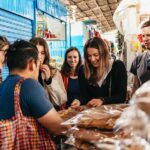
Market shopping first: how the ingredients shape the meal
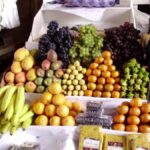
The class begins with you building a shopping list and then walking to a central local market to choose ingredients. The point isn’t just to “see a market.” It’s to understand what’s seasonal and how local choices drive flavor.
You’ll learn about seasonal fruits and local culinary traditions along the way. That’s the big payoff: once you understand what’s in season and why it’s used, the cooking stops being random steps and starts being a real system.
Practical notes for the market part:
- Bring comfortable shoes. Market floors can be uneven, and you’ll be doing more walking than you expect.
- Pay attention to the guide’s explanations. The market walk helps you later when you’re deciding how ingredients should smell, look, and behave in cooking.
- Ask when you don’t understand a fruit or ingredient. You’re not just buying; you’re learning what it does in the final dishes.
One review also mentioned tasting new fruits from the local market—exactly the kind of small detail that turns a “cooking class” into a memory you can still describe later.
Back in the kitchen: four dishes, real technique, and a calm guide
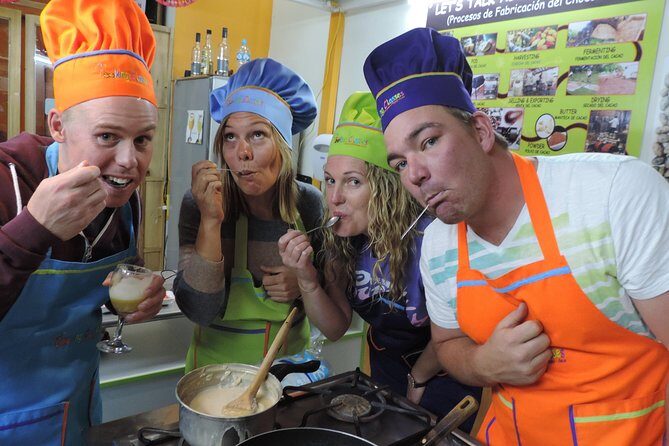
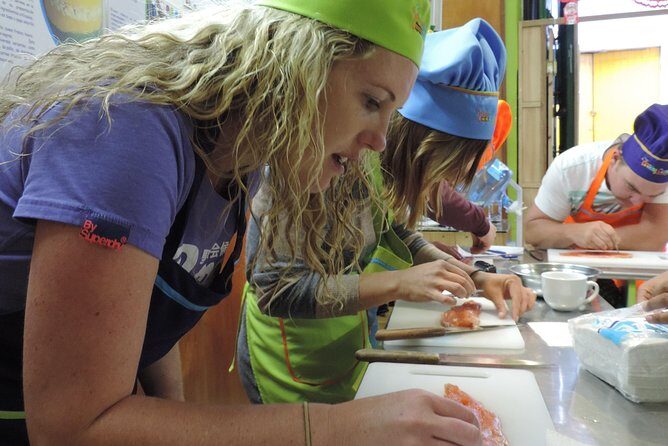
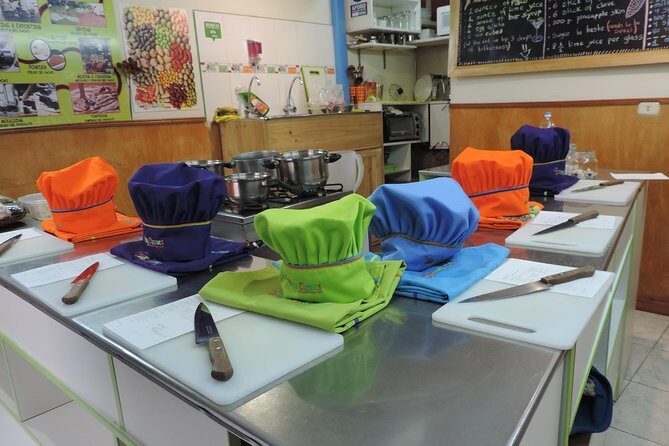
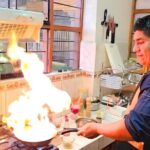
Once you’re back in the kitchen, you’ll cook a full menu of four authentic Peruvian dishes, with examples like Ceviche, Lomo Saltado, and Chocotejas. The best way to think about this: you’re not making one dish and watching the rest. You’re doing the work that gets you to dinner.
You’ll get personalized guidance, with the class designed for all ages and skill levels. That matters because “hands-on” can sometimes mean confusion. Here, the instructions are meant to keep you moving without feeling like you’re failing in public.
A good sign from the reviews: one instructor (Paul is named in a review) was described as bilingual, friendly, and not rushing people—so the class doesn’t feel like a timed factory line. Another review highlighted how the instructor helped strangers connect, which sounds like a small thing, but it often turns a short class into a more relaxed meal experience.
What you’ll cook: why ceviche, lomo saltado, and chocotejas work so well
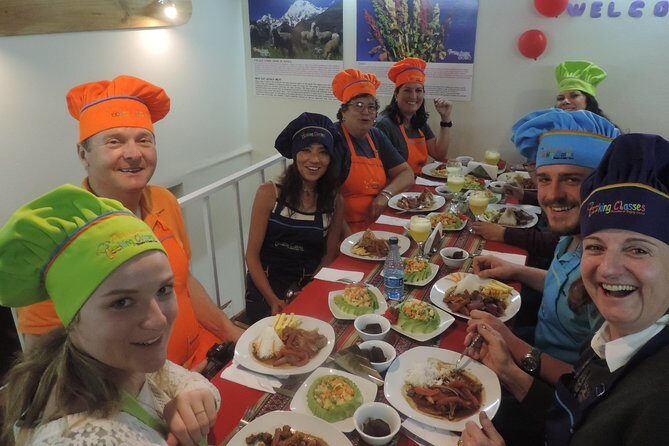
Even if you’re not a culinary scholar, you can appreciate why this menu is a strong mix.
- Ceviche brings freshness and technique. It also teaches you that flavor isn’t only about heat—it’s about balance and timing.
- Lomo Saltado is familiar to many people, but in a Cusco kitchen it becomes a lesson in how Peruvian cooking builds comfort from simple ingredients.
- Chocotejas gives you the sweet finish that makes the meal feel complete, not just like a snack between steps.
Because you cook the same menu as everyone else, you’ll get a smoother group rhythm. No one’s waiting for their own separate version in the middle of the class, and it’s easier for the instructor to keep the flow consistent.
Pisco sour (and lemonade): the cocktail moment without the stress
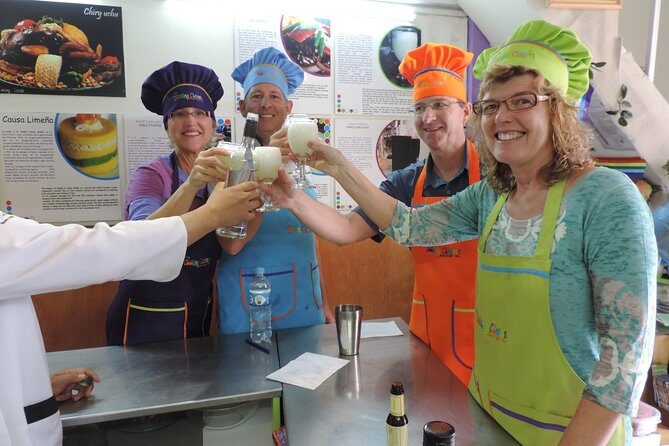
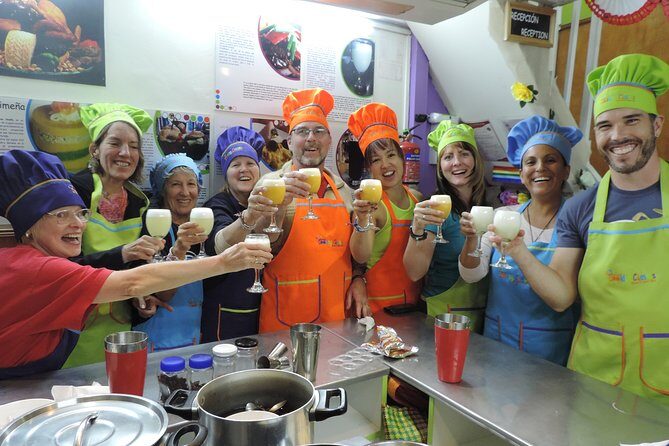
The meal ends with the dishes you cooked, served together. And yes, the pisco sour is part of the experience.
If you’re bringing kids, don’t drink alcohol, or prefer a non-alcohol option, the class provides lemonade instead. That keeps the table inclusive—everyone gets the “class finale” moment without awkward substitutions or sitting out.
If you’re wondering how to handle this: keep an eye on pacing during the cooking. The pisco sour is waiting at the end, so you don’t need to rush your pace earlier just to “earn” the cocktail. A calm finish tastes better.
You can also read our reviews of more tours and experiences in Cusco
Diets, allergies, and the reality of a set menu
The good news: the class says there are menu accommodations available for vegetarians or those with specific dietary requirements. The key is that you need to advise your needs upon reservation.
At the same time, there’s a practical consideration: since the class has a set menu and everyone cooks the same four dishes, accommodations may be adjustments rather than a totally separate menu. If your dietary needs are simple (vegetarian, non-alcohol, avoiding certain ingredients), you’ll likely be in good shape.
One lower-rated review raised serious complaints about what the instructor taught and what was purchased. The provider responded directly, saying that certain claims were incorrect for their class (including a correction about dishes/ingredients and who does certain help like peeling). They also pointed out that if peeling is needed, their assistant helps, and they provide a recipe description so you don’t have to take notes to recreate it later.
What that means for you: you’ll get the best outcome by communicating clearly in advance. If you have allergies or a strict dietary rule, don’t rely on assumptions—state it plainly when you book.
Small group size: why max 10 travelers matters
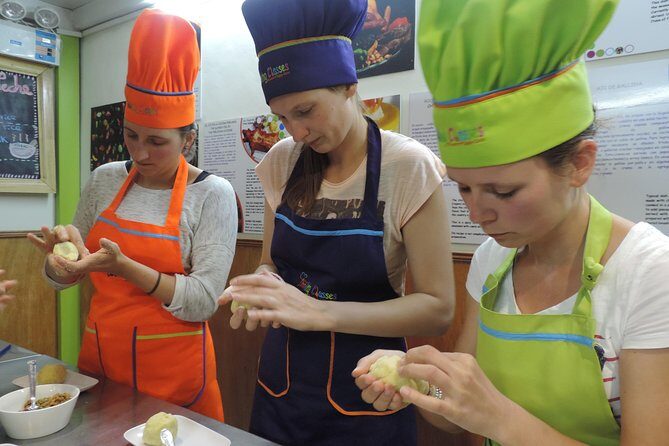
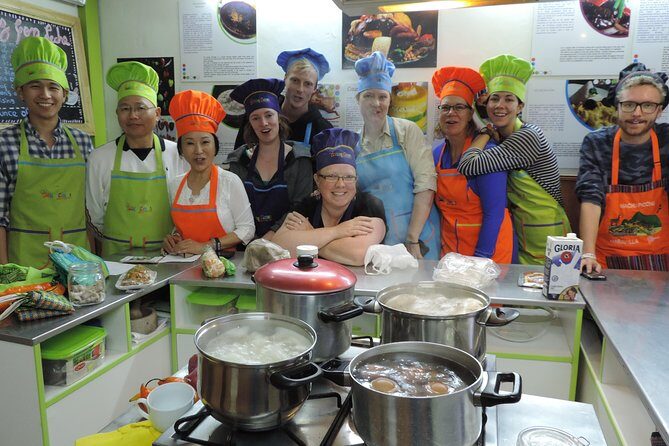
The group is capped at 10 travelers, and that changes the feel. In a larger class, you often spend time waiting for attention. Here, it’s easier to ask questions while you’re actively cooking, not after the fact.
One review specifically praised the way the instructor helped strangers connect and guided the group without rushing. That lines up with how a small class usually works: the chef/instructor can see who’s stuck, who needs a nudge, and who’s ready for the next step.
If you’re traveling solo, this is one of those activities where you’ll likely talk to the people next to you without forcing it. You’re working side by side, sharing the same menu, and then eating the results.
Value check: does $52 actually make sense in Cusco?
At $52 per person, you’re paying for three things at once:
1) guided shopping and ingredient selection in the market,
2) hands-on cooking instruction for a full menu (four dishes),
3) the meal you cook plus the included pisco sour (or lemonade).
Many food experiences in travel amount to tasting a bunch of items with minimal instruction. This is different: you leave with a more personal skill and a better understanding of what you ate and why. That’s where the value comes in.
It’s also a bit more “time-valuable” than a casual cooking demo. The experience is about three hours, and it’s structured rather than open-ended. And because the group is limited, you’re not paying for a crowded room where you can’t get help.
One practical sign of demand: bookings average about 19 days in advance, which suggests you should reserve early if your dates are fixed. Even if it doesn’t fully sell out, you’ll have more options.
Who this is best for (and who might want to skip)
This is a strong match if you:
- want a hands-on Cusco experience that’s not only sightseeing,
- like food learning that includes a market component,
- travel with mixed ages or skill levels,
- want a friendly group meal without the formality of a restaurant dinner.
It can also work well if you’re a confident cook but want context—market-to-table learning is useful even when you already know techniques.
You might want to think twice if you:
- hate the idea of cooking a set menu (even if accommodations are offered),
- have very complex or allergy-level restrictions that require a guaranteed custom version,
- prefer quiet, solo experiences and would rather do a tasting without group interaction.
Should you book this Cusco market-to-table cooking class?
I’d book it if your ideal Cusco evening includes learning by doing: walk a market with a shopping list, cook a full meal with a real guide, and then eat what you made with a pisco sour finish. The small max 10 size and the focus on instruction (including being bilingual) make it feel practical, not showy.
If you’re on the fence, use this checklist:
- Tell them your dietary needs clearly when you book.
- Expect a shared, same-menu format.
- Show up a little early so you start the market walk without stress.
Given the high rating (4.8) and the strong “recommended” rate (95%), this is the kind of activity that tends to leave people feeling fed, informed, and pleasantly surprised by how much they enjoy cooking.
FAQ
How long is the Peruvian cooking class in Cusco?
It lasts about 3 hours (approx.).
What days and time does the cooking class run?
It runs Monday through Saturday, typically 3:00 PM to 6:00 PM.
Where does the class start and end?
It starts at C. San Juan de Dios 283, Cusco 08002, Peru and ends back at the same meeting point.
How large is the group?
The activity has a maximum of 10 travelers.
What dishes and drinks are included?
You cook four Peruvian dishes (with examples including Ceviche, Lomo Saltado, and Chocotejas) and you’ll be served them for a shared meal. The experience includes a pisco sour; lemonade is available for children and non-alcohol preferences.
Can vegetarians or other dietary needs be accommodated?
Yes. The experience offers menu accommodations for vegetarians and for specific dietary requirements if you advise them when reserving.
Do I need to arrive early?
Yes. You’re asked to arrive 10 minutes early and share any dietary needs upon reservation.