REVIEW · CUSCO
Machu Picchu Day Trip from Cusco Guided Tour & Tickets
Book on Viator →Operated by Travel And Living Peru · Bookable on Viator
Machu Picchu happens on a packed schedule. This guided day trip strings together guided Inca sites around Cusco and the Sacred Valley, then delivers you to Machu Picchu with tickets included, starting with hotel pickup at 8:00 am. It’s designed for people who want the highlights in one long day without wrestling transport on their own.
I like two things a lot: you get a real guide for the whole route (the kind of support that makes transfers feel manageable), and the price bundles the hardest-to-organize pieces like train tickets, buses, and Machu Picchu entrance. There’s also a strong human element—one praised guide name that comes up is Vilma, noted for being kind and giving a great tour on-site.
One consideration: Machu Picchu plans can be unforgiving. Tickets depend on timing, and if availability is tight, you may lose options fast—so don’t treat this like a last-minute flex, especially if weather is also a factor.
In This Review
- Key Highlights You’ll Feel Immediately
- An 8:00 AM Pickup, Then Straight Into Inca Territory
- Train + Bus + Entrance Ticket: Where the Value Actually Shows
- Cusco Stops That Build Understanding Before You Look Up
- The Inca Capital’s Streets and Colonial Layer
- The Sun Temple That Got Rebuilt Over
- A Fortress of Precision Stone and Big Views
- Ritual Rock, Carved Altars, and Hidden Spaces
- First Time at Machu Picchu: How to Make the Most of the Citadel
- Ollantaytambo: A Living Inca Town (Not Just Ruins)
- Circular Terraces and the Idea of an Agricultural Laboratory
- An Andean Village Ruins + Colonial Church + Textile Workshops
- Price and Logistics: Is $390 Worth It?
- Who This Tour Fits Best (and Who Should Rethink It)
- Should You Book This Machu Picchu Day Trip?
- FAQ
- What time does the tour start?
- How long is the Machu Picchu day trip?
- What’s included in the price?
- Is lunch included?
- How many people are in the group?
- What if the weather is bad or I need to cancel?
Key Highlights You’ll Feel Immediately
- Small group (max 6 travelers) keeps the pace from turning into a herd.
- Hotel pickup anywhere in Cusco saves you from morning taxi math and stress.
- Tickets + guided entry to Machu Picchu means you focus on the visit, not paperwork.
- A full day of Inca sites before the citadel helps you understand what you’re looking at when you finally arrive.
- Sacred Valley stops include terraces, ritual spaces, and a working village element through textiles.
- Long day, but structured: 13 to 14 hours, with transport handled for you.
An 8:00 AM Pickup, Then Straight Into Inca Territory
Your day starts at 8:00 am, with pickup from any hotel in Cusco. That matters because Cusco mornings can get chaotic fast—one extra shuffle can steal your energy before a long day.
From there, the route is built around movement plus context. You’re not just getting to Machu Picchu; you’re getting oriented to the wider Inca story of this region. Expect an all-day rhythm: rides, guided stops, then the main event.
The tour runs in English, and it’s limited to up to 6 travelers, so you should be able to ask questions and get real answers instead of quick nods between photos.
You can also read our reviews of more tours and experiences in Cusco

Train + Bus + Entrance Ticket: Where the Value Actually Shows
At $390 per person, this isn’t a cheap day. The “is it worth it?” question is really about what you’re not paying for separately.
This tour includes:
- Transfer Cusco ↔ Ollantaytambo ↔ Cusco
- Train tickets
- Bus transport
- Entrance to Machu Picchu
- Guide
What you don’t get:
- Lunch
- Propinas (tips)
So the value isn’t just Machu Picchu access. It’s the logistical load: train time, matching schedules, and the bus connection are all handled as part of the plan. For many people, that alone justifies the price—especially on a day that runs 13 to 14 hours.
Also, there’s a practical upside: with a guide, you can spend less time figuring out where to go next and more time understanding what you’re seeing at each stop.
Cusco Stops That Build Understanding Before You Look Up
One smart choice here is the order. Before you reach the citadel high in the Andes, you move through key Inca and early colonial layers in the Cusco area.
Here’s what each stop is doing for you, and what to watch for.
The Inca Capital’s Streets and Colonial Layer
You start in the historic core: the Inca capital and Andean city known for colonial architecture and cobblestone streets, with daily culture all around you. This is a grounding stop. You get a sense of how the old and new sit next to each other in real life—not only in ruins.
What I’d pay attention to: how building styles shift, and how Inca-era stonework and colonial structures share the same streets. Even without a deep dig into dates, it helps you see the timeline with your own eyes.
The Sun Temple That Got Rebuilt Over
Next is a site that was once a major Inca temple dedicated to the sun, later built over by a Spanish convent, showing Inca and colonial walls side by side. This is the kind of stop that makes the rest of the day click.
Why it’s worth it: you can walk away with a clearer idea of what “overlapping history” looks like in Cusco. This isn’t just a museum concept—it’s in the walls.
You can also read our reviews of more guided tours in Cusco


A Fortress of Precision Stone and Big Views
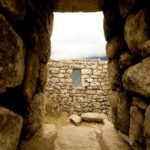
After that comes the massive Inca fortress overlooking the city, famous for enormous precisely cut stone walls and panoramic views. You’re not just getting photos here. You’re getting a sense of scale and engineering.
The drawback: if the viewpoint conditions are poor (cloudy or rainy), the sweeping views may be less dramatic. Still, the stonework is the point, and you’ll feel the effort behind it.
Ritual Rock, Carved Altars, and Hidden Spaces
Then you visit a ceremonial Inca site with carved rock altars, plus tunnels and niches thought to connect to rituals and offerings. This is one of those places where you start understanding that the Inca world wasn’t only about buildings—it was about movement, meaning, and practices.
What helps: take a slow walk and let your guide point out the carved features. If you rush, you’ll miss what makes this stop different from a standard viewpoint.
First Time at Machu Picchu: How to Make the Most of the Citadel
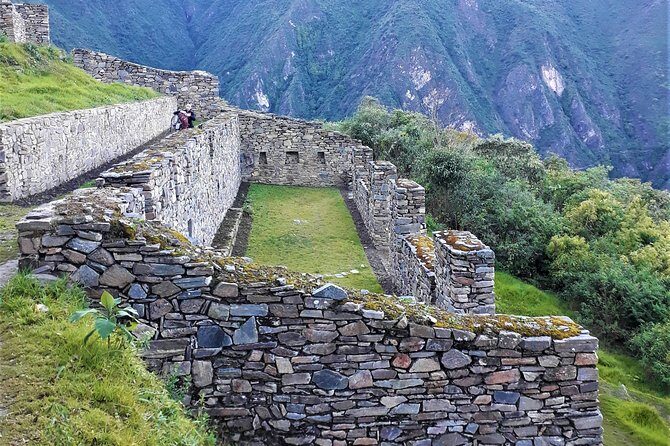
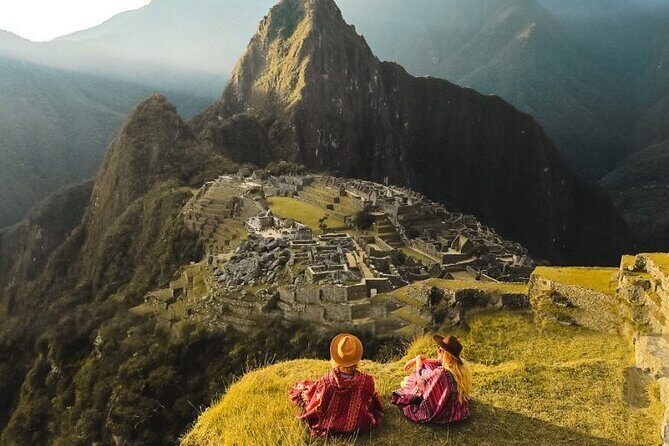
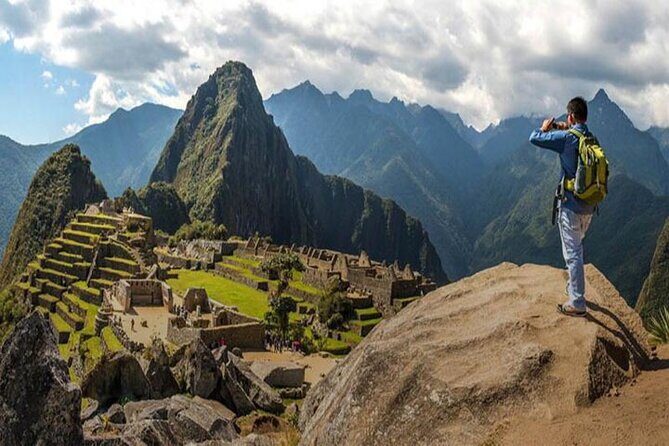
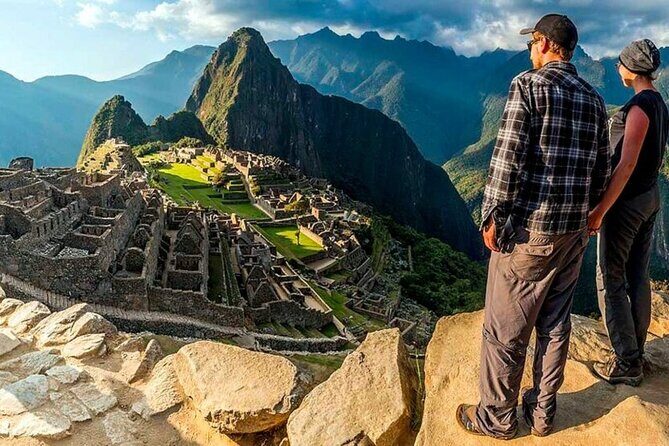
The highlight is, of course, Machu Picchu—the iconic Inca citadel set high in the Andes, with temples and terraced slopes and mountain scenery that does the whole mood shift thing.
A key benefit of having a guide here is simple: Machu Picchu is big, and your eyes can bounce around without direction. The guide helps you connect shapes to purpose—so you’re not just collecting angles, you’re understanding what you’re looking at.
My practical advice: wear good shoes and plan for uneven ground. Bring layers too. Even when Cusco feels mild, the citadel area can feel colder with wind and changing cloud cover.
Also, this experience depends on good weather. If conditions are poor, the tour may be canceled and you’ll be offered a different date or a full refund. That’s not a small detail—weather is part of your trip plan.
Ollantaytambo: A Living Inca Town (Not Just Ruins)
After Machu Picchu, the route continues through the Sacred Valley type of experience: not only archaeological remains, but places that feel inhabited by the past.
One of the major stops is a living Inca town and archaeological complex with:
- impressive terraces
- a fortress
- original Inca urban planning
This is where you get to see how Inca design wasn’t only about ceremonial structures. It was also about building daily life into the terrain. The “living town” framing matters. Even if you don’t meet locals on every corner, the area has a sense of continuity.
What to look for: terrace edges and how the site holds space on a steep grade. You’ll start to notice the engineering patterns you saw earlier at other ruins.
Circular Terraces and the Idea of an Agricultural Laboratory
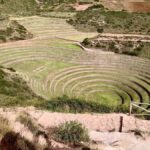
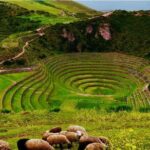
Next up are the circular Inca terraces built into natural depressions, thought to have served as an agricultural laboratory for experimenting with crops and microclimates.
This stop is fascinating because it shifts your mental image of the Inca from stone monuments to food systems and experimentation. It’s an “aha” for many people: their knowledge wasn’t only architectural.
If you’re into photos: the shapes can be tricky at certain angles, so it’s worth waiting for your guide’s timing and viewpoints. Moving a few steps can completely change how those terrace curves read.
An Andean Village Ruins + Colonial Church + Textile Workshops
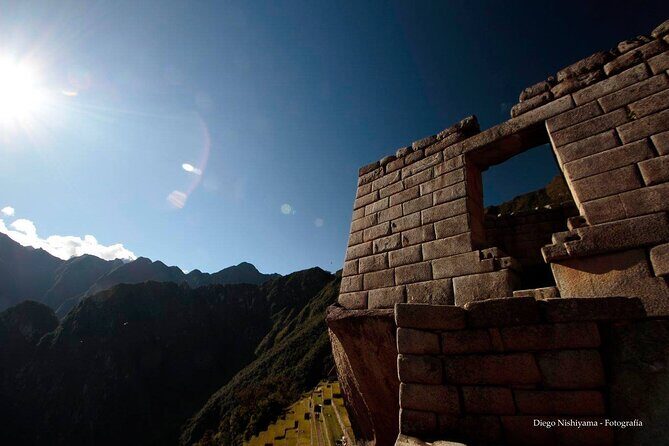
The final major stop described is an Andean village area with Inca ruins, a colonial church, and traditional textile workshops that preserve ancestral weaving techniques.
This is the most “human hands” part of the day. Ruins tell you what was built. Textiles tell you what was taught and practiced. When you see weaving techniques in action, it becomes easier to understand culture as something carried forward, not trapped in stone.
My suggestion: if you’re offered time at the workshops, don’t treat it as a quick shopping stop. Listen to the weaving side—textures, patterns, and what’s involved in the process.
Price and Logistics: Is $390 Worth It?
Let’s talk money like a grown-up. $390 is a lot for a day trip, but here’s what you’re paying for that’s hard to replicate on your own:
- Train tickets and the full Cusco ↔ Ollantaytambo transfer plan
- Bus transport
- Machu Picchu entrance
- A guide for multiple stops
Because so much is included, the cost is really about buying time and reducing friction. You’re not just buying a ticket to Machu Picchu—you’re buying a schedule that keeps you moving and explains what you see along the way.
Two practical tradeoffs to be aware of:
- Lunch isn’t included, so plan on either bringing something you can eat on breaks or budgeting for a meal stop.
- It’s a full-day format (13 to 14 hours). If you hate long days, this may feel like a sprint.
One more planning reality: Machu Picchu ticket availability can be tight. If you try to make changes late, your options can shrink quickly. That’s where the guided structure helps, but it can’t create tickets that don’t exist.
Who This Tour Fits Best (and Who Should Rethink It)
This tour is a strong fit if you:
- want Machu Picchu with tickets and guide support
- like the idea of learning through multiple Inca sites in one day
- prefer a small group and clear transport coordination
- are okay with a long day and early start
You might rethink it if you:
- want a relaxed pace with lots of downtime
- need lunch included in the price
- are very flexible on dates and want the fewest weather sensitivities (because the experience requires good weather)
Should You Book This Machu Picchu Day Trip?
I’d book it if you want a structured day that gets you to Machu Picchu and gives you context while you’re there. The included train and transfers reduce a lot of the usual headaches, and the small group size helps the stops feel less rushed.
Where I’d be cautious is timing. Don’t play chicken with ticket availability. If your plans are tight, book with enough cushion so weather or schedule shifts don’t leave you scrambling.
Also, if you’re the kind of person who likes being told what to look at, you’ll probably feel the benefit of a guide quickly—especially on Machu Picchu, where direction turns a long walk into real understanding.
FAQ
What time does the tour start?
The start time is 8:00 am, and pickup is arranged from any hotel in Cusco.
How long is the Machu Picchu day trip?
The total duration is approximately 13 to 14 hours.
What’s included in the price?
Included are Cusco to Ollantaytambo transfers (and back), train tickets, bus transport, Machu Picchu entrance, and a guide.
Is lunch included?
No. Lunch is not included.
How many people are in the group?
This experience has a maximum of 6 travelers.
What if the weather is bad or I need to cancel?
The tour requires good weather. If it’s canceled due to poor weather, you’ll be offered a different date or a full refund. You can also cancel up to 24 hours in advance for a full refund.