REVIEW · CUSCO
Ultimate Salkantay Trek to Machu Picchu 5 Days
Book on Viator →Operated by TreXperience · Bookable on Viator
4:30 a.m. is where this adventure starts. This 5-day Salkantay trek from Cusco wraps up the hard parts—transport, camps, meals, and Machu Picchu timing—so you can focus on the hike and the views with pickup included. I especially like that you also get a proper night in Aguas Calientes instead of squeezing everything into one brutal long day.
I also like how the route mixes big-ticket scenery with real Peru moments. A day that includes Humantay Lake, a high pass, a Pachamanca cooking experience, and time at coffee farms turns a trek into more than just walking.
One consideration: this is not a casual stroll. Day 2 climbs to the Salkantay Pass and the downhills afterward can be tough on knees, and the schedule is tight with early starts and limited breathing room.
In This Review
- Key things I’d circle before you go
- Why the Salkantay route feels like the real deal to Machu Picchu
- Price and value: what $698 covers (and what it doesn’t)
- The morning machine: pickup, safety briefing, and how the trip stays on track
- Day 1 to Humantay Lake: turquoise water, high-altitude views, and your first climb
- Day 2 over the Salkantay Pass: the highest point and the drop into cloud forest
- Day 3 to Llaqtapata: Pachamanca underground cooking and the coffee-farm stop
- Day 4 sunrise over Machu Picchu from Llactapata, then down to Aguas Calientes
- Day 5 Machu Picchu at first bus time: guided tour, then your choices
- Meals, camping, and comfort: what included food and gear really changes
- Who this trek suits best, and who should think twice
- Practical tips before you go (so your body doesn’t get the last word)
- Should you book Ultimate Salkantay Trek to Machu Picchu 5 Days?
- FAQ
- What time is the pickup for this trek?
- How long is the Ultimate Salkantay Trek to Machu Picchu?
- Is hotel pickup and transportation included?
- Where do you sleep during the trek?
- What meals are included?
- Are tickets to Huayna Picchu or Machu Picchu Mountain included?
- Is a vegetarian option available?
- What should I bring for camping gear?
- What are the requirements for Machu Picchu and travel documents?
- What if I need to cancel?
Key things I’d circle before you go
- 4:30 a.m. pickup and early Machu Picchu bus timing to beat peak crowds
- All meals included during the trek, built around local organic ingredients
- 3 nights camping + 1 night hotel in Aguas Calientes, with comfortable camping equipment included
- Pachamanca lunch and an organic coffee farm stop (hands-on, not just a photo stop)
- Small group size (max 16) for a trek that still feels personal
- A guided route with support from crews that can include Manolo, plus Raymundo, Rosalio, and Elario
Why the Salkantay route feels like the real deal to Machu Picchu
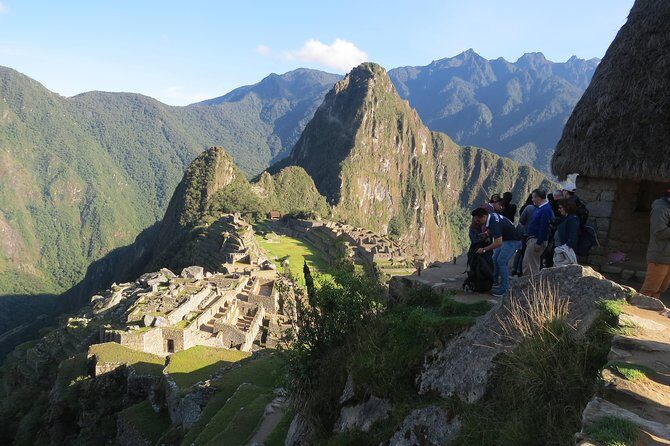
If you’re choosing between Machu Picchu that’s mostly bus-and-train, and Machu Picchu that’s earned one stair-step at a time, Salkantay is the pick that matches the spirit of the Andes. This trek follows the Incas’ energy—high ridges, steep changes in weather, and those moments when the mountains open up and you can see for miles.
The big practical win here is that you’re not solving logistics alone. You’re picked up in downtown Cusco, transported between key points, fed all trek-long, and guided up to Machu Picchu with tickets and buses handled. That matters because the hardest part of trekking in Peru is often not the hiking—it’s everything around it.
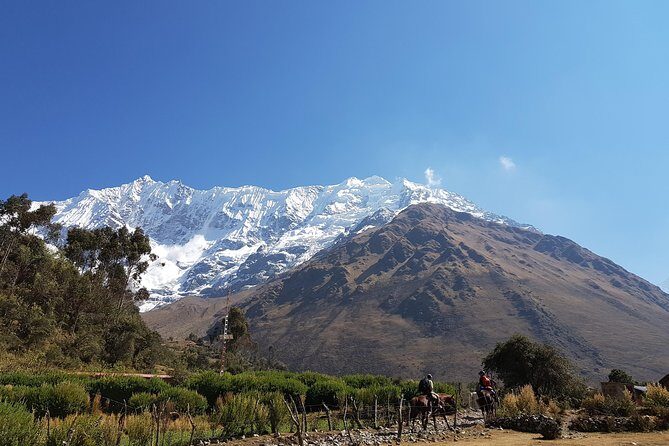
Also: Salkantay is known for dramatic altitude changes. One day you’re moving through high passes and turquoise lake country; the next you’re dropping toward cloud forest. That variation keeps the trek interesting even when your legs are negotiating with gravity.
You can also read our reviews of more hiking tours in Cusco



Price and value: what $698 covers (and what it doesn’t)
At $698 per person, this tour isn’t trying to be a budget backpacker deal. What you’re paying for is the structure: transport throughout the trek, camping gear for the three mountain nights, a 3-star hotel night in Aguas Calientes, entrance tickets, Machu Picchu buses, and the train back.
Here’s where the value shows up in real terms:
- You don’t need to coordinate your own lodging and transport between trek days.
- Food is handled with meals using local organic ingredients, plus special items like Pachamanca and brunch.
- Machu Picchu logistics are included, including buses up and down and a train ride back to Cusco at the end.
What to keep in mind: some add-ons cost extra. Huayna Picchu and Machu Picchu Mountain tickets are not included and must be booked in advance. You may also want rentals like a sleeping bag, trekking poles, or an air mat, depending on what you already own.
The morning machine: pickup, safety briefing, and how the trip stays on track
This trek is built on early starts, and you’ll feel that right away. You’re picked up from your hotel at 4:30 a.m., and there’s also a safety briefing the day before at 6:00 p.m. at the office.
That briefing is more than paperwork. It’s the moment you learn how the group will move, what to expect with gear, and how the day’s timing works. With a small group—maximum 16 people—the guide can keep things moving without treating the trek like a giant cattle line.
One useful detail: your duffel bag up to 7 kilos is carried by horses. That’s a big deal. You can keep your personal pack lighter for the long climbs and descents and focus on balance and footwork instead of hauling everything yourself.
Day 1 to Humantay Lake: turquoise water, high-altitude views, and your first climb
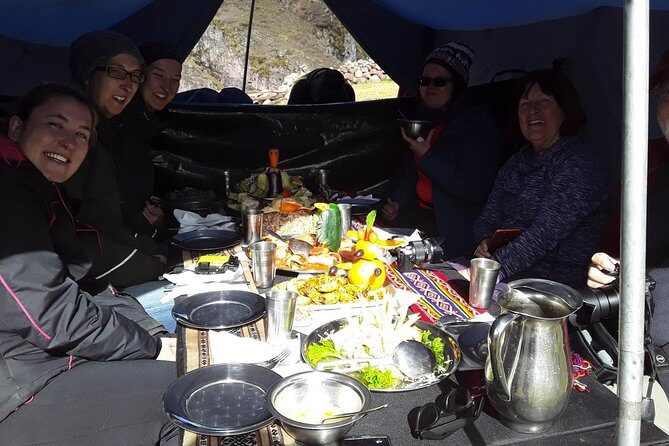
Day 1 starts with that pre-dawn pickup and a drive toward Soraypampa at 3,800 m / 12,467 ft, arriving around 8:30 a.m. Breakfast comes first, then you begin the Salkantay trek experience.
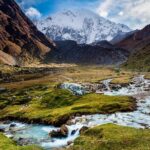
The highlight here is the walk to Humantay Lake at 4,200 m / 13,780 ft. It’s about a 2-hour walk up, and the reward is the turquoise water that makes people stop and stare. Even if you’ve seen photos, the real thing hits different because the lake sits under big mountains and hard altitude.
After soaking in the views, you head for lunch. This isn’t just a packed sandwich stop. You’ll eat at a lunch place where the chef is waiting with food made from organic local products. Then comes more climbing—about two more hours—to reach your next mountain base.
A nice bonus: you’re not just moving through scenery—you’re also watching for wildlife and highland life. Along the way, expect to see local flora and fauna such as Andean goose, deer, and vizcachas (those rabbit-like animals you’ll spot if you keep your eyes up and your pace steady).
What could be tiring: Day 1 is gentle compared to Day 2, but you’re still going uphill at altitude. Go slow at the start. If you try to hike fast to catch up, altitude will punish that plan.
Day 2 over the Salkantay Pass: the highest point and the drop into cloud forest
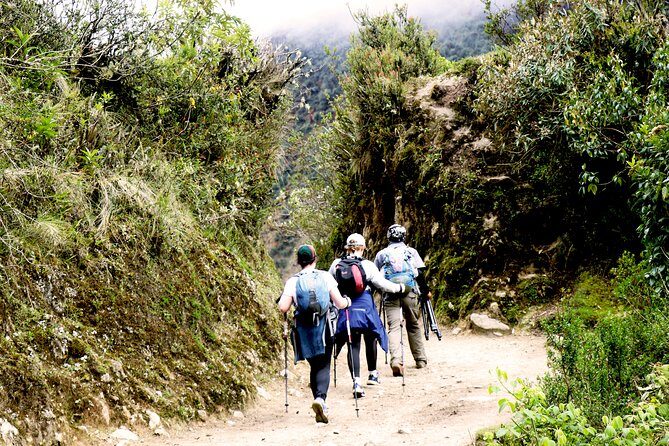
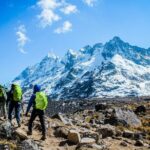
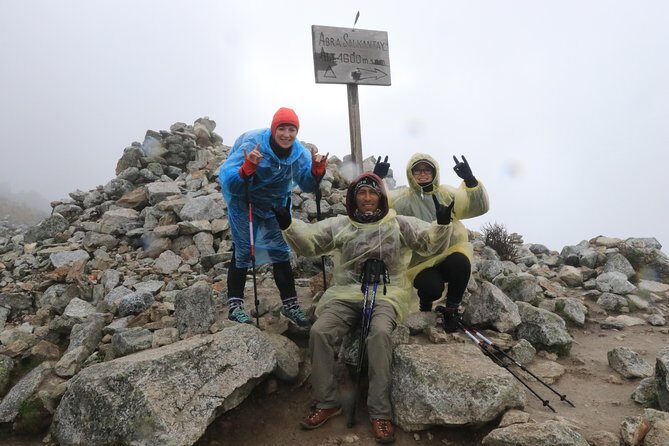
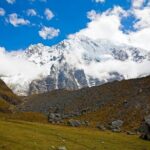
Day 2 begins with wake-up coffee or coca tea, then breakfast. Then you climb toward the trek’s high point: the Salkantay Pass at 4,630 m / 15,190 ft.
This is the day where the Andes switch from tough hiking to serious altitude work. At the summit, you get time to explore the surroundings, including a lake at the base of the mountain. It’s one of those moments when you realize why people chase this route: it’s not just elevation—it’s the way the peaks open up and the air clears.
After the pass, it’s about a 3-hour downhill hike to Wayracmachay (3,800 m / 12,467 ft) for lunch. This is where knees can complain. Downhills put stress on joints, and a lot of people feel it in the last stretch.
Once lunch is done, you start descending from the highlands into the cloud forest. That change is quick—temperature and weather can shift fast. The guide’s job matters here because pacing, layering, and timing help you avoid getting cold and miserable when the weather swings.
You can also read our reviews of more tours and experiences in Cusco
Day 3 to Llaqtapata: Pachamanca underground cooking and the coffee-farm stop
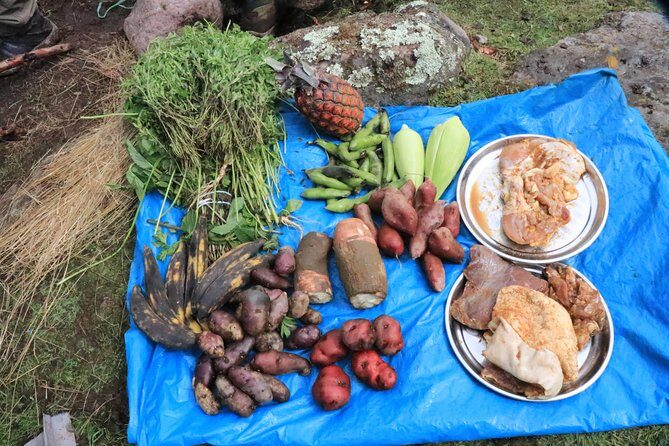
Day 3 is one of the most interesting days because it blends culture with hike time.
After breakfast, you head to Lucmabamba (2,000 m / 6,600 ft). This is where you’ll do Pachamanca—ancient underground cooking. You’ll participate in the preparation, which is more engaging than a simple meal. Food on a trek is fuel, but Pachamanca also gives you a story you can carry.
Then you visit a local coffee farm and prepare organic coffee. It’s a small detail, but it breaks up the trek rhythm. It’s also a reminder that these highland regions aren’t just mountain backdrops—they’re living places with agriculture and craft.
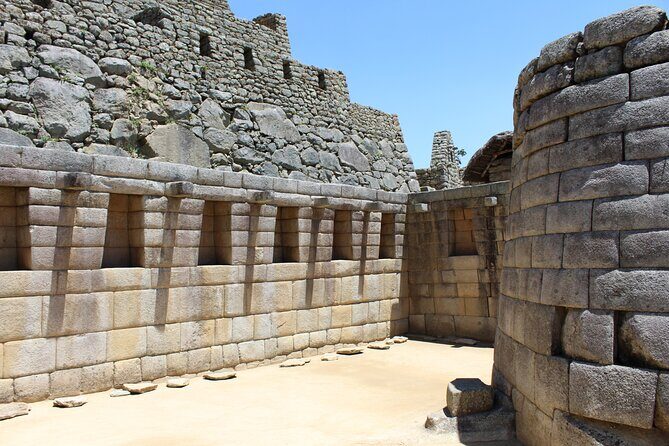
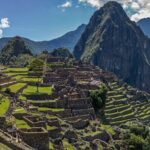
After lunch, you hike for around 3 hours along an ancient Inca trail to Llaqtapata. Llaqtapata is another Inca ruin, set right in front of Machu Picchu. The payoff is that you’re not arriving at Machu Picchu on day 5 thinking you’re seeing it for the first time. You get a preview from a different angle first, which makes the final approach feel sharper.
You’ll also get time to explore the site and learn about Inca history before reaching camp for the night.
Possible drawback: this day still has hiking time after a full lunch block. If you prefer a lighter day, plan to take it easy with your energy management during the coffee and cooking stops so you don’t feel wiped out on the trail.
Day 4 sunrise over Machu Picchu from Llactapata, then down to Aguas Calientes
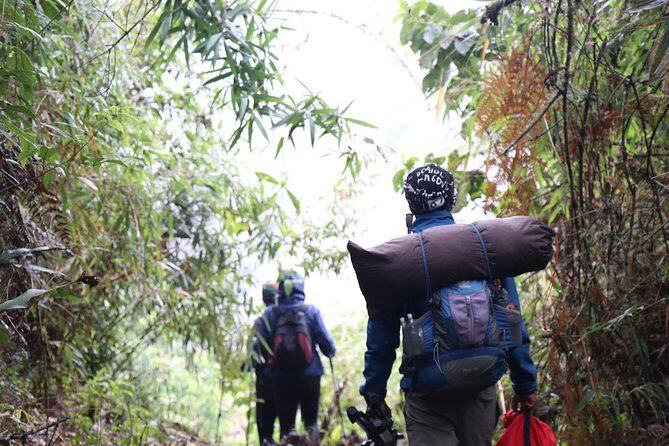
Day 4 starts with the kind of timing that makes early mornings worth it. Because you’re near Llactapata, it’s a great chance to get up early and watch sunrise over Machu Picchu.
Then breakfast happens, and you continue downhill for about 2 hours to the hydroelectric station. There’s a brunch there to refuel. After that, you walk roughly 3 hours along the railway to Aguas Calientes.
This train-and-rails segment has history. It’s tied to the discovery story of Machu Picchu, linked with Hiram Bingham and the year 1911. Even if you don’t know the story already, you’ll feel like you’re walking part of the same corridor of attention that helped the world learn about the site.
Along this stretch, you may spot birds such as rupicola peruviana (cock-of-the-rock), parrots, toucans, hummingbirds, and other endemic species. The guide can help you notice what’s around you, not just what’s ahead.
The night in Aguas Calientes is included in a 3-star hotel, which is a welcome change after days of camping. You’ll want that bed. Day 5 starts even earlier.
Day 5 Machu Picchu at first bus time: guided tour, then your choices
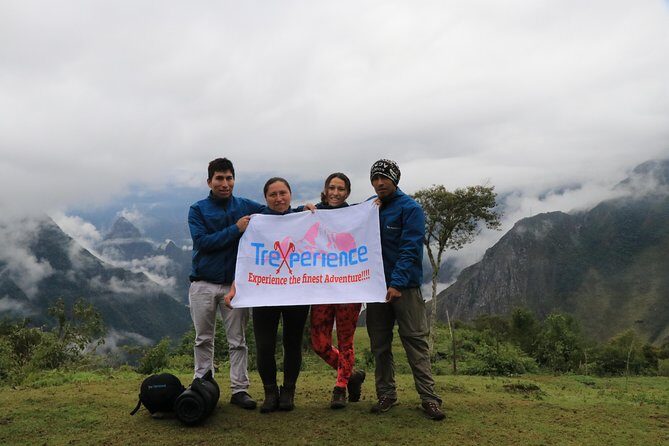
Your final day is all about timing. You’ll get up early and head to the line for the first buses going up to Machu Picchu at 5:30 a.m. The goal is simple: beat the crowds and keep your visit from turning into a slow shuffle.
Once you’re up, your guide gives you a 2 to 3 hour detailed guided tour of Machu Picchu. After that, you’re left to explore on your own. This is when you can linger at the spots that catch your eye, take your time with photos, and decide how you want to move through the ruins.
You also have two optional climbs if you booked the tickets:
- Huayna Picchu
- Machu Picchu Mountain
Tickets for these are not included and need advance booking. If you’re set on one of those, don’t wait until you arrive in Peru. Plan ahead early.
For the return, your guide explains how to take the bus back down to Aguas Calientes for lunch (not included). Then you ride the Vistadopme/panoramic train and bus back toward Cusco to close the loop.
Meals, camping, and comfort: what included food and gear really changes
This trek includes all meals during the trek—and that’s a major quality-of-life upgrade. You’re eating while your body is doing altitude work, so having meals planned (rather than scavenged) reduces stress. The food uses local organic ingredients, and you’ll see that style show up from day to day: hearty lunches, breakfast routines, and special moments like Pachamanca and brunch.
On the ground side, you’ll do 3 nights camping with comfortable equipment included. What’s not included: sleeping bags, poles, and air mats. The tour offers rentals if you need them, which is handy because many visitors arrive from different climates and don’t pack proper cold-weather gear.
The big practical point: don’t assume you’re fully covered if you travel light. If you’re bringing your own sleeping bag, good. If you aren’t, ask about the rental setup so you don’t end up bargaining for warmth at altitude.
Who this trek suits best, and who should think twice
This is a high-altitude trek with steep sections, especially around the pass and the descents. The route is listed as requiring moderate physical fitness, but your knees and your breathing control matter as much as your endurance.
You’ll likely love it if you:
- enjoy multi-day hikes with structured support
- want Machu Picchu, but also want the route to get you there
- like cultural add-ons like Pachamanca and coffee-farm time
- don’t mind early starts and a packed day schedule
You should think twice if you:
- have knee problems and know downhill descents trigger flare-ups
- struggle with altitude generally, especially on days that climb high and then drop quickly
- need lots of downtime for independent wandering—because the day plan is tight and the guide keeps the group moving
One language note from real-world experience: group size is capped, but you’re still moving in a team. If you’re not comfortable with the tour’s main language, you’ll want to pay extra attention to instructions and ask questions early. Good crew support helps a lot—some groups run with guides like Manolo and crew members including Raymundo, Rosalio, and Elario, and that kind of teamwork can keep you from feeling lost.
Practical tips before you go (so your body doesn’t get the last word)
- Pack for altitude and fast weather changes. Even if the day starts mild, cloud forest conditions on the descent can feel cooler.
- Bring layers. Think base layer, warm layer, and rain protection.
- Plan your optional Machu Picchu climbs in advance. Huayna Picchu and Machu Picchu Mountain tickets require advance booking.
- If you’re prone to sore knees, consider bringing supportive trekking poles if the rental works for you.
- Don’t overpack. Your duffel can go up to 7 kilos by horse, but you’ll still want a comfortable day pack for your essentials.
Should you book Ultimate Salkantay Trek to Machu Picchu 5 Days?
I’d book this if your priority is a smooth, guided Salkantay experience that ends with Machu Picchu handled from start to finish. The best value isn’t just the sights—it’s the fact that transport, meals, entrance tickets, and Machu Picchu bus timing are taken care of.
You might skip it if you’re looking for a relaxed pace, lots of independent time, or a trip that’s mostly comfortable from beginning to end. Early mornings and altitude days are part of the deal.
If you want Machu Picchu with the Andes still in your legs—Humantay Lake first, Salkantay Pass next, Llaqtapata before the final reveal—this is the kind of trek that gives you that full story.
FAQ
What time is the pickup for this trek?
Pickup is at 4:30 a.m. on the morning of the tour.
How long is the Ultimate Salkantay Trek to Machu Picchu?
The duration is 5 days (approx.).
Is hotel pickup and transportation included?
Yes. The tour includes pickup from your hotel and all transportation during the trek.
Where do you sleep during the trek?
You get 3 nights camping in the mountains and 1 night in a 3-star hotel in Aguas Calientes.
What meals are included?
All meals during the trek are included, using local organic ingredients. The itinerary also includes special meals like Pachamanca and brunch.
Are tickets to Huayna Picchu or Machu Picchu Mountain included?
No. Those tickets are not included and need to be booked in advance.
Is a vegetarian option available?
Yes. A vegetarian option is available if you request it at booking.
What should I bring for camping gear?
Sleeping bags, poles, and air mats are not included, but they can be rented from the provider.
What are the requirements for Machu Picchu and travel documents?
You’ll need a current valid passport on the day of travel, and the passport details (name, number, expiry, country) are required at booking.
What if I need to cancel?
This experience is non-refundable and cannot be changed for any reason. If it’s canceled due to poor weather, you’ll be offered a different date or a full refund. If the minimum number of travelers isn’t met, you’ll be offered a different date/experience or a full refund.