REVIEW · CUSCO
Complete Sacred Valley Tour Small group Pisac, Maras, Moray & Ollantaytambo
Book on Viator →Operated by Willka travel Cusco · Bookable on Viator
A day in the Sacred Valley hits like a history lesson with views. You’ll bounce between key Inca sites, then add the fun stuff: markets, salt pools, and those terrace “experiments” at Moray. It’s a solid small-group plan that keeps the driving efficient and the stops meaningful.
I like two things most. First, the route mixes major ruins with everyday life (hello, Pisac market). Second, you get a professional guide in English/Spanish who helps connect what you’re seeing—like why the Incas shaped the slopes with terraces and irrigation.
One thing to plan for: the tickets for the ruins/salt mines are not included, and you’ll need cash on the spot. Also, lunch lands late (around early afternoon), so light snacking earlier helps.
In This Review
- Key points to know before you go
- A smooth Sacred Valley route that still feels human
- Small-group comfort: pick-up, AC van, and a cap of eight
- Pisac Archaeological Park: terraces, carved stone, and strong viewpoints
- Pisac Market stop: crafts, conversations, and a real taste of local rhythm
- Moray: the Inca farming lab you can picture instantly
- Maras Salt Mines (Salineras): 3000+ salt pools and the best photo angles
- Ollantaytambo ruins: Inca architecture plus Wiracocha rock form
- Buffet lunch in Urubamba: good fuel, late timing, and a few “bring your own” thoughts
- Price and what you’re really paying for
- Guide and driver: when the day clicks, it’s usually the people
- Who this tour fits best (and who should rethink it)
- Should you book this Sacred Valley small-group tour?
- FAQ
- How long is the Sacred Valley tour?
- How many people are in the group?
- Is hotel pick-up included from Cusco?
- Are tickets included for the ruins and salt mines?
- What’s included in the tour besides transportation and guide?
- What time and stops should I expect?
- What is the cancellation policy?
Key points to know before you go
- Small group (max 8): easier pacing, more time for questions, and less scrambling.
- AC private transport: you’ll appreciate the comfort on a long Cusco-based day.
- Cash-only site fees: Sacred Valley and the salt mines each require separate payments.
- Terraces everywhere: Pisac, Moray, and the surrounding valley show Inca engineering in different forms.
- Lunch timing + setup: buffet in Urubamba works, but it’s not a foodie highlight.
- Guide names show up often: Jimy, Jaime, Juan, and drivers like Celestino have been credited for making the day smooth.
A smooth Sacred Valley route that still feels human
This tour is built for a 12-hour day that doesn’t try to make you sprint from one photo stop to the next. You start in Cusco, move through the Sacred Valley in a logical order, and hit the major “must-see” areas without turning the day into one long line.
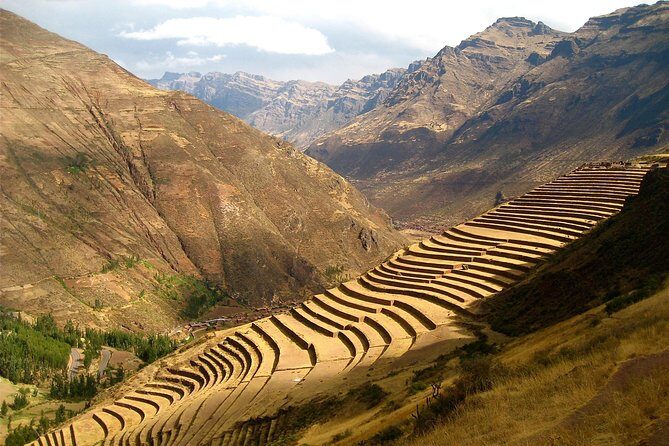
The best part is how the stops connect. Pisac shows Inca stonework and farming terraces. Moray shifts to the idea of controlled growing conditions. Maras shows the Incas-era salt economy turned into a working landscape. Then Ollantaytambo rounds it out with strong architecture and a big visual anchor at the site.
You’ll also notice the pacing is usually balanced. Expect about 30–60 minutes at Pisac and Ollantaytambo, and shorter blocks at Moray and Maras. That helps at altitude, where “quick” can still feel heavy.
You can also read our reviews of more tours and experiences in Cusco.


Small-group comfort: pick-up, AC van, and a cap of eight
The tour runs with a max of 8 people, which changes the whole vibe. You’re not fighting for space at viewpoints. You can ask questions without the guide shouting over a crowd. And if you need a breather for altitude, it’s easier to step aside.
Transportation is private with air conditioning, and you can choose hotel pick-up in Cusco if that option is selected. For many people, that’s a big value point: it removes the stress of figuring out where to meet with the timing of a full-day plan.
Pisac Archaeological Park: terraces, carved stone, and strong viewpoints
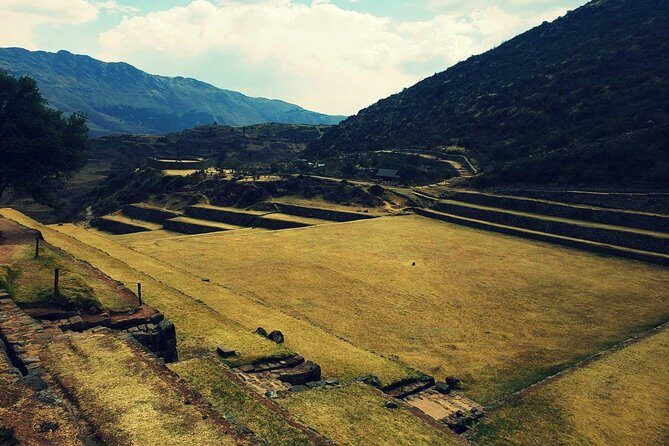
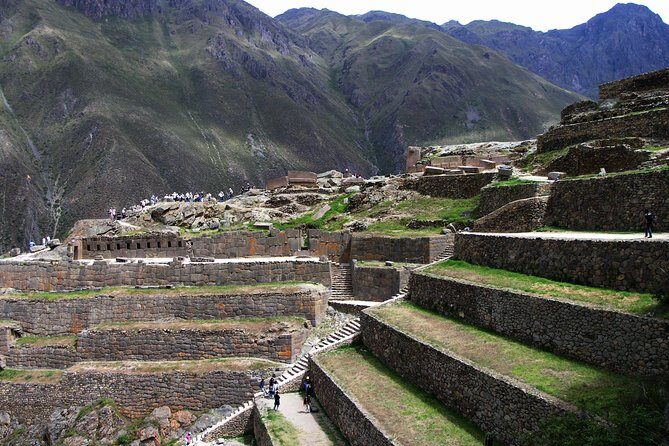
Pisac is where the Sacred Valley starts to feel real. The ruins sit on a hill with dramatic stone features, including rock art etched into the stone and impressive agricultural terraces. If you’ve ever wondered how the Incas “managed” mountains, Pisac gives you a visual answer fast.
You’ll usually get about one hour at the park. That’s enough time to see the big features, look closely at carved details, and still get photos without rushing to the next bus pull-out.
Practical tip: wear shoes with grip. Some stone areas can be uneven, and you’ll want stable footing for terrace edges and stair climbs. Bring sunglasses too—this area can be bright even when the clouds look friendly.
Pisac Market stop: crafts, conversations, and a real taste of local rhythm
Next up is the Pisac Market, with about 45 minutes to roam. This is where the day shifts from ruins to people. You can interact with local vendors and buy crafts if something catches your eye.
You should also go in with realistic expectations: market stops can involve selling. The good news is that this one is more than a quick photo break. It gives you time to look around and decide what you actually want.
If shopping isn’t your thing, treat it as a break for your brain. Walk slowly. Watch how stalls are set up. It’s a calmer moment before you move on to the big engineering sites.
Moray: the Inca farming lab you can picture instantly
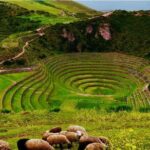
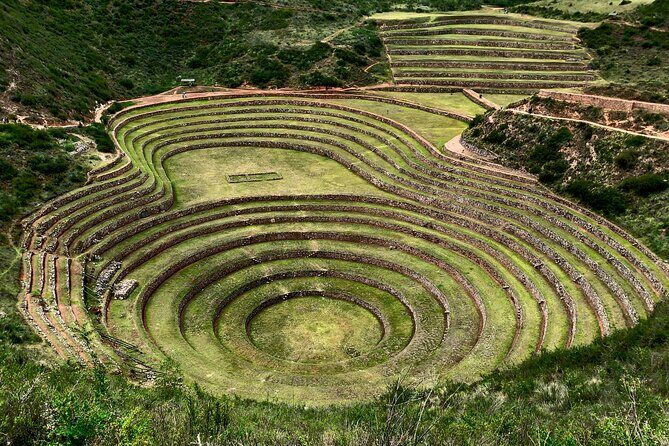
Moray is one of those places where the name alone doesn’t do it justice. The site consists of terraces shaped like amphitheaters, carved into the earth in a bowl form. The terraces are thought to have been used like an agricultural laboratory—basically to test conditions for growing crops.
You’ll typically spend about one hour here. That time window matters because Moray isn’t just a “stand and snap” site. You want a few minutes looking down into the terraces, then walking to another angle so the bowl shape makes sense.
What I like about Moray as a tour stop is that it explains Inca thinking without lecturing. You look, you notice the form, and suddenly the farming logic feels tangible.




Maras Salt Mines (Salineras): 3000+ salt pools and the best photo angles
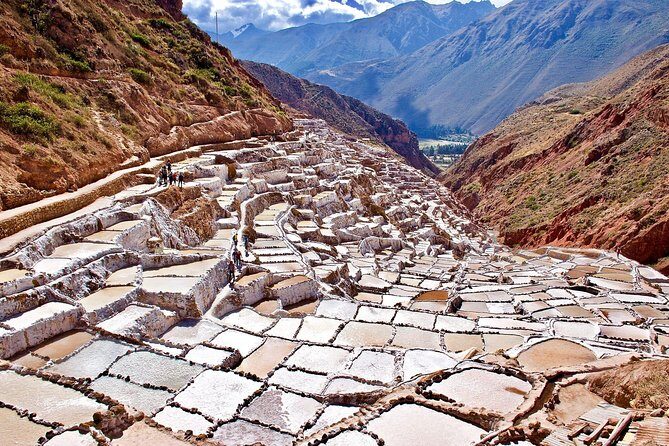
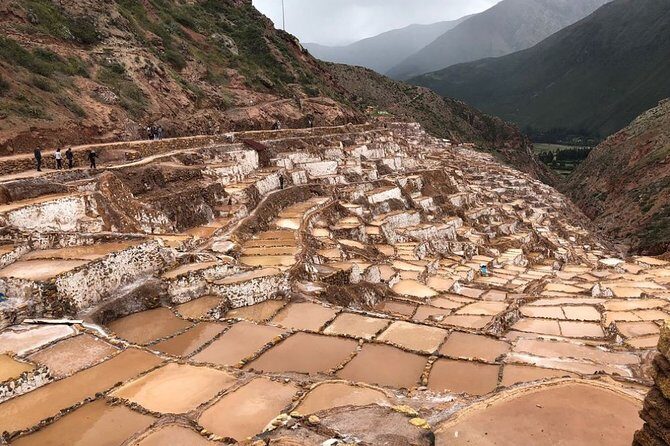
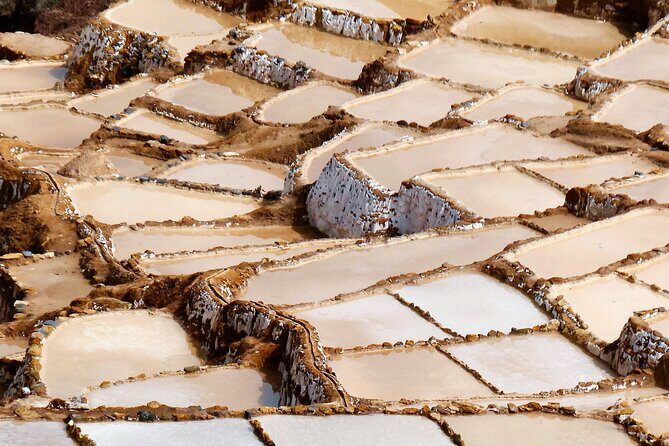
Maras is the day’s “wow” moment for a lot of people, and for good reason. The salt pools—over 3,000 of them—are carved into the mountainside. Water feeds the pools, and as it evaporates, you’re left with that glistening patchwork of salt.
You’ll usually have about 45 minutes at the salt mines. That’s just enough time to walk to a couple viewing points and still come back for the classic wide-angle shots. The area is very photogenic because it combines Andes terrain with that bright grid pattern.
Bring a light layer if it’s windy. These open areas can feel cooler than you expect. And yes, it’s worth taking photos early in the visit—because cloud cover and angle changes can happen fast.
Ollantaytambo ruins: Inca architecture plus Wiracocha rock form
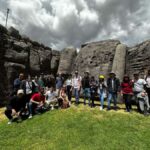
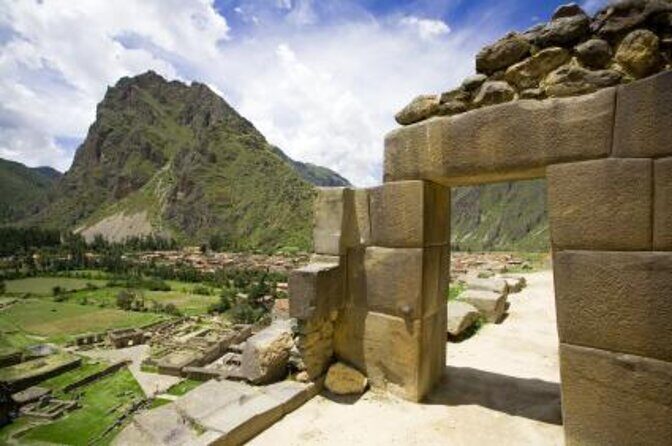
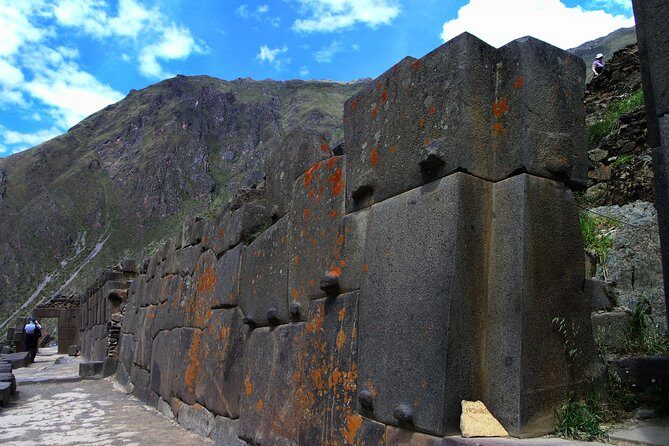
Ollantaytambo brings the day to an Inca site with strong structure. You’ll visit the Archaeological Park once you reach town. The ruins highlight Inca architecture at its height, and the site includes a rock formation representing the Inca god Wiracocha.
You’ll typically get around one hour at Ollantaytambo. That’s enough time to see major sections of the ruins and take your time around the rock form without feeling shoved.
One planning note: the tour plan says it ends back at the Cusco meeting point. Still, some experiences have ended in the Ollantaytambo town center, which can be handy if you’re lining up the next leg toward Aguas Calientes for Machu Picchu. If you have a train connection, ask the operator what the final drop-off looks like for your specific day.
Buffet lunch in Urubamba: good fuel, late timing, and a few “bring your own” thoughts
Lunch is a buffet in Urubamba. It’s included, which is a big deal on a long day where “where do we eat?” can turn into wasted time.
The timing can feel late, around 2 pm. Plan for that. I recommend bringing a couple small snacks for the earlier part of the day—think nuts, a granola bar, or fruit you can eat quietly on the van ride.
On the quality side, expect practical buffet food rather than a highlight meal. In particular, some people noted the buffet space could feel like a basic hall with limited labeling and coverage. It’s still a useful stop because you’ll need energy for the next set of ruins.
Price and what you’re really paying for
The listed price is $73.47 per person for a ~12-hour tour. That includes hotel pick-up in Cusco when selected, a professional guide (English/Spanish), buffet lunch in Urubamba, private AC transportation, and a small group size limited to 8.
Here’s the part that matters for your budget: the site fees are not included. You’ll need cash for:
- Sacred Valley ticket (70 soles, cash only)
- Salt mines ticket (20 soles, cash only)
Pisac Market is free, and Ollantaytambo is listed as free, which helps offset the add-ons. Still, you should treat this as a base price plus cash on site.
Value check: you’re paying for time and human help. A route like this gets expensive fast if you try to DIY it by taxi and stumble into ticket lines and long waits. The small group and guide make it easier to get meaning from the day, not just photos.
Guide and driver: when the day clicks, it’s usually the people
The reviews you’re likely to hear about this tour often point to the same thing: the guide matters. Names like Jimy, Jaime, and Juan show up as examples of guides who explain the sites in clear, practical ways and keep the day moving.
You’ll also see the driver getting credit. Celestino was mentioned by name. Another detail worth noting: if you want the market stop honored exactly as listed, it helps to communicate calmly and early. One review described a driver who seemed impatient about the market request, which can affect your experience even when the itinerary is clear.
So my advice is simple: treat this as a guided day. Listen for timing, ask questions when it’s convenient, and don’t wait until the van is already rolling.
Who this tour fits best (and who should rethink it)
This works especially well if you want:
- A one-day Sacred Valley overview without hopping between multiple operators
- A small group experience that doesn’t feel like a cattle line
- A guide who connects terraces, agriculture, and Inca thinking
- A plan that’s useful even if your next day involves Machu Picchu travel through Ollantaytambo
You might rethink it if:
- You hate paying site fees separately (and you don’t carry cash)
- You’re very sensitive to late lunch timing
- You prefer a slower pace with more free time at fewer stops
For most people, though, this hits the sweet spot: you see the big names, get enough time to appreciate them, and still have a structured flow.
Should you book this Sacred Valley small-group tour?
If you’re doing Cusco and you want the Sacred Valley in one efficient day, I’d book it. The combination of small group size, AC transport, and included lunch makes the day easier on your body. Plus, the route links different kinds of Inca “systems” (farming terraces, controlled growing conditions, and salt production) in a way that feels more logical than random sightseeing.
Just go prepared: bring cash for the Sacred Valley and Maras tickets, pack light snacks for the late lunch window, and wear shoes that handle uneven stone. If you do that, you’ll finish the day with strong site photos and a clearer picture of how the Incas shaped life in the valley.
FAQ
How long is the Sacred Valley tour?
It runs about 12 hours (approx.).
How many people are in the group?
This is a small group limited to 8 people max.
Is hotel pick-up included from Cusco?
Pick-up from your hotel in Cusco is included if you select that option.
Are tickets included for the ruins and salt mines?
No. The Sacred Valley ticket (70 soles, cash only) and the Salt mines ticket (20 soles, cash only) are not included. Pisac Market is free, and Ollantaytambo’s archaeological park is listed as free.
What’s included in the tour besides transportation and guide?
You get a professional guide (English/Spanish), buffet lunch in Urubamba, and private air-conditioned transportation.
What time and stops should I expect?
You’ll visit Pisac Archaeological Park (about 1 hour), Pisac Market (about 45 minutes), Moray (about 1 hour), Salt Mine of Maras (about 45 minutes), and Ollantaytambo Archaeological Park (about 1 hour).
What is the cancellation policy?
You can cancel for free up to 24 hours in advance for a full refund.