REVIEW · CUSCO
Tour from Cusco to Maras and Moray by Car
Book on Viator →Operated by ATV CUSCO ADVENTURES ON WHEELS · Bookable on Viator
Two Sacred Valley stops, one smooth morning. This Cusco car tour strings together Salinas de Maras salt pools on Qaqa Wiñay (3,380 m) and the terrace “coliseums” of Moray—all in a day that moves at a steady pace.
I especially like how the Salinas area shows Inca-scale engineering: thousands of hand-dug salt pools/pits carved into the mountain, still worked today using a manual extraction system. I also like Moray’s idea in the real world: three circular terraces where different temperatures and microclimates form in the same place, partly based on sun and wind.
One thing to keep in mind: the low tour price is not the full cost. You’ll still want budget for entrance fees at the sites (Moray PEN70 per person, and Maras PEN20 per booking).
In This Review
- Key things to know before you go
- Maras Salt Pools at Qaqa Wiñay: why this stop feels so different
- Moray’s circular terraces: Inca microclimates you can actually picture
- The full schedule: how the day flows from Cusco out to the Sacred Valley
- Price and value: the $19 tour fee plus site tickets
- Guides and safety: what the best days feel like
- Car tour or quad energy? Know what kind of day you’re booking
- Who should book this Cusco to Maras and Moray tour
- Should you book?
- FAQ
- How long is the Cusco to Maras and Moray tour?
- Where is the meeting point, and when does the tour start?
- What are the main stops on the route?
- Are entrance fees included in the price?
- What’s included in the tour price?
- How many people are in the group?
- What fitness level do I need?
- What happens if the weather is bad?
- Can I cancel for a full refund?
Key things to know before you go
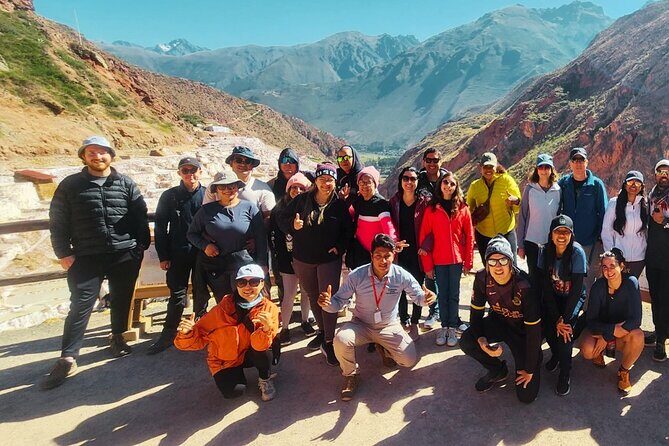
- Small group (max 10 travelers) keeps the day personal, with time for questions
- Bilingual professional guide helps you connect the dots between salt, terraces, and Inca farming logic
- Qaqa Wiñay altitude (3,380 m) is real—bring a calm pace and plan for thinner air
- Moray’s three circular “coliseums” are built to create different microclimates in one spot
- Air-conditioned vehicle and first aid kit add comfort and extra peace of mind for the road day
Maras Salt Pools at Qaqa Wiñay: why this stop feels so different
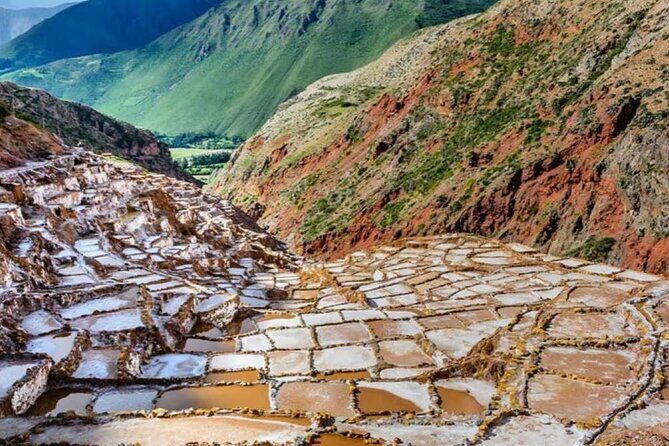
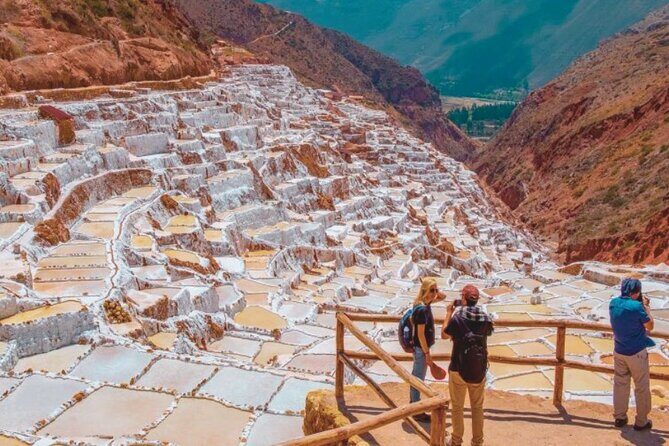
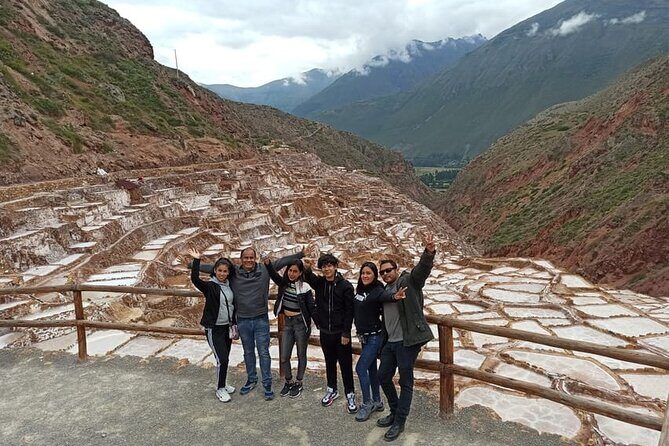
Salinas de Maras is one of those places where you don’t need a lecture to understand what happened. You arrive near Qaqa Wiñay at about 3,380 meters, and the scale hits you: more than 3,000 mines/pools carved into the mountain for salt extraction.
What I like about this stop is that it is not just a pretty postcard. It’s an active, working system. The manual extraction approach still functions today, which makes the whole operation feel less like ancient ruins and more like a long-running local industry rooted in Inca ingenuity.
Timing matters here. The plan is to get you to Maras in the morning (you’re picked up from your accommodation between 8:00 and 8:30), so you’re not arriving when the light is harsh or when crowds can feel heavy. You also get roughly two hours on-site, which is enough time to wander, take photos, and really look at how the pools step down the mountain.
A practical note: Salinas is often uneven. Even if you’re not doing anything strenuous, plan for walking on varied ground. And at altitude, you’ll move slower than usual—so I recommend you treat the first part like a warm-up, not a sprint.
You can also read our reviews of more tours and experiences in Cusco.



Moray’s circular terraces: Inca microclimates you can actually picture
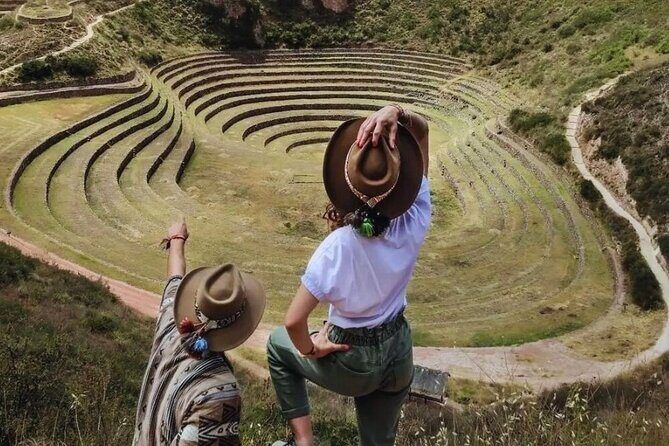
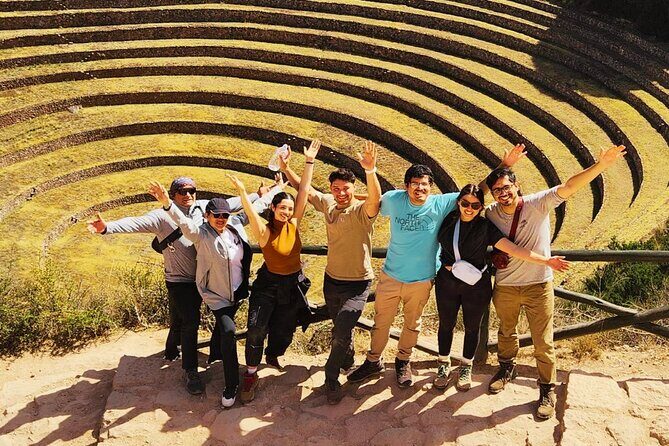
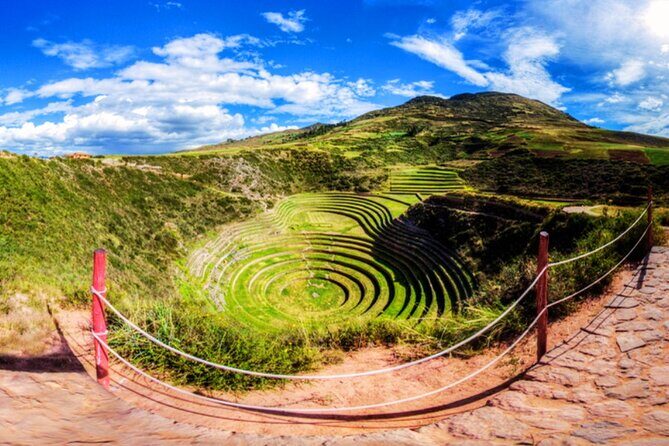
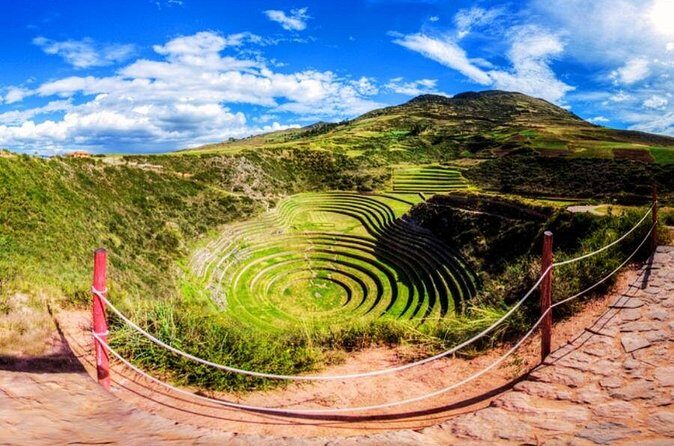
Then it’s on to Moray, famous for its three “coliseums”—circular terrace systems that the Incas used for farming. The key idea is simple but powerful: the terraces create different microclimates in the same general area.
Here’s what you’re looking for when you’re there: each depression/terrace can sit at a different temperature, shaped by orientation to the sun and by wind. That means crops could be grown under different conditions without needing to travel far across the region. It’s like a natural laboratory engineered into stone steps.
You get around two hours at Moray, which feels about right. You need time to walk the perimeter, absorb what you’re seeing, and connect the microclimate concept to the physical layout. If you only pass through quickly, the meaning can get lost.
Also, you should know the entrance fee here is not included in the base price: Moray costs PEN70 per person. That’s not a dealbreaker, but it is part of the real cost of the day, so don’t plan on a one-fee checkout experience.
The full schedule: how the day flows from Cusco out to the Sacred Valley
This is a roughly 6 hours 30 minutes kind of outing. The start is early, with the activity beginning around 8:00 am from Plaza de Armas in Cusco (and pickup from your accommodation between 8:00 and 8:30).
The structure is straightforward:
- morning drives out to Maras
- then you continue to Moray
- then you head back to Cusco, arriving around 15:00 at Plaza Regocijo (Kusipata)
Why that matters: you get a tight combination of two major Sacred Valley sites without the long, day-killing stretches that can happen on bigger multi-stop tours. You’re not trying to fit in every possible ruin. Instead, you’re focusing on two places that teach two different ideas: salt extraction as a system, and farming as climate engineering.
Another small detail that helps: the tour returns to the same general meeting point area. That means you’re not scrambling later to figure out transport or how to get back across town.
Price and value: the $19 tour fee plus site tickets
The advertised tour price is $19. On paper, that’s low. In real life, you should budget for site entry fees on top.
Not included in the price:
- Moray entrance: PEN70 per person
- Maras entrance: PEN20 per booking
So the value equation becomes: you’re paying for the car, the bilingual guide, and the organized timing, and then you pay the sites separately. That’s common for Peru tours, and in this case it’s workable because the sites are the whole point of the trip.
Is it still good value? I think so, for two reasons. First, the tour includes an air-conditioned vehicle, which is a real comfort upgrade on a day drive. Second, you get a professional bilingual guide to help interpret what you’re seeing at both locations—especially helpful at Moray, where the terrace layout is the story.
Guides and safety: what the best days feel like
This is a small-group tour with a maximum of 10 travelers. I like the size. It keeps the day from feeling like a moving queue and makes it easier for the guide to check in with people during the transitions—especially if you’re adjusting to altitude.
The biggest praise from the experience is about how the guides show up in the moment: clear explanations, friendliness, and a calm approach to safety. Names that come up include Felix, Holger, and Andy (and in one case, Noah is specifically mentioned as the cautious driver). You’ll want a guide who can translate what you’re seeing into plain language, and that’s exactly the kind of communication style you’re likely to get here.
There’s also a recurring theme of careful driving. If the weather is wet, you’ll still want to stay focused on your footing and movement, but the overall vibe is that the team prioritizes getting you there safely and returning you back in one piece.
You’ll also have a first aid kit along for the road, and that kind of basic readiness matters on a long mountain day.




Car tour or quad energy? Know what kind of day you’re booking
Even though the tour is positioned as a car day, some people’s accounts describe a more active twist—like using quad cycles in Moray and then returning by car. Because your exact vehicle plan can vary by day, I’d treat that as a good question to ask when you book.
If you want a pure drive-and-walk itinerary: ask the provider whether the plan is strictly car time plus walking at the sites. If you’re open to a more adrenaline-leaning way to reach parts of the area: you might find the day feels more playful than a typical minivan tour.
Either way, the key is that the sites themselves stay the same: Salinas de Maras and Moray are the core stops, and the guide should connect the experience to the meaning behind the places.
Who should book this Cusco to Maras and Moray tour
This tour is a good match if you want:
- a focused Sacred Valley day with two major sites
- a bilingual guide who explains the Inca logic (not just directions)
- a small group and a comfortable ride in an air-conditioned vehicle
You’ll likely enjoy it more if you’re comfortable with light to moderate movement over uneven ground and you can handle high-altitude conditions. The tour specifically calls for a moderate physical fitness level, and the Salinas area is at 3,380 meters—so pace yourself, hydrate, and don’t treat altitude like it’s a minor detail.
If you’re chasing a super long list of ruins, this probably won’t satisfy you. But if you want two sites with strong “why it matters” explanations and a day that ends back in Cusco at a reasonable time, it’s a solid use of your daylight.
Should you book?
Yes, I’d book it if your priorities are Salinas de Maras salt extraction as a living system and Moray as an engineered farming experiment—plus you value a clear guide and a small group. The base price is attractive, and the day’s structure is efficient, with a return around 15:00.
Just do two things before you say yes: budget for the separate entrance fees, and ask whether your Moray segment includes any quad/ATV-style activity or if the plan stays strictly car-based. If those check out, this is the kind of Sacred Valley outing that makes the Inca story feel practical, not distant.
FAQ
How long is the Cusco to Maras and Moray tour?
It runs about 6 hours 30 minutes (approximately).
Where is the meeting point, and when does the tour start?
The start is at Plaza de Armas in Cusco, with a start time of 8:00 am. Pickup from your accommodation typically happens between 8:00 and 8:30 am.
What are the main stops on the route?
You visit Salinas de Maras (Salinas de Maras / Qaqa Wiñay) and Moray. You then return to Cusco, arriving around 15:00 at Plaza Regocijo (Kusipata).
Are entrance fees included in the price?
No. Moray entrance is PEN70 per person, and Maras entrance is PEN20 per booking.
What’s included in the tour price?
The tour includes an air-conditioned vehicle, a bilingual professional guide, and a first aid kit.
How many people are in the group?
The maximum group size is 10 travelers.
What fitness level do I need?
The tour asks for a moderate physical fitness level.
What happens if the weather is bad?
The tour requires good weather. If it’s canceled due to poor weather, you’ll be offered a different date or a full refund.
Can I cancel for a full refund?
Yes. Cancellation is free up to 24 hours in advance for a full refund. If you cancel less than 24 hours before the start time, the amount paid is not refunded.