REVIEW · CUSCO
Full-Day Sacred Valley Tour from Cusco
Book on Viator →Operated by Peru Jungle Trips · Bookable on Viator
Your day starts in the dark. This full-day Sacred Valley route mixes major Inca sites with one very Peruvian stop: Maras Salt Mines, where sun and evaporation do the heavy lifting. I also like that the day includes a real meal in Urubamba—a buffet lunch that lets you try local flavors without hunting for food between ruins.
A tour like this is the classic trade-off: you see a lot, but time gets tight. If you want to linger hard in places like Pisac, you may feel it’s a bit rushed, and you’ll also want to decide ahead of time how you feel about the shopping stops.
In This Review
- Key points to know before you go
- The big picture: a 12–13 hour Sacred Valley hit list
- Price and what you still pay after the $40
- Morning start: Chinchero and its Inca site plus textile culture
- Moray: circular terraces and the Inca farming experiment idea
- Salinas de Maras salt mines: sun does the cooking
- Urubamba buffet lunch: a real break in the middle
- Ollantaytambo: long stairs, royal power, and town shopping time
- Pisac: market atmosphere plus hilltop ruins
- How good guides change the whole day
- Who this Sacred Valley tour fits best
- Quick tips to make this day smoother
- Should you book this Sacred Valley full-day tour?
- FAQ
- How long is the Sacred Valley full-day tour from Cusco?
- What does the tour include?
- What entrance fees do I need to budget for?
- Where is the meeting point and what time does it start?
- What is the maximum group size?
- What physical fitness level do I need?
Key points to know before you go
- Maras Salt Mines runs on a simple process: underground saltwater, then sun evaporation, then locals gather the salt.
- Moray’s circular terraces explain the Inca habit of testing agriculture at different microclimates.
- Urubamba lunch is a buffet, not fine dining, but it’s convenient and a good energy reset.
- Ollantaytambo gives you big stair-and-complex views plus time to walk the town for souvenirs.
- Pisac pairs a market vibe with a hilltop archaeological site—great, but plan to keep moving.
- Guide quality matters; people have specifically praised guides like Jhonnatan, Andy, Warner, Gustavo, and Jonathan for clear explanations and good pacing.
The big picture: a 12–13 hour Sacred Valley hit list
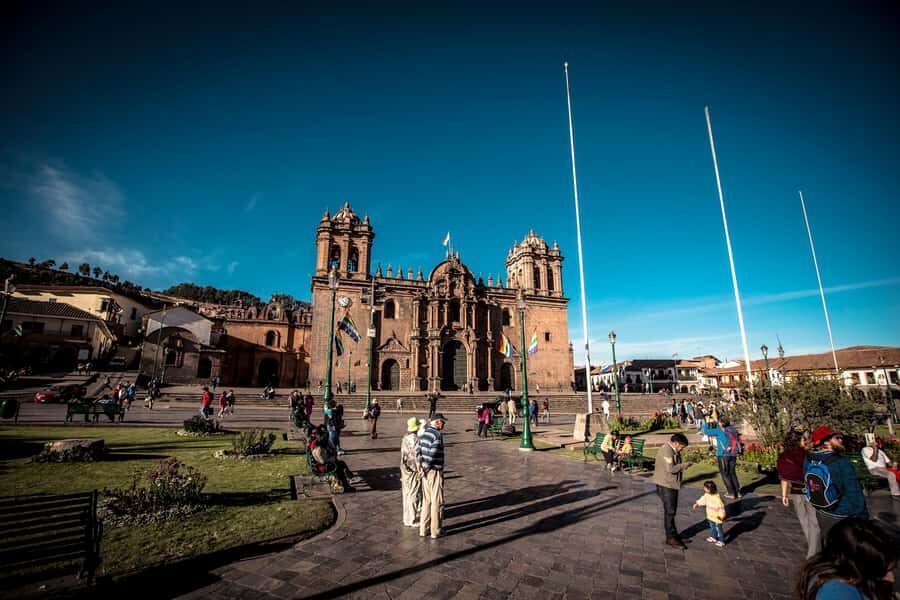
This is a long day, around 12 to 13 hours, starting early from Cusco. Pickup is typically around 6:40 am, and you’ll meet at the Inca statue near Plaza Mayor. Plan to be back near 7:00 pm in Cusco—your feet will feel it, but your memory bank will fill fast.
The tour caps at 20 travelers, which is a big deal in the Sacred Valley. Even when you’re following a group rhythm, you generally won’t be packed shoulder-to-shoulder the way you can get with huge buses.
The route is efficient: you hit the eastern side highlights—Chinchero, Moray, Maras, then lunch at Urubamba, followed by Ollantaytambo and Pisac. If your Cusco trip is tight and you want the “greatest hits” without arranging separate taxis and tickets, this makes sense.
You can also read our reviews of more tours and experiences in Cusco


Price and what you still pay after the $40
The headline price is $40 per person, and it covers two practical things: transportation and a buffet lunch in Urubamba. That’s good value for a day that otherwise means multiple rides, multiple timing decisions, and constant logistics.
But budget for entrance fees because they’re not fully included. You’ll need a Tourist Ticket for 70 soles to visit Chinchero, Moray, Ollantaytambo, and Pisac. And Salinas de Maras has an additional 20 PEN per person entrance fee.
Also plan for the usual extras: tips (commonly expected), souvenirs, and anything you buy for snacks or drinks. A solo traveler can usually manage this with one cash budget, but it helps to decide your souvenir limit before you start getting invitations to shop.
Morning start: Chinchero and its Inca site plus textile culture
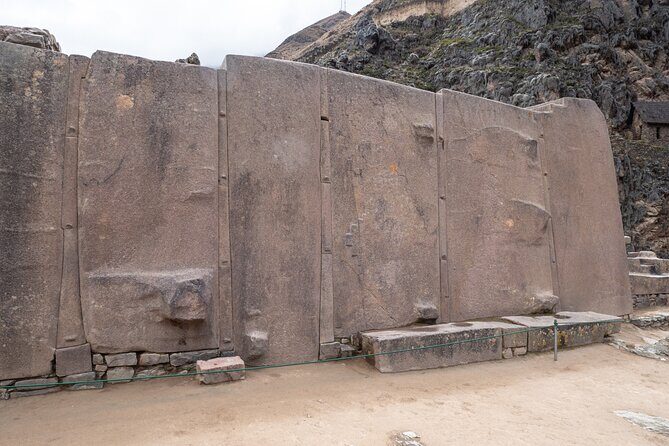
Chinchero begins your day with a site visit and a slow start that still feels fast because you left Cusco early. You typically get there first, with about 1 hour 30 minutes, and admission is listed as free—but remember the 70 soles tourist ticket is required for Chinchero.
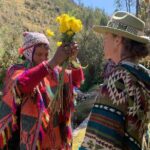
What I like about Chinchero is the mix of archaeology and living craft. One review highlighted watching local women explain textile-making from alpaca fiber. That kind of detail turns a ruin stop into something more human: you’re not just looking at stones, you’re seeing continuity.
What to watch for: this can be a good place for a quick photo sprint and a short sit-down if you’re adjusting to altitude. Keep your pace steady—don’t overdo it before the long drive days bring the fatigue.
Moray: circular terraces and the Inca farming experiment idea
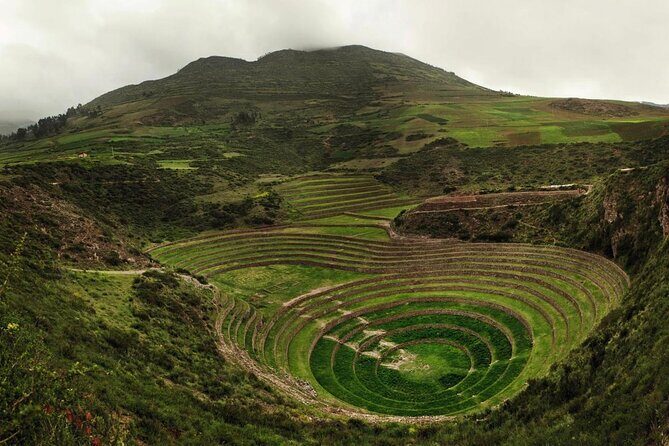
Moray is next, and it’s short—about 30 minutes. It’s a set of circular agricultural terraces, and the commonly shared explanation is that the Incas used them to grow plants from warmer climates by working with different temperatures and conditions.
This is one of those sites where time matters. Thirty minutes can work if you’re okay with a focused view and a guide’s explanation. If you like reading every stone line and taking your time on every angle, you might want to add independent time later—but not every traveler has that luxury.
My practical take: Moray is ideal as a “concept stop.” You’ll walk away with a clearer idea of how the Incas treated agriculture like engineering, not just tradition. It’s the kind of stop that adds meaning to everything after it.
Salinas de Maras salt mines: sun does the cooking
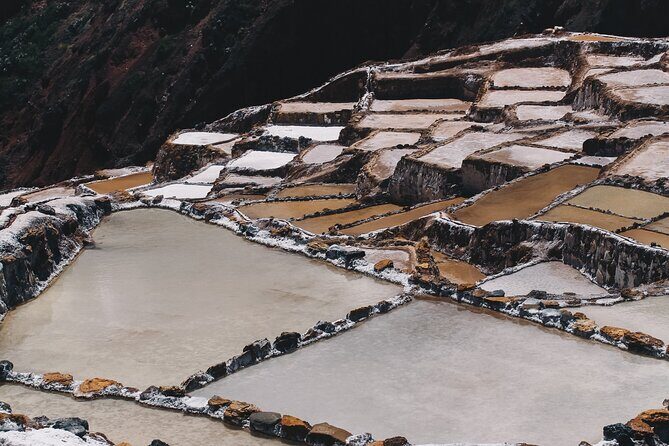
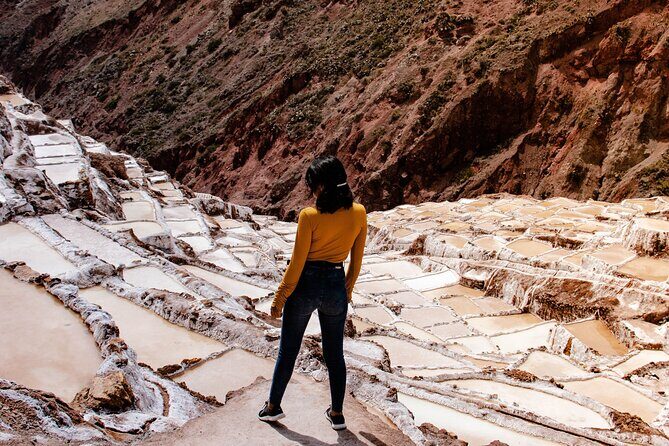
Salinas de Maras is the star of the “wow” portion of the route. After Moray, you drive about 25 minutes, then spend around 30 minutes at the salt mines. The entrance fee is 20 PEN, and you’ll need to add that to your budget.
Here’s the basic process you’ll be seeing: underground saltwater rises into dozens of square wells. When the water hits sunlight, it evaporates, leaving salt behind. Local gatherers then collect the salt and sell it at markets.
This stop has two advantages. First, it’s visual from many angles, so even short visit time feels productive. Second, it’s hands-on in a way—sun, water, salt, and work are all right there. You don’t need to be a science nerd to get it.
What to consider: you’ll likely spend part of the time walking on uneven ground, and it can be windy or bright. Wear shoes with grip, and bring sun protection. If you’re the type who wants deep photo time, keep an eye on the group schedule—this one moves.



Urubamba buffet lunch: a real break in the middle
After the mines, the drive takes you to Urubamba, the lower part of the Sacred Valley where it tends to feel a bit warmer. You’ll have a buffet lunch here, which is one of the included highlights of the tour.
One review called the lunch buffet nice but not deluxe. That matches the normal reality of group meals in tourist zones: you’ll usually get variety, not gourmet perfection. Still, this is a smart choice because it prevents the common Sacred Valley problem—arriving hungry and spending time searching for a decent place to eat.
How to get more out of the buffet: treat it like your “energy budget.” Try a bit of everything, but prioritize filling staples so the afternoon ruins feel enjoyable instead of grueling.
Ollantaytambo: long stairs, royal power, and town shopping time
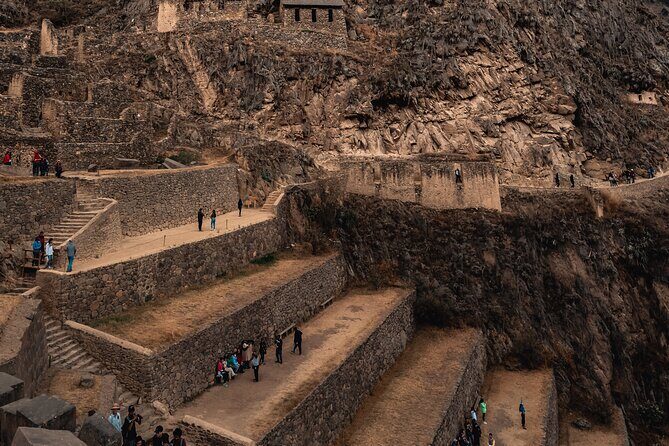
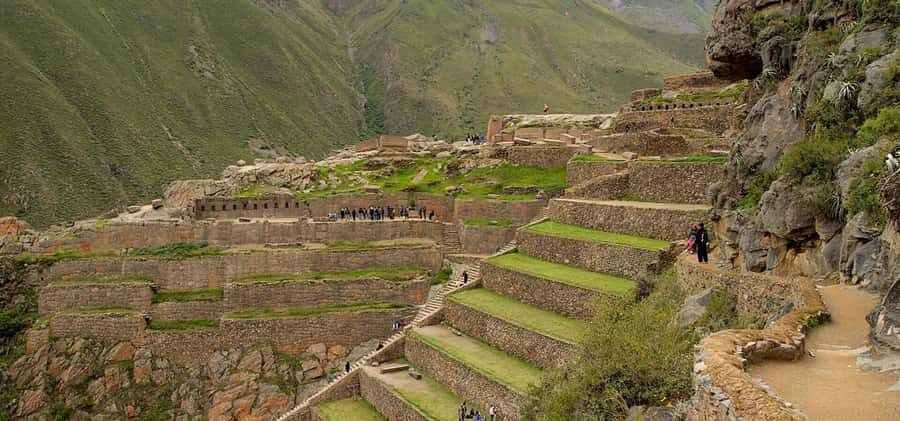
Ollantaytambo is a big archaeological complex and a town with enough energy to keep you from feeling stuck in one spot. After lunch, you’ll head there with stops totaling about 45 minutes for the complex, plus additional time (around 1 hour) that includes the town and shopping.
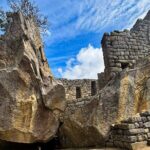
One detail that sticks in people’s minds: the long stone stairs that lead up to the main complex. It’s the kind of layout that makes you understand how movement and control mattered in Inca design. The complex is also described as similar to other royal Inca spaces, tied to nobility.
The town side is more about browsing than sightseeing. You’ll have time to buy souvenirs, and you’ll likely pass through areas with textile and craft displays.
My advice for the shopping component: set a spending rule before you get pulled into shop after shop. Some reviews flagged that shopping stops felt like traps or didn’t get enough explanation ahead of time. If you don’t want that vibe, be firm and keep moving back to your guide’s timing.
Pisac: market atmosphere plus hilltop ruins
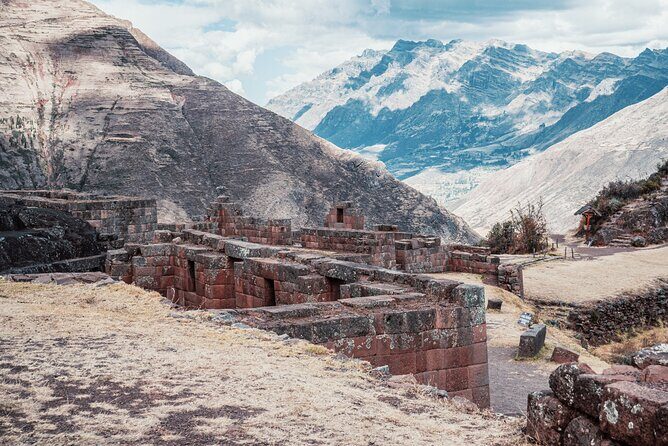
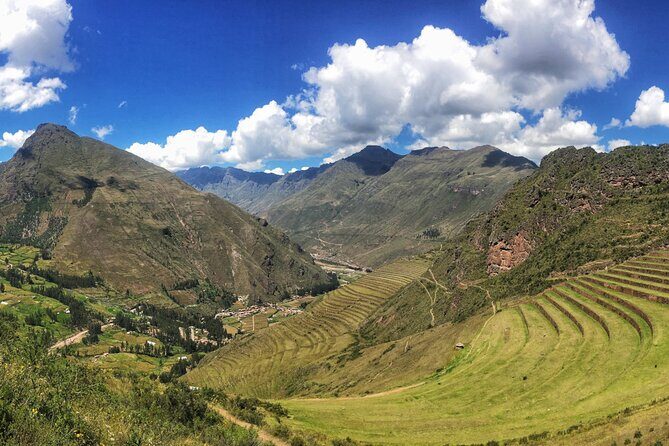
Pisac is usually where people want more time—because it has both a traditional market feel and the archaeological complex on a nearby hill. You’ll travel there for about 1 hour 30 minutes from Ollantaytambo, and then spend time exploring.
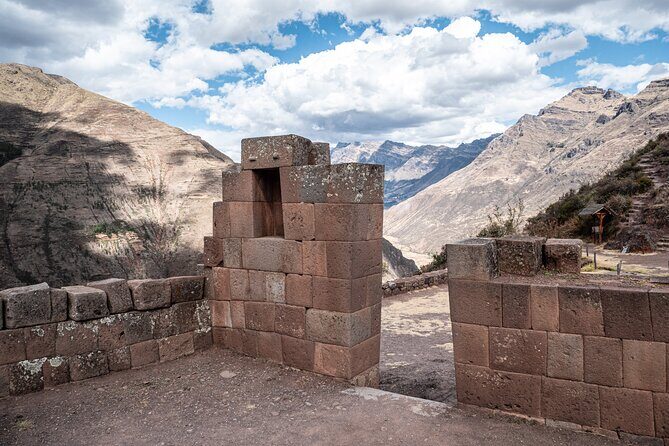
The market side is the place to slow down and watch daily life: you can find souvenir shopping and food tastes. Then you move to the archaeological complex on the hilltop, with stone buildings described as homes of Inca nobility.
Here’s the main catch: at least one review felt Pisac time was too short to really take it in. That tracks with how this type of route works—everyone must fit into the same departure window back to Cusco.
If Pisac is your priority: don’t count on this tour alone. Use it to get oriented, grab a few key shots, and then consider a separate half-day visit later if your schedule allows. Even if you don’t, you’ll come away with the “market + ruins” picture that makes Pisac stand out.
How good guides change the whole day
A big theme in the positive feedback is guides who explain clearly and keep the group moving with personality. People have mentioned that guides like Jhonnatan and Andy offered strong perspectives, and that some guides could handle explanations in English and Spanish. There’s also praise for friendliness and for helping travelers feel included and safe.
Some guides have even been praised for practicality, like taking good photos. That matters more than it sounds when you’re in wind, sun, and altitude and you don’t want to wrestle your camera one-handed.
What you should do: choose your guide moments. When you hear something interesting, pause and take it in instead of treating every stop like a checkmark. A good guide can turn 30 minutes at Moray into real understanding, not just looking around.
Who this Sacred Valley tour fits best
This tour suits you if:
- You want the major Sacred Valley sites in one day without arranging separate transport.
- You’re comfortable with a very full schedule and some walking on archaeological terrain.
- You like having a guide interpret what you’re seeing, rather than trying to self-navigate every stop.
It might feel less ideal if:
- You’re the kind of traveler who always wants to linger at ruins without a timer.
- Shopping stops annoy you, especially if you don’t plan to buy.
Still, even if shopping isn’t your thing, you can use the day to build a foundation. You’ll see the layout of the valley, understand how sites connect, and then you can decide later what deserves a deeper return.
Quick tips to make this day smoother
A Sacred Valley day like this is about stamina and planning. Keep these practical ideas in your back pocket:
- Wear shoes you can walk in comfortably on stone and slopes.
- Bring sun protection. Even the “short” stops can feel intense under bright skies.
- Keep a small cash budget for entrance fees like Salinas de Maras (20 PEN) and for the 70 soles tourist ticket.
- If you hate shopping detours, decide your rule in advance (browse only, or skip entirely).
Also, one downside that deserves a mention is that one traveler reported a no-show pickup failure due to an internal error. That’s rare, but it’s smart to protect yourself: confirm your pickup details the day before, and keep your booking confirmation handy in case you need it fast.
Should you book this Sacred Valley full-day tour?
I’d book it if you want a fast, efficient way to experience Chinchero, Moray, Salinas de Maras, Urubamba, Ollantaytambo, and Pisac in one shot—especially at a price that includes transportation and lunch. The value improves even more if you’re relying on a solid guide, since the explanations make short stops feel meaningful.
I’d hesitate if you’re a slow-sightseeing type or you’re uncomfortable with the idea of shopping stops. In that case, you might get more satisfaction by splitting your Sacred Valley day into smaller visits.
My final take: this is a great “first Sacred Valley pass.” Use it to see the big sites, learn the story, and then pick one place—Pisac or Ollantaytambo—for a longer follow-up if your schedule allows.
FAQ
How long is the Sacred Valley full-day tour from Cusco?
The tour runs about 12 to 13 hours and includes time at multiple sites. The group typically returns to Cusco around 7:00 pm.
What does the tour include?
It includes transportation to the attractions and a buffet lunch in Urubamba.
What entrance fees do I need to budget for?
You need a Tourist Ticket (70 soles) to visit Chinchero, Moray, Ollantaytambo, and Pisac. Salinas de Maras has an entrance fee of 20 PEN per person.
Where is the meeting point and what time does it start?
You start at the Inca statue at Plaza Mayor de, Cusco (about fifty meters to the main square). The tour start time is 7:00 am, with pickup around 6:40 am.
What is the maximum group size?
The maximum group size is 20 travelers.
What physical fitness level do I need?
You should have a moderate physical fitness level. It’s a long day with walking involved at archaeological sites.