REVIEW · CUSCO
Cusco 4-Hour Private Tour Including Sacsayhuaman and Qenqo
Book on Viator →Operated by Rainbow Mountain Cusco Agency · Bookable on Viator
Cusco can feel like a living textbook. This 4-hour private tour strings together Sacsayhuaman, Qorikancha, and Q’enqo plus Cusco’s core colonial sights, so you leave with a clearer picture of how Inca power met Spanish Cusco. I especially like the tight pacing with hotel pickup/drop-off and a real local guide’s storytelling, and I also like that the route covers both big-ticket and smaller sites near town. The main catch is that entrance fees add up once you reach the ruins and the cathedral.
What makes this one work for most people is that it stays focused on Cusco’s most meaningful “anchors” without turning into a long, tiring day. If you’re not up for a huge trek, you still get that wow-factor from major stonework viewpoints, plus quick city stops like Plaza de Armas. One thing to consider: since guides can vary, your experience depends on how strong your guide is in your preferred language (English or Spanish).
You’ll also want to dress for the season and plan for good walking shoes. Cusco sits at high altitude, so even short walks can feel like you worked for them. Still, the private vehicle, snacks, and a guide who can adjust the rhythm are a practical combo.
In This Review
- Key highlights at a glance
- A half-day that keeps Cusco straight in your head
- Sacsayhuaman: the stone fortress north of Cusco
- Plaza de Armas: where Spanish Cusco took center stage
- Cusco Cathedral: the colonial centerpiece on the plaza
- Qorikancha: the Inca gold-temple story you can still feel
- Q’enqo: the zig-zag canal and the mystery purpose
- Puka Pukara: the red-fortress checkpoint on the road
- Tambomachay: aqueducts and the Inca idea of water
- Optional textile factory visit: a smart add-on if you’re curious
- Guides and pacing: why the private format matters
- Price and value: what $87 really buys you
- Who should book this tour (and who might not)
- Should you book this Cusco 4-hour private highlights tour?
- FAQ
- What is included in the tour price?
- Are entrance fees included?
- How long is the tour?
- Is this a private tour or a shared group?
- Is there an optional textile factory visit?
- What if the weather is bad?
- Can I cancel for a full refund?
Key highlights at a glance
- A true private route: only your group, with a dedicated guide and private transportation
- Inca and colonial in one half-day: Sacsayhuaman, Qorikancha, plus Plaza de Armas and Cusco Cathedral
- Smaller ruins with context: Q’enqo, Puka Pukara, and Tambomachay get real explanations
- Entrance fees are separate: plan extra cash for Sacsayhuaman, Qorikancha, and Cusco Cathedral
- Optional textile stop: available at no additional charge, often tied to local fiber traditions
- Snack support: included snacks help you stay comfortable at altitude
A half-day that keeps Cusco straight in your head
This tour is built for people who want major Cusco landmarks without spending the whole day bouncing around. With about four hours total and a private vehicle, you’re not stuck waiting in lines or in a big group shuffle. You also start with hotel pickup and end with drop-off, which matters a lot when altitude slows you down.
The itinerary is clever because it mixes three layers of the city’s story. You get the Inca world outside town first, then you pivot into the colonial heart on Plaza de Armas, then you return toward Inca sacred architecture in the Cusco area. That order helps you compare eras while things are still fresh in your mind.
You’ll likely travel by road between sites, with short guided walks at each stop. In terms of effort, it’s not a hike-heavy outing, but it isn’t a sit-on-a-bench sightseeing bus either. You’ll want to plan for steps, uneven surfaces, and brisk weather changes.
You can also read our reviews of more private tours in Cusco
Sacsayhuaman: the stone fortress north of Cusco
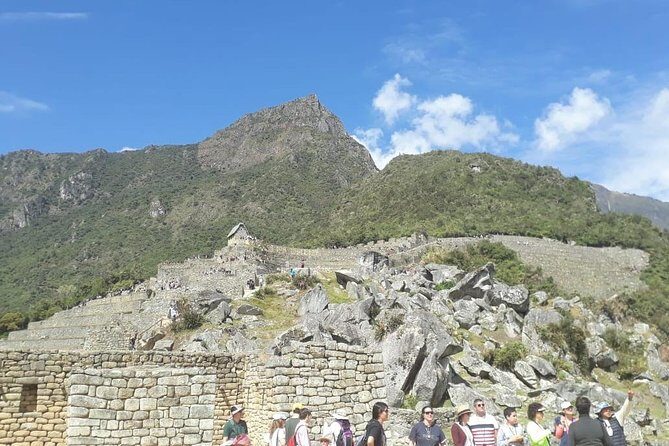
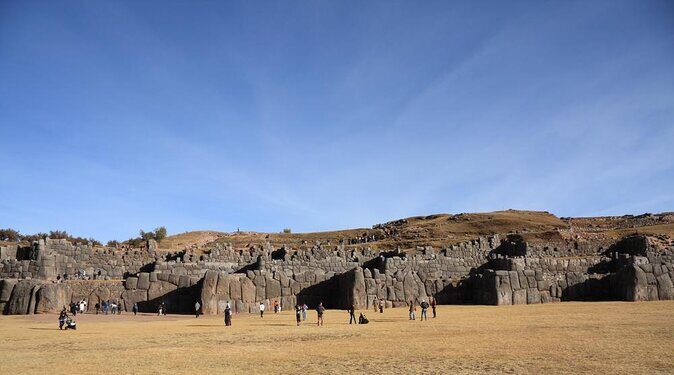
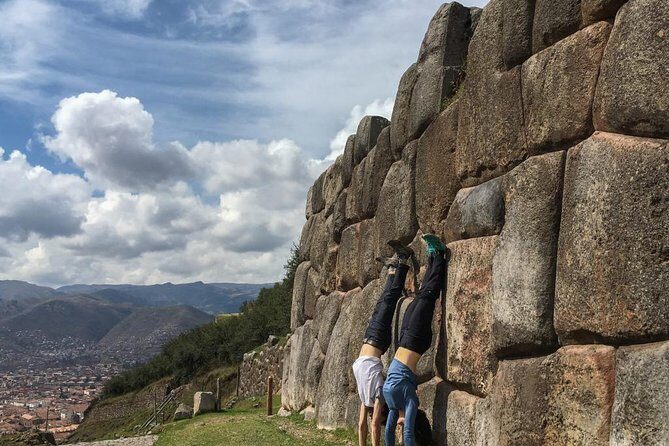
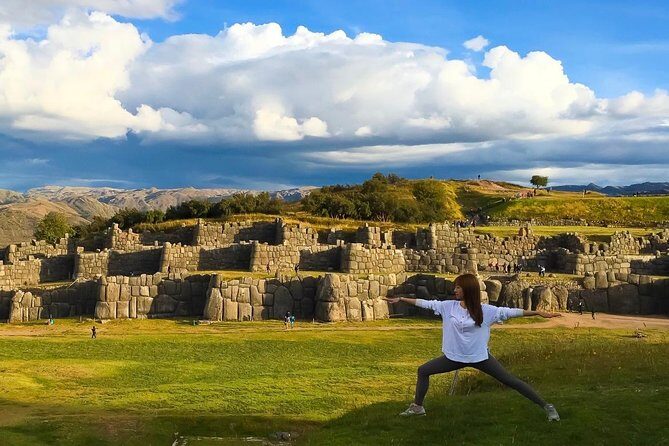
You start at Saqsaywaman (spelling varies), a citadel on Cusco’s northern edge with a reputation for massive stonework. This is one of those places where you can’t really grasp the scale from photos—standing near the walls is the point. Parts were first built around 1100 CE by the Killke culture, which had been in the region since around 900 CE.
The tour gives you about 30 minutes here, and that’s just enough time to see the key sections and still move on. Admission isn’t included, so you’ll pay an entrance ticket on-site (PEN 70.00 per person). For value, I like pairing this with the rest of the route, because it frames later sites. Once you see the craftsmanship and defensive layout at Sacsayhuaman, Qorikancha and the smaller ruins feel more connected.
Drawback to keep in mind: Sacsayhuaman is outdoors. If the weather is poor, you can lose visibility and comfort. The operator notes good weather is required, and if conditions are bad they’ll offer another date or a full refund.
Plaza de Armas: where Spanish Cusco took center stage
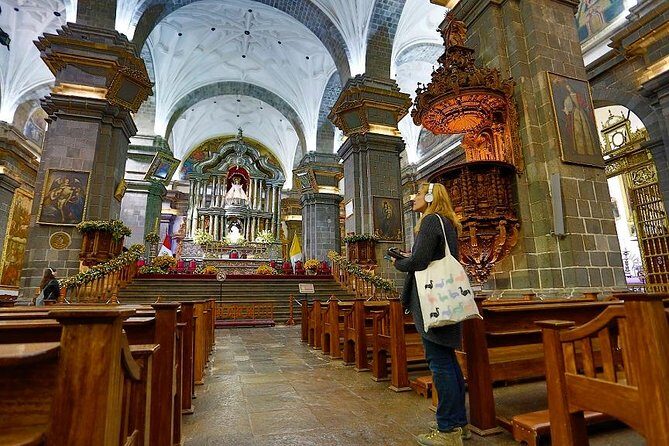
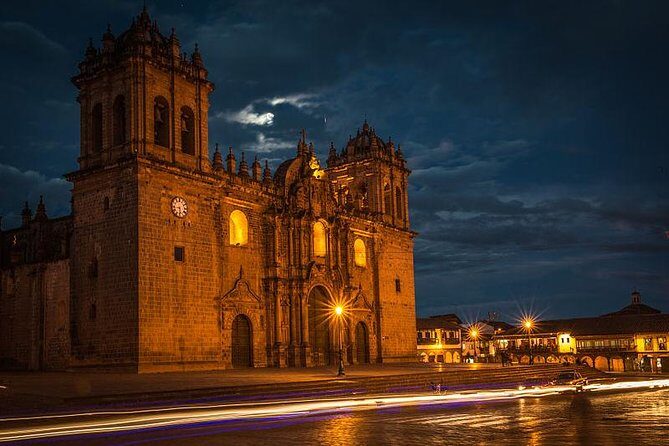
From the fortress, you drop into the symbolic heart of the city at Plaza de Armas. This square is easy to love because it shows how power shifted—colonial architecture dominates what you see today, but the place mattered long before the Conquest. It was chosen as a starting point for developing what became the capital of the Inca Empire.
You’ll spend about 10 minutes here, with the guide pointing out what makes the square worth returning to. This stop includes admission (per the tour setup), and it’s also one of the best places to orient yourself after time on the outskirts. If you’ve never been to Cusco, this quick city center moment helps you anchor directions for later days, including trips into the Sacred Valley.
The main consideration is simple: Plaza de Armas can be busy. Even with a private tour, the square is still in the center of town. If you’re hoping for quiet photos with zero foot traffic, you’ll probably need to be patient and flexible with timing.
Cusco Cathedral: the colonial centerpiece on the plaza
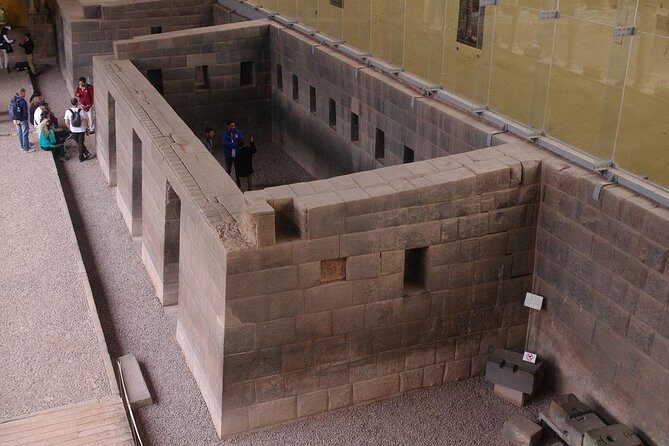
Next comes Cusco Cathedral on the same central plaza. Its full name is the Cathedral Basilica of the Assumption of the Virgin, and it’s described as the mother church of the Roman Catholic Archdiocese of Cusco. Even if you’re not a church-history person, the cathedral’s location and role in the city’s story make it worth seeing on a first trip.
You get about 20 minutes, but admission isn’t included (PEN 40.00 per person). I like this stop because it bridges the practical and the symbolic. In one place you can stand where the colonial order became visible, and then later in the tour you shift back to Inca sacred architecture nearby.
Possible drawback: cathedral visits can involve more indoor time and slower pacing if there are lines or groups inside. If you’re sensitive to fatigue, you may want to ask your guide to keep an eye on your pace and energy.
Qorikancha: the Inca gold-temple story you can still feel
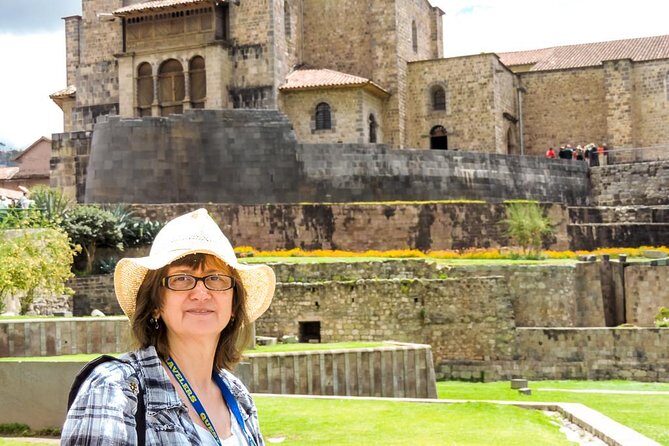
Then you head to Qorikancha, originally named Intikancha/Intiwasi, dedicated to Inti (the sun). The big idea here is that much of the temple was destroyed after the Spanish conquest-era conflict. Stonework was reused later—some of it became foundations for the seventeenth-century Santo Domingo Convent.
You’ll spend about 20 minutes. Admission isn’t included (PEN 15.00 per person). I like this stop because you can see layers: what survived, what was repurposed, and how the site kept spiritual importance even as the dominant religion changed. It’s also one of those spots where a guide’s explanations help you connect small details to the bigger narrative.
One practical tip: this is a popular site, so plan for a bit of crowd flow. If your group wants photos, ask early where your guide thinks the best angles are—then you can move efficiently instead of drifting.






Q’enqo: the zig-zag canal and the mystery purpose
After Qorikancha, you continue to Q’enqo, a site whose name in Quechua points to labyrinth-like or zig-zag forms. The “headline” feature is the crooked canal cut out of the rock. Researchers have guessed at its purpose—possibilities include holy water, chicha (corn beer), or blood—and the ideas often connect to death rituals.
You’ll have about 15 minutes here. Admission isn’t included, and that’s okay because the meaning comes from interpretation more than from the amount of time you spend. I like that the guide ties the physical details to ritual questions, because it turns a quick visit into something you can remember later when you compare other Inca sites.
The only downside is that Q’enqo is smaller than Sacsayhuaman, so if you’re expecting a huge panorama, it can feel more intimate than spectacular. Still, that’s exactly why it’s valuable on a half-day: you’re not only seeing the biggest stones, you’re seeing the smaller ritual landscape too.
Puka Pukara: the red-fortress checkpoint on the road
Next is Puka Pukara, about 6 km from Cusco, with a name that points to its look and function: “puca” means red, and “pucara” means fortress-watchtower. This site sits along the road toward Antisuyo, the jungle part of the Inca world, where it served as a checkpoint on the Inca road network.
You get about 15 minutes. Admission isn’t included. For me, this stop is the “connect-the-dots” moment. It helps explain that Inca life wasn’t only in monumental cities—it was also managed through routes, control points, and local administrative spaces.
A consideration: since it’s farther out, you’ll be relying on road transport and time on schedule. The value is in getting context fast. Don’t overthink it—look at the position, listen to the guide’s explanation of the road function, and you’ll get the point.
Tambomachay: aqueducts and the Inca idea of water
You wrap with Tambomachay, a site linked to the Inca Empire near Cusco. It’s also known by an alternate Spanish name: El Baño del Inca. What you’ll notice is the series of aqueducts, canals, and waterfalls running through terraced rock.
You’ll have about 25 minutes, which is a bit longer than Q’enqo and Puka Pukara. Admission isn’t included. I like the extra time here because water features can be visually rewarding, but they also invite slower attention—your guide can explain the irrigation logic and the way Inca engineering shaped sacred and everyday space.
If the weather is dry, the waterfalls might not look as dramatic as in wetter seasons, but the canal system and terraced layout still tell the story. This is a good place to slow down and let the site land.
Optional textile factory visit: a smart add-on if you’re curious
This tour includes an optional stop at a textile factory at no additional charge. That’s a rare plus in many sightseeing packages, because craft stops can sometimes feel like paid retail traps. Here, it’s clearly positioned as an add-on rather than a forced spend.
In the same spirit, some guides incorporate fiber work themes and animal connections into the experience. If you care about how alpaca and llama fibers become clothing, this is the kind of stop that can make your later purchases feel less random and more informed.
Practical note: if you’re planning to buy souvenirs later, decide what you want beforehand. If textiles interest you, ask questions first and handle fabrics only after you know what you’re looking for.
Guides and pacing: why the private format matters
A private tour is the whole point of this experience, and the feedback you’ll see for this kind of setup is consistent: when the guide is strong, the tour feels like a story, not a checklist. Names that come up include guides like Alfredo, Patricia, Reuben/Ruben, Soledad/Soledad, Stephanie, and Victor, and drivers such as Brian. That variety matters because Cusco requires adaptability—altitude, crowds, weather, and energy levels can change hour to hour.
I also like the practical support: snacks are included, and you’re traveling with a group that has control over pacing. Several guides are praised for keeping walks not too far and timing arrivals smoothly between stops. If you’re still adjusting to altitude, that kind of rhythm can be the difference between enjoying the day and feeling wiped out.
Price and value: what $87 really buys you
At $87 per person, the big question is what you’re getting for that money. Here’s the balanced view:
- Included: private English- or Spanish-speaking guide, hotel pickup/drop-off, snacks, and transport by private vehicle.
- Not included: entrance fees for Cusco Cathedral (PEN 40), Qorikancha (PEN 15), and Sacsayhuaman (PEN 70).
So yes, you pay extra for tickets, and if you add them all up you should expect a noticeable add-on. But you’re also saving something that’s harder to quantify: you’re buying convenience and interpretation. Cusco isn’t just about “seeing ruins.” It’s about understanding why the stones, streets, and sacred layouts matter—and a good local guide can turn four hours into a meaningful orientation for the rest of your trip.
At this price level, I think the best value is for travelers who want a half-day plan without hassle. If you’d rather travel by yourself, you could reduce costs by skipping the guide and using taxis/buses. But then you’d be paying with time and less context.
Who should book this tour (and who might not)
This tour makes the most sense if you want a first “Cusco highlights” day that covers both major Inca sites and the colonial core. It’s also a strong fit for couples, solo travelers, and families who want a private format so you can move at your pace.
I’d especially consider it if you plan to do bigger future Inca stops like Machu Picchu or the Sacred Valley. Seeing Sacsayhuaman, Qorikancha, and the smaller ritual sites near Cusco helps you recognize patterns later in the region.
Who might not love it? If you’re hoping for a very deep, museum-style explanation at each location, four hours can feel short. And if you strongly prefer indoor attractions or you’re very sensitive to outdoor weather, you’ll need to manage expectations since several sites are exposed.
Should you book this Cusco 4-hour private highlights tour?
If you want an efficient, story-driven half-day in Cusco with private pickup, expert explanations, and a mix of Inca and colonial highlights, I’d say this is a solid booking. It’s also a good choice when you’re still feeling altitude and you don’t want to lose an entire day.
Book it with two minds switched on: you’ll need to budget for entrance tickets at Sacsayhuaman, Qorikancha, and Cusco Cathedral, and you’ll benefit most if your guide’s language works well for you. If those points fit your trip style, you’ll likely leave with Cusco organized in your head.
FAQ
What is included in the tour price?
The price includes a private English- or Spanish-speaking guide, hotel pickup and drop-off, snacks, and transport by private vehicle.
Are entrance fees included?
No. Entrance fees are listed separately for Sacsayhuaman (PEN 70.00 per person), Qorikancha (PEN 15.00 per person), and Cusco Cathedral (PEN 40.00 per person). Plaza de Armas is included, while other stops are not stated as included.
How long is the tour?
The tour lasts about 4 hours.
Is this a private tour or a shared group?
It is a private tour/activity. Only your group participates.
Is there an optional textile factory visit?
Yes. There is an optional visit to a textile factory available at no additional charge.
What if the weather is bad?
The experience requires good weather. If it’s canceled due to poor weather, you’ll be offered a different date or a full refund.
Can I cancel for a full refund?
Yes, you can cancel up to 24 hours in advance for a full refund. If you cancel less than 24 hours before the start time, the amount paid is not refunded.