REVIEW · CUSCO
Cusco City Tour Half-Day Group Tour
Book on Viator →Operated by Kantu Peru Tours · Bookable on Viator
Cusco makes sense in half a day. This Cusco City Tour mixes city highlights with big Inca-era stops, plus a walking stretch through San Blas and a guide who helps you tackle tough Quechua site names. I especially like the way the route connects Inca religion and Catholic faith in the same places you’ll see today, and I also like the practical, on-the-ground focus of a small group schedule.
The only real catch is the extras: you’ll budget for entrance fees and tickets that aren’t included in the $18 price.
In This Review
- Key points to know before you go
- Cusco Cathedral, San Blas streets, and that quick orientation hit
- Cusco Cathedral: what to look for in 30 minutes
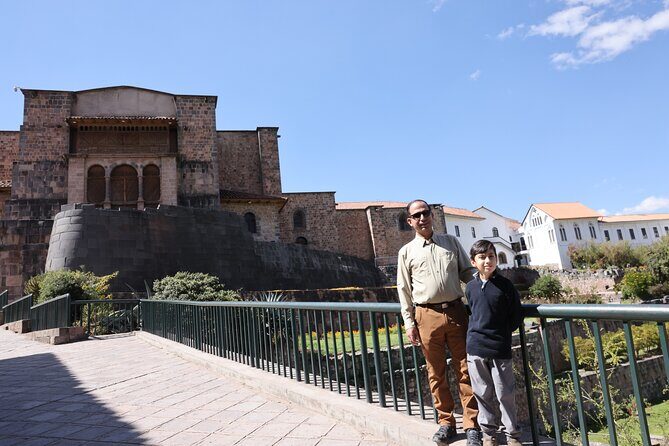
- Qorikancha and the Inca-Catholic story you can actually see
- Sacsayhuaman: mega-stones with a guide-led meaning
- Qenqo, PukaPukara, and Tambomachay: the packed archaeology stretch
- San Blas and the Quechua pronunciation practice that makes the day stick
- Price, tickets, and how to budget like a local
- Pickup timing, language mix, and how to avoid small frustrations
- What to bring for a 5–6 hour Cusco day
- Who this Cusco City Tour half-day tour suits best
- Should you book this Cusco city tour half-day?
- FAQ
- How long is the Cusco City Tour half-day group tour?
- What’s included in the $18 per person price?
- Are the entrance tickets included?
- What stops are included on the itinerary?
- What should I bring with me?
- How big is the group, and can I cancel for free?
Key points to know before you go
- Small group (max 18 travelers) means less wandering and fewer bottlenecks.
- Hotel pickup and drop-off near your place saves energy on Cusco days.
- Cusco Cathedral + Qorikancha help you see how Spanish-era Catholicism layered onto Inca worship.
- Sacsayhuaman gives you the famous rock setting with guided context, not just a photo stop.
- Qenqo, PukaPukara, and Tambomachay are packed into one efficient archaeological run.
- Quechua pronunciation coaching makes place names easier to say (and fun to hear).
Cusco Cathedral, San Blas streets, and that quick orientation hit
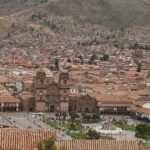
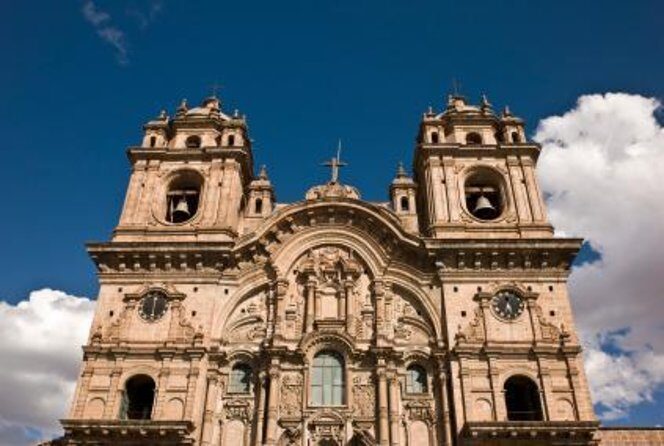
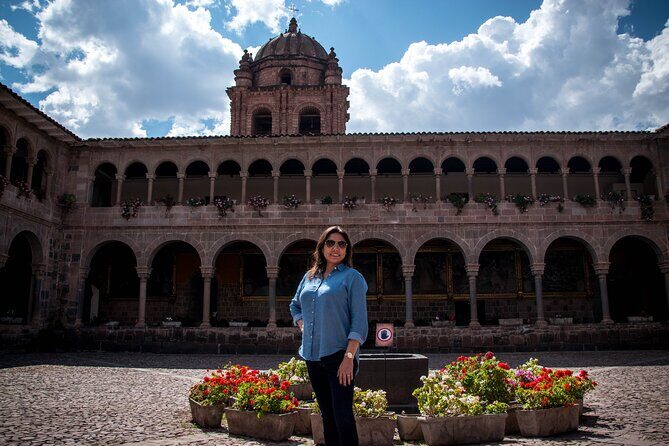
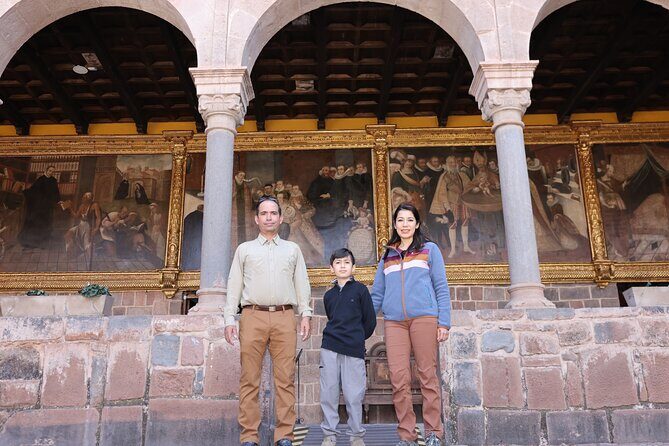
This half-day tour is designed to get you oriented fast—Cusco is hilly, historic, and easy to misread if you only wander on your own. You’ll start at Cusco Cathedral, where the architecture blends Renaissance, baroque, and neoclassical styling. The cathedral also includes a collection of paintings linked to the local school cusqueña, including works by Diego Quispe Tito. Even if you’re not a “museum person,” the goal here is to show how Cusco’s spiritual story shifted over time—and how art and faith became part of that shift.
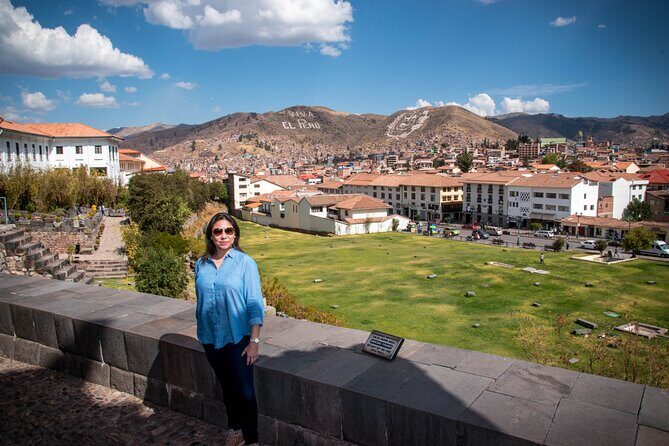
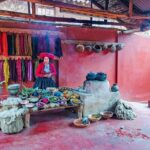
After the cathedral, you’ll also do a walking stretch that includes the famous streets of San Blas. This neighborhood is one of the best ways to feel Cusco beyond big monuments: you’ll see the street layout, the movement of locals, and the feel of a city that keeps working around its colonial and Inca past. The walk also helps you settle in before the tour moves outward.
Two practical notes: it’s a short time window per stop, so expect a steady rhythm. And if altitude hits you hard, you’ll want to pace yourself even if the schedule is tight—more on that later.
You can also read our reviews of more city tours in Cusco
Cusco Cathedral: what to look for in 30 minutes
Your cathedral time is about 30 minutes, and that’s just enough to notice the big visual ideas. Since this tour is about context (not a deep art course), your guide will point out what matters most: how the building’s style and sacred purpose reflect Cusco’s layered history. One nice detail is that the cathedral’s connection to local artwork—again, including Diego Quispe Tito—helps you see Cusco not as a backdrop, but as a place that produced its own visual identity.
The trade-off is the time limit. You won’t get a slow, sit-and-stare cathedral visit. If you love galleries and detailed religious art, you might want extra time on your own afterward. But for an efficient half-day “get the story” plan, this works well.
Also remember: the cathedral entrance is not included. Plan for the cathedral ticket cost on your budget day.
Qorikancha and the Inca-Catholic story you can actually see
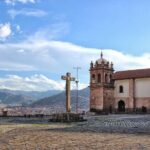
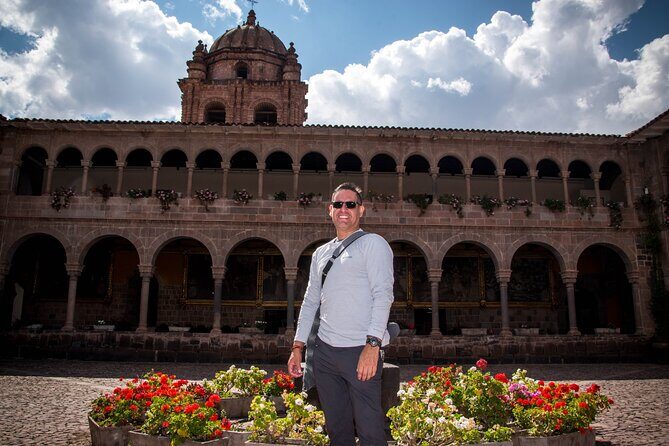
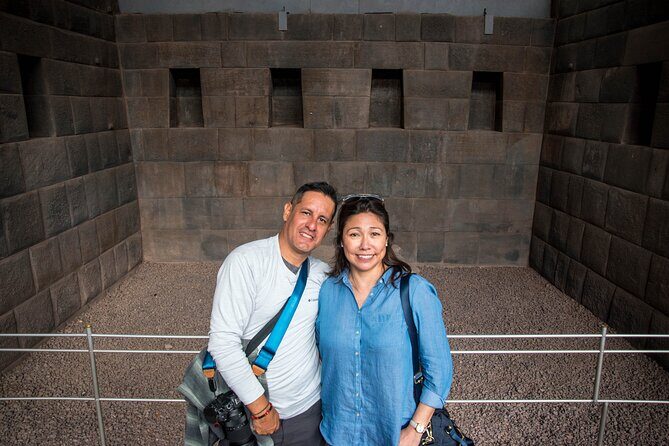
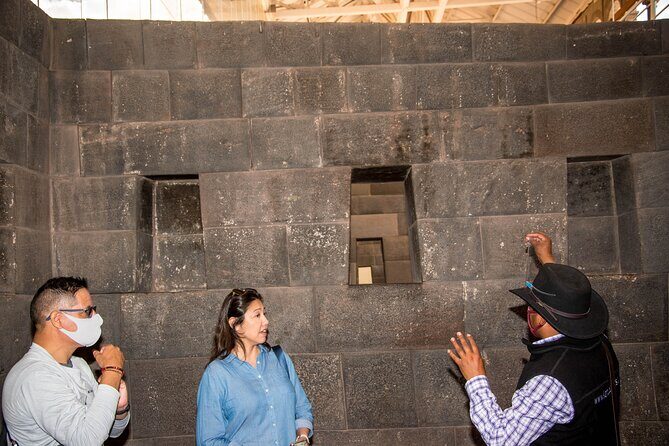
Next up is Qorikancha, the Inca temple associated with the Sun. Here’s the key value: the tour doesn’t treat Qorikancha like a standalone ruin. Instead, it frames how Inca religion was incorporated into local Catholicism—something you’ll better understand once you see how later sacred spaces sat on top of earlier worship.
You’ll have about 40 minutes at Qorikancha. That’s enough time to appreciate the scale and take in the setting, especially with a guide explaining what you’re looking at. The tour’s focus on pronunciation also fits perfectly here. If you’ve never had to say Quechua place names out loud, hearing them broken down (and practicing) makes the whole day feel less intimidating.
One more practical point: Qorikancha’s admission is not included either, so this is one of the spots where your ticket planning matters. If you’re trying to keep costs predictable, add these fees early rather than hoping everything is covered by a single pass.
Sacsayhuaman: mega-stones with a guide-led meaning
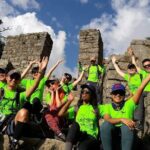
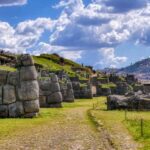
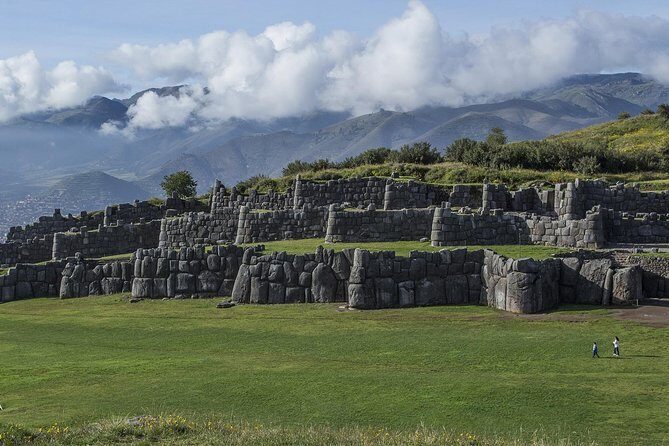
After Qorikancha, the tour heads out by bus toward the archaeological zone stops. The first big one is Sacsayhuaman, where you’ll spend about 40 minutes.
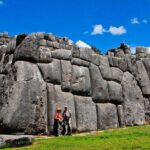
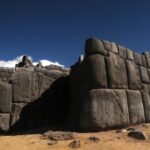
This is the stop with the rock-on-rock spectacle—each stone can be extremely large—and your guide’s job is to translate that visual into meaning. The tour highlights history, culture, and why this place mattered, not just what it looks like in pictures. In other words, you’re not only sightseeing; you’re building a mental map of how Cusco’s power and planning showed up in the landscape.
Here’s the drawback to keep in mind: it’s a lot to cram into half a day, and Sacsayhuaman is high enough that altitude can sneak up. One traveler noted altitude sickness even with decent fitness. If you’re arriving in Cusco and immediately doing this itinerary, consider taking it the day after you arrive, or at least building in extra recovery time before you commit to long outdoor time.
Still, if you want a fast route that includes the headline archaeological site outside the city center, Sacsayhuaman is the most important piece of the puzzle.
Qenqo, PukaPukara, and Tambomachay: the packed archaeology stretch
Then comes the multi-stop run that keeps the tour efficient: Qenqo, PukaPukara (Red Fort), and Tambomachay (Temple of Water), with your itinerary describing the transition as close together. You’ll have about 30 minutes for this phase, and it’s quick.
What I like about stacking these stops is that you see variety without needing a full day. Qenqo is known for its altar setting and the stonework atmosphere. PukaPukara’s name alone cues the color theme, and it’s often approached as a “fort” concept in the tour narrative. Tambomachay is different again because the story centers on water—so you get at least one stop that changes the vibe from purely defensive/ceremonial rock to something more about flow and function.
The main caution: with short time windows, you’ll want to decide your priorities on the spot. If you want the best photos, move efficiently and don’t overstay. If you want understanding, listen closely when your guide is doing explanation, then take your photos quickly while you still feel anchored in the story.
You can also read our reviews of more tours and experiences in Cusco
San Blas and the Quechua pronunciation practice that makes the day stick
A city tour only half works if it feels like you’re just bouncing from landmark to landmark. This one avoids that problem by giving you a real Cusco neighborhood moment in San Blas. It’s not just pretty streets; it’s also where the city’s daily rhythm shows up.
On top of that, the tour includes learning how to pronounce challenging Quechua words. This matters more than it sounds. When you can say the site name, you’re more likely to remember it—and you’re more likely to enjoy conversations with locals afterward. Even if you don’t master the pronunciation, the attempt turns a list of place names into something you can speak and recall.
If you’re sensitive to language confusion, do note that one participant described the experience as a mixed English and Spanish tour rather than strictly English. The tour is listed with an English- or Spanish-speaking guide, but group composition can affect how much of the explanation you catch. If you rely on one language only, I’d plan to use Google Translate for key terms and be ready to catch the gist.
Price, tickets, and how to budget like a local
The tour price is $18.00 per person, and it runs about 5 to 6 hours. For Cusco, that’s a fair chunk of time with guided storytelling plus hotel pickup and drop-off. You’re paying for organization: bus + guide + routing + city walk.
But the value really depends on what you add on top, because major entrances are not included:
- Boleto Turístico: S/70
(and S/130 also for the Sacred Valley and Maras Moray tours)
- Catedral: S/25
- Qoricancha: S/15
- Tips
One traveler also mentioned a money exchange scam attempt during their trip day, with an exchange rate that was worse than expected. That’s not something you can control through the tour itself, but it’s a good reminder: if you need cash exchange, choose carefully and don’t accept the first option just because someone points at it.
If you want a simple budget mindset: treat the $18 as the tour logistics fee, and treat the ticket line items above as your separate “must pay” costs. That keeps you from hitting the end of the day surprised.
Pickup timing, language mix, and how to avoid small frustrations
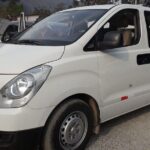
Pickup and logistics are usually where half-day tours win or lose. Here, pickup is described as private vehicle pickup and drop-off near or at your hotel, and the group size is capped at 18.
Still, one participant described a sketchy pickup moment: the group was picked up late, and the person in charge didn’t explain much beyond confirming their name. The result was confusion until they linked back up with the rest of the group.
My practical advice: confirm your pickup location and time the day before, and be ready at the meeting point a bit earlier than you think you need. If you don’t speak Spanish, have the tour name or booking reference saved offline, and keep your phone ready for translation. A few minutes of proactive clarity beats an hour of “Where are we supposed to be?”
What to bring for a 5–6 hour Cusco day
Cusco weather and altitude can swing during your visit, so pack smart. The tour strongly suggests bringing:
- Passport or identity document
- Small backpack with a water bottle and snacks
- Emergency money (always smart in Peru)
- Hat or cap, sunglasses, and sunscreen
- Comfortable sneakers
- Light but warm clothes
- A waterproof jacket or rain poncho if your visit is between October and March
- Camera and extra batteries
- Extra soles for optional souvenirs
Because the itinerary is outdoors for multiple stops, comfortable shoes matter more than fashion. Also, bring water. Even if the stops are short, you’ll still feel the walking and sun.
If you’re altitude-prone, go easy on hard effort before and after the tour. One traveler reported altitude sickness even while in decent shape, so don’t assume fitness alone protects you.
Who this Cusco City Tour half-day tour suits best
This tour fits best if you want:
- A high-efficiency Cusco introduction in one block of time
- Both Catholic and Inca-era context in the same day
- Guided explanations at major sites without renting your own transport
- A small group schedule (max 18) instead of a large bus stampede
It may not be ideal if you:
- Need a slow, unhurried pace for churches and art
- Get altitude sickness easily and can’t manage outdoor time
- Expect the entire tour to be strictly English with no variation
Should you book this Cusco city tour half-day?
If you’re short on time, I think this is a strong choice. You get the “big hits” (Cathedral, Qorikancha, Sacsayhuaman, Tambomachay and the in-between archaeology) plus a neighborhood walk in San Blas, all organized with pickup and a small group cap.
Book it if you like learning how Cusco’s past and present overlap—especially the way Inca religious influence and Catholic worship show up in the spaces you visit. Skip it or adjust your timing if you’re arriving from sea level and altitude hits you hard, or if you prefer slow, deep sightseeing.
If you do book, plan your budget for the entrance fees and keep your pickup details tight. That’s the difference between a smooth half-day and a stressful one.
FAQ
How long is the Cusco City Tour half-day group tour?
It’s listed as about 5 to 6 hours.
What’s included in the $18 per person price?
You get a local English- or Spanish-speaking guide, a tour bus, and hotel pickup and drop-off near or at your hotel.
Are the entrance tickets included?
No. The Boleto Turístico is not included (S/70, or S/130 for options that include Sacred Valley and Maras Moray tours), and separate admission is also not included for the Catedral (S/25) and Qoricancha (S/15).
What stops are included on the itinerary?
The tour includes Cusco Cathedral, Qorikancha, Sacsayhuaman, and then Qenqo, PukaPukara (Red Fort), and Tambomachay (Temple of Water).
What should I bring with me?
Bring a passport or identity document, a small backpack with water and snacks, emergency money, a hat/sunglasses/sunscreen, comfortable sneakers, light warm clothes, and a waterproof jacket or poncho if you’re visiting between October and March. A camera and extra batteries are also recommended.
How big is the group, and can I cancel for free?
The tour has a maximum of 18 travelers, and it offers free cancellation. You can cancel up to 24 hours in advance for a full refund.