REVIEW · CUSCO
Cusco Sacred Valley and Machupicchu 4 Days
Book on Viator →Operated by Reserv Cusco · Bookable on Viator
Machu Picchu, without the guesswork. This 4-day private tour strings together Cusco, the Sacred Valley, and Machu Picchu with guided stops and the key tickets handled for you. You also get airport-to-hotel help and a smooth handoff day by day, so you spend less time figuring out transportation and more time looking at stonework that’s honestly hard to believe.
What I love most is the private feel. You’re not just herded through major viewpoints, and you get real explanations from the official guide—on Cusco days, people specifically praised guides like Gabriel and Francisco for slowing down and sharing context in both Quechuan and Spanish. The second big win is the logistics: the Machu Picchu day is built around the train from Ollantaytambo plus the bus zigzag up to the ruins, with your guide waiting in place.
One thing to consider: it’s a schedule with early starts and long days. For example, pickup is around 04:00 on Machu Picchu day, and water plus meals aren’t fully included (you’ll want to plan for that).
In This Review
- Key things you’ll notice on this tour
- Cusco, Sacred Valley, and Machu Picchu: What this 4-day plan really buys you
- Arrival day and your first Cusco orientation: a late-afternoon start that works
- The Cusco sites that actually teach you the city: Sacsayhuaman, Qenqo, and more
- Sacred Valley day: Pisac views, the Inka market, and a real lunch break
- Ollantaytambo: a fortress-citadel that explains the Inca way of defense
- The Machu Picchu rhythm: train from Ollantaytambo, then bus up the zigzags
- Guided Machu Picchu walk: what you’ll see on the two-hour visit
- Price and logistics: is $1,200 per person actually fair?
- Pace, comfort, and what to pack for Cusco weather and stairs
- Who should book this Sacred Valley and Machu Picchu private tour
- Should you book this 4-day tour?
- FAQ
- FAQ
- What’s included in the tour price?
- What is not included?
- Is Machu Picchu admission included?
- What time does the Cusco city tour start?
- What’s the pickup time for the Machu Picchu day?
- How long is the guided Machu Picchu visit?
- Where does the Machu Picchu train start?
- Is this a private tour?
- Do you need good weather for the experience?
- Is there a minimum number of travelers?
Key things you’ll notice on this tour
- Private guide + hotel pickup for every major day, from Cusco sites to the train day
- Machu Picchu admission included with a guided walk through the core areas
- Sacred Valley stops built around Pisac and the market, then lunch and Ollantaytambo
- Ollantaytambo-to-Aguas Calientes train flow, plus the bus ride up the switchbacks
- Guides like Roger and Coger were praised for clear explanations and patience during the ruins
Cusco, Sacred Valley, and Machu Picchu: What this 4-day plan really buys you
If you only have a few days, the hardest part in Peru is not the sightseeing—it’s the threading. Trains, buses, tickets, guides, and the timing around Machu Picchu can feel like a puzzle. This tour tries to remove the puzzle by bundling the key pieces: official guide, transfers, 3 nights of lodging, and Machu Picchu entrance.
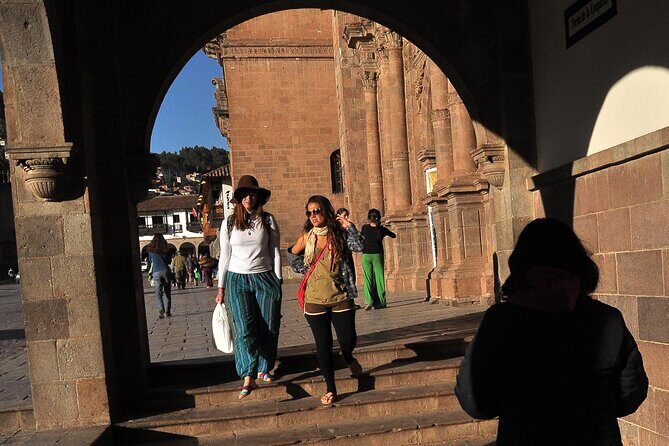
You’re also not starting cold. On arrival, someone meets you at the airport in Cusco, then drives you to your hotel. After that, the plan continues with hotel pickup for sightseeing days, including the big Cusco orientation tour in the afternoon. For many first-timers, that matters because Cusco is where you learn the rhythm of the trip—what’s walkable, what’s steep, and how the sites connect.
Now, a fair note: the “private” part means you’re paying for coordination. That’s why it’s priced around $1,200 per person—the value is in the bundled service, not in DIY savings. If you love having someone handle timing, tickets, and where to stand for the best views, this setup makes a lot of sense.
You can also read our reviews of more tours and experiences in Cusco


Arrival day and your first Cusco orientation: a late-afternoon start that works
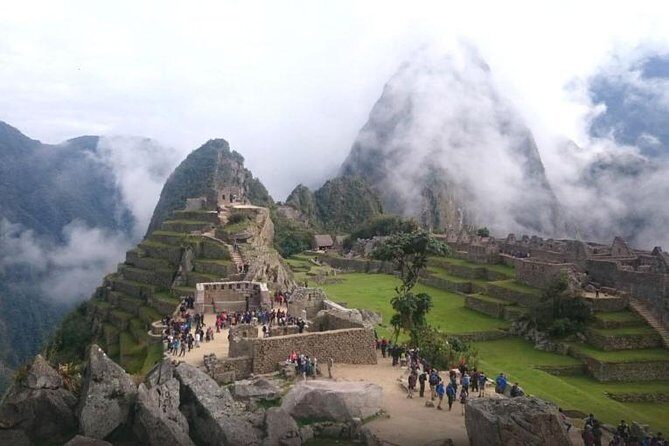
Your Cusco day begins right away, not with a big “wait and see” gap. The tour operator meets you at the airport and drives you to your hotel. That’s a small thing, but it reduces stress fast, especially if your arrival timing is tight.
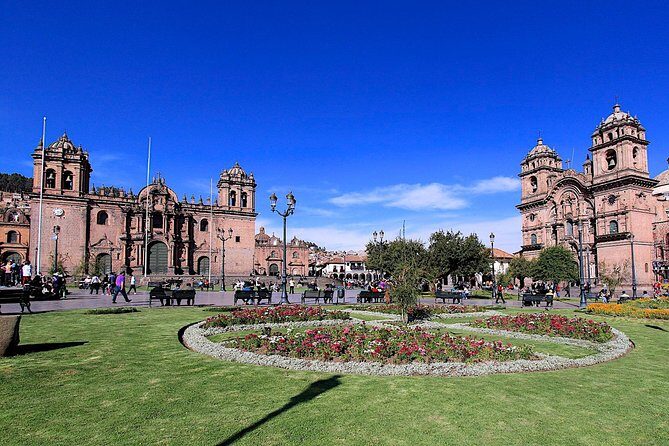
Then comes your Cusco city tour, running roughly 13:30 to 18:30. This afternoon window is practical. You’re still getting daylight for the main highlights, but you’re also not burning your first full morning in transport. You’ll start with Koricancha, also known as the Temple of the Sun, and then move to the Palace and Convent of Santo Domingo.
Expect a lot of “how to read this place” energy from the guide: what you’re looking at, what it used to mean, and how the site fits into the larger Inca-era picture. People praised the guide explanations and the way they took time to answer questions—exactly what you want when you’re trying to connect architecture to history without drowning in facts.
Also included is a cup of coca tea during the tour. You may or may not love the taste, but the point is cultural—something gentle to help you settle in and feel the rhythm of Cusco’s daily life.
The Cusco sites that actually teach you the city: Sacsayhuaman, Qenqo, and more
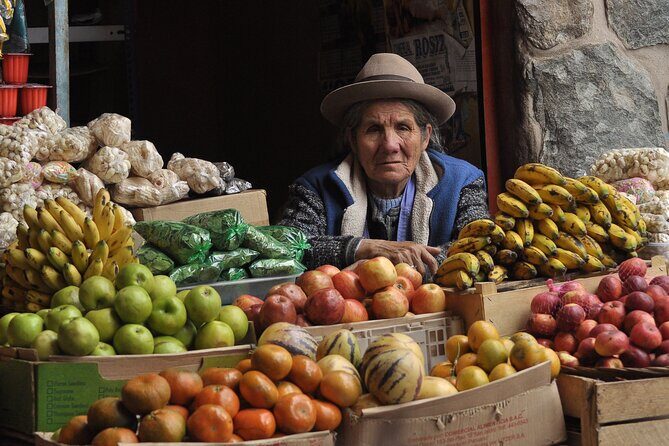
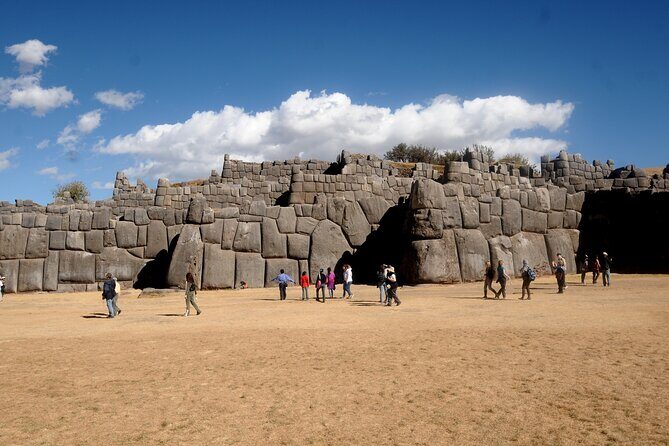
The Cusco portion isn’t just one monument and out. The route is built to show you different kinds of Inca engineering and sacred spaces. After Koricancha and Santo Domingo, you’ll visit Sacsayhuaman, plus Qenqo, Puca-Pucara, and Tambomachay.
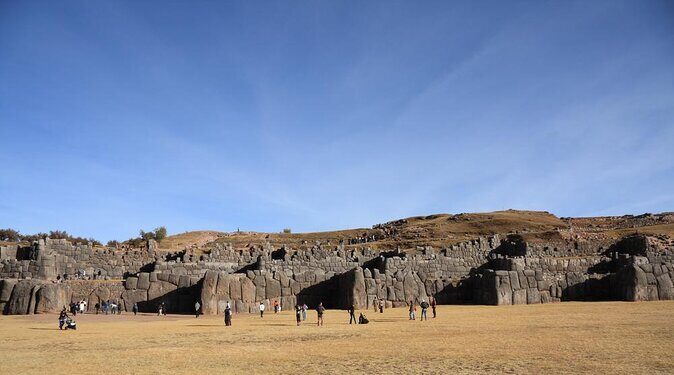
Here’s what I like about this mix. Sacsayhuaman gives you the “wow” moment: massive stonework on a commanding ridge. Qenqo helps you shift from scale to function—this is where stone and ritual space start to connect in your head. Puca-Pucara adds another layer, and Tambomachay rounds things out so you’re not only seeing fortresses or temples.
One detail to note: the tour description includes an estimated 3 hours with Admission Ticket Free for at least part of this Cusco/outskirts segment. Since exact site admission rules can be changeable, you’ll want to trust that the guide and team are coordinating admissions as part of your plan—but the general idea is that some stops are set up without extra ticket friction.
If you’re the type who enjoys learning the “why” behind the “what,” this is a good day. If you just want photos, you can still get them—but you’ll likely get more satisfaction by asking questions while you’re there.
Sacred Valley day: Pisac views, the Inka market, and a real lunch break
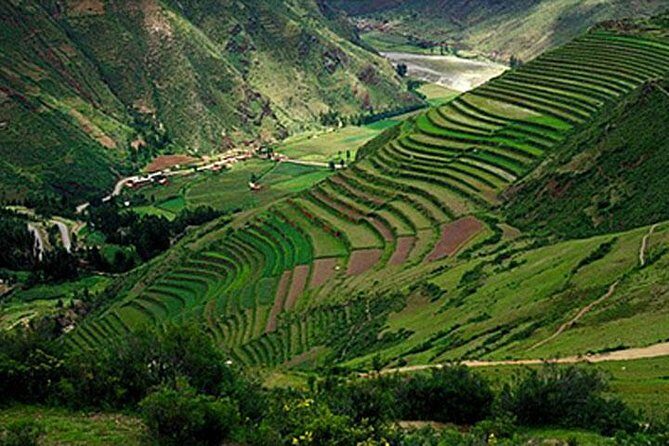
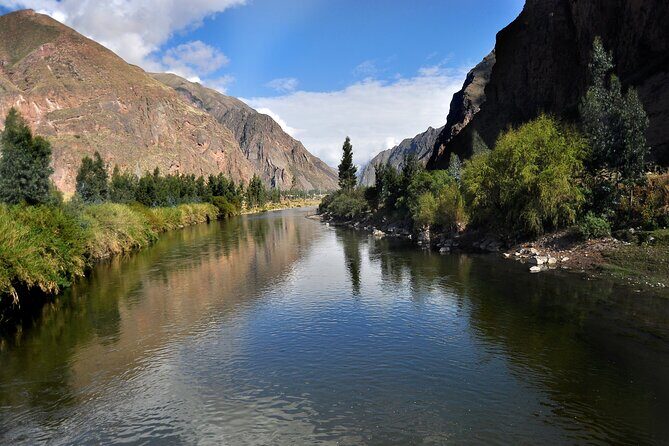
Sacred Valley is where you start seeing why this region mattered. The tour runs about 08:30 to later, with hotel pickup and a guided route that follows the Vilcanota River and provides panoramic views of Pisac, described as an old Inca city.
One of the most practical parts here is the stop at the Inka market in Pisac. This isn’t treated like a quick souvenir shelf. You get time to understand local customs and mingle with the market rhythm. There’s also a shopping angle: sellers are present and you may be able to get good bargains on crafts and souvenirs if you approach it like a conversation, not a transaction you win by speed.
You’ll also get lunch in the Sacred Valley. The included meal is listed as a restaurant lunch/buffet, which helps on value. Without that, day-two food planning in the Andes can turn into an expensive scavenger hunt. Here, your guide can also help you choose something you’ll actually enjoy.
After lunch, the route continues toward Urubamba, then onward to the big fortress and citadel stop.
Ollantaytambo: a fortress-citadel that explains the Inca way of defense
Ollantaytambo is the kind of place where you can feel the logic of the builders. The tour includes the fortress and citadel here, built to watch and protect the valley entrance from invasions. The guiding emphasis is on how this center worked as military, religious, and cultural space in the Inca empire.
What you’ll likely remember is the mix of planning and texture. Ollantaytambo has narrow streets and an “old town” feel that makes the site more than a viewpoint. It gives you a sense of how people actually lived and moved through the city before modern roads existed.
The other key thing: it breaks up the day after the market and lunch. If you’ve been walking and looking since morning, Ollantaytambo gives you a fresh kind of focus—architecture that’s meant to hold a line.
If you’re traveling with limited time, this is a strong pairing because it keeps the Sacred Valley day from feeling like only scenic stops. You see views, yes. But you also get the reason those views were worth guarding.




The Machu Picchu rhythm: train from Ollantaytambo, then bus up the zigzags
Machu Picchu day is built around early momentum. You’re picked up from your hotel around 04:00, then taken to the train station in Ollantaytambo. From there, the train heads toward Aguas Calientes (also called Machu Picchu Pueblo).
Your guide meets you there and takes you to the bus station. Then comes the ride up on the bus, climbing by a zigzag road for about 30 minutes. That switchback journey matters because it changes the pace. In the valley, you’re surrounded by slopes. Up the hill, you suddenly see how the site is positioned for dramatic sightlines.
This is also where having your tickets handled helps. In past feedback, guests noted getting Machu Picchu tickets in advance and not dealing with the extreme lines. Even if your personal experience depends on daily capacity rules, having the entrance in place usually reduces stress and time spent standing around.
One practical detail: you’ll pass through control where you submit your entrance tickets, and your guided visit begins from there. So you’re not improvising the start time.
Guided Machu Picchu walk: what you’ll see on the two-hour visit
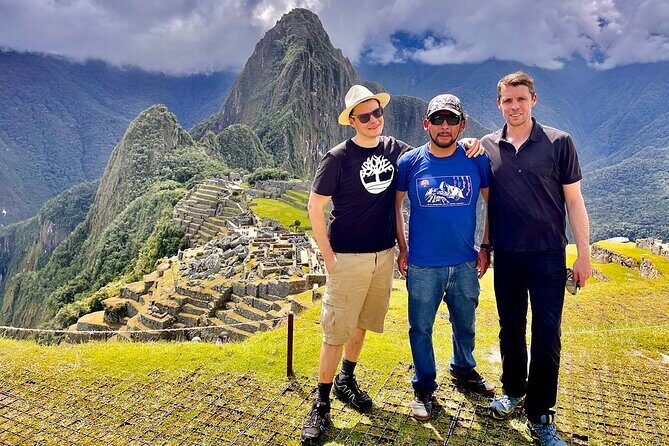
The guided Machu Picchu visit lasts around two hours and hits the core areas. You’ll tour the main square and move through key architectural points such as the Circular tower, the sacred solar clock, the royal rooms, the temple of the three windows, and the cemeteries.
This list is more useful than it sounds. When you walk Machu Picchu without guidance, it’s easy to think you’re just moving between pretty ruins. With a guide, each stop helps you build a map in your head: where power shows up, where ritual appears, and how timekeeping and symbolism fit into the layout.
People specifically praised guides for clarity and patience at Machu Picchu. Names that came up included Roger and Coger—both praised for explaining history and answering questions. If you get someone like that, you’ll likely get more satisfaction from your photos because you’ll understand what you’re capturing.
After the guided portion, you’ll have time to walk around and handle meals. The plan notes you can eat at restaurants in Aguas Calientes. There’s also mention of Santuary Lodge for meals if you want that option, but it’s not included, so think of it as a choice, not a guarantee.
You’ll then head back in the afternoon around 17:00, returning by train to Cusco and getting transferred to your hotel.
Price and logistics: is $1,200 per person actually fair?
At around $1,200 per person for roughly four days, the price is not “cheap,” but it isn’t random either. You’re paying for coordination and for expensive pieces—most importantly Machu Picchu admission and the train/bus flow.
What’s included matters:
- Official guide throughout the planned segments
- All transfers to and from hotels, stations, and attractions
- 3 nights accommodation
- 3 breakfasts at your hotel
- 1 lunch/buffet in the Sacred Valley
- Entrance tickets to Machu Picchu
What’s not included is simpler than people fear: water and other drinks, and meals beyond what’s listed. That means you’re still responsible for your day-to-day drinking and any extra food plans in places like Aguas Calientes.
So here’s the value test I recommend: compare your real workload. If you were doing this independently, you’d be spending time securing tickets, matching train schedules, arranging guides, and coordinating hotel pickups across several days. This tour bundles that friction and puts an official guide between you and confusion.
If you hate planning and want the trip to feel guided but not babysat, I think the price is defensible. If you love independent travel and already know how to lock in Machu Picchu logistics, you may find cheaper DIY options—but they come with risk and mental overhead.
Pace, comfort, and what to pack for Cusco weather and stairs
This is a “moderate physical fitness” style trip. You’ll be walking around ancient sites and moving through uneven terrain. You’re also dealing with altitude and climate swings in the Andes—nothing in the plan claims special equipment, but the clothing advice gives you the right general direction.
Pack like this:
- Light shoes or sneakers
- Raincoat for rainy season
- Long-sleeve T-shirts and long pants
- Sunscreen and hat for bright days
- A light backpack per person
- Binoculars and sunglasses if you like details in views
- Plastic bags for wet gear
- Basic medicines and personal items (including contact solution if needed)
The guides and itinerary also make one thing clear: it’s long days with early starts. That’s why the tour stresses hydration. Bring water (since it’s not included) and plan snacks only if you know you need them. The plan says water and other drinks aren’t included, so don’t assume you’ll always have access to bottled water at every stop.
Also, if you wear glasses/contacts, plan for comfort. The packing list includes contact lens liquid, which is a little clue that people get caught without it.
Who should book this Sacred Valley and Machu Picchu private tour
This tour fits best if you want:
- Private guiding and not just a group bus ride
- A smooth Machu Picchu day built around train + bus timing
- Enough structure to hit the big sites without spending your vacation on scheduling
- Explanations that help you connect the stones to the story
It’s also a good fit for couples or small groups who want the flexibility of asking questions, stopping for photos, and moving at a more natural pace than a mass tour.
If you’re the “I want to wander alone and not follow anyone” type, you might chafe at the guided segments and fixed pickup times. But if you want authentic context with the key logistics handled, this is a strong match.
Should you book this 4-day tour?
I’d say book it if Machu Picchu is your top priority and you want the trip to feel organized from the moment you land. The big strengths are included Machu Picchu admission, official guides, and the day-by-day transfers that protect you from timing problems.
I’d hesitate if you’re trying to keep costs ultra-low or if you strongly prefer total independence. Since water and many meals aren’t included, your true daily spending will depend on how you eat and drink, especially in Aguas Calientes.
FAQ
FAQ
What’s included in the tour price?
You get a tourism bus, an official guide, all transfers (to hotel, airport, stations, and attractions), 3 nights of accommodation, 3 hotel breakfasts, 1 lunch/buffet in the Sacred Valley, and Machu Picchu entrance tickets.
What is not included?
Water or other drinks are not included, and meals beyond what’s listed (like the included Sacred Valley lunch/buffet and hotel breakfasts) are not included.
Is Machu Picchu admission included?
Yes. Machu Picchu entrance is included in the tour.
What time does the Cusco city tour start?
The Cusco city tour starts at 13:30 and runs until about 18:30.
What’s the pickup time for the Machu Picchu day?
Pickup from your hotel is around 04:00, then you’ll travel to the train station in Ollantaytambo.
How long is the guided Machu Picchu visit?
The guided portion is around two hours, covering areas like the main square, solar clock, royal rooms, and the temple of the three windows.
Where does the Machu Picchu train start?
The train departs from Ollantaytambo and heads toward Aguas Calientes.
Is this a private tour?
Yes. It’s a private tour/activity, and only your group participates.
Do you need good weather for the experience?
Yes. The experience requires good weather. If it’s canceled due to poor weather, you’ll be offered a different date or a full refund.
Is there a minimum number of travelers?
Yes. If the minimum number of travelers isn’t met and the experience is canceled, you’ll be offered a different date/experience or a full refund.