REVIEW · CUSCO
Maras, Moray and Chinchero Private Day Trip from Cusco
Book on Viator →Operated by Inkayni Peru Tours · Bookable on Viator
Three stops, one of the best Sacred Valley days.
I love how the route links Moray terraces and the Maras salt mines, then finishes in Chinchero with living craft and Inca stonework. I also like the private setup: hotel pickup and drop-off, plus an English-speaking guide who can keep your pace comfortable.
The main thing to watch is that entrance tickets aren’t included, so you’ll want to budget a bit more on top of the tour price. Also, this is a long day at high altitude, so plan for rest breaks and bring what you need for sun and cool weather.
In This Review
- Key highlights to know before you go
- Why Moray, Maras, and Chinchero makes a smart day from Cusco
- Private transport and timing: how the day usually runs
- Moray terraces: Inca microclimates in a bowl-shaped amphitheater
- Salinas de Maras Salt Mines: white pools, real work, and centuries-old technique
- Chinchero: Inca stone, a colonial church, and textile work you can understand
- Inca walls and the main square
- The colonial church with vivid murals
- Textiles: natural dyes, hand-spun wool, and patterns with meaning
- Price and value: what $104 per person really buys
- What to pack (and why) for Andes sun and cool air
- How to pace yourself at altitude without ruining the day
- Who this tour suits best
- Should you book the Maras, Moray and Chinchero private day trip?
- FAQ
- How long is the Maras, Moray and Chinchero private day trip?
- What time does pickup start in Cusco?
- Is this a private tour or shared group?
- Are entrance fees included for Moray, Salinas, and Chinchero?
- What’s included in the tour price?
- Do I need at least two people to book?
- Can I cancel and get a full refund?
Key highlights to know before you go
- Private door-to-door pickup: Your day starts with a scheduled hotel pickup around 8:00 AM and ends back in Cusco.
- Inca engineering you can see up close: Moray’s terraced bowls were built for experimenting with microclimates.
- Maras Salt Mines are a daily operation: Thousands of pools feed the views, the harvesting, and the local economy.
- Chinchero blends Inca and colonial-era layers: Expect well-preserved stone plus a church with colorful murals.
- Textiles aren’t just a demo: You’ll see hand-spun wool and natural dye work tied to local tradition.
- Guides help you spot details faster: People have had guides like Freddy, Beltran, Percy, Wilfredo, Herlin, Edgar, and Franco, and they all focus on what to look for.
Why Moray, Maras, and Chinchero makes a smart day from Cusco
If you’re basing yourself in Cusco, this is one of those routes that actually feels efficient. You get three famous Sacred Valley stops without the “one-hour photo stop” vibe, and the private format keeps the day from feeling rushed.
What I like most is the way the sites connect. Moray shows the Inca mindset around farming and experimentation. Maras shows the Inca-to-pre-Inca (and ongoing) resource use of salt. Then Chinchero brings it home with craft and daily culture, not just ruins.
You’ll spend most of your time outdoors with big mountain views, but you also get the practical, human side: agriculture, salt work, and weaving skills that still matter.
You can also read our reviews of more private tours in Cusco

Private transport and timing: how the day usually runs
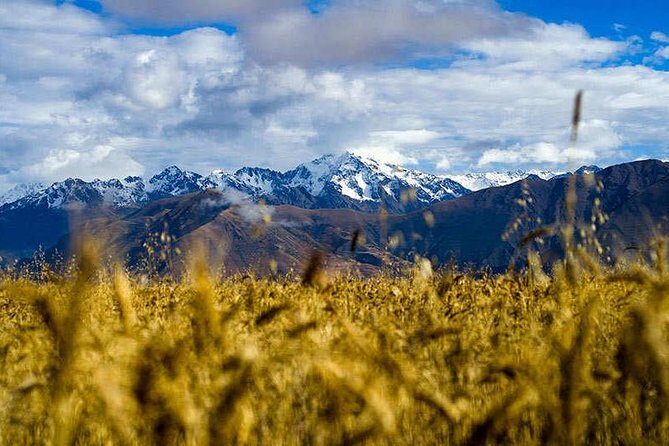
Pickup starts around 8:00 AM, and you’re on the road through the Andes. The drive itself is part of the value. You pass traditional villages and sweeping views, including the kind of snow-capped peaks that make you stop talking for a minute.
This is a private day trip, so your group travels only with your party. That means your guide can adjust. I’ve seen examples where start times got pushed back (like to 9:30 AM) without the whole day falling apart.
Expect a 7 to 8 hour day in most cases. In at least one instance, guests were back in Cusco by about 4:30 PM, which is perfect if you want dinner plans that evening.
Two things to keep in mind:
- You’ll be higher than Cusco at multiple points, so take it slow at first.
- Roads can include curvy stretches and dirt sections, so a waterproof layer helps even on clear days.
Moray terraces: Inca microclimates in a bowl-shaped amphitheater
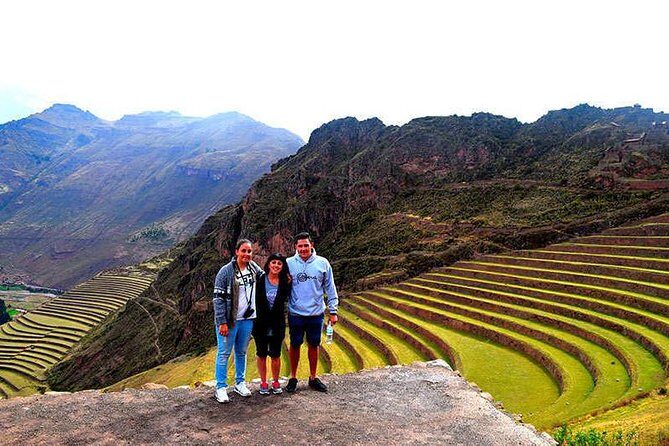
Moray is where the Sacred Valley stops start to feel like a science project. The site sits around 3,500 masl (11,482 ft.), and you’ll notice the terraced “bowls” right away once you get the layout.
Here’s the idea: the Inca built three descending terraces shaped like an amphitheater. Different levels catch different sun and air conditions, creating microclimates for growing different crops. It’s not just pretty geometry. It’s practical design for food planning.
What I love about Moray as a visitor:
- It gives you a clear mental picture of how the Incas thought about land.
- The symmetry makes it easy to understand from multiple angles, not just one overlook.
How to make your visit work:
- Wear sturdy shoes and plan on walking around for views from the top and the lower sections.
- Bring sunglasses or a hat. Altitude plus sun can turn fast.
A drawback to consider: Moray typically requires an entrance ticket, and your tour price doesn’t include that. If you arrive expecting everything to be covered, you’ll feel that little surprise at the gate.
Salinas de Maras Salt Mines: white pools, real work, and centuries-old technique
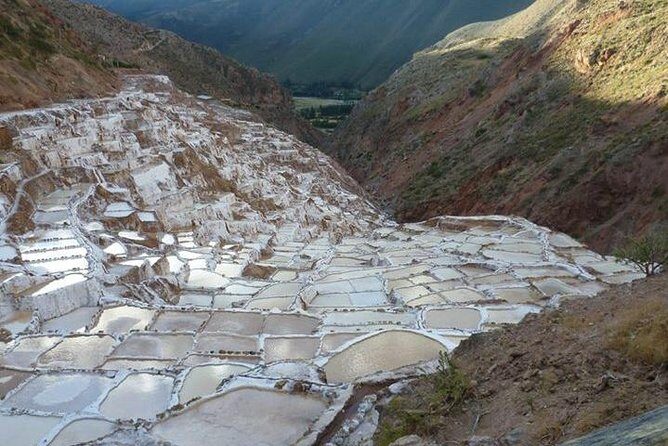
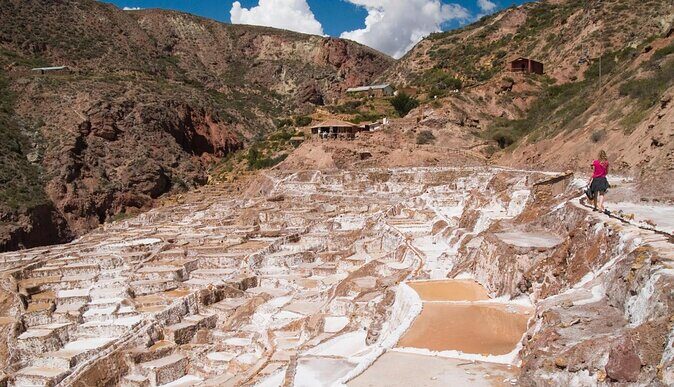
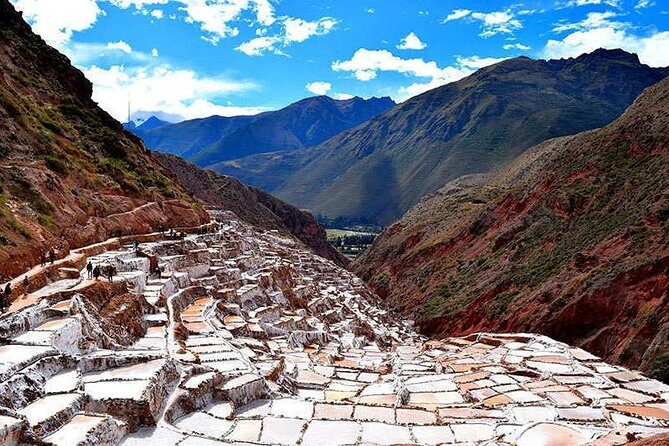
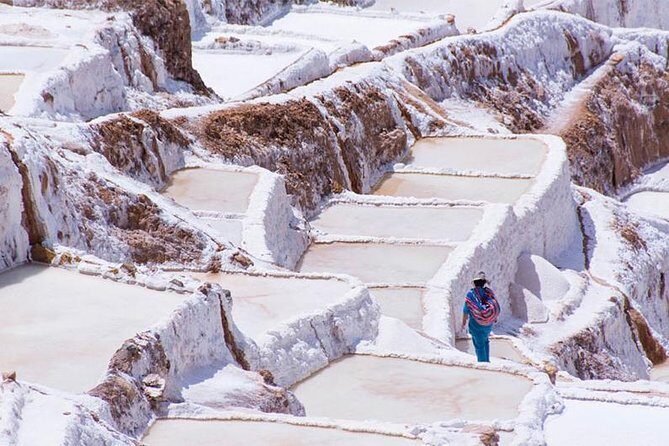
After Moray, you’ll head downhill to Salinas de Maras, around 3,380 masl (11,090 ft.). The drive is short, but the change in view is dramatic. The salt pits carve a huge step-like pattern into the mountainside, and the white terraces can look unreal.
The site is famous for its 3,000+ salt pools carved into the slope. Each pool fills daily from a naturally mineral-rich spring. Then the water evaporates and leaves salt crystals behind, which are harvested using methods that have been passed down for generations.
Why this stop works so well:
- The contrast is instant: brilliant white pools against rugged Andean rock.
- You’re watching an active local industry, not only a historic monument.
- The place is photogenic from multiple viewpoints, so you’re not stuck at one dead spot.
What to do for the best experience:
- Expect to spend time walking along pathways and looking down over the pools.
- Take water breaks. Even if the salt flats look “flat,” you’ll still be moving and breathing higher elevation air.
Another practical note: like Moray, entrance fees aren’t included. Budget for tickets, and you’ll enjoy the site more because you won’t be doing math on the spot.
Chinchero: Inca stone, a colonial church, and textile work you can understand
Chinchero sits a bit higher, around 3,762 masl (12,343 ft.), and it feels more like a village day than a ruin-hunt. The charm here is the layering: Inca heritage next to colonial changes, and craft that’s still actively practiced.
You can also read our reviews of more tours and experiences in Cusco

Inca walls and the main square
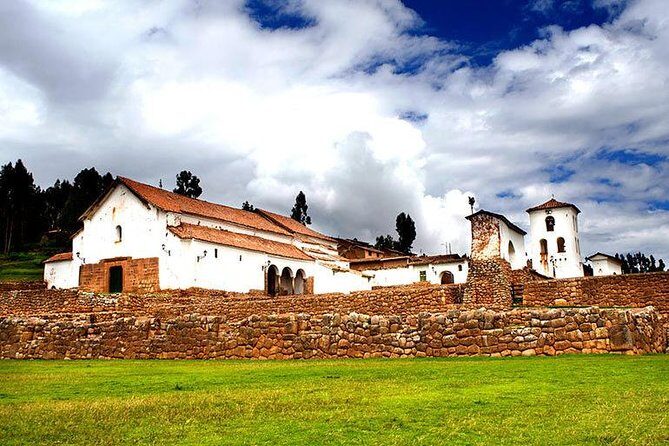
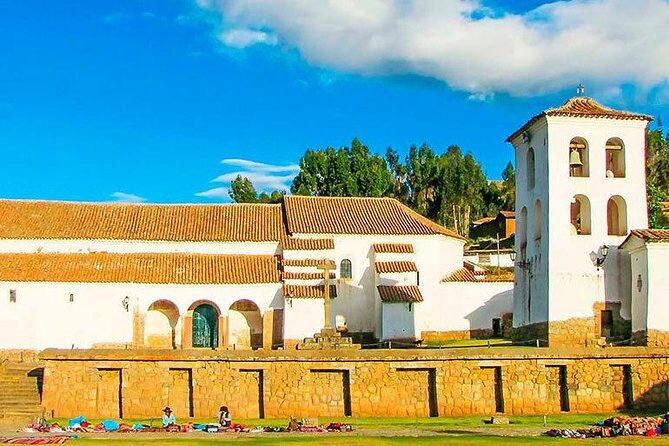
One of your first visual wins in Chinchero is the well-preserved Inca stonework framing the main area. You can spot how the blocks are fitted and how the structure supports the village layout. There are also ceremonial altars discussed in the on-site explanations, tying the architecture to spiritual use.
If you like ruins that help you read the story of a place, Chinchero does that well. You’re not just looking at carved stones. You’re understanding how people lived around them.
The colonial church with vivid murals
Then comes the colonial church stop, where the mix of Spanish influence and local religious layers becomes obvious. The murals and artwork are described as colorful and intricate, and they give you something different from typical church interiors.
Textiles: natural dyes, hand-spun wool, and patterns with meaning
The textiles portion is one of the best parts of the day because it turns history into something you can connect to daily life. You’ll get an explanation of how wool is hand-spun, how natural dyes are used, and how patterns are woven into cloth with stories and identity behind them.
This is where guides can make a real difference. In different groups, I’ve seen guides like Wilfredo and Edgar explain the weaving process in a way that helps you understand what you’re seeing (not just watch a demonstration). Some days also include time at a local textile business where you can see products being made.
Tip for buying: if you want a textile, check what it is made of and how it’s constructed. The point isn’t to turn it into a math problem. It’s just to make sure you know what you’re paying for.
As with the other stops, entrance tickets apply here too, so plan for that cost.
Price and value: what $104 per person really buys
At $104 per person, this tour isn’t a bargain, but it can be good value for what you get. You’re paying for three things that add up fast on your own:
- Private transportation with hotel pickup and drop-off
- An English-speaking guide
- A structured route that links Moray, Maras, and Chinchero without wasting your time figuring out logistics
If you were to DIY it, you’d likely spend time arranging transport between sites and then hunt for someone local enough to explain what you’re looking at. Here, you get that context as you go.
Where the price feels slightly tougher is the ticket part. Since entrance fees aren’t included, your final total will be higher once you add site admissions. If you budget for that in advance, the price becomes easier to swallow.
Also: private tours cost more, but they remove friction. People have highlighted that flexibility can matter, especially if you’re adjusting to altitude, timing needs, or just want a slower pace. When the day runs smoothly, it’s money well spent.
What to pack (and why) for Andes sun and cool air
This route can feel like two different climates in one day. The sun is strong, then the wind and altitude can make things chill fast.
Bring:
- A sun hat and sunscreen
- A waterproof jacket
- Water and a snack plan that matches your comfort (food isn’t included)
- A camera for those salt-pool views and terrace angles
If you forget the jacket, you’ll survive, but you’ll probably wish you didn’t. That’s especially true if you end up standing at overlooks for photos.
How to pace yourself at altitude without ruining the day
The stops sit between about 3,380 and 3,762 masl, and you’ll be moving around at each location. You don’t need to treat it like a climb, but you should respect the altitude.
My simple pacing plan for you:
- Take 5 minutes on arrival to catch your breath before going full photo mode.
- Walk slower than you think you need to.
- Drink water at regular intervals, even if you don’t feel thirsty.
If you’re coming off a bigger Cusco day (or you’ve done Machu Picchu already), this route can feel like a nice balance: still exciting, but with lots of room to pause and enjoy.
Who this tour suits best
This is ideal if:
- You want a first-time Sacred Valley introduction without juggling routes.
- You like agriculture history and practical engineering, not only dramatic ruins.
- You enjoy seeing how traditions still work today, especially textiles.
- You want a private experience where timing can flex.
It may not be ideal if:
- You hate long travel days at altitude.
- You’re trying to keep every expense ultra-tight because entrance fees and your own food/drinks add up.
Should you book the Maras, Moray and Chinchero private day trip?
I’d book this if your goal is a complete Sacred Valley snapshot with a guided explanation at each stop. Moray and Maras alone are worth the drive, but the real win is finishing in Chinchero with Inca stonework and textile skills you can actually understand.
Go ahead and budget for entrance tickets and plan your clothing for sun plus wind. If you do that, this becomes a smooth, memorable day that feels both scenic and practical.
If you’re choosing between “ruins only” and “ruins plus daily culture,” this one leans toward the second—and that’s why it scores so well.
FAQ
How long is the Maras, Moray and Chinchero private day trip?
It runs about 7 to 8 hours.
What time does pickup start in Cusco?
Pickup starts around 8:00 AM.
Is this a private tour or shared group?
It’s a private experience, so only your group participates.
Are entrance fees included for Moray, Salinas, and Chinchero?
No. Entrance fees (admission tickets) are not included.
What’s included in the tour price?
You get hotel pickup and drop-off via private transportation and an English-speaking tour guide.
Do I need at least two people to book?
Yes. A minimum of 2 people per booking is required.
Can I cancel and get a full refund?
Yes. You can cancel for a full refund if you cancel up to 24 hours in advance of the experience’s start time.