REVIEW · CUSCO
Cusco: Chocolate Workshop with the Best Local Organic Cacao
Book on GetYourGuide →Operated by Original Perú · Bookable on GetYourGuide
Chocolate in Cusco is the real deal. This hands-on Belgian pralines and mendiants workshop uses 100% organic Chuncho cacao, and you also learn how to make and taste hot chocolate. One thing to plan for: there’s no pick-up, so you’ll need to get yourself to Limbus Restobar on time.
The best part for me is the “from scratch” flow: you start with cacao and chocolate basics, then you build bonbons you can actually eat right after class. You’ll leave with a cute box holding about 21 pralines and 10 mendiants made by your own hands, plus plenty of chocolate for the experience.
In This Review
- Key Things You’ll Notice Right Away
- Cusco’s Chocolate Workshop: Why It’s Worth Your Time
- The value check
- Start at Limbus Restobar: Views, Then Chocolate
- The 150-Minute Flow: Culture First, Then Hands-On
- Part 1: Chocolate history and culture (before melting)
- Part 2: Cacao and technique basics
- Part 3: Build your pralines and mendiants
- Chuncho Cacao: The Cusco Jungle Star Ingredient
- Make Belgian Pralines and Mendiants (And Why Your Output Is Real)
- Pralines: the filled bonbons
- Mendiants: the chocolate + toppings discs
- Rough take-home math
- Fillings and Toppings: This Is Where You Get Creative
- Hot Chocolate: Tasting and How-To
- Instructor Energy: The Style That Makes This Stick
- Timing, Group Rules, and Who Should Book
- Who it suits best
- Price and Value: What You Get for $47
- Possible Drawbacks to Keep in Mind
- Should You Book This Cusco Chocolate Workshop?
- FAQ
- How long is the chocolate workshop in Cusco?
- Where do we meet for the Cusco chocolate workshop?
- Is pick-up included?
- What will I make during the workshop?
- What’s included in the price?
- What can I take home?
- What languages are offered?
- Are children allowed?
- Is this workshop suitable for people with diabetes?
- What’s the cancellation policy?
Key Things You’ll Notice Right Away
- Chuncho cacao (Cusco jungle, organic, artisanal): the focus is a local cacao the team treats as world-class.
- Belgian-style pralines & mendiants: classic technique, made practical and hands-on.
- Hot chocolate tasting + how-to: you don’t just sample; you learn the method.
- You build ~21 pralines and 10 mendiants: the output is real, not a tiny souvenir piece.
- Meeting at Limbus Restobar: a panoramic Cusco view sets the mood before you melt anything.
Cusco’s Chocolate Workshop: Why It’s Worth Your Time
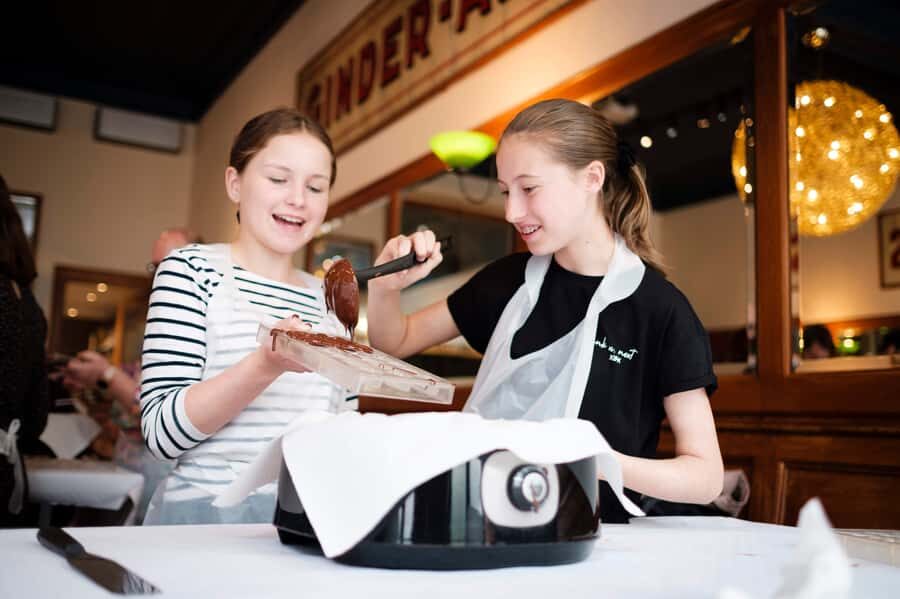
Cusco already has plenty to do, so this has to earn its keep. The reason I’d choose it is simple: it’s not a “watch and snack” chocolate class. You get a full 150-minute session that mixes culture, technique, and actual production—then you take edible results home.
This workshop also has a clear point of view: Peruvian chocolate isn’t treated like a generic ingredient. The session explains what makes it unique, and it keeps bringing you back to the star ingredient—organic Chuncho cacao from the jungle of the Cusco region. Whether you’re a total chocolate fan or just curious, that origin story gives your tastings context, not just sweetness.
You can also read our reviews of more tours and experiences in Cusco
The value check
At $47 per person, you’re paying for more than chocolate. You’re paying for instruction, all ingredients and tools, and the full process to make pralines and mendiants in a Belgian style. The class also includes 300 grams of chocolate per person—enough to fuel the workshop and leave you with a meaningful amount of finished product in a take-home box.
Start at Limbus Restobar: Views, Then Chocolate
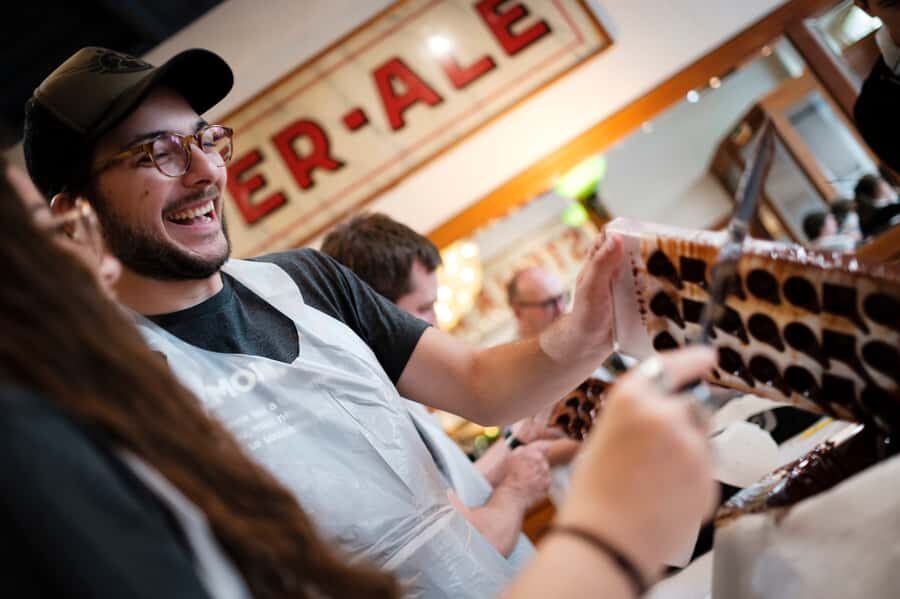
You meet directly at Limbus Restobar in central Cusco. No pick-up means you’ll want to plan transportation with a little buffer—Cusco traffic and walking time can be unpredictable.
Here’s the practical upside: the location is a restobar with a panoramic view over the city. That matters more than you’d think. When a workshop has a calm start, you actually learn better once the tempering and molding part begins. You can settle in, get oriented, and meet the team at the reception by saying you’re coming for the chocolate workshop.
The session takes place in a setting that feels like a break from touring. You’re not just squeezing chocolate into your day—you’re giving it space.
The 150-Minute Flow: Culture First, Then Hands-On
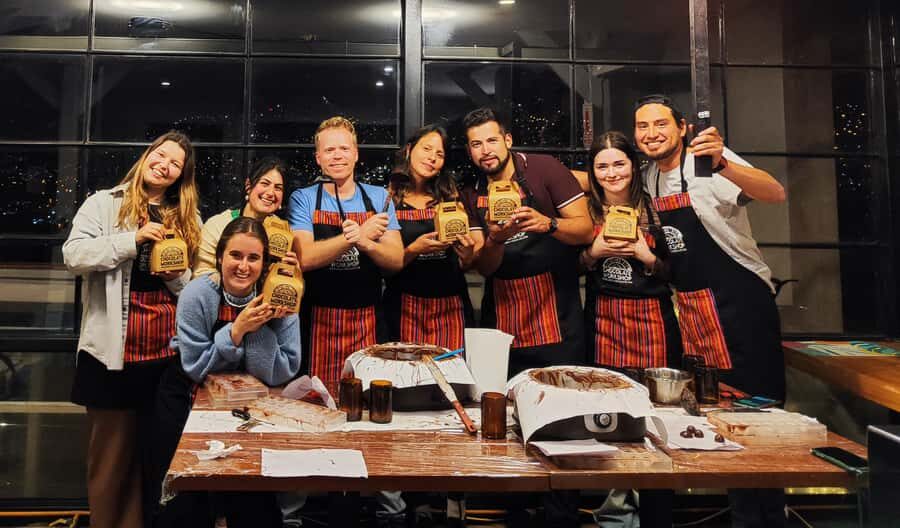
This workshop runs about 2.5 hours. The pacing is built around a straightforward idea: you learn just enough background to make your chocolate choices, then you jump to making.
Part 1: Chocolate history and culture (before melting)
Before you get your hands dirty, you explore the rich story of chocolate—how it’s part of culture and why the Peruvian version matters. You also get a chance to hear how the team frames the cacao you’re using, including why Chuncho is held up as one of the best organic cacaos in the world.
If you’re the type who likes to understand what you’re tasting, this intro helps a lot. If you’re more “just tell me what to do with the molds,” don’t worry—the instruction stays practical once you start.
You can also read our reviews of more tours and experiences in Cusco
Part 2: Cacao and technique basics
You’ll learn core chocolate-making steps for Belgian-style sweets. You’ll also cover tempering techniques during the process, which is key for that good set and finish on bonbons.
One small consideration: if you’re hoping to watch every single bean step (roasting, opening the bean, and so on), this class may be more time-efficient than “full production documentary.” It still teaches technique and method, but you may not see every last bean-handling stage.
Part 3: Build your pralines and mendiants
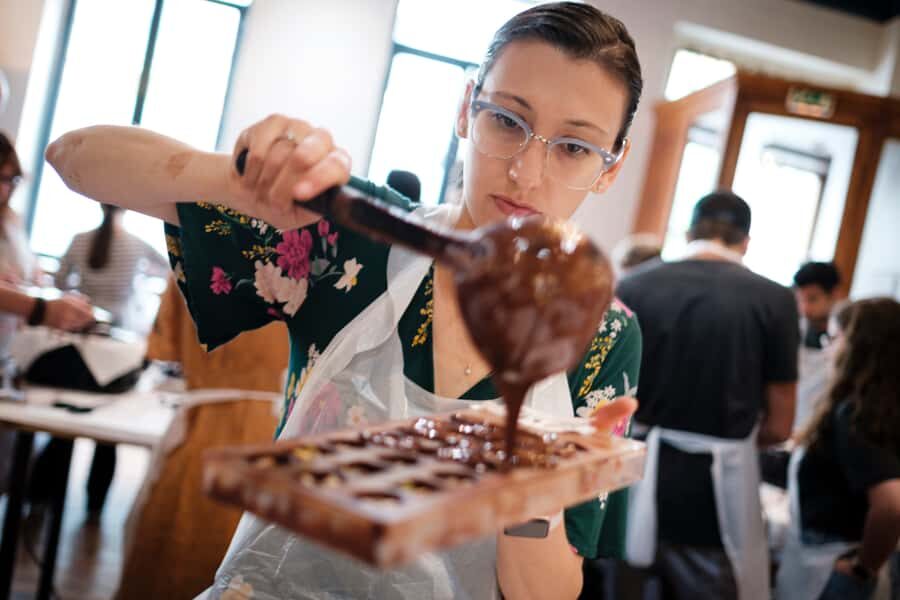
Then the workshop becomes very hands-on. You craft pralines and mendiants from scratch, and you get guidance throughout—ingredients, utensils, and step-by-step assistance from start to end.
And yes, you leave with what you made. The workshop is designed so you take home around 21 pralines and 10 mendiants, plus a personalized box.
Chuncho Cacao: The Cusco Jungle Star Ingredient
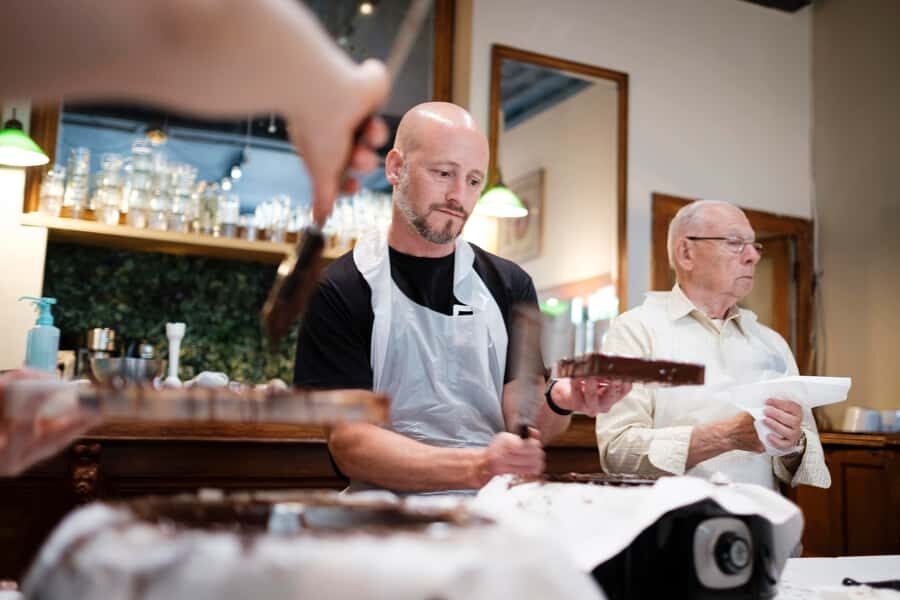
This class is built around 100% organic and artisanal cacao called Chuncho, a local product from the jungle of the Cusco region. The workshop team explicitly presents it as one of the best organic cacaos in the world, and it’s not just a marketing line—they build the tasting and instruction around that identity.
Here’s why that matters for you: when an ingredient has a clear origin, your senses get better at noticing differences. Instead of eating chocolate and thinking, “That’s sweet,” you’re more likely to notice texture, aroma, and how the cacao behaves in the chocolate base and fillings.
The class also includes instruction on why Peruvian chocolate is unique globally. Even if you already know cacao matters, the workshop gives you a frame for what to pay attention to while you’re tasting and mixing.
Make Belgian Pralines and Mendiants (And Why Your Output Is Real)
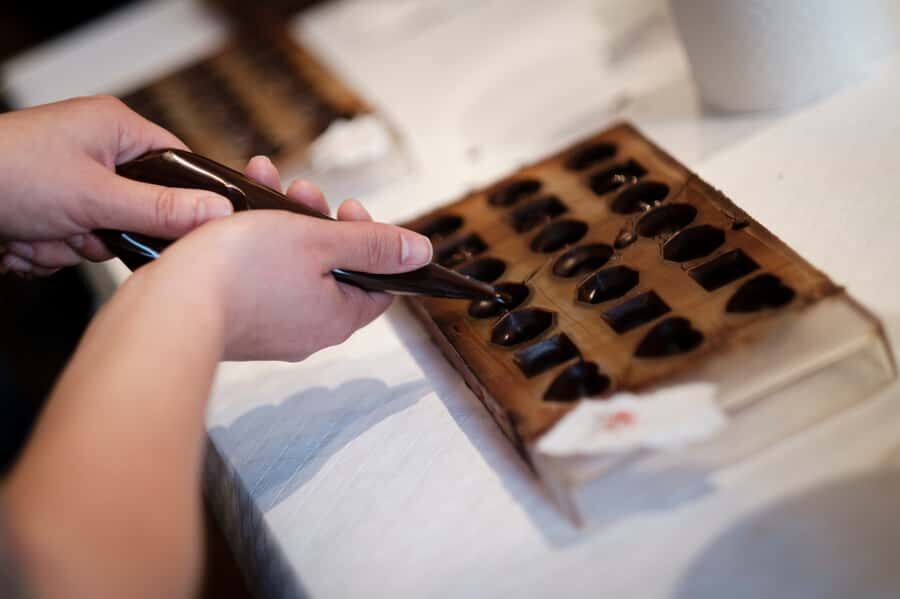
Let’s talk about what you actually make, because that’s the main reason a chocolate workshop can feel worth it—or not.
Pralines: the filled bonbons
You’ll create pralines in a classic Belgian style. That means you’re working with chocolate shells (or coatings) and then filling them. The big win here is choice: you’re not locked into one filling flavor.
Mendiants: the chocolate + toppings discs
Mendiants are the other standout. You assemble them with toppings on chocolate, and you build them like a chef, not like a kid with sprinkles. The class emphasizes technique and guidance so your toppings and set come out well.
You’ll get hands-on help throughout, and the session is set up so you can actually finish with a box that feels like a gift to yourself.
Rough take-home math
You’re taking home about 31 pieces total (around 21 pralines and 10 mendiants), and the workshop includes 300 grams of chocolate per person. That’s enough to feel like you got a true workshop outcome, not just a small tasting.
Fillings and Toppings: This Is Where You Get Creative
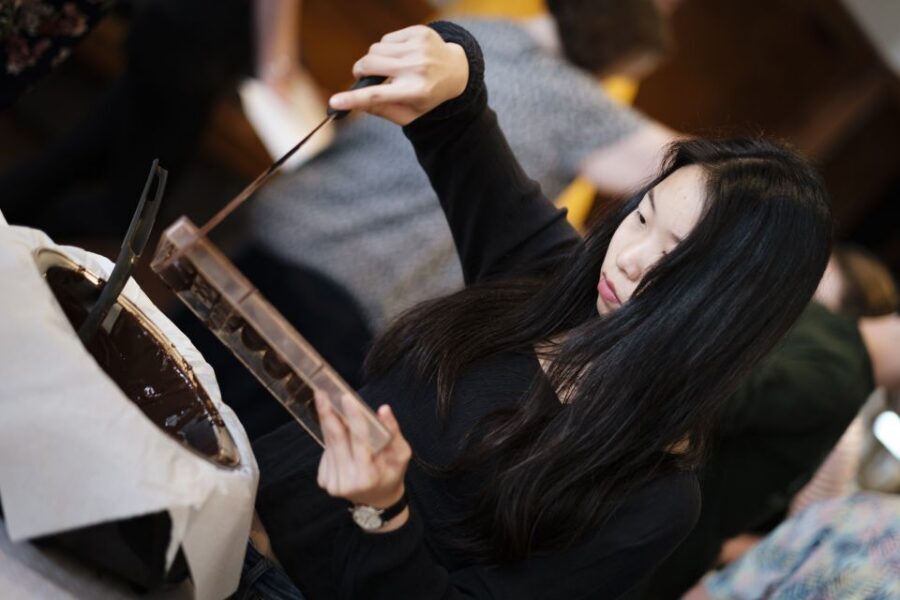
The workshop isn’t just about making chocolate. It’s also about choosing what goes inside and on top.
You’ll be inspired by a range of toppings, including:
- ganache made by yourself
- homemade local jam
- a variety of local and organic nuts
This part matters because it turns technique into personal preference. You can build pralines around what you like—creamy, fruity, nutty—without needing any prior chocolate knowledge.
And it’s not just random toppings. The session helps you think about what works with cacao and how to combine flavors so your finished bonbons taste coherent, not chaotic.
Hot Chocolate: Tasting and How-To
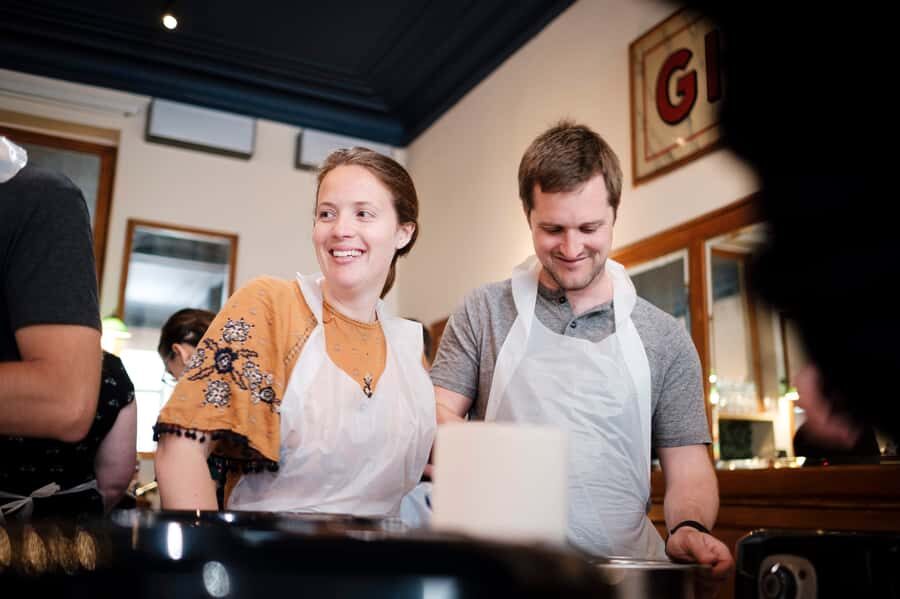
You’re not leaving after making bonbons only. The workshop also includes a hot chocolate tasting and teaches you how to make it.
This is a smart add-on for Cusco travelers. When you’re in the Andes, you’ll want warm comfort that isn’t just another cafe stop. Learning the method means you can recreate it at home—or at least remember enough steps to make a decent cup.
Instructor Energy: The Style That Makes This Stick
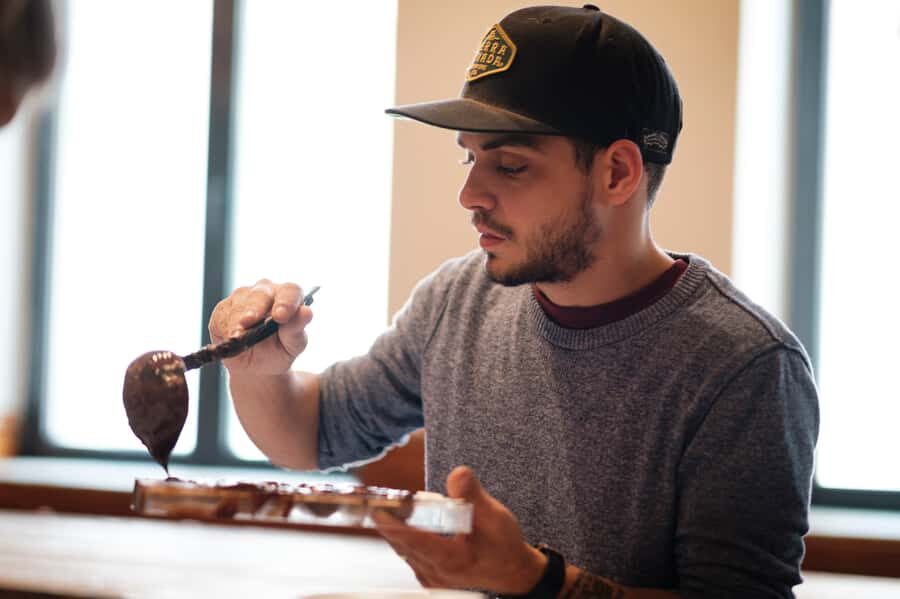
The workshop vibe is interactive and social, with instructors who bring energy and humor into the process. Names like David, Marco, and Alex show up as instructors in the experience, with additional support from people like Ken and Angel.
Even if you don’t care about names, this kind of team matters. When the teacher keeps things upbeat and clear, you’re more likely to stick with the tempering and timing steps that make chocolate turn out right.
Timing, Group Rules, and Who Should Book
This is not a “drop in and watch” activity. The workshop does not allow spectators, and it doesn’t allow unaccompanied minors.
It also isn’t suitable for:
- children under 12
- people with diabetes
That diabetes note is important. Chocolate workshops usually mean sugar and tasting, so if you need strict dietary control, this may not be the right fit.
Who it suits best
This workshop is ideal if you:
- want a hands-on food experience in Cusco (not another walking tour)
- enjoy learning technique, not just eating dessert
- want a take-home edible souvenir that’s actually personal
If you’re a couple or small group, it’s also a nice shared activity. You’ll work toward the same outcome—your box of bonbons—so it feels collaborative, not awkward.
Price and Value: What You Get for $47
For $47, you’re getting:
- a 2.5-hour workshop
- 300 grams of chocolate per person
- hot chocolate tasting and instruction
- pralines and mendiants made from scratch
- all ingredients and utensils
- assistance start to finish
- a take-home box with your chocolates
- filtered water
That package is why I think the price makes sense. You’re paying for guided production, not just ingredients. And the take-home box gives you a tangible result you can share.
The only real value risk is timing. If your day is jam-packed, it’s easy to show up rushed and feel like you can’t enjoy the experience. Give yourself time to walk to Limbus Restobar calmly, then settle in for the full session.
Possible Drawbacks to Keep in Mind
No activity is perfect, so here’s what could be a disappointment depending on your style.
- Meeting logistics: no pick-up means you need to handle your own transport.
- Depth of cacao processing: if you want to see every cacao bean step like roasting and opening in detail, this may be more focused on making candies than on full bean processing.
- Last-minute changes: like many small experiences, schedules can sometimes shift close to start time. If you book near your travel window, keep an eye on updates and don’t plan a hard “right after” transfer.
Should You Book This Cusco Chocolate Workshop?
I’d book it if you want a genuinely hands-on Cusco experience. The workshop ticks the boxes that matter: local organic Chuncho cacao, classic Belgian pralines and mendiants you can take home, and hot chocolate instruction for cold evenings.
You should skip it if you:
- need a strict diabetes-friendly activity
- want something stroller-friendly or for kids under 12
- dislike workshops with no spectators and no “watch only” option
- are hoping for a long, step-by-step cacao production show rather than candy-making
If you’re choosing between yet another tour and a real workshop, this one earns the slot. You leave with chocolate you made, a warm cup of hot chocolate to remember, and a clearer sense of why Peruvian cacao matters.
FAQ
How long is the chocolate workshop in Cusco?
The workshop lasts about 150 minutes (2.5 hours).
Where do we meet for the Cusco chocolate workshop?
You meet at Limbus Restobar. At reception, indicate that you are coming for the chocolate workshop (taller de chocolate).
Is pick-up included?
No. There is no pick-up; you’ll need to meet directly at the workshop location.
What will I make during the workshop?
You’ll make Belgian-style pralines and mendiants from scratch, plus you’ll learn about and prepare hot chocolate.
What’s included in the price?
The price includes the 2.5-hour workshop, about 300 grams of chocolate per person, hot chocolate tasting, ingredients and utensils, filtered water, assistance throughout, and a box to take your handmade chocolates home.
What can I take home?
You can take home about 21 pralines and 10 mendiants you create, in a personalized box.
What languages are offered?
The instructor team works in English, Spanish, and French.
Are children allowed?
No unaccompanied minors are allowed, and children under 12 years old are not allowed.
Is this workshop suitable for people with diabetes?
No, it is not suitable for people with diabetes.
What’s the cancellation policy?
You can cancel up to 24 hours in advance for a full refund.