REVIEW · CUSCO
Bean-to-Bar Chocolate Workshop in ChocoMuseo Ollantaytambo
Book on Viator →Operated by ChocoMuseo SAC · Bookable on Viator
This hands-on stop turns chocolate into a real skill. I like the bean-to-bar focus, where you actually make treats, and I like the mix of museum learning plus a guided factory-style walk. One thing to plan for: you’ll need your own transportation, since it’s not included in the price.
The workshop runs about 2 hours at ChocoMuseo Ollantaytambo, and it’s capped at a small group size (max 10), so you’re not lost in a crowd. The tour is offered in English, and you get a mobile ticket plus a set amount of take-home chocolate (130g).
In This Review
- Key Points to Know Before You Go
- ChocoMuseo Ollantaytambo: The 2-Hour Rhythm of a Bean-to-Bar Lesson
- Inside the Same Site: Museum, Factory Walk, Then Workshop
- The museum-style part: why Peru matters for cocoa
- The guided factory-style walk: from beans onward
- The workshop: making your own treats
- Tastings and What They’re Really For
- Your 130g Take-Home Chocolate: More Than a Souvenir
- Price, Small Group Size, and Why $33.79 Feels Fair
- Where to Go: Ollantaytambo Location and Walkability
- Timing Your Day: How to Avoid the Most Common Schedule Snags
- How Comfortable Is the Experience, Really?
- Should You Book This Workshop?
- FAQ
- How long is the Bean-to-Bar Chocolate Workshop?
- How much does it cost?
- What’s included in the tour?
- Is transportation included?
- What language is the workshop offered in?
- How soon can I leave with the chocolates?
Key Points to Know Before You Go
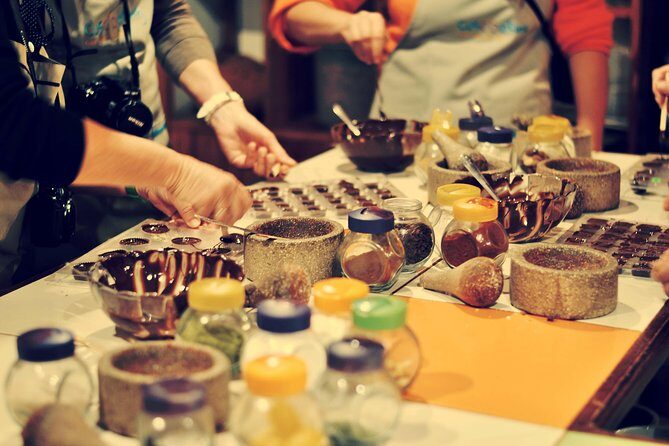
- Bean-to-bar, hands-on: You’ll make your own chocolate treats, not just watch.
- Tastings included: Chocolate drinks tasting is part of the experience.
- Museum + factory + workshop: You get context before you get your hands sticky.
- Take-home value: You leave with 130g of your own handmade chocolates.
- Small groups: Maximum 10 travelers keeps it personal.
- Pick a convenient time: A later slot (like 4pm) can feel easier since many places close soon after.
ChocoMuseo Ollantaytambo: The 2-Hour Rhythm of a Bean-to-Bar Lesson
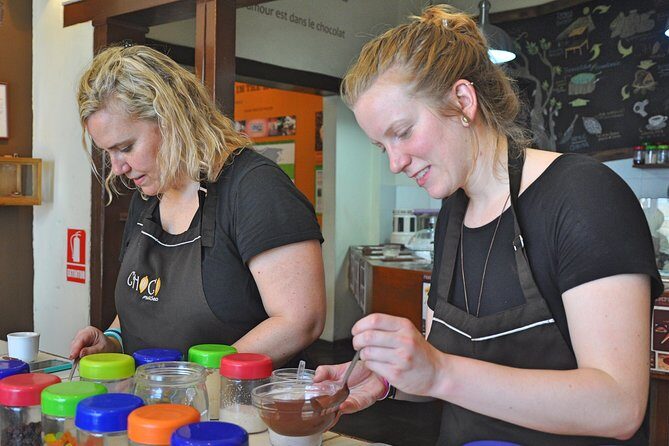
If you’re in the Cusco region and you want an activity that feels like a short adventure, this workshop is a solid choice. It’s built around one clear goal: turning cocoa beans into chocolate you can shape into treats. In about two hours, you’ll move from learning mode to making mode, and you’ll actually taste what you’re being taught.
The price—$33.79 per person—works best when you look at what’s included. You’re not paying just for a guided lecture. You get chocolate drink tastings, all materials to create your chocolates, and 130g of handmade chocolate to take with you. That’s a meaningful value boost compared to tours where the “hands-on” part is tiny or you leave with nothing edible.
You should also know the timing has a bit of a surprise built in: you can leave with your chocolates about 45 minutes after the workshop ends. That’s not a problem, but it does affect how you plan your next stop. Think of it as a built-in buffer—use it to grab a snack or take a walk rather than trying to rush into your next reservation immediately.
You can also read our reviews of more drinking tours in Cusco

Inside the Same Site: Museum, Factory Walk, Then Workshop
Everything happens at ChocoMuseo Ollantaytambo, so you’re not bouncing around town. The experience is described as an interactive tour that combines factory, museum, and then a chocolate-making workshop. That structure matters, because it keeps the learning tied directly to what you’re doing.
Here’s the flow you should expect:
The museum-style part: why Peru matters for cocoa
You start with the background—learning the history of cocoa and why Peru is famous for chocolate. This is the section that helps your tasting make sense. Instead of tasting randomly, you’re learning what makes Peru’s cocoa world-known, and how that reputation connects to the real process you’re about to try.
Even if you’ve had chocolate your whole life, it’s useful context. Chocolate is usually treated like a finished product at home. Here, you’re reminded it’s an agricultural product first—start there, and everything else clicks.
The guided factory-style walk: from beans onward
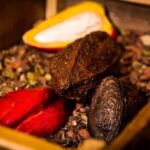
Next comes the interactive tour of the factory. The point isn’t technical jargon; it’s seeing the steps that take place between raw cocoa and the chocolate you recognize. Professional guides explain how the process works from bean to bar, and it’s paced so you can follow along while you look.
This is also where you’ll notice how much effort is involved. One of the best parts of this kind of tour is realizing that “chocolate” is not just one thing. It’s a chain of choices, and the tour helps you connect those choices to the final taste.
The workshop: making your own treats
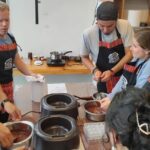
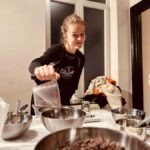
Finally, you get hands-on in the chocolate workshop. You’ll make your own chocolate treats using all materials provided. You’re not just decorating—this is presented as learning how to make chocolate from the bean to the bar, explained by the guide as you work.
If you like practical activities—food, crafts, cooking classes—this is the best moment of the day. You’ll leave with chocolate you helped make, and that makes the tastings throughout the tour feel less like “extras” and more like part of the lesson.
You can also read our reviews of more tours and experiences in Cusco
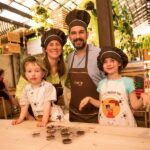
Tastings and What They’re Really For
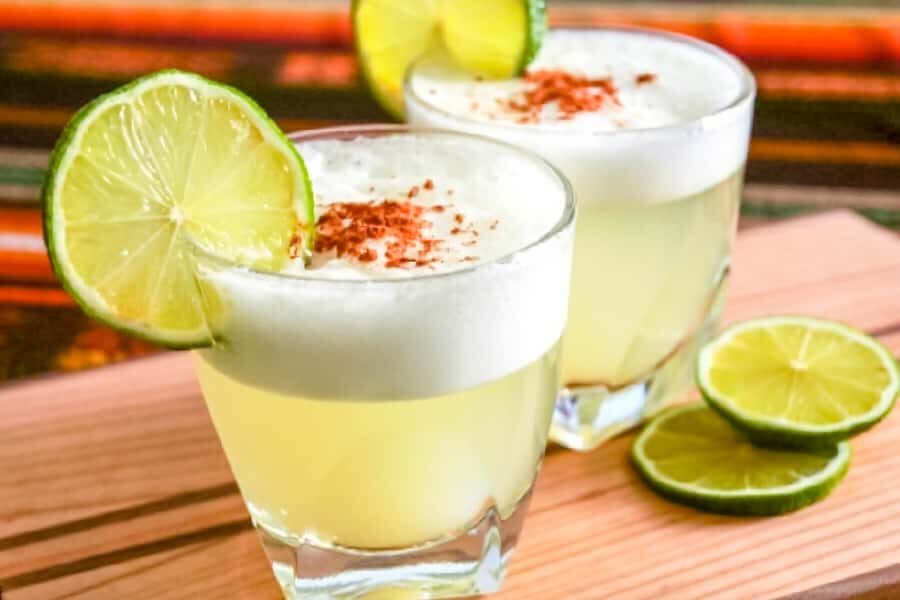
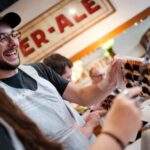
The tour includes a chocolate drinks tasting. That sounds simple, but in practice it helps you calibrate your palate fast. You’re learning about cocoa flavors, and you’re doing it while the guide is pointing out the connections between cocoa and chocolate character.
I like tastings inside a workshop because they do two jobs:
- They help you pay attention while you’re learning.
- They make it easier to choose what to buy later, since you can remember what you liked and why.
A nice bonus from the experience: people have a chance to taste multiple unique flavors during the session. That’s exactly what you want if your goal is to go beyond generic “good chocolate” and actually notice differences.
Your 130g Take-Home Chocolate: More Than a Souvenir
The best part of any edible tour is what you bring home. Here, that’s not a small sample. You take 130g of your own handmade chocolates.
That matters for two reasons. First, it turns the workshop into something you can share right away. Second, it gives your brain a reason to remember what you did—because you can taste your work later, not just in the moment.
Also, the timing is worth planning: you’ll be able to leave with your chocolates around 45 minutes after the workshop ends. So don’t schedule your next activity to start the exact minute you’re done. Build in a buffer so you don’t feel rushed.
If you’re someone who likes food gifts, this is also practical. You get a quantity you can package or portion, and it still feels personal because you made it.
Price, Small Group Size, and Why $33.79 Feels Fair
Let’s talk money without pretending it’s the only factor. At $33.79 per person, you’re getting:
- chocolate drink tasting
- all materials to make chocolates
- 130g of handmade chocolate to take home
- English-language guidance
- an experience lasting around 2 hours (plus the time to collect your chocolates later)
That package is why the price works. You’re not paying only for entry to a museum or only for a quick tasting. The “materials + take-home chocolate” piece is the value engine here.
The other big value driver is the group size: maximum 10 travelers. Smaller groups tend to mean fewer long waits and more chances to ask questions or get help while you’re working. Even if you’re not the most talkative person in the room, you’ll still appreciate that the guide can keep an eye on what you’re doing.
Timing tip: one helpful detail from real-world experience is that a later tour (like 4pm) can fit better when other places start to close. Ollantaytambo runs on a rhythm—don’t fight it.
Where to Go: Ollantaytambo Location and Walkability
The meeting point is ChocoMuseo Ollantaytambo, located at Ollantaytambo 08676, Peru. You return back to the same meeting point at the end.
You’ll likely find it easier than it sounds to reach. It’s described as near public transportation, and there’s also a practical hint that the site is walkable from the plaza. If you’re staying in the center of town, plan on a short walk rather than complicated routing.
One more small logistics note: transportation isn’t included. So if you’re coming from outside Ollantaytambo (or you’re doing this as part of a broader Sacred Valley day), you’ll want to line up your ride ahead of time.
Timing Your Day: How to Avoid the Most Common Schedule Snags
A chocolate workshop is fun, but it can mess with your schedule if you treat it like a quick stop. Here’s how I’d plan around it:
- Treat the experience as a 2-hour block.
- Add time for collecting your chocolates—leave around 45 minutes after the workshop ends.
- If you have dinner plans, aim for something that won’t start immediately at the end of the workshop.
Because this is a food-making activity, your attention will shift during the session. You’ll likely be focused on what the guide is explaining and on your hands-on steps. That’s great, but it means you don’t want your next activity far away or time-sensitive.
If you’re the type who likes to move fast through your itinerary, this is still doable—you just need to give the chocolate part breathing room.
How Comfortable Is the Experience, Really?
From the details provided, this is a straightforward, guided format with professional guidance. It’s small-group (max 10), offered in English, and includes practical materials—so you don’t need to bring special equipment.
Service animals are allowed, and it’s near public transportation. Those two points make it easier to include in a Cusco/Sacred Valley day without turning it into a logistics project.
The only real “comfort” consideration is the chocolate itself. Expect to handle and work with chocolate-making materials. If you’re sensitive about mess or don’t like getting your hands involved, you might prefer a lighter tasting tour—but if you enjoy hands-on food experiences, this is exactly the right level.
Should You Book This Workshop?
I recommend booking this if you want a hands-on food lesson that ends with a real, edible payoff. You’re getting both the story (cocoa history and why Peru’s cocoa matters) and the action (making chocolate from bean to bar). The 130g take-home makes it feel like more than an activity—you leave with something you can actually use.
I’d think twice if you’re short on time and can’t handle the “pick-up after” timing. The workshop ends, but your chocolates come later. Also, since transportation isn’t included, make sure your day has a clear plan for how you’ll get to Ollantaytambo and back.
If you want an easy win in the Sacred Valley that’s different from sightseeing alone, this is one of the better value bets in the $30-ish range—especially because so much of what you pay for is tied directly to making and taking chocolate home.
FAQ
How long is the Bean-to-Bar Chocolate Workshop?
It lasts about 2 hours (approx.).
How much does it cost?
The price is $33.79 per person.
What’s included in the tour?
It includes chocolate drink tasting, all materials to make your own chocolates, and 130g of handmade chocolates to take home.
Is transportation included?
No. Transportation isn’t included.
What language is the workshop offered in?
It’s offered in English.
How soon can I leave with the chocolates?
You can leave with your chocolates about 45 minutes after the workshop ends.