REVIEW · CUSCO
Local Market and Peruvian Cooking Class with Pisco Sour in Cusco
Book on Viator →Operated by Cultural Immersion Travel Peru E.I.R.L. · Bookable on Viator
Pisco sours start in the market. This Cusco experience pairs a walk through Mercado Central de San Pedro with a hands-on Peruvian cooking class, starting by learning the national drink pisco sour (and making it) before you move into the kitchen. You’ll also get time with local produce knowledge firsthand, including potatoes and corn varieties that show up across Peruvian meals.
I like that the format is small-group (usually around 4, up to 12), which means you get real help while you cook, not just watch from the sidelines. I also like that you leave with practical skills and recipes you can repeat at home, not just a meal and a few tips.
One thing to consider: you’ll be on your feet for the market portion and then cooking together for several hours, so come wearing comfortable shoes and plan to enjoy a full block of time.
In This Review
- Key highlights you should know
- San Pedro Market: the ingredient lesson you can take home
- Pisco sour first: how the class sets the mood (and your taste buds)
- The cooking studio: small-group focus with real assistance
- What you’ll cook: classic Peruvian dishes with a modern twist
- Fruits and tastings: the part many people forget to factor in
- Cocktails included: pisco sour and chicha morada
- Price and value in Cusco: why $59 makes sense for this format
- Timing in Cusco: lunch vs dinner slots and what to choose
- Who should book this cooking class (and who might skip it)
- Should you book it? My decision checklist
- FAQ
- What is the duration of the Cusco Local Market and Peruvian Cooking Class with Pisco Sour?
- Where does the tour meet and start?
- What time options are available?
- What is included in the price?
- Are alcoholic drinks included?
- Is there a vegetarian option?
- Can the chef accommodate dietary requirements?
- How big are the groups?
- What is the cancellation policy?
Key highlights you should know
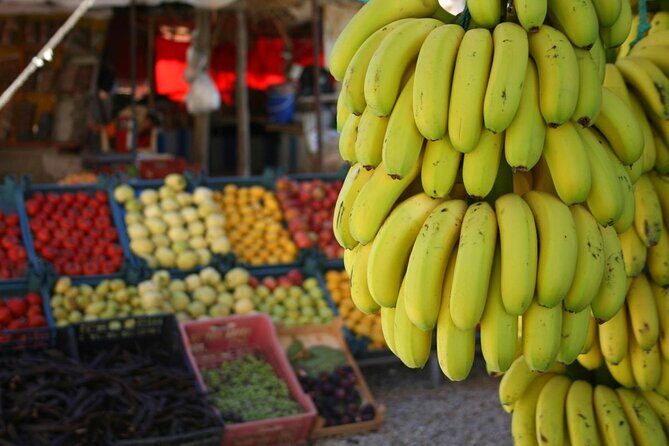
- San Pedro Market product walkthrough: You’ll learn what you’re seeing, from native potatoes and corn to regional ingredients.
- Pisco sour lesson before you cook: You make and taste it, then continue into the food.
- Small-group instruction: Average group size is about 4, with a max of 12.
- A multi-course meal that’s part of the lesson: Appetizer, main, dessert, plus tastings.
- Two included cocktails: Pisco sour and chicha morada (fruit-based Peruvian drink).
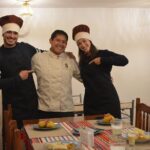
- Chefs with strong personalities and patience: Past classes have been led by chefs/hosts such as Dael, Mauricio, Jhesica, and Igor.
San Pedro Market: the ingredient lesson you can take home
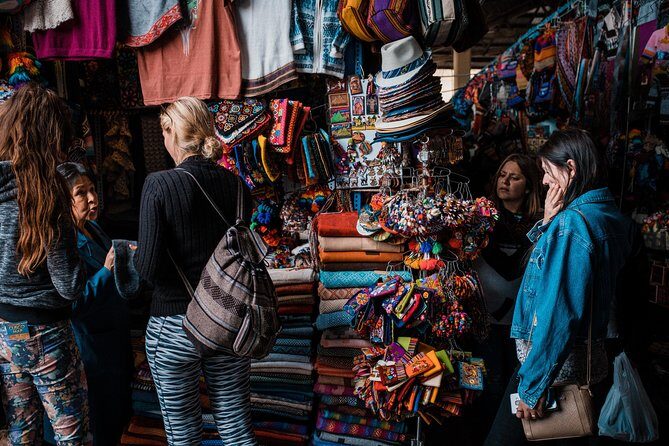
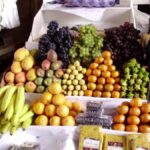
The experience begins at Mercado Central de San Pedro, Cusco’s biggest and most popular market. This matters because Peruvian cooking starts with ingredients that are local, seasonal, and often unfamiliar if you normally shop the big grocery chains back home. The market walk gives you context for what you’ll cook later, so when you taste something (or chop something) in the kitchen, it clicks.
What’s especially useful is how the chef/guide connects ingredients to real cooking. The class focuses on endemic produce—especially the native varieties of potatoes and corn—and explains how these foods became central to Peruvian cuisine. Even if you’re not trying to buy the exact same varieties where you live, you’ll learn what to look for and how flavors and textures translate.
A practical tip: markets are sensory by nature—smells, sounds, and crowds. If you get overwhelmed easily, arrive with a relaxed pace in mind. This is not a museum-style walk. It’s a working market, and you’re moving through it as a group while sampling and listening.
You can also read our reviews of more shopping tours in Cusco
Pisco sour first: how the class sets the mood (and your taste buds)
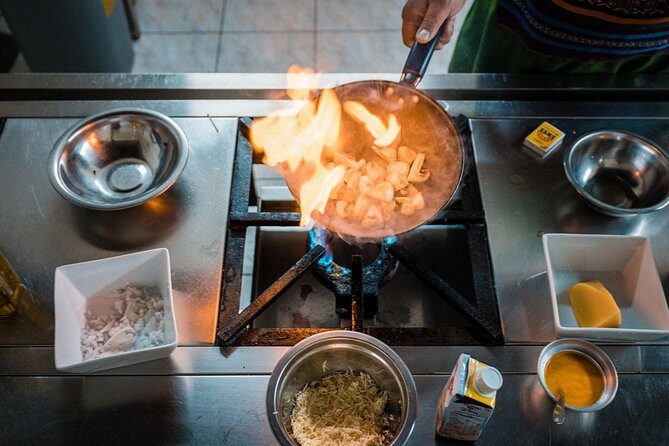
Right after the market, the lesson kicks off with pisco sours. You’ll learn how to make this famous Peruvian cocktail and also taste it as part of the experience. This is a clever start: it gets you thinking about balance (sweet, citrus, and alcohol) and it primes your palate for the rest of the meal.
You’ll also see that the class doesn’t treat drinks as an afterthought. It’s woven into the overall experience: you’re learning a Peruvian tradition, then using that same cultural lens to understand food. In the kitchen, you’re not just following steps—you’re learning why steps matter.
One more detail worth knowing: chicha morada is also included later as your second cocktail. That gives you a non-alcoholic-feeling Peruvian flavor base (it’s typically made from purple corn) even though it’s served as part of the included drinks.
The cooking studio: small-group focus with real assistance
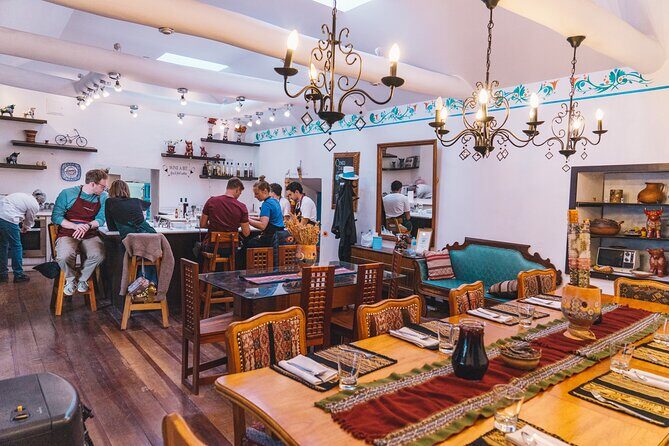
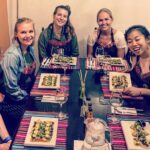
After the market, you head to the cooking area. Many classes run from a studio location within walking distance of the market, with a kitchen setup built for group cooking. This is one of those small details that actually changes the whole experience: it’s easier to ask questions, and you’re not fighting around a crowded restaurant table where everyone cooks at once.
The class is structured so you’re participating. You’ll be working through multiple steps for multiple dishes, and since the group stays small, the chef can adjust in real time. That personalized attention shows up in the reviews again and again, including praise for patience and clear explanations during the cooking process.
If you’re a confident cook, you can still get value here by learning Peruvian technique and flavor logic. If you’re a beginner, the pace is still manageable because you’re cooking with instruction, not just being handed a menu and hoped-for confidence.
What you’ll cook: classic Peruvian dishes with a modern twist
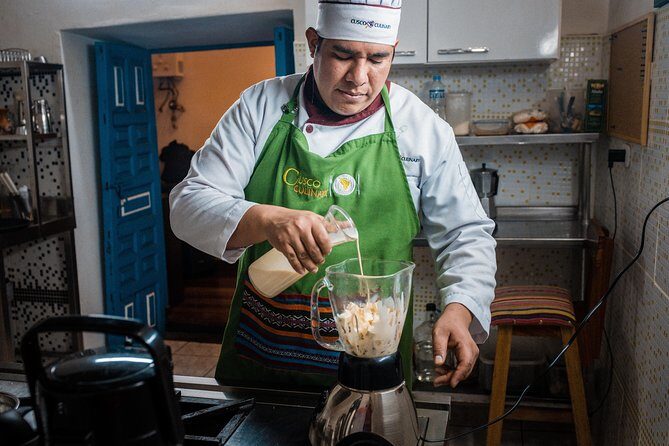
Menus can vary depending on the lunch or dinner slot and the group, but the class centers on traditional Peruvian dishes made with a modern twist. If you’re a food person, you’ll likely recognize the big themes: citrus-forward flavors, hearty peppers and tubers, and desserts that finish things off with something sweet and distinctly local.
From past class accounts, common dishes include:
- Multiple ceviche styles (often three types)
- Stuffed rocoto (a spicy Peruvian pepper dish)
- Pastel de papas (a potato-based baked dish)
- Soup courses paired with the main components
- Salads that help balance richer flavors
- A plated dessert at the end
You’re also likely to cook an appetizer and main course and then wrap up with dessert, plus fruit tastings. Come hungry, because this isn’t a light snack class dressed up as a tour. It’s structured as a full meal event with lessons built in.
Drawback to keep in mind: if you have very specific dietary needs, you should communicate them clearly at booking. The good news is that chefs have shown willingness to adapt menus for needs (including vegetarian requests), but the class still has limits based on ingredients available and the structure of the menu.
Fruits and tastings: the part many people forget to factor in
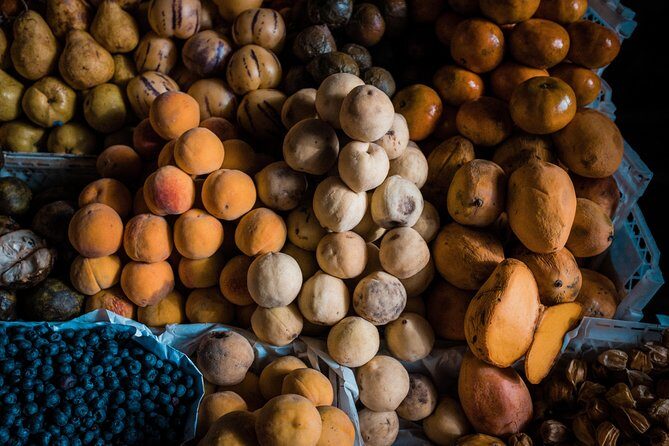
A major piece of this experience is the tastings—both fruit tastings and a dessert finish that often includes extra tasting elements. The market walk includes sampling, and then the cooking class closes with a typical Peruvian dessert plus tasting of some of Peru’s more exotic fruits.
This is one of the best parts for understanding Peruvian cuisine as a whole. Peru isn’t just about one dish. It’s about agriculture: fruit, tubers, and grains that thrive across different altitudes and climates. So even if you don’t plan to recreate every recipe at home, you can still build a real sense of what flavors Peru prizes.
If you’re the type who normally skips fruit because you’re busy sightseeing, don’t. This class uses fruit and tastings to teach flavor pairing and ingredient identity. It’s not random snack time.
You can also read our reviews of more tours and experiences in Cusco
Cocktails included: pisco sour and chicha morada
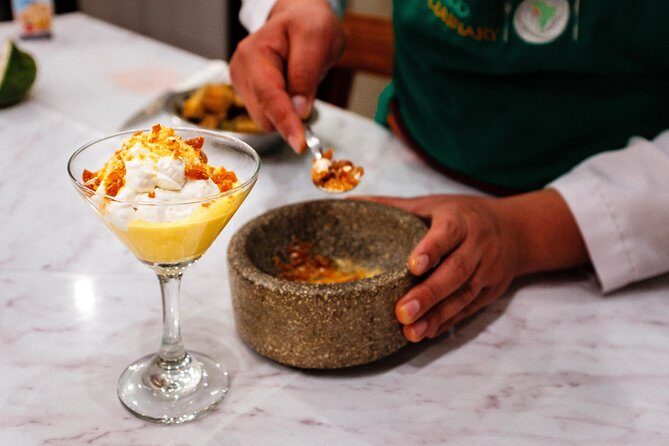
Two cocktails are included: pisco sour and chicha morada. You learn pisco sour basics in the lesson, and you’ll taste it along with the group. Then chicha morada shows up as part of the included drinks package.
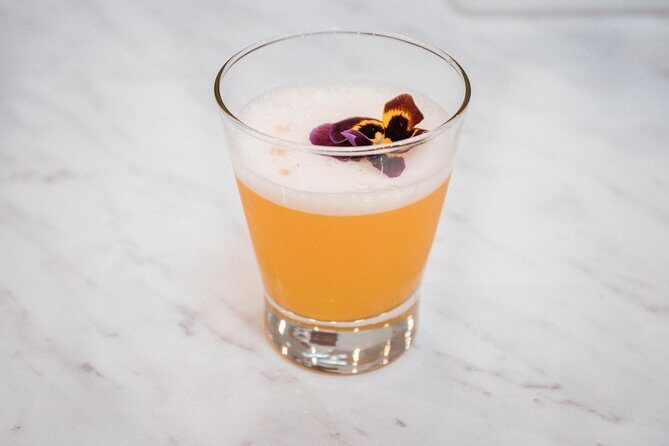
Why this is good value: many cooking classes include one drink, but here you get two distinct Peruvian choices. Pisco sour is a citrusy national drink, while chicha morada brings a different fruit-and-grain profile made from purple corn. Together they give you a more complete picture of what Peruvian drinks taste like.
Also, since extra alcoholic drinks are not included, it’s smart to pace yourself. If you’re traveling with others, you might want to split the included cocktails across the courses rather than rushing them all at the start.
Price and value in Cusco: why $59 makes sense for this format
At $59 per person for about four hours, this is positioned as a value-forward experience. The price is mostly about what’s included: the chef-led class, ingredients, fruit tastings, two cocktails, and bottled water.
A normal restaurant meal in Cusco can easily eat up a big chunk of your budget, especially if you add drinks. Here, the drinks are built into the lesson, and the food is not one dish—it’s structured as a multi-course experience (appetizer, main, dessert). On top of that, you’re not just eating; you’re learning the steps and techniques with assistance.
Group size also affects value. With a group averaging around 4 (and up to 12), you’re more likely to get help if you’re chopping wrong, asking why something works, or trying to match a sauce texture. If you’ve ever tried cooking at home after a generic class where you barely get eye contact from the instructor, you’ll understand why that matters.
Timing in Cusco: lunch vs dinner slots and what to choose
You choose either a lunch or dinner time when booking—9am or 3pm—and the experience runs about four hours. For many people, the earlier slot is a sweet spot because it leaves you free for a long afternoon of exploring Cusco. The 3pm slot can work well if you like a later start and want a structured activity before dinner plans.
Here’s the practical way to decide:
- Pick 9am if you want to get your shopping and sightseeing day rolling, then eat the major meal during the class.
- Pick 3pm if you want a slower morning and a later food-focused anchor.
Either way, plan for a full-meal experience. Even solo travelers tend to leave very full, because the class isn’t just a “try a few bites” situation.
Who should book this cooking class (and who might skip it)
This class fits best if you want a hands-on cultural food experience in Cusco, not just a restaurant dinner. It’s also a strong choice if you’re the kind of traveler who likes to learn technique—how dishes come together, not just what they taste like.
It’s especially good for:
- Couples who want an activity they can share and then talk about later
- Solo travelers, since the market walk and cooking steps create natural conversation
- Foodies who want specific Peru flavors like ceviche styles, rocoto, and potato dishes
- Vegetarian travelers, because a vegetarian option exists if you request it at booking
You might reconsider if:
- You strongly prefer quiet, low-energy activities (the market is active, and the group cooking is hands-on)
- You can’t manage several hours of standing and moving between locations
Should you book it? My decision checklist
I’d book this if you want to combine San Pedro Market learning with a real cooking class that ends in a full Peruvian meal and tastings. The included pisco sour and chicha morada are a bonus, but the bigger win is that you’re taught how to cook and you get to taste along the way.
Before you commit, do these three things:
- Decide whether you want the 9am or 3pm slot based on your sightseeing rhythm.
- Think about your diet needs early and message them at booking, especially if you’re vegetarian or have restrictions.
- Wear comfortable shoes and come ready to eat. This is a “come hungry” style of experience, not a light snack tour.
If you’re craving an authentic, practical Peru meal that you can actually repeat later, this is a solid choice in Cusco.
FAQ
What is the duration of the Cusco Local Market and Peruvian Cooking Class with Pisco Sour?
The experience runs about 4 hours.
Where does the tour meet and start?
The meeting point is Mercado Central de San Pedro, Thupaq Amaru 477, Cusco 08002, Peru.
What time options are available?
You can choose a lunch or dinner time when booking: 9am or 3pm.
What is included in the price?
The class includes a cooking class with a professional Peruvian chef, all ingredients and meals (appetizer, main course, dessert), fruit tasting, two cocktails (pisco sour and chicha morada), and bottled water.
Are alcoholic drinks included?
Pisco sour and chicha morada are included as part of the two included cocktails. Alcoholic drinks are listed as available to purchase, which suggests extra drinks beyond the included cocktails are not included.
Is there a vegetarian option?
Yes, a vegetarian option is available. You should advise at the time of booking.
Can the chef accommodate dietary requirements?
Yes. You should advise any specific dietary requirements at the time of booking.
How big are the groups?
Groups average around 4 people, with a maximum of 12 travelers.
What is the cancellation policy?
You can cancel for a full refund if you cancel up to 24 hours in advance. If you cancel less than 24 hours before the experience’s start time, the amount you paid is not refunded.