REVIEW · CUSCO
Chocolate Making Class “From the Cocoa Bean to the Bar” at Chocomuseo in Cusco
Book on Viator →Operated by LimaTours · Bookable on Viator
Chocolate and Cusco make a great match. This cocoa-to-bar workshop at Chocomuseo is a fun way to understand how Peruvian chocolate is made, from harvesting through the final tastable product. I like that it’s hands-on and structured, and you also get a real payoff at the end with an included hot cocoa or cocoa tea tasting.
Two hours is a sweet spot: long enough to learn the steps and make choices (dark or milk), but not so long you feel stuck. One consideration: if you’re hoping for an in-depth, full-day chocolate deep dive, this is a 2-hour class, so you’ll leave wanting a bit more.
In This Review
- Key things to know before you go
- Cocoa Bean to Bar at Chocomuseo: What Makes It Worth Your Time
- Meeting at Plaza Regocijo and the Simple Setup
- Inside the 2-Hour Workshop: What You’ll Do Step by Step
- From Harvest to Chocolate: The Process You’ll Actually Understand
- Make Your Own Chocolates: Dark vs Milk Choices
- The History Piece: Why Peruvian Cocoa Shows Up Everywhere
- Ending With Cocoa Tea or Hot Chocolate: A Warm Finish That Feels Smart
- Price and Value in Cusco: What $37 Really Buys
- Who This Chocolate Class Is Perfect For (and Who Might Skip It)
- Should You Book Chocomuseo’s Cocoa Bean to Bar Class?
- FAQ
- How long is the Chocolate Making Class at Chocomuseo?
- Where does the class meet in Cusco?
- Is the class offered in English?
- Is the tasting included, or do I pay extra?
- Can I choose between dark and milk chocolate?
- What’s the group size?
- What’s the cancellation policy?
Key things to know before you go
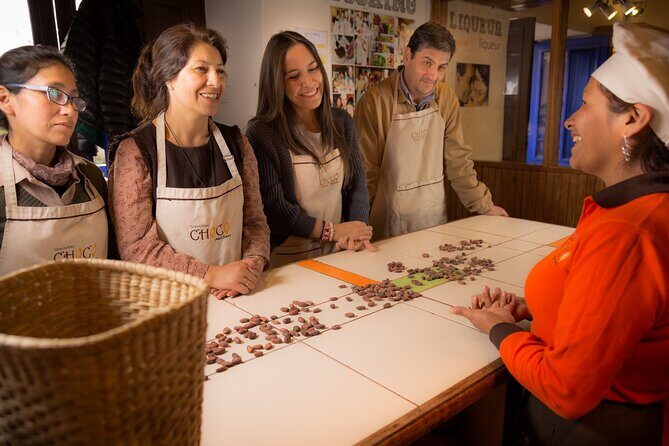
- Small group (max 15): You get more time at your station and fewer people competing for attention.
- Chocomuseo’s hands-on format: You don’t just watch; you prepare chocolates and taste what you make.
- Dark or milk chocolate choice: You can tailor your cocoa creation to your preferences.
- Starts with harvesting: You’ll learn the process from cacao fruit to the bar.
- Ends with a warm drink: Cocoa tea or hot chocolate is included, which matters in Cusco’s cooler weather.
- English instruction: This class is offered in English.
Cocoa Bean to Bar at Chocomuseo: What Makes It Worth Your Time
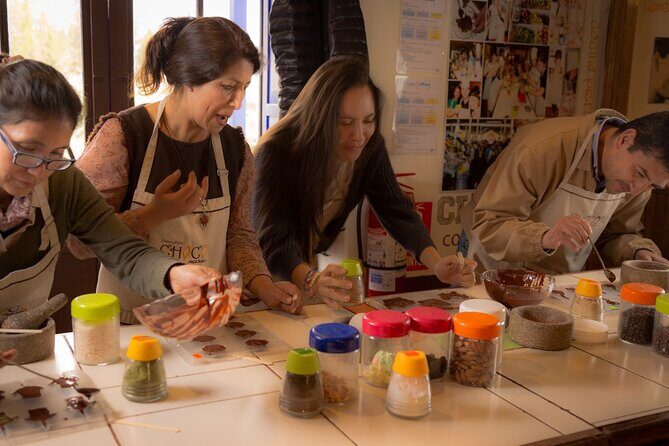
If you’re in Cusco and want one activity that’s equal parts tasty and practical, this chocolate class is an easy pick. You’ll learn how chocolate actually gets made, not just the idea of chocolate. And because it’s at Chocomuseo, it’s designed around a workshop experience instead of a quick retail stop.
The biggest reason I’m pro-this tour is how it balances education with doing. You hear about the manufacturing process and the history of cacao, and then you put your hands to work. That’s a rare mix in short tours.
The other strong point is the ending. You finish with an included hot drink tasting, typically cocoa tea or hot chocolate. In Cusco, where the air can feel sharp—especially in the late afternoon—that warm finish turns into a real memory. You’ll leave with a sugar hit, sure, but also with a better sense of what you’re eating.
You can also read our reviews of more drinking tours in Cusco

Meeting at Plaza Regocijo and the Simple Setup
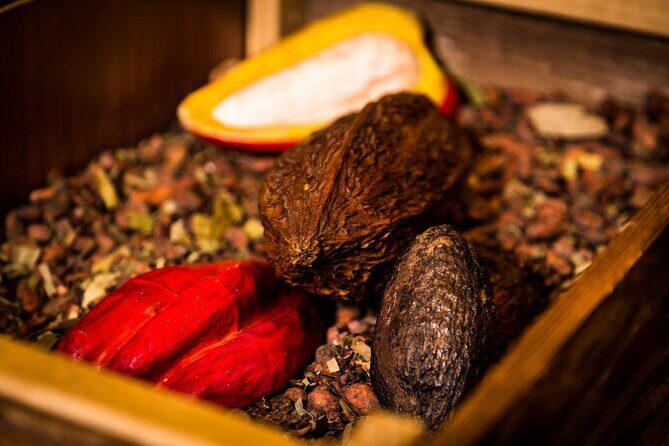
The meeting point is easy: ChocoMuseoPlaza Regocijo, Cusco 08000, Peru. That matters more than it sounds. In Cusco, getting lost can steal the joy from whatever you planned. This one is designed to be straightforward.
You’ll also want to know this is a 2-hour class (approx.). That means there’s less room for wandering or “seeing what else is nearby” beforehand. I’d plan to arrive a little early, settle in, and then focus on the workshop.
One more practical detail: it’s offered in English, so you can follow the steps and history without guessing. The tour also uses a mobile ticket, so have your phone ready. And since it’s near public transportation, you won’t be stuck planning a private taxi just to get there.
If you’re staying in a hotel, you’ll be asked for the name of your hotel so the operator can coordinate the activity. I’d treat that as “do it right away after booking,” not something to forget until the last day.
Inside the 2-Hour Workshop: What You’ll Do Step by Step
This is an interactive session, and that’s the point. You’ll start with the bigger picture: how cacao becomes chocolate. The workshop walks through the process starting with harvesting and continuing through the manufacturing steps.
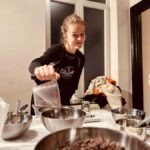
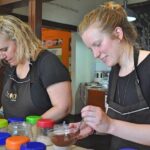
Then you shift from “how it works” to “how it tastes,” by actually preparing chocolates. The pace is built for a small group, so you’re not stuck waiting while someone explains the same thing to ten other people. The class format is hands-on and organized, with time to practice and ask questions.
What you’ll learn in the process is basically the workflow behind chocolate manufacturing in plain language: how cacao is processed, how different choices affect the final product, and why the whole thing matters to flavor. You’re also introduced to the history of cacao and why Peruvian chocolate became famous.
The class ends with a tasting portion. That’s not just a polite extra. It’s your chance to connect the steps you learned with the flavor in your cup and the chocolate you made.
Because it’s about 2 hours, you should think of it like a concentrated lesson plus a snack you helped create—not a half-day tour that also includes extra stops.
From Harvest to Chocolate: The Process You’ll Actually Understand
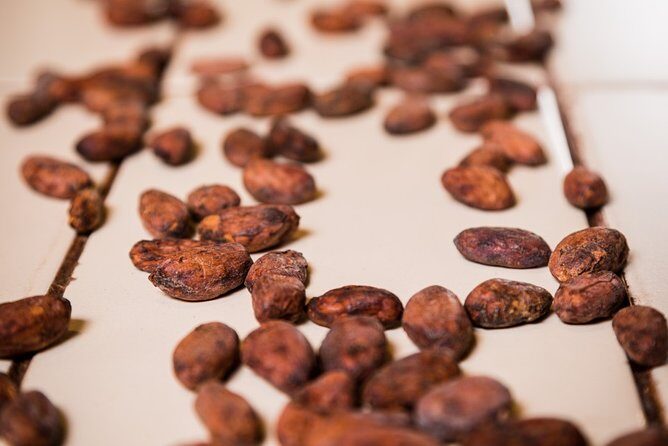
The workshop starts at the beginning: cacao harvesting. That first step changes how you view chocolate. Instead of treating chocolate like an anonymous product wrapped in foil, you see it as something rooted in the cacao fruit and its transformation over time.
From there, you’ll go through the manufacturing process as it’s presented in the workshop. You’ll hear the steps and see how they connect: why certain stages matter, and how you end up with a chocolate that tastes the way it does.
This kind of sequence learning is especially useful if you’re the type who likes food with a story. It also helps you shop later. Once you’ve heard how cacao moves through processing, you’ll be better at noticing differences when you see chocolate variations around Cusco.
It’s also the best way to appreciate what you’re doing when you get hands-on later. The tasting at the end feels earned, because it connects to the steps you heard first.
Make Your Own Chocolates: Dark vs Milk Choices
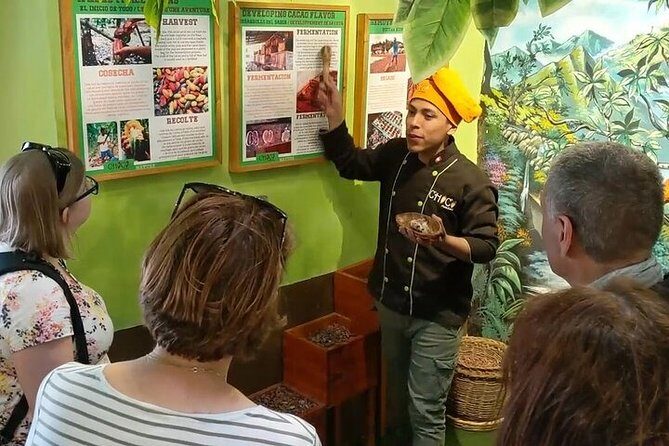
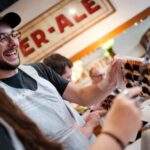
One of the fun parts is that you can help choose your outcome. You’ll be able to prepare your chocolates using dark or milk chocolate. That’s a practical option for groups, too. Some people want intense and earthy. Others prefer creamy sweetness. You can cater to both without the whole class breaking into separate tracks.
You’ll also prepare a chocolate tea as part of the experience. That turns the workshop from chocolate-only into a broader cacao experience, which I like. It gives you a way to keep enjoying the flavors after the class ends, even if you’re not immediately buying chocolate bars.
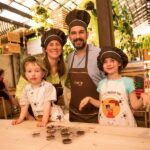
When you’re working in a small group, you’re more likely to get real feedback. The workshop is designed for up to 15 travelers, and that size tends to support questions and adjustments while you’re making your chocolates.
If you go in expecting to just eat free chocolate, you’ll probably be happy but under-whelmed. This class rewards curiosity. Ask why something is done a certain way, and you’ll get more out of it.
You can also read our reviews of more tours and experiences in Cusco
The History Piece: Why Peruvian Cocoa Shows Up Everywhere
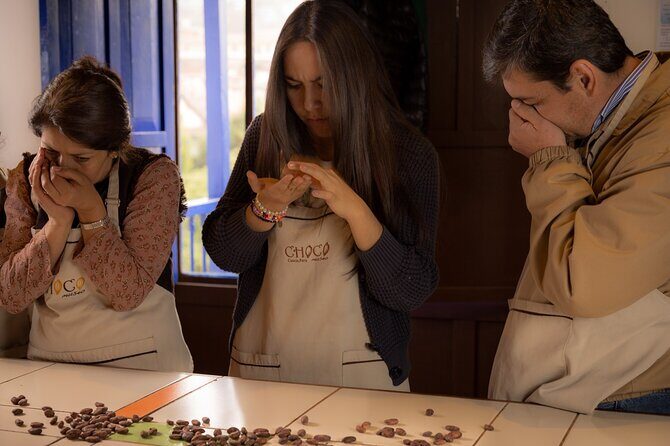
Chocolate’s popularity can make it feel generic. This class brings it back to Peru with an explicit focus on the history of cocoa and why it’s become famous worldwide.
You’ll hear about the story behind cacao and how it gained global attention. The goal isn’t academic theory. It’s context that makes the product feel more grounded in origin, not just in branding.
I also appreciate that the history isn’t separated from the hands-on. It shows up alongside the process you’re learning. That makes it easier to remember. You can connect the dots between “this is what we do to the cacao” and “this is why cacao matters in the first place.”
If you’re doing Peru travel that covers culture, history, and food, this workshop fits nicely. It’s not another museum hour. It’s a food-based lesson you can carry with you.
Ending With Cocoa Tea or Hot Chocolate: A Warm Finish That Feels Smart
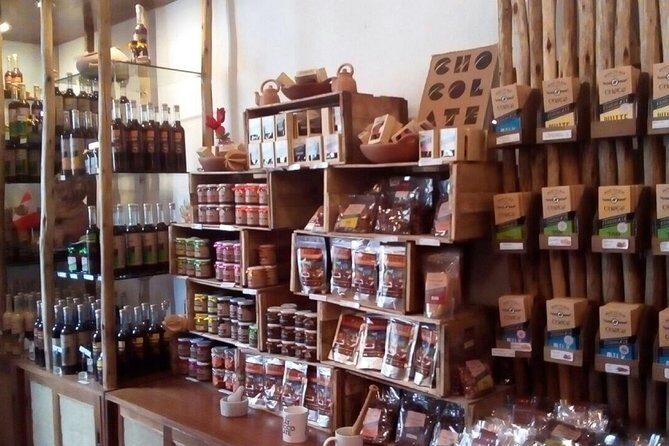
The included tasting is the payoff. You’ll finish with a hot drink—such as cocoa tea or hot chocolate—perfect for cooler Andean weather.
This is one of those details that sounds minor until you’re actually in Cusco in the evening or when the air feels thin and cold. A warm drink helps your body and your mood. It also gives you a moment to slow down after making your chocolates, especially if you’ve been walking a lot.
During the tasting, you can compare what you made with what you’re served. You’ll likely start noticing how your choices (like dark vs milk) show up in the flavor and sweetness.
Even if you’re not a big hot-drink person, this is an efficient way to experience local cacao culture. It turns the class from a quick activity into something that sticks.
Price and Value in Cusco: What $37 Really Buys
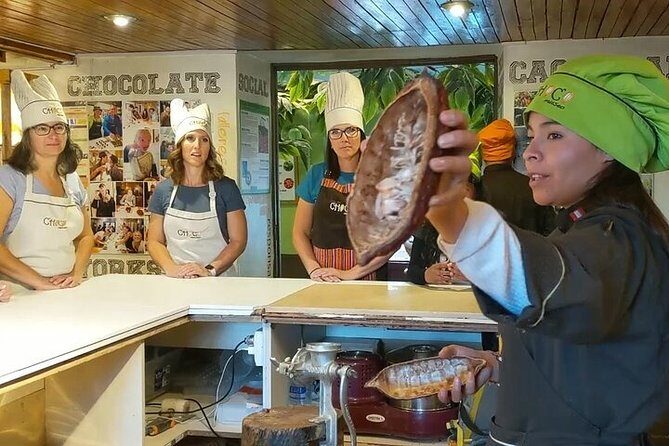
At $37 per person for about 2 hours, this is priced like a focused workshop, not a high-end private chef experience. The value comes from three places.
First, the small group size (max 15) helps keep costs down while still letting instructors manage the workshop effectively. You’re paying for instruction plus hands-on making, not just a seat in a lecture.
Second, it’s structured around tangible outputs. You don’t just watch the process—you prepare chocolates and get a tasting with a hot drink included.
Third, you’re learning both the manufacturing steps and the history behind the product. That combination can save you time if you would otherwise try to cobble together chocolate knowledge from reading and shopping later.
One real tip: this kind of class gets booked ahead. On average, it’s reserved about 26 days in advance, so if you want a specific day, don’t wait until the last minute.
Who This Chocolate Class Is Perfect For (and Who Might Skip It)
This workshop is ideal if you want a break from sightseeing that still feels meaningful. It’s a great fit for:
- Food lovers who like learning by doing
- People who like short, high-satisfaction activities
- Couples or small friend groups who want something different without long travel days
It’s also a good option for mixed groups. The dark vs milk choice helps keep everyone happy, and the small-group setup helps keep the vibe friendly.
Who might skip it? If you already know a lot about cacao processing and you’re hunting for a more technical, longer workshop, you may feel the 2-hour format is short. You’ll get a solid overview and a fun hands-on experience, but it’s not built to be an all-day lab.
Should You Book Chocomuseo’s Cocoa Bean to Bar Class?
I’d book it if you want an experience that’s easy to fit into a Cusco day, teaches you something real, and ends with a warm tasting that makes sense for the climate. The small group size is a big deal for quality, and the included chocolate tea or hot chocolate tasting is exactly the kind of practical extra that turns learning into a treat.
You should also consider booking if you’re traveling in English and want a class that clearly explains the steps without you needing to translate anything in your head.
If you’re on the fence, use this quick rule: if you’d enjoy making something edible and learning how it works, go for it. If you just want a quick snack or you’re not into hands-on food experiences, you might prefer a different Cusco activity.
FAQ
How long is the Chocolate Making Class at Chocomuseo?
It lasts about 2 hours (approx.).
Where does the class meet in Cusco?
The class starts at ChocoMuseoPlaza Regocijo, Cusco 08000, Peru. It ends back at the same meeting point.
Is the class offered in English?
Yes, it’s offered in English.
Is the tasting included, or do I pay extra?
Tasting is included. You’ll taste a hot drink such as cocoa tea or hot chocolate as part of the dessert/menu portion.
Can I choose between dark and milk chocolate?
Yes. You can prepare chocolates using dark or milk chocolate.
What’s the group size?
The class has a maximum of 15 travelers.
What’s the cancellation policy?
You can cancel for a full refund up to 24 hours before the experience starts. If you cancel less than 24 hours before, the amount you paid is not refunded.