REVIEW · CUSCO
Chocolate Workshop in Cusco with Premium Organic Cacao
Book on Viator →Operated by Cusco Chocolate Workshop · Bookable on Viator
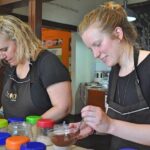
If you want an evening that feels different, this chocolate workshop fits the bill. You get hands-on time making Belgian-style pralines and mendiants from premium organic Chuncho cacao from the Sacred Valley, plus a hot chocolate and ganache lesson. I also love the small-group vibe and the way the class leader talks you through it with humor (David, Abelardo, and others have taught past sessions). One thing to consider: it’s very much a making class, and one recent note says it doesn’t include cacao-bean processing itself.
The session is timed for a fun part of the day too. With a 5:00 pm start and an evening view of Cusco, it’s a great “do something now” plan while your body gets used to the altitude. The only real drawback? You’ll end with more chocolate than you planned, and you’ll want to share it (but it’s also easy to eat it all yourself).
In This Review
- Key Highlights You’ll Feel Right Away
- Cusco Chocolate Workshop: A 2.5-Hour Evening Plan That Works
- Premium Organic Chuncho Cacao: Why This Ingredient Matters
- What You’ll Make: Pralines, Mendiants, and the Fun of Choosing Fillings
- Belgian-Style Workflow: Hot Chocolate, Ganache, and How the Steps Fit Together
- Meet the Class Leaders: Small-Group Attention You Can Actually Use
- Sunset Timing and Cusco Views: An Evening That Feels Like Part of the City
- What You Get to Take Home (and Why It’s a Real Perk)
- Price and Value: Is $45 Worth It in Cusco?
- Who Should Book This (and Who Might Prefer Another Plan)
- Quick Practical Tips for Your 5:00 pm Start
- Should You Book This Chocolate Workshop in Cusco?
- FAQ
- How long is the chocolate workshop in Cusco?
- What time does it start, and where do I meet?
- How much does it cost?
- How many pralines and mendiants will I make?
- Are there age limits?
- Does the class include processing cacao beans?
Key Highlights You’ll Feel Right Away
- Small group (max 15): personal guidance while you work.
- Belgian-style results: you’ll produce pralines and mendiants, not just taste chocolate.
- Organic Chuncho cacao (Sacred Valley): the ingredient focus is clear from start to finish.
- Hot chocolate + ganache lesson: you’ll learn a core “chocolate kitchen” technique.
- Take-home box: around 21 pralines and 10 mendiants go home with you.
- Instructor energy: examples include David, Abelardo, Randy, with assistants like Damaso supporting the flow.
Cusco Chocolate Workshop: A 2.5-Hour Evening Plan That Works
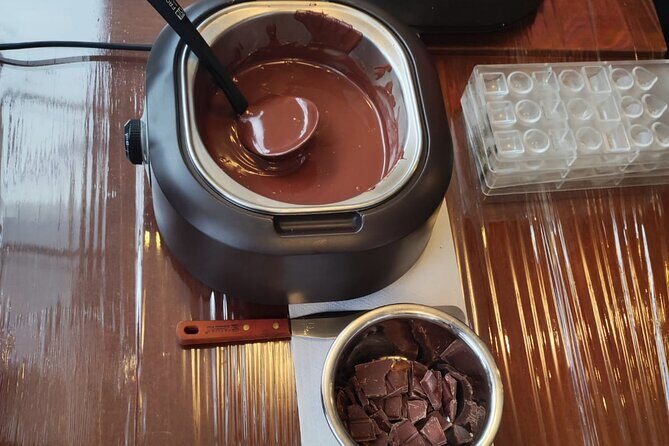
This is an evening workshop designed for real participation. It runs about 2 hours 30 minutes and starts at 5:00 pm, right in the heart of Cusco at C. Pasñapakana 133. The activity ends back at the same meeting point, so you’re not stuck wandering after you’re done.
The price is $45 per person. For Cusco, that’s not a bargain-food price, but it is a “you’re paying for ingredients + instruction + what you take home” price. You’re not just watching. You’re making chocolate bonbons and learning how to prepare hot chocolate and ganache as part of the class.
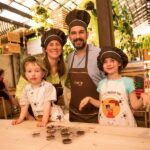
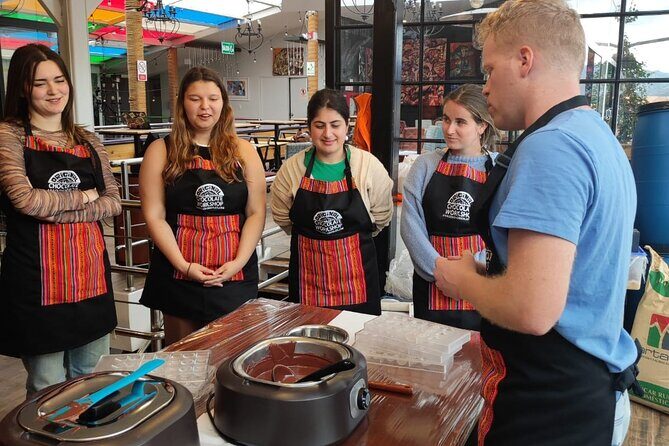
Another quiet advantage: the workshop is capped at 15 travelers, which usually means the leader can correct your technique without rushing you. And if you’re visiting with kids, it’s available for adults and children 12 years and older.
You can also read our reviews of more tours and experiences in Cusco

Premium Organic Chuncho Cacao: Why This Ingredient Matters
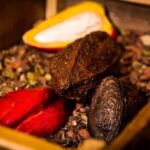
The star is 100% organic Chuncho cacao from the Sacred Valley of the Incas. You don’t need to be a cacao nerd to feel the difference. When a workshop names the origin and variety (Chuncho) and emphasizes that it’s organic, it signals a couple of practical things:
- You’re working with a chocolate ingredient the instructor can describe clearly, instead of a mystery “sweet stuff.”
- Your finished pralines and mendiants should taste like chocolate first, not mostly like sugar and flavorings.
The class also frames this as chocolate production you don’t often see during a Cusco trip. Cusco has plenty of famous things to do, but not everyone builds in time for an on-the-ground chocolate-making session that connects Cusco to the wider story of cacao.
In one recent note, an instructor (Abelardo) is described as Belgium-trained and spends time between Belgium and Peru. That matters because the workshop aims for true Belgian style, not just “chocolate making with a local twist.”
What You’ll Make: Pralines, Mendiants, and the Fun of Choosing Fillings
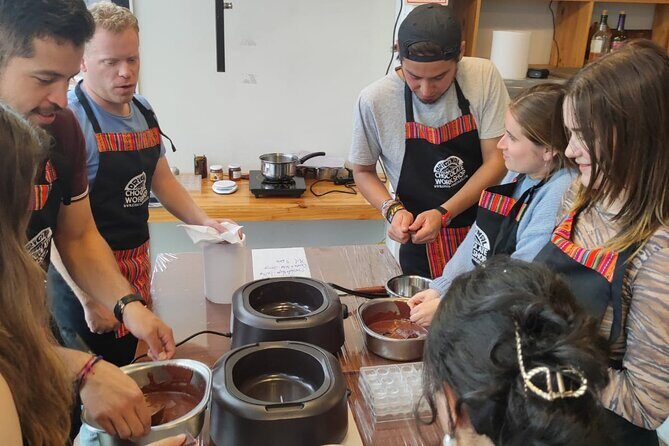
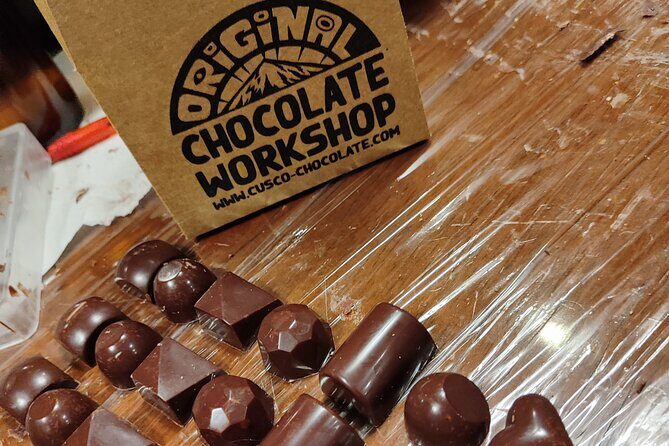
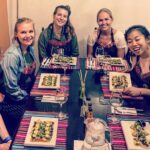
This workshop is hands-on from the start. You’ll make around 21 pralines and 10 mendiants. That’s a lot of pieces for a 2.5-hour class, so you should go with the mindset: quick learn, then produce.
Before you start forming anything, you’ll explore the history and culture of chocolate—enough context to understand what pralines and mendiants are supposed to be. Then you get to the satisfying part: toppings and fillings.
Here’s what you can expect to choose from:
- homemade local jams
- a range of local and organic nuts
- other topping options (including things like dried fruits and coconut flakes in past sessions, based on recent class notes)
The “value” in this choice isn’t just variety. It’s that you can tailor your box to what you like. Some people want crunch. Some want fruit-forward sweetness. The filling menu helps you make something that feels personal rather than generic.
And yes, you’ll eat some too. Part of the class includes a hot chocolate you learn to prepare, plus time to taste the chocolate you’re working with.
Belgian-Style Workflow: Hot Chocolate, Ganache, and How the Steps Fit Together
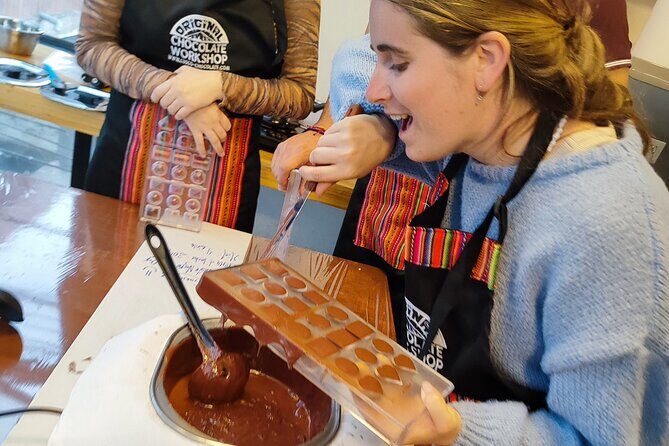
The workshop isn’t just “melt and pour.” You’ll also learn how to make ganache, which is one of the big building blocks of many bonbons and fillings.
Ganache is where chocolate goes from candy-ish to “real pastry technique.” Practically, it means you’ll learn:
- how chocolate and cream/sweet components come together
- what texture you’re aiming for
- how that affects what you fill into pralines or how you finish pieces
One detail that can help set expectations: a recent note says the class focuses on melting chocolate for truffles and related items and does not include processing cacao beans themselves. So if you’re picturing roasting, cracking, grinding beans, and pressing cacao, this is not that kind of deep production tour. It’s a culinary workshop centered on making confections and learning techniques you can actually use at home.
Still, you’ll come away feeling like you understand the process better, not just the final product.
Meet the Class Leaders: Small-Group Attention You Can Actually Use
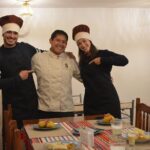
A chocolate workshop lives and dies by the instructor’s communication. This one gets high marks for teaching style: clear explanations, patience, and a sense of humor.
Examples from past sessions include:
- David, described as kind and funny, with a strong teaching flow
- Abelardo, described as engaging and funny, with a Belgium-trained approach
- Randy, noted as great and keeping things enjoyable
There’s also been support from assistants such as Damaso, which usually means you’re not waiting around when your chocolate needs attention.
Here’s why this matters for you in real terms:
- When chocolate starts setting, timing is everything.
- If the leader’s instructions are sharp, you get fewer “oops” moments.
- With a max group size, you can ask questions and get quick fixes.
And since the workshop takes place in Cusco’s center, you’re also less likely to feel like you’re walking into a random industrial area and hoping for the best.
You can also read our reviews of more tours and experiences in Cusco

Sunset Timing and Cusco Views: An Evening That Feels Like Part of the City
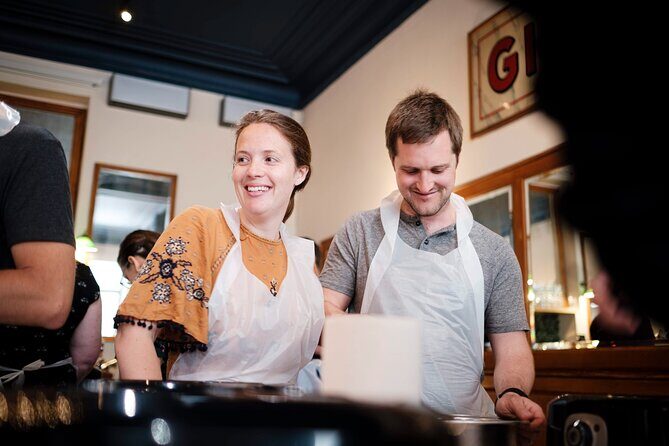
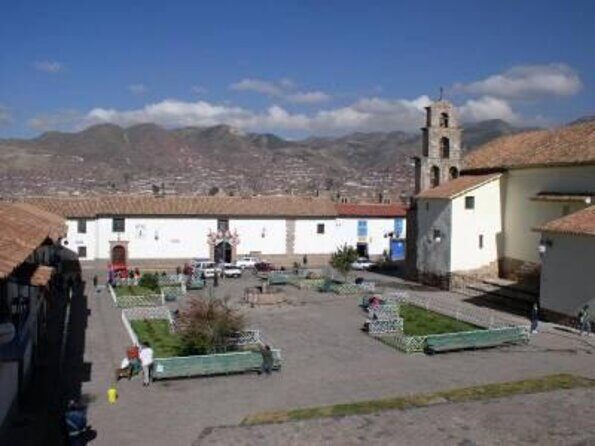
This workshop starts at 5:00 pm, which puts you in position for that evening light Cusco does so well. Multiple class notes describe a viewpoint overlooking the Cusco skyline and a beautiful setting around sunset.
You’ll likely experience it in stages:
- a warm welcome and background on chocolate
- hands-on work where you build pralines and mendiants
- hot chocolate time
- then finishing and packing your take-home box
Some recent notes even mention the walk to the venue being pleasant. That’s a small detail, but it matters in Cusco where every short stroll can feel like part of the trip.
Also, if you’re still acclimating, an evening activity like this can be a good fit. It’s not strenuous hiking, and it keeps your schedule simple. You get a fun plan that doesn’t require intense altitude endurance.
What You Get to Take Home (and Why It’s a Real Perk)
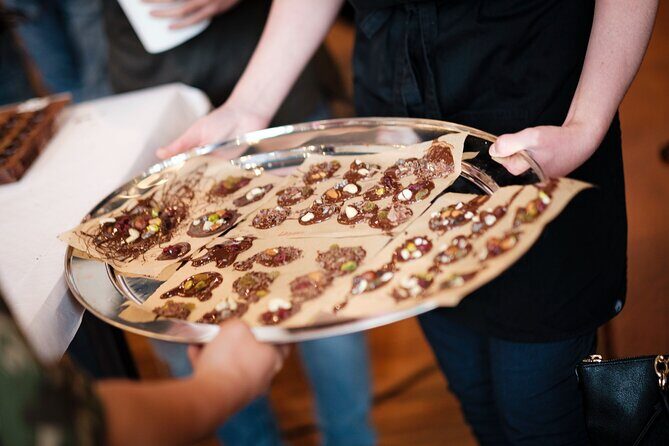
At the end, you receive a personalized box with your creations. That’s part of what makes the $45 feel reasonable.
You’re not leaving with a tiny sample or a bar bought from a shop. You’re leaving with pieces you made:
- around 21 pralines
- around 10 mendiants
That’s a great souvenir because it’s edible and personal. If you’re traveling with someone who doesn’t want to carry home bulky items, this is an easy win.
It also works well for gift-giving. Even if you don’t have plans to send anything home, a take-home box gives you a built-in way to share the experience without explaining it for an hour.
Price and Value: Is $45 Worth It in Cusco?
Let’s be practical. You’re paying for:
- premium ingredient focus (organic Chuncho cacao)
- instruction (step-by-step guidance)
- hands-on time producing multiple pieces
- hot chocolate and ganache instruction
- the take-home box
In many food experiences, you pay mostly for the “show” and leave with one small tasting. Here, you’re paying more, but you’re also getting more output. About 31 pieces total is substantial for the time, and the workshop’s structure supports active learning rather than passive watching.
If you’re the type who likes to cook, bake, or experiment in the kitchen, this is a particularly strong value. If you just want a quick snack, you might feel it’s pricier than it needs to be.
Who Should Book This (and Who Might Prefer Another Plan)
This works best for:
- couples and small groups who like interactive activities
- anyone curious about chocolate beyond tasting
- people who want an evening plan that includes a Cusco view
- travelers who appreciate organic, single-origin ingredient stories
It may be less perfect for you if:
- you’re looking for a full cacao-processing tour (one note says cacao-bean processing isn’t included)
- you want only tasting, no hands-on work
- you’re sensitive to working with chocolate while it’s setting (but the leader’s guidance usually helps)
Age-wise, it’s for adults and children 12+, so it’s doable as a family activity if everyone’s comfortable with the workshop pace.
Quick Practical Tips for Your 5:00 pm Start
You can make the evening smoother with a few small moves:
- Plan to arrive a little early so you’re not flustered when the hands-on part begins.
- Wear comfy clothing—this is a workshop where you’ll be working with your hands.
- Bring your curiosity. The best part is asking questions about fillings, technique, and what makes Belgian-style pralines and mendiants different.
And if you’re trying to plan your Cusco days around altitude, this is a nice “do something fun” option that doesn’t sound like a major physical challenge from the format.
Should You Book This Chocolate Workshop in Cusco?
If you want a memorable Cusco evening that mixes organic cacao, real technique, and a take-home box of what you made, I think you should book it. The class is designed for personal attention, and the consistent praise for instructors like David and Abelardo points to a good teaching experience, not just a pretty setting.
Book it especially if:
- you like edible souvenirs you can actually enjoy later
- you enjoy hands-on workshops more than museum-style tours
- you’re craving something different after your main Cusco highlights
Skip it if you’re expecting bean-to-bar production. This is confections and chocolate skills, not cacao-bean processing.
FAQ
How long is the chocolate workshop in Cusco?
The workshop runs about 2 hours 30 minutes (approx.).
What time does it start, and where do I meet?
It starts at 5:00 pm and meets at C. Pasñapakana 133, Cusco 08000, Peru. The activity ends back at the meeting point.
How much does it cost?
It costs $45.00 per person.
How many pralines and mendiants will I make?
You’ll create around 21 pralines and 10 mendiants, plus you’ll learn hot chocolate preparation and ganache during the workshop.
Are there age limits?
The workshop is available to adults and children 12 years old and older.
Does the class include processing cacao beans?
The workshop focuses on making pralines and mendiants, along with hot chocolate and ganache. One note indicates it does not include processing the cacao beans themselves.