REVIEW · CUSCO
Cusco: Bean to bar chocolate workshop
Book on GetYourGuide →Operated by Uyuni Experience EIRL · Bookable on GetYourGuide
Cacao, stone grinding, and a chocolate you made. This Cusco class walks you through a true bean-to-bar path, from cacao to molding, with hands-on time using a metate and mano like Indigenous artisans did.
I especially like that you’re not stuck watching. You get to roast, peel husks, and grind cacao into paste, then turn that into something you’ll actually eat.
My second big win is choice. You customize ingredients for your hot chocolate and create your own organic bar, and you also get to sip drinks tied to the Maya and the conquistadores. The only catch to plan for is that it’s a compact 2-hour experience, so you’ll learn a lot but you won’t have a slow, extra-long session to linger over every step.
In This Review
- Key things I’d circle before you go
- Bean-to-bar in Cusco: what makes this workshop work
- The first part: cacao, history, and the process roadmap
- The four big steps: what you learn (and what you do) from bean to bar
- 1) Roasting cacao beans
- 2) Removing the cacao husk
- 3) Grinding cacao nibs on a metate with a mano
- 4) Refining cacao paste in a melangeur
- Hot chocolate and two cultural sips: Maya and conquistadores
- Your customized organic chocolate bar: what you’ll take home
- How the 2-hour format feels in real life
- Who this Cusco workshop suits best (and who might want something else)
- Tips to get the most from your class
- Should you book the Cusco bean-to-bar chocolate workshop?
- FAQ
- How long is the Cusco bean to bar chocolate workshop?
- What languages is the live tour guide available in?
- Do I make chocolate myself or only taste it?
- What are the main stages of the bean-to-bar process included in the workshop?
- Can I take the chocolate home?
- Is free cancellation available?
Key things I’d circle before you go
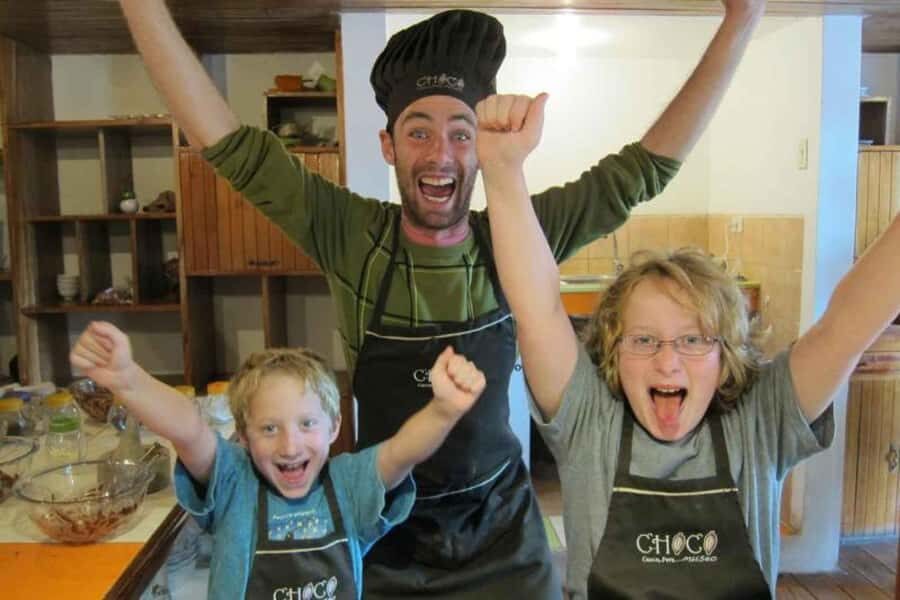
- You practice multiple stages of bean-to-bar: roasting, removing husk, grinding cacao nibs, and refining cacao paste
- You’ll use the metate and mano method for that traditional, hands-on grinding step
- A melangeur refines the cacao paste so the texture turns smoother, not just coarsely ground
- Hot chocolate plus your own bar: you make both, not only one sweet
- Flavor choices matter: you can tailor ingredients to your taste
- You’ll try Maya and conquistadores drinks for a cultural twist on cacao tasting
Bean-to-bar in Cusco: what makes this workshop work
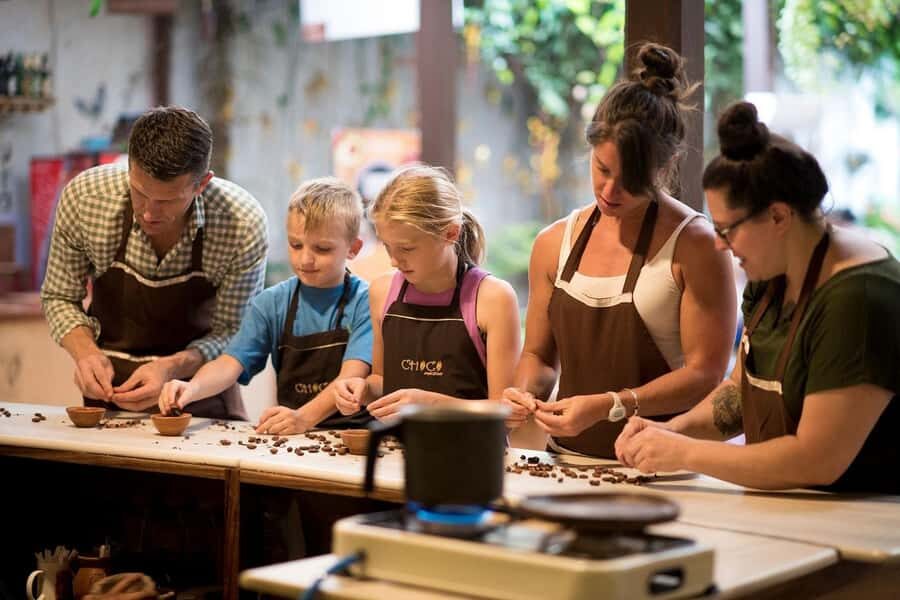
Cusco is a great base for food experiences. This one works because it stays practical. You don’t just learn that cacao becomes chocolate. You watch, you handle, and you repeat key steps until you understand how flavor changes from bean to bar.
The setting combines a workshop with a museum-style component. That matters. When you’re shown the history behind cacao beans and why Cusco is known for fine chocolate, the hands-on part lands better. You start seeing cacao as an ingredient with a timeline, not only a sweet treat.
And yes, it’s fun. The process is tactile: roasting aromas, husks separating, cocoa turning into paste, and then molding the final shapes. By the time you’re done, your brain connects the dots. That’s the real souvenir.
You can also read our reviews of more drinking tours in Cusco


The first part: cacao, history, and the process roadmap
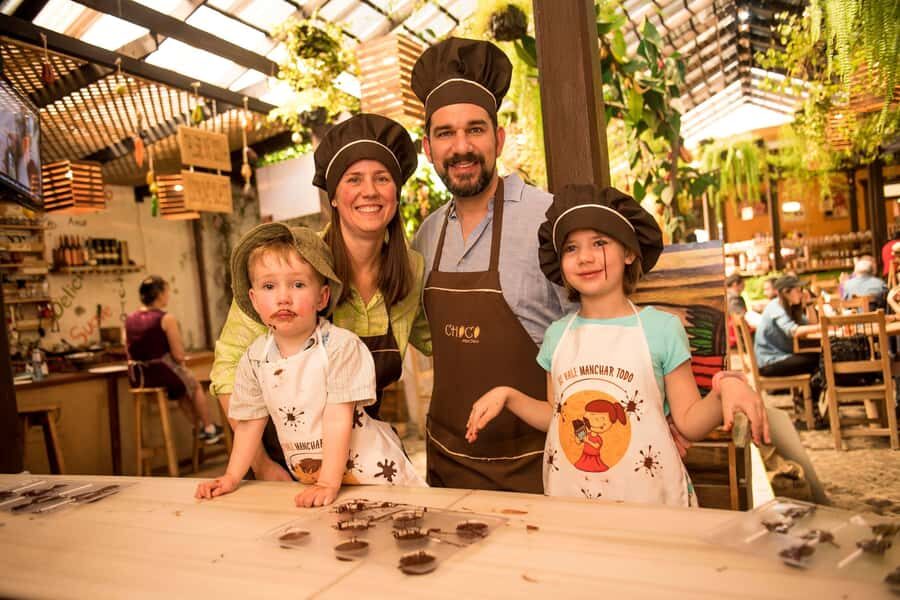
You’ll start with an interactive intro that sets the stage for the full transformation from cacao to finished chocolate. Expect the workshop museum to explain what makes cacao beans special and how the world came to rely on them. You’ll also hear history connected to the famous cacao beans, plus the angle on why Cusco produces chocolate that people talk about worldwide.
Why this part is valuable: it gives you a lens for what you’ll do next. When you later roast beans and remove the husk, you’ll understand it’s not random prep. It’s flavor control—getting rid of bitterness, unlocking aroma, and preparing the nibs for grinding.
In this same early phase, you also get context for taste. You’ll eventually try hot cacao drinks, including ones referred to as Maya and the conquistadores. That blend of explanation and tasting keeps the experience from turning into a single-note chocolate demo.
The four big steps: what you learn (and what you do) from bean to bar
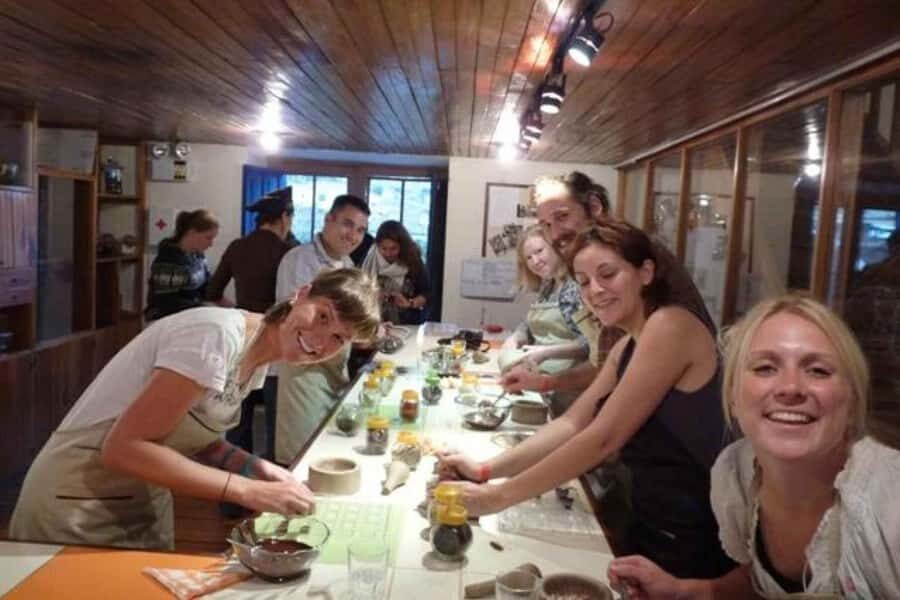
This class is built around four processes. They’re the backbone of bean-to-bar chocolate, and you’ll spend time with each concept—plus hands-on work for several key stages.
1) Roasting cacao beans
Roasting is where aroma starts showing up. The workshop uses this step to teach how heat changes cacao. You’ll learn how roasted beans become the starting point for the flavors you’ll end up tasting in your final chocolate.
For you, the takeaway is simple: if the roasting isn’t right, everything after it tastes off. So when you smell the roasted cacao, you’re not only enjoying it—you’re training your senses to notice what “good cacao” smells like.
2) Removing the cacao husk
After roasting, the husk has to come off. That’s not just cleanup. The shell can add harshness. Husking also makes the next step easier: you’re left with nibs, which are the part that matter for flavor.
This is also one of the reasons the class feels real. You’re not only making dessert. You’re doing the prep that chocolatiers do to control bitterness and texture.
You can also read our reviews of more tours and experiences in Cusco
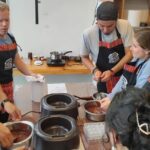
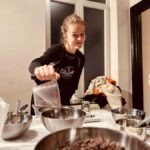
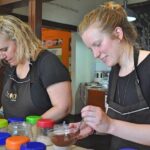
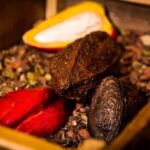
3) Grinding cacao nibs on a metate with a mano
Here’s the heart of the experience. You learn the step of grinding cacao nibs on a metate with a mano—the same style of grinding associated with the Aztecs. It’s hands-on, physical, and slow enough that you can feel the transformation.
Why this step is memorable: it’s a direct connection to tradition. Even if you’ve had chocolate your whole life, grinding nibs is a new sensation. You’ll see how cocoa turns from separate pieces into paste.
One review specifically highlighted that you roast, peel, and grind your own paste for hot chocolate. That’s exactly what makes this step more than a show-and-tell.
4) Refining cacao paste in a melangeur
Once you have cacao paste, refining is what makes chocolate smoother. The melangeur step is where the texture becomes more polished rather than gritty. In a bean-to-bar workflow, this is the stage that helps the bar feel like chocolate, not just cocoa paste.
Even if you’re not operating every machine yourself, you’ll understand what refining does and why it matters. That knowledge helps you taste the difference later.
Hot chocolate and two cultural sips: Maya and conquistadores
This workshop isn’t only about the bar. You’ll enjoy hot chocolates made during the process, and you’ll also try drinks labeled as Maya and the conquistadores.
I like these tasting moments because they connect cacao to culture. Instead of treating cacao as a modern “chocolate product,” you see how it’s been used and reinterpreted. Even if you’re not comparing recipes like a scientist, you’ll notice flavor direction: richer, warmer cocoa drinks versus other style presentations.
Practical tip: go in curious. If you treat the tasting as part of the lesson, you’ll remember more. And if you’re the type who loves comparing flavors, this is a simple way to do it without needing culinary background.
Your customized organic chocolate bar: what you’ll take home
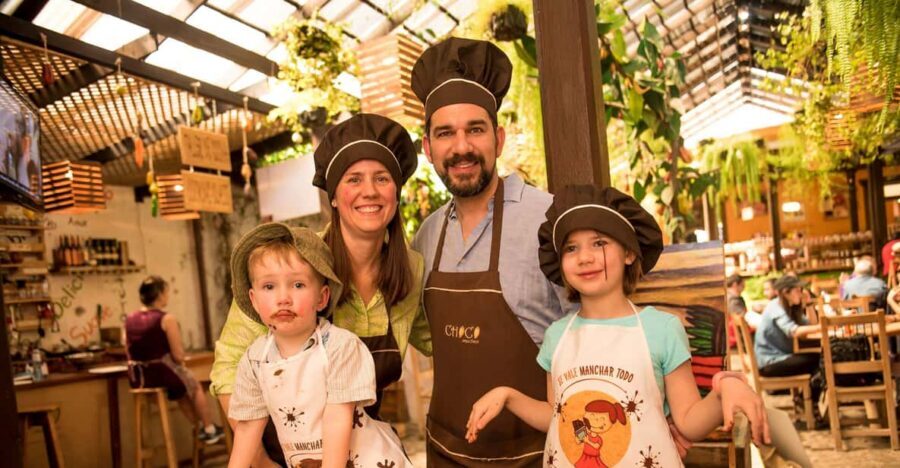
After you’ve worked through the bean-to-bar steps, you’ll create delicious hot chocolates and your own chocolate bar. The workshop is built so you can add ingredients of your choice—so your bar reflects your taste, not only someone else’s standard recipe.
Then comes the part most people care about: molding and finishing. Once your bar is made, you can take your handmade chocolates home, unless you ate them on the spot.
This is where the value shows up. Many food classes end with a demo and a small sample. Here, you leave with something substantial you made yourself. That makes it a better use of time—especially in Cusco, where day schedules can stack up fast.
Also, the organic aspect matters. The workshop focuses on organic chocolates, so your bar is more aligned with how many people prefer to buy food today.
How the 2-hour format feels in real life
A two-hour class has a specific advantage: you get momentum. You’re not stuck waiting through long lectures. You move from cacao context to hands-on steps to the finished product.
The possible drawback is pace. You’ll learn a full process, but you won’t have endless time to repeat every movement. If you’re someone who wants to master every step like a craft course, this could feel quick. But if you want a solid, memorable taste of bean-to-bar making, the timing is right.
I’d treat it as an experience you do once well, not an every-week skill-building session.
Who this Cusco workshop suits best (and who might want something else)
This is a great fit if you:
- Want a hands-on Cusco chocolate workshop rather than a sit-and-sip tasting
- Like learning how food is made, with your hands involved
- Prefer an experience with a final product you can take home
- Enjoy cacao culture and want to try drinks associated with different historical references
You might want to think twice if you:
- Only want a quick chocolate tasting and don’t care about making steps
- Are expecting a super long, slow craft session where you repeatedly refine techniques
- Don’t enjoy the “process” part and only want the final sweetness
Tips to get the most from your class
A few practical things can make the experience smoother:
- Arrive ready for hands-on work. Chocolate-making involves active steps like roasting, peeling, and grinding. Wear clothing you’re comfortable with for a couple hours.
- Pay attention to the ingredient choices. Since you can pick ingredient add-ins for your bar and hot chocolate, decide what flavors you actually like ahead of time.
- Listen for the why, not only the what. When guides explain roasting, husking, grinding, and refining, the goal is to help you connect taste to process.
- Bring clear communication if booking last minute. The workshop notes that for last minute reservations, you should check availability with the supplier by email before booking. They also ask you to put your contact number correctly with your country code and have WhatsApp, so messaging works.
Should you book the Cusco bean-to-bar chocolate workshop?
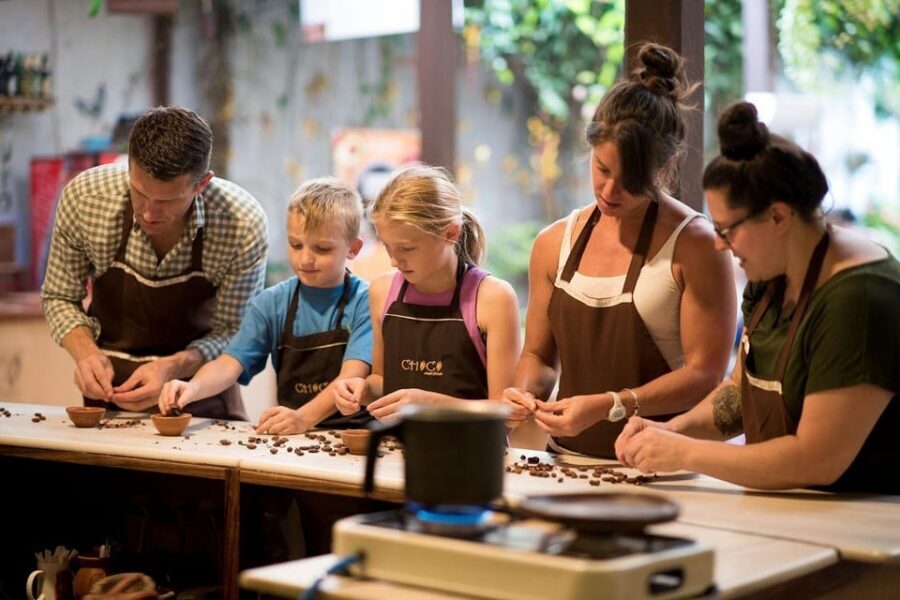
Yes, I’d book it if you want a short, satisfying Cusco activity that combines education and a takeaway. The biggest reason: you don’t just watch bean-to-bar chocolate happen. You do several core steps yourself—roasting, husking, and grinding cacao nibs on a metate—and you end up with hot chocolate plus your own handmade organic bar.
Skip it only if you’re chasing a purely leisurely tasting session or you’re hoping for a longer craft workshop where you repeat everything slowly. Otherwise, this is a smart choice for a two-hour window in Cusco—hands-on, culturally flavored, and genuinely useful the moment you bite into what you made.
FAQ
How long is the Cusco bean to bar chocolate workshop?
The duration is 2 hours.
What languages is the live tour guide available in?
The live tour guide is available in English and Spanish.
Do I make chocolate myself or only taste it?
You learn and make your own chocolate. The class includes the bean-to-bar process steps, and you create hot chocolates and your own chocolate bar.
What are the main stages of the bean-to-bar process included in the workshop?
The workshop teaches the four processes: roasting cacao beans, removing the cacao husk, grinding cacao nibs on a metate with a mano, and refining the cacao paste in a melangeur.
Can I take the chocolate home?
Yes. You can take home all of your handmade chocolates unless you’ve already eaten them.
Is free cancellation available?
Yes. You can cancel up to 24 hours in advance for a full refund, and there is also a reserve now & pay later option.