REVIEW · CUSCO
Bean to Bar Chocolate Workshop in ChocoMuseo Cusco
Book on Viator →Operated by ChocoMuseo SAC · Bookable on Viator
Chocolate in Cusco, made your way.
This 2-hour bean to bar workshop at ChocoMuseo Cusco is a fun way to learn how cacao turns into chocolate, with a mix of history and hands-on work. Two things I especially like are the chance to customize your creations with lots of toppings and flavorings, and the small, cozy setup that keeps the pace friendly for all ages. One thing to keep in mind: the format includes some explanation time, and a few people note it can feel more listening-heavy than they expected.
If you’re hungry for a chocolate activity that’s also cultural, this is one of the better bets in Cusco. You’ll learn the long story of cacao in Peru, from ancient traditions through later periods in chocolate’s global timeline, and you’ll participate in the steps from cacao to molded chocolate you can take home. I also like that you’re not just sampling at the end; you leave with edible souvenirs you made yourself, not just a bag of pre-wrapped sweets. The one possible drawback is that you’ll want to plan for a short wait while your chocolate sets before you can leave.
In This Review
- Key Points at a Glance
- Enter ChocoMuseo in Plaza Regocijo (The Easy Starting Point)
- What You Actually Do in the 2 Hours (From Cacao to Your Own Bars)
- The Hands-On Chocolate Part People Rave About (Customization That Feels Real)
- Taste Along the Way: Included Chocolate Drink Samples
- Take-Home Chocolate: The Molding and Setting Wait
- Instructor Style: Why Names Like Alex, Hannah, and Miguel Matter
- Small Group Size (Max 12) and Why It Changes the Feel
- Price and Value in Cusco: What $33.79 Really Buys
- Logistics That Affect Your Experience (More Than You’d Think)
- Who This Workshop Is Best For (And Who Might Skip It)
- Should You Book ChocoMuseo Cusco’s Bean to Bar Workshop?
- FAQ
- How long is the Bean to Bar Chocolate Workshop?
- What is included in the price?
- Where is the meeting point in Cusco?
- Can I take the chocolate home?
- Is the group size limited?
- Is free cancellation available?
Key Points at a Glance
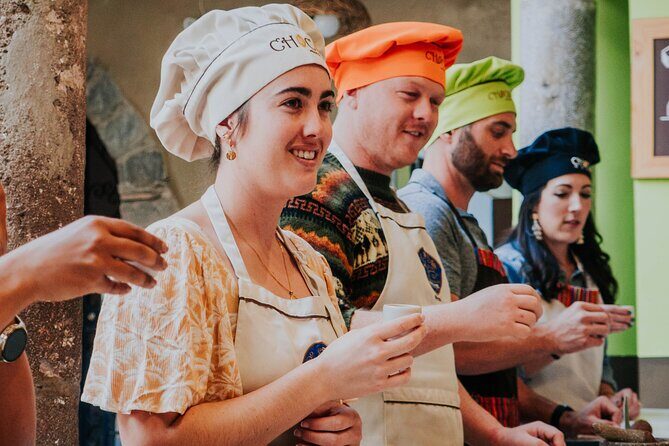
- Custom chocolate making from start to finish, not just tasting
- Cacao history tied to what you’re doing, from ancient traditions to later eras
- Chocolate drink tasting included, so you taste along the way
- Small group size (maximum 12) for a more personal class feel
- Take-home molded chocolate, with about 45 minutes after the workshop to leave with it
Enter ChocoMuseo in Plaza Regocijo (The Easy Starting Point)
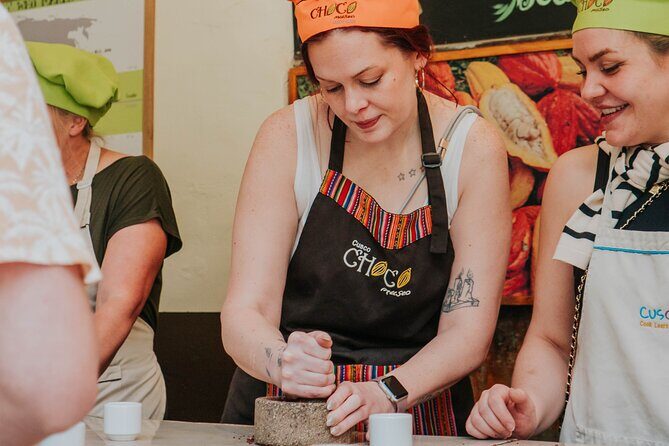
Your workshop starts at ChocoMuseo Plaza Regocijo in Cusco (08000). That’s a big deal in a city where the streets can be a maze and your schedule can get tight. This is one of those activities that’s simple to slot in without needing a complicated plan.
The session ends back at the same meeting point, which means no guessing where to regroup later. If you’re spending time adapting to altitude, this is also the kind of activity that fits well as a lighter, indoor break compared to a long hike.
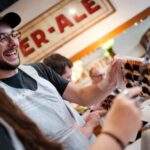
The venue is designed for short attention spans and hands-on curiosity. In the space, you’ll see the process laid out visually, and some guests specifically recommend checking out the factory area upstairs. Even if you’re not a super-technical foodie, it helps you connect the story to the chocolate you’ll make.
You can also read our reviews of more drinking tours in Cusco


What You Actually Do in the 2 Hours (From Cacao to Your Own Bars)
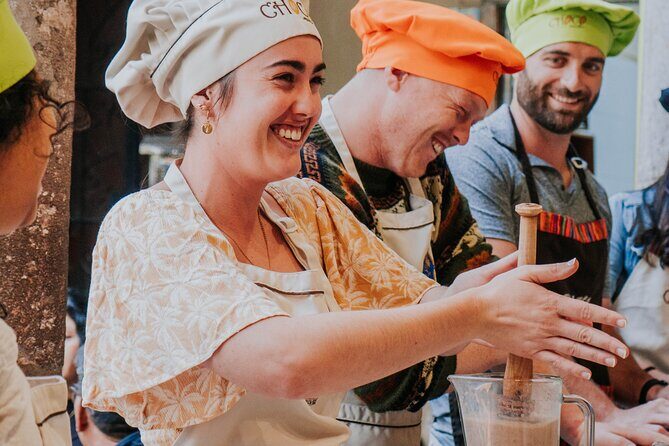
This class runs about 2 hours, and it’s built around working through the chocolate process. The best part is that you’re not watching only. You’re involved.
Here’s the flow you can expect:
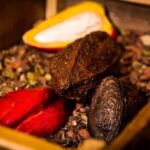
- You learn about the cacao plant and why it matters in Peru’s food culture.
- You follow the steps that turn cacao into chocolate, with explanation built around each stage.
- You then create your own chocolates and customize them.
The workshop also connects cacao history to the real world. You’ll hear about the story of chocolate that’s often linked to ancient civilizations in South America, then how that evolved over time when cacao traveled and changed across eras. One listing description frames this in a wide arc, from ancient Maya traditions to the era of the Conquistadors and the industrial revolution. In plain terms: you’ll understand how you got from cacao in the region to the chocolate bars many people recognize today.
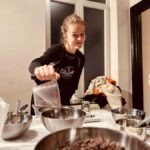
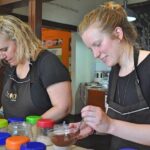
During the practical part, you’ll work with more than a dozen toppings and flavorings. That’s where the workshop stops being a lecture. You get to decide what you like, then build your own edible souvenirs based on your taste, not someone else’s idea of a perfect chocolate bar.
The Hands-On Chocolate Part People Rave About (Customization That Feels Real)
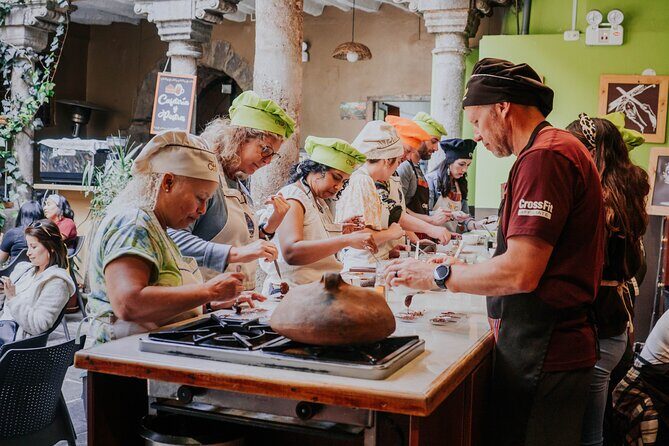
The customization is not an afterthought here. It’s central. You’ll be able to make chocolates using a wide range of toppings and flavorings—over a dozen options—so you can build something that matches your vibe.
If you love sweet, you’ll be able to lean that way. If you prefer a less intense flavor profile, you can go lighter on what you add. The goal is that your chocolate tastes like your choices, not just a default sample tray.
And there’s a practical reason this works: you get repeated “small wins” during the session. You’re not waiting until the very end to do anything enjoyable. The workshop gives you multiple moments where you can taste, decide, and create again.
Some instructors also bring humor and energy, which turns the process into an easy, social activity. People highlight guides like Miguel, Lorenzo, Alex, Yil, Benjamin, Renco, Hannah, and Manuel for being engaging and personable. You can expect a similar vibe—clear enough to learn from, but relaxed enough to feel like a friendly class rather than a performance.
Taste Along the Way: Included Chocolate Drink Samples
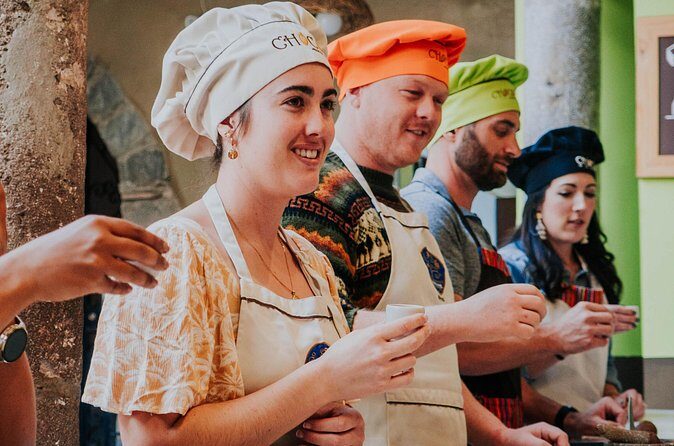
You don’t just end with chocolate on a plate. The class includes chocolate drink tasting. That matters because chocolate isn’t only a solid treat in the real world—cacao has a long tradition as a drink in many cultures.
As you learn the process, you’ll taste, compare, and connect what you’re doing with what cacao becomes. If you’ve ever wondered why chocolate tastes the way it does—different sweetness levels, different roast notes, different flavor directions—tasting during the session helps you notice those differences instead of guessing later.
Take-Home Chocolate: The Molding and Setting Wait
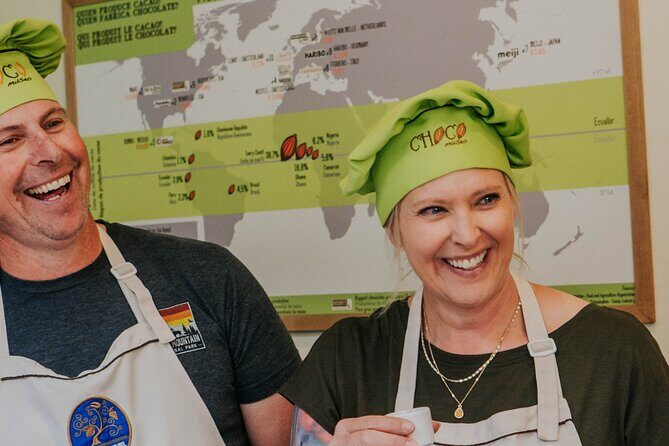
You’ll make chocolates during the workshop, then mold them and let them set. That part is what turns your work into something you can pack.
Here’s the key timing detail: you’ll be able to leave with your chocolates around 45 minutes after the end of the workshop. So if you’re trying to line up dinner plans right after, give yourself a cushion. People often forget that setting time is part of the experience, not extra.
What you take home is not just a tiny tasting. You’ll end with a set of handmade chocolates as edible souvenirs of your time in Cusco. Several comments emphasize that the chocolates taste genuinely good, not like a token item.
One practical tip: if you’re carrying these through town later, plan to keep them protected. Cusco’s streets can be bumpy, and chocolate does not love being crushed.
You can also read our reviews of more tours and experiences in Cusco
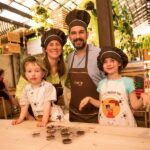
Instructor Style: Why Names Like Alex, Hannah, and Miguel Matter
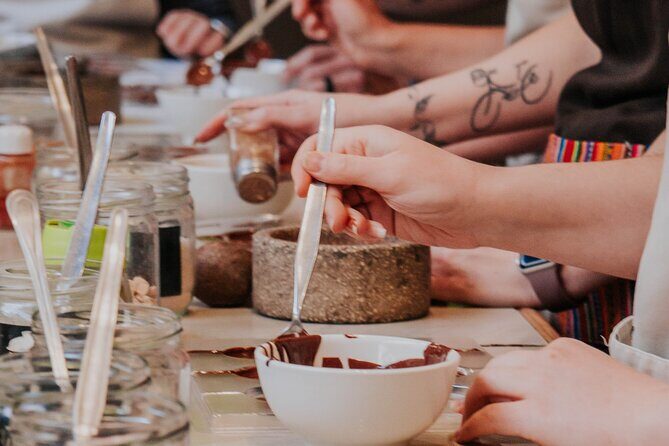
Good teaching makes a technical food process feel simple. This workshop seems to succeed because the instructors explain things in a way that keeps you participating.
In the feedback you shared, people specifically call out instructors like:
- Miguel for being knowledgeable, fun, and personal
- Alex for being funny, kind, and enjoyable
- Hannah for being friendly and informative
- Benjamin and Manuel for being engaging and friendly
- Lorenzo and Yil for keeping people involved
Even beyond specific names, the pattern is consistent: the best moments are when the instructor links the story of cacao to what you’re actively doing. If you enjoy learning that includes action—taste, grind, mold, choose flavors—this kind of teaching approach usually clicks fast.
Small Group Size (Max 12) and Why It Changes the Feel
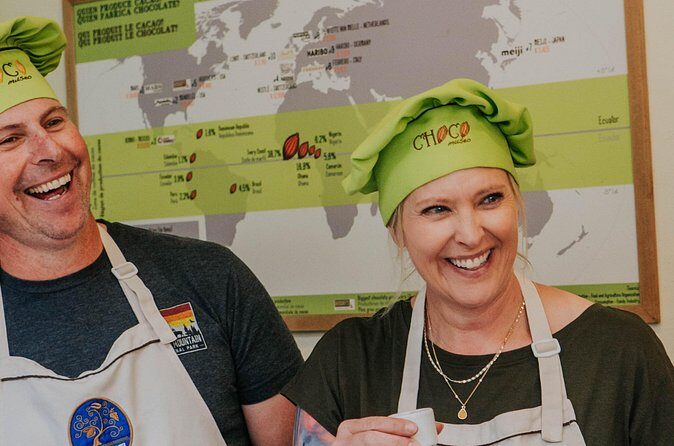
The workshop caps at 12 travelers. That’s a big quality signal. Smaller classes are easier for staff to manage, and they create more time for questions.
A few people also mention group sizes that felt especially small, which likely helps the class stay relaxed. With hands-on work, crowding is the enemy. When your space is workable, you spend less time waiting and more time creating.
For families and teens, this is especially useful. One family comment notes it’s a great match for teens who need a social, hands-on activity. If your group includes mixed ages, this format helps everyone stay involved without feeling talked down to or bored.
Price and Value in Cusco: What $33.79 Really Buys
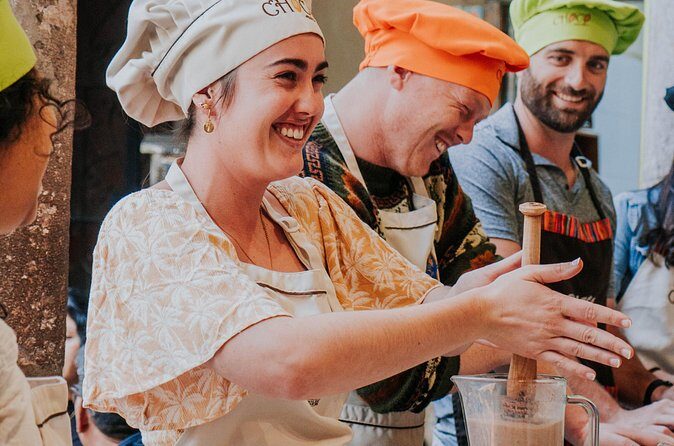
At $33.79 per person for about 2 hours, this sits in the category of a paid activity you should evaluate for value, not just excitement.
Here’s what you’re paying for:
- A full hands-on bean to bar process, not a quick demo
- Chocolate drink tasting
- Materials to create your own chocolates
- A structured cultural context around cacao in Peru
- A small-group cap (maximum 12)
The biggest value win is that you leave with your own chocolate, made during the class. If you’ve ever done tasting-only tours where you pay and then get a tiny sample, you’ll probably feel the difference here.
That said, there is one fair caution. One person felt it was too expensive for the final output and described it as more listening than expected, with pre-made chocolate used for the molding step and a longer wait. Another person mentioned a pricing comparison and suggested direct booking might be cheaper. Those are worth noting if you’re very budget-focused or price-comparing between platforms.
My practical advice: treat this as a chocolate workshop you’re buying for the experience and take-home product. If your main goal is cheap candy, you can do that elsewhere. If your goal is hands-on learning plus something real to pack, this price can make sense.
Logistics That Affect Your Experience (More Than You’d Think)
A few practical details can shape how smooth the class feels.
- Transportation isn’t included. You’re on your own for getting to Plaza Regocijo.
- You’ll likely spend part of the time waiting for chocolate to set. That 45-minute window after the workshop end is important.
- Sound can matter. One comment mentioned noise from a store next door that made it harder to hear the guide. If you’re sensitive to sound or you really want to follow every word, you might arrive ready to adapt.
- Seating comfort matters. One person asked for more bar seats since standing for long periods wasn’t easy for them.
These aren’t deal-breakers for most people. But if you have mobility needs or you hate standing, plan for it.
Who This Workshop Is Best For (And Who Might Skip It)
This is a great fit for:
- Chocolate lovers who want to learn while making something
- Families looking for an activity that works for kids through adults
- Teens who want hands-on fun rather than a long lecture
- People who like cultural context tied to food
It might be less ideal if:
- You’re extremely price-sensitive and expect the richest amount of chocolate-making time for every dollar
- You hate any portion of the experience that is explanation-heavy
- You need quiet conditions to follow instructions closely
In other words, if you want chocolate plus participation, this is a strong match. If you mainly want the cheapest sweet you can get, you’ll feel the frustration that a few comments pointed out.
Should You Book ChocoMuseo Cusco’s Bean to Bar Workshop?
If you’re in Cusco and you even mildly like chocolate, I’d strongly consider booking this. The combination of hands-on making, custom flavor choices, tasting included, and take-home chocolate you made gives it a clear advantage over many “watch and snack” food tours.
One more reason to trust the choice: the overall recommendation level is very high, and the rating is strong. In practice, that usually means the instructor-led experience consistently delivers fun and keeps people engaged.
My bottom line: book it when you want a relaxed, small-group activity that teaches you something real about cacao—and gives you edible souvenirs that actually feel personal.
FAQ
How long is the Bean to Bar Chocolate Workshop?
It’s about 2 hours.
What is included in the price?
The workshop includes chocolate drink tasting, all materials to make your chocolates, and the guided fun and learning.
Where is the meeting point in Cusco?
Start and end at ChocoMuseo Plaza Regocijo, Cusco 08000, Peru.
Can I take the chocolate home?
Yes. You can leave with your chocolates around 45 minutes after the workshop ends.
Is the group size limited?
Yes. The workshop has a maximum of 12 travelers.
Is free cancellation available?
Free cancellation is available up to 24 hours in advance for a full refund.