REVIEW · CUSCO
Inca Jungle Trek to Machu Picchu in 4-Days
Book on Viator →Operated by Inca Jungle Trek | Sap Adventures · Bookable on Viator
Machu Picchu starts with jungle sweat. I love the Andes-to-tropics momentum on the first day, because you ride from high country down toward the Peruvian rainforest vibe, then keep stepping deeper into warmer weather. I also love the payoff on the last morning: a Machu Picchu sunrise climb that gets you inside in time for that first light moment and a proper guided walk through the citadel.
The tradeoff is simple: this is not a slow culture stroll. You’ll bike, trek, zipline, cross terrain, and climb stairs early in the morning, so if moderate fitness is already a stretch for you, plan on feeling it.
In This Review
- Key highlights that matter
- What this 4-day Inca Jungle Trek really gives you
- Day 1: Urubamba downhill biking and the fast climate shift
- Day 2: Santa Teresa rainforest trek, hammock time, and hot springs
- Day 3: Zipline over four cables, then hydroelectric access toward Aguas Calientes
- Day 4: 4:00 am start, stairs to the main gate, then a guided sunrise at Machu Picchu
- Guides and what you should look for on the day
- Price and value: what $399 covers and why it adds up
- Safety and comfort: what to plan for so the days don’t feel chaotic
- What to pack (based on real on-the-ground needs)
- Who this Inca Jungle Trek suits best
- Should you book the 4-day Inca Jungle Trek to Machu Picchu?
- FAQ
- What activities are included on this 4-day trek?
- How long is the trek?
- Where does the trip start?
- What physical fitness level do I need?
- What group size is this tour limited to?
- What should I bring since poles and a sleeping bag are not included?
- Do I need toilet paper or wet wipes?
- What time do I wake up for Machu Picchu on the final day?
- What if the experience can’t run due to weather?
- What if I need to cancel after booking?
Key highlights that matter
- Downhill Andes mountain biking that turns cold air into tropical heat fast
- Santa Teresa rainforest trek with farms, waterfalls, rivers, and a cable-car crossing
- Zipline day with four cables plus a suspension bridge for a real adrenaline hit
- Hot water springs at Santa Teresa to soak and reset after long walking hours
- Aguas Calientes arrival in the late afternoon after lunch at the hydroelectric area
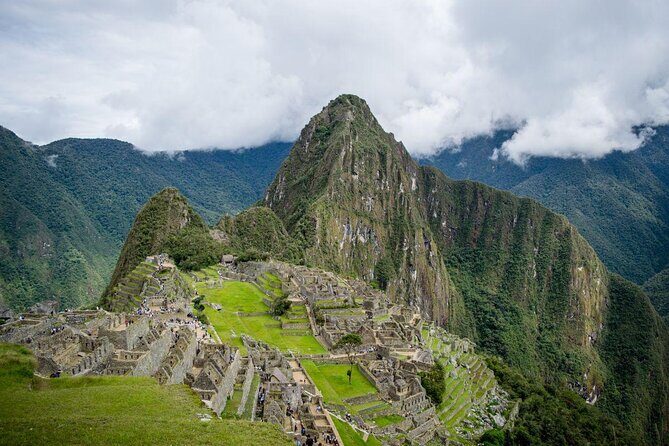
- Early guided Machu Picchu access with sunrise timing and a tour of the main sectors
What this 4-day Inca Jungle Trek really gives you
This is a 4-day route that trades the quiet of classic treks for motion. You start with downhill biking, then stack long rainforest walking days with water time and adrenaline. By the end, you still get the main reason most people book this: waking up early enough to enter Machu Picchu while the mountain is giving you its best light.
At $399 per person, the value comes from the number of “big ticket” activities bundled in: mountain biking, river rafting, and ziplining, plus multiple included meals. You’re not just paying for hiking distance. You’re paying for a structured run of experiences that would be harder (and usually more expensive) to stitch together yourself once you factor in guides and timing.
The group size is capped at 15 travelers, which matters here. Smaller groups tend to move more smoothly on tight paths and during check-in windows. It also keeps the vibe from turning into a loud cattle-car day after day.
You can also read our reviews of more hiking tours in Cusco



Day 1: Urubamba downhill biking and the fast climate shift
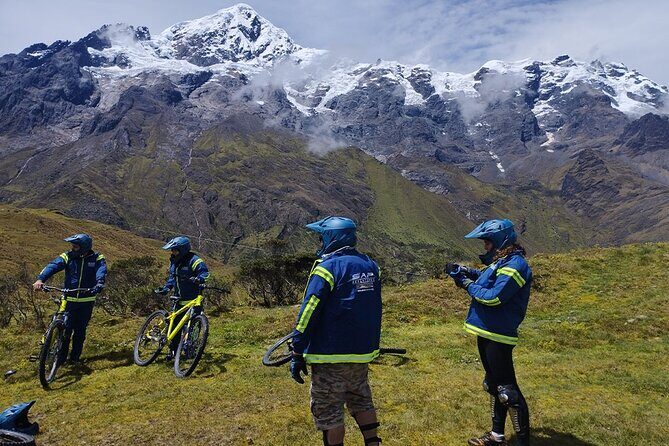
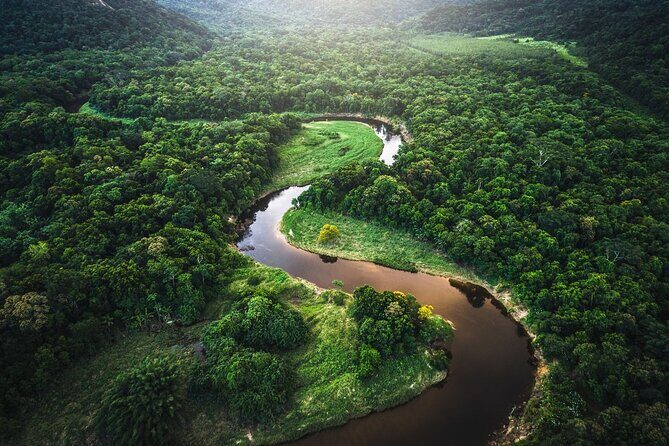
You begin with a 3-hour downhill biking ride through Andean scenery and into the zone where the Amazon begins. That temperature change is more than a fun detail. It affects how your body feels on the ride and how you’ll dress for the next days.
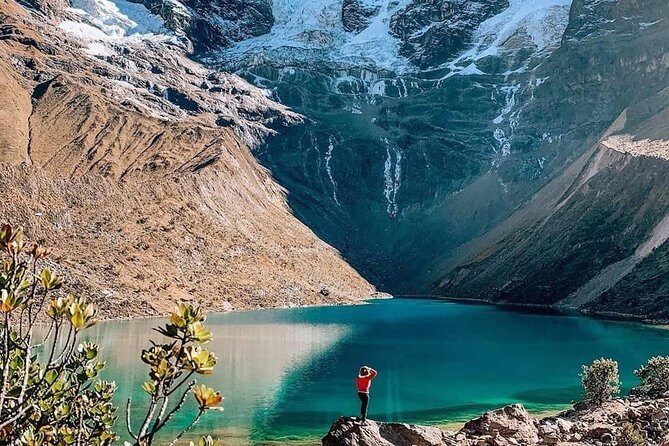
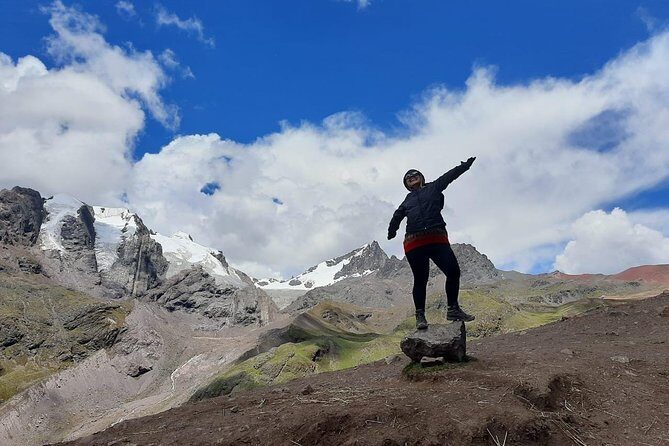
Expect cold-to-tropical contrasts as the trail drops and the forest thickens. You’ll be looking at snow-capped mountain views at the start, then shifting to streams and greener surroundings as the ride continues. This day is a great warm-up in the best sense: you’re moving hard, but it’s not yet the long, muddy slog that comes later.
Practical thought: bring sunscreen even if it looks cloudy. With a lot of downhill time and open views, the sun can sneak up fast. Also, if you’re prone to sore wrists or hands after rides, keep an eye on grip and take it easy on any slippery sections.
Day 2: Santa Teresa rainforest trek, hammock time, and hot springs
Day 2 is the rainforest workday, and it’s long by design. You’ll do a 7-hour trek through lush forest, then get a break where you can relax in hammocks before continuing another 3 hours. That split is smart because it prevents the day from becoming one uninterrupted grind.
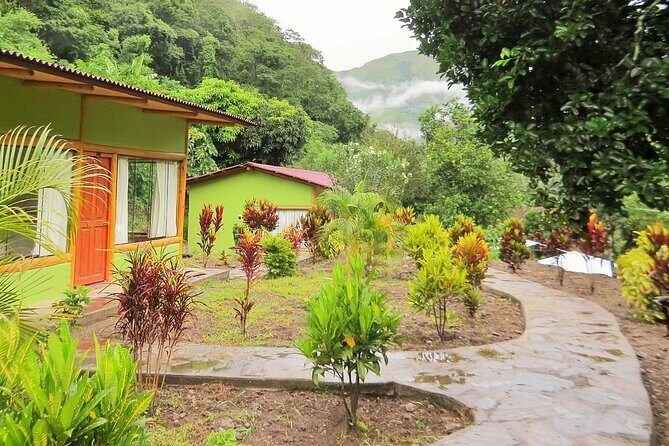
Along the way, you’ll pass farms, waterfalls, and rivers. There’s also a river crossing by cable car, which helps break up the day and gives you a different view angle than foot travel alone.
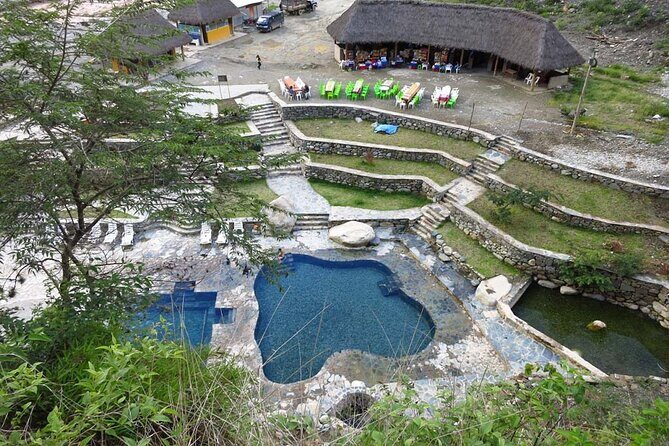
By around 4 PM in Santa Teresa, the reward is soaking in the hot water springs. The pools come in varying temperatures, so you can choose between a gentle reset and a deeper warm-down. If you want the day to feel manageable, plan to treat this soak like part of your training. Ten to twenty minutes in the right temperature can make tomorrow’s walking feel easier.
One more practical point: rainforest days usually mean wet gear, damp socks, and fast drying issues. Keep your extra socks protected in a dry bag so you’re not trying to improvise later.
Day 3: Zipline over four cables, then hydroelectric access toward Aguas Calientes
This is the day of pure adrenaline mixed with travel logistics. You start with breakfast, then join a reputable zipline operator for a roughly two-hour session that includes riding along four different cables and crossing a suspension bridge. If you’ve been hesitant about ziplining in general, this tour style is the kind where safety instruction and proper equipment matter a lot. The good news is the activity is timed and run by specialists rather than by the main trek guide alone.
After the thrill, you head to a government-controlled hydroelectric station to enter the Machu Picchu National Park / Historic Sanctuary area. You’ll have lunch there, which is a real comfort since the next section involves moving on foot for hours.
Then you trek about three hours alongside the train track to reach Aguas Calientes by around 5 PM. Ending here makes sense because it sets you up for the final morning ascent. You get a night to sleep, eat, and prepare, instead of showing up at the destination already exhausted from an all-day climb.
If you care about photos: the pacing here helps. By late afternoon, you’re not rushing through the final setup like a “drop and go” day. Instead, you arrive in town and can focus on your sunrise plan the next day.
Day 4: 4:00 am start, stairs to the main gate, then a guided sunrise at Machu Picchu
Day 4 is the moment you came for. You’ll wake around 4:00 AM and get a packed breakfast. Then you begin a half-hour hike to Puente Ruinas, and after the first checkpoint you climb stairs for about an hour to reach the main gate around 6:00 AM.
Once inside, the guide leads you to the ideal spot to watch the sunrise and get photographs. This is not random wandering time. It’s timed access, and that early window makes a big difference in how crowded the experience feels and how the mountain looks in that first light.
Then you move into the main citadel tour. Your local guide takes about 2 hours covering the main sectors, with history and culture explained as you walk. In practical terms, this is when the site connects. You’re not just looking at stone terraces and buildings; you’re learning what you’re seeing while you’re still standing in the right place to understand it.
Also, you’ll want to start the day with layers. Machu Picchu mornings can feel chilly at sunrise, even if you were warm the day before in Santa Teresa.



Guides and what you should look for on the day
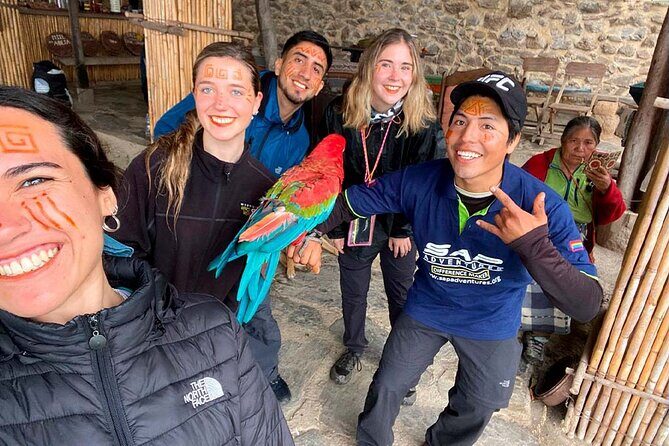
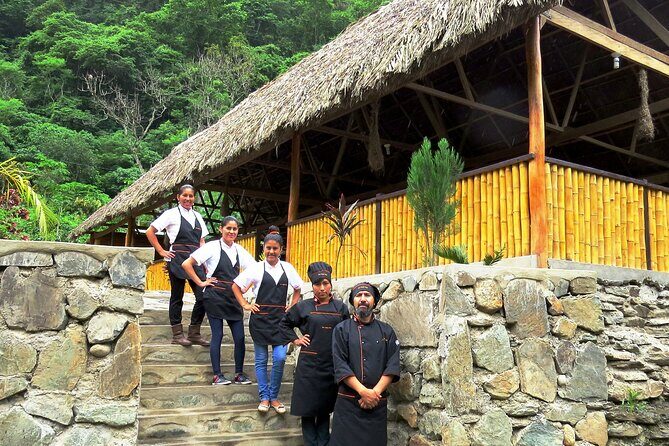
One of the strongest signals from this style of trekking is guide quality. I like that the experience repeatedly shows up with guides such as Johans, David, Amaru, Johan, and Guillermo. The common thread in how they’re described is active interpretation: you’re not just moving from stop to stop.
You can expect guide-led attention to things like local flora and fauna—birds, plants, insects—and stories about Inca history and nearby farming life. Some guides also build in hands-on moments like tasting wild fruits during the walk. That kind of detail changes how the hours pass. You feel like you’re part of the place, not just passing through it.
If you want to get the most out of this trip, look for a guide who encourages questions and points out small things. The rainforest is packed with cues, and it’s easy to miss them if you’re only watching your footing.
Price and value: what $399 covers and why it adds up
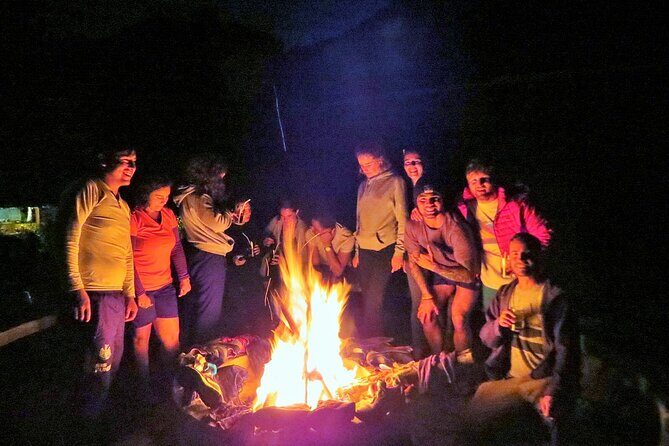
$399 doesn’t look huge on paper for a multi-day trek ending at Machu Picchu, but value depends on what’s bundled. Here, your money goes toward a package that includes major activity costs and a full set of meals.
Included items cover biking, river rafting, ziplining, and multiple meals: 3 breakfasts, 3 lunches, and 3 dinners. For many people, that alone reduces hidden costs because you’re not constantly hunting for food near trailheads or in transition towns. You’re also not trying to arrange rafting or ziplining at the last minute, when availability and weather can get tricky.
What’s not included matters too:
- Walking poles (bring your own if you use them)
- Sleeping bag (you’ll need to plan for it)
If you already own trekking poles and a sleeping bag, your real daily cost drops further. If you don’t, budget for renting or buying what you’ll need.
Safety and comfort: what to plan for so the days don’t feel chaotic
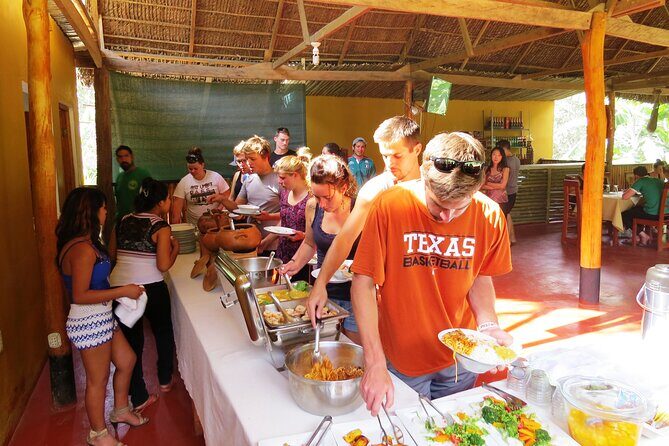
This tour is listed for moderate physical fitness and a group max of 15. That’s a good pairing for comfort. On jungle routes, the biggest stress often isn’t danger; it’s fatigue and timing. When the group is small, schedules and transitions usually stay calmer.
Safety-wise, the activities are not DIY. Ziplining is handled by the operator, and rafting and biking happen with activity instructors. That structure is what you want for adrenaline sports where technique matters.
That said, comfort is still on you:
- Wear insect repellent and sunscreen
- Bring rain protection
- Expect wet conditions and sore legs
If you’re the type who gets cranky when you’re cold or damp, treat weather gear as part of your “safety plan,” not an afterthought.
What to pack (based on real on-the-ground needs)
Here’s the practical packing list that keeps the trip smooth:
- Walking poles: not included. If you use them for descents or stair work, bring them.
- Sleeping bag: not included.
- Insect repellent and sunscreen. This is rainforest trekking. Bugs and sun both happen.
- Rain poncho: a rain poncho can be bought for about 10 Soles at the first stop or you can buy in Cusco before departure.
- Toilet paper / wet wipes: not all stops have this available in restrooms.
I’d also recommend you carry a small dry bag for your phone, passport, and any paper items. Wet weather and river crossings make it worth protecting your essentials.
Who this Inca Jungle Trek suits best
This is ideal if you want a trip that mixes nature walking with activity days. If you enjoy biking downhill, don’t mind some hiking hours, and you’re open to zipline and rafting, you’ll probably find this feels like a full “Peru adventure,” not just a one-note trek.
It’s also a good match for people who like learning in motion. With guides like Johans, Amaru, or Guillermo often described for attention to plants, birds, and insects, you’ll get more than a route map. You’ll get a sense of how the ecosystem works around you.
If you want minimal exertion, this won’t feel right. The early start on day 4 plus stairs into Machu Picchu means you need to be able to wake up ready and move.
Should you book the 4-day Inca Jungle Trek to Machu Picchu?
Yes, if you want an active, well-structured route that gets you from the jungle edge to Machu Picchu without you having to manage the hardest logistics. The biggest draws are the mix of biking, rafting, and ziplining, the Santa Teresa hot springs reset, and the early-timed sunrise access at Machu Picchu.
Think twice if you’re not comfortable with a moderate fitness level or if you hate early mornings and stair climbs. Also, if you don’t want to buy or bring extra gear like a sleeping bag (and possibly poles), factor that into your real budget.
If you do book, pack with the habits that keep it easy: insect repellent, sunscreen, a poncho, and toilet paper or wipes. And on the Machu Picchu morning, arrive rested. That sunrise timing is the reason this trek feels worth the effort.
FAQ
What activities are included on this 4-day trek?
You’ll do biking, river rafting, and ziplining as part of the experience. Meals are included across the 4 days, and Machu Picchu is also part of the trip.
How long is the trek?
It’s listed as 4 days (approx.).
Where does the trip start?
The start time is 7:30 am, and the meeting point is described as near public transportation.
What physical fitness level do I need?
The tour is recommended for travelers with a moderate physical fitness level.
What group size is this tour limited to?
The maximum group size is 15 travelers.
What should I bring since poles and a sleeping bag are not included?
Walking poles and a sleeping bag are not included. You should also bring insect repellent, sunscreen, and a rain poncho.
Do I need toilet paper or wet wipes?
Bring your own toilet paper and wet wipes, since not all stops have this available in the restroom.
What time do I wake up for Machu Picchu on the final day?
You’ll wake around 4:00 am for the hike to the main entrance.
What if the experience can’t run due to weather?
This experience requires good weather. If it’s canceled due to poor weather, you’ll be offered a different date or a full refund.
What if I need to cancel after booking?
It’s non-refundable and cannot be changed for any reason. If you cancel or ask for an amendment, the amount you paid will not be refunded.