REVIEW · CUSCO
Sacred Valley Full Tour – Pisac, Moray & Andean Traditions
Book on Viator →Operated by Peru4Fun Servicios Turísticos EIRL · Bookable on Viator
You can see a lot of Sacred Valley in one day. This full-day route packs major Inca sites, working salt pans, and terrace-farming science into a smooth plan.
I especially like the included admissions and the way the guide connects each stop to how the Inca lived. I also like the private, pickup-and-drop-off setup, which keeps you from wasting time figuring anything out.
One possible drawback: it’s a long day with lots of driving, so if you’re picky about timing (or you want nonstop English narration), do a quick language check before you go.
In This Review
- Key things to love on this Sacred Valley tour
- A smart Sacred Valley hit when your time is short
- Getting there comfortably from Cusco (and why it matters)
- Ollantaytambo: where Inca city planning still shows up
- Pisac Archaeological Park: Inca roads and a strategic connection
- Salinas de Maras: salt pans you can still see working
- Moray: the circular terraces and the Inca farming experiments
- Chinchero: weaving traditions and the Sunday trueque market
- Lunch and the pacing reality of a 10-hour day
- Why this tour’s $109.99 price can feel like good value
- Guides who make the story click (and language is key)
- Who should book this Sacred Valley full-day tour?
- Final call: should you book this Sacred Valley tour?
- FAQ
- How long is the Sacred Valley full-day tour from Cusco?
- What sites are included on the tour?
- Is pickup and drop-off included?
- Are admission tickets included?
- Is lunch included?
- What kind of vehicle is used?
- Is this a private tour?
- Do I need a passport to book or travel?
- Does the tour run in bad weather?
Key things to love on this Sacred Valley tour
- Skip-the-lines with included tickets, so you spend more time looking and less time waiting
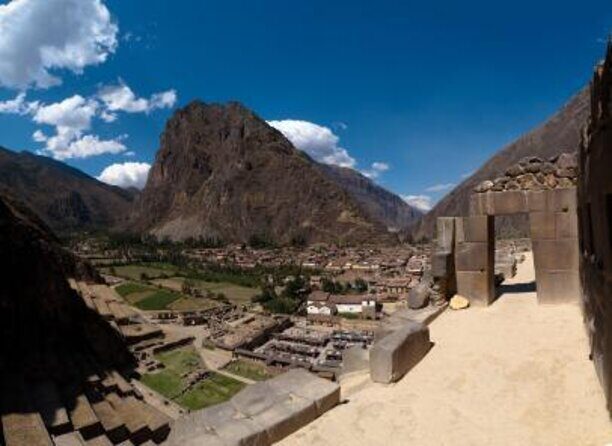
- Ollantaytambo’s original Inca town layout, one of the best-preserved urban traces in the valley
- Moray’s circular terraces and the idea that the Incas tested growing conditions like a lab
- Salinas de Maras salt pans—thousands of shallow pools and a practice over 500 years old
- Chinchero weaving plus Sunday trueque (barter) for a real cultural rhythm beyond ruins
A smart Sacred Valley hit when your time is short
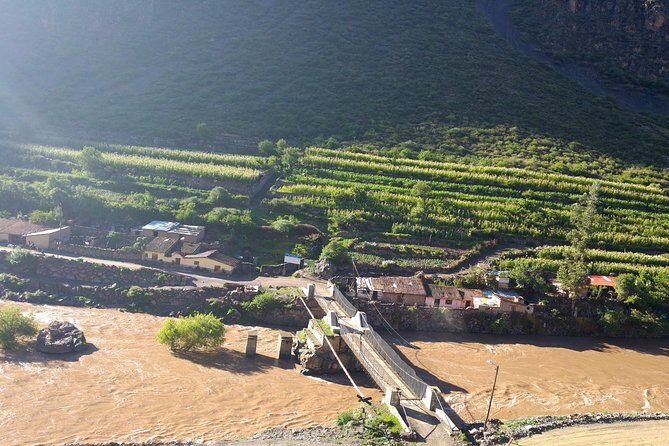
Sacred Valley is huge on the map, and even bigger in real life. This is the kind of day trip you choose when you want the key places in one go without building your own itinerary from scratch.
What makes it work is the balance: archaeology (Ollantaytambo and Pisac), living production (salt at Salinas de Maras), an Inca “agricultural lab” (Moray), and local culture (Chinchero weaving and the barter market). Add hotel pickup and drop-off, and you get a full day that feels planned instead of chaotic.
Just remember: it’s still a 10-hour day. You’ll be out and about all day, so wear comfy shoes, bring layers, and keep expectations realistic about how relaxed it can be.
You can also read our reviews of more tours and experiences in Cusco.

Getting there comfortably from Cusco (and why it matters)
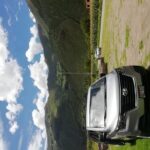
You’re picked up from your hotel and travel in an air-conditioned vehicle. That sounds basic, but in Cusco it matters. You don’t want to start your Sacred Valley day feeling drained from getting to the highway, hunting parking, or coordinating multiple tickets.
The tour is private, meaning it’s only your group. That usually helps in two ways: you can ask questions without waiting for a big crowd to move, and you’re less likely to feel stuck at the back of the pack.
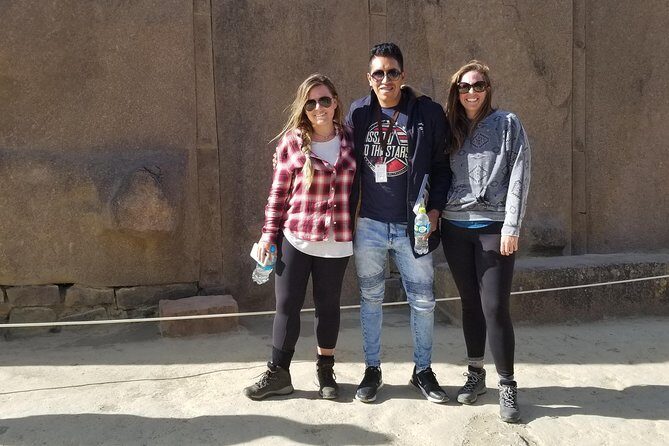
Also, the guide is described as bilingual, and multiple guides are named in real feedback—Richard and Patricia as guides, Ronny as a driver paired with Richard, and Edgar as a driver who helped one group feel safe and in control. In past experiences like this, the pairing matters because someone can be excellent at driving and still miss the full story if the guide language doesn’t match your needs.
Ollantaytambo: where Inca city planning still shows up
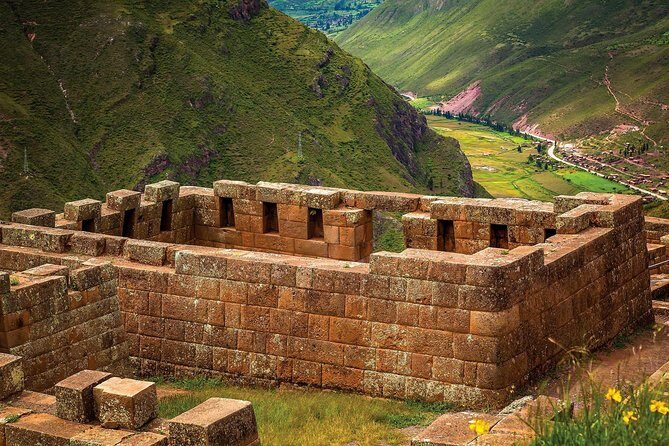
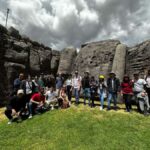
Ollantaytambo is the first archaeology stop, and it’s a strong opener. This town matters because it preserves its old Inca urban design, and that’s a different kind of visit than standing in front of a single ruin. You’re seeing planning—street patterns, stone structures, and a layout that still feels like a living town rather than a museum piece.
Plan for about an hour here. That’s enough time to take in the vibe, walk the key areas, and get your bearings. You don’t need to sprint. In fact, the best way to enjoy Ollantaytambo is to slow down and notice how the stones and the layout relate to the way people still move through the area.
Tip: If you care about explanations, ask your guide to connect what you’re seeing to why the Inca built towns the way they did. It turns stone steps into a story you can follow.
Pisac Archaeological Park: Inca roads and a strategic connection
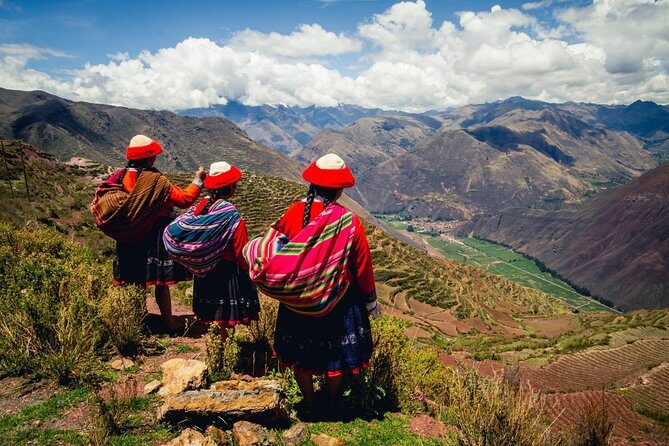
Pisac is next, and it’s especially interesting because it connects geography to power. You’re looking at a site tied to an Inca road that wound through the Sacred Valley toward the eastern jungle borders. In plain terms: this route helped the Inca control movement and communication across far distances.
Admission is included, and the visit time is about an hour. That time is usually a good match here because the park has multiple areas. With a guide, you’ll spend the hour focusing on the most meaningful parts rather than wandering without context.
One thing I like about starting with Ollantaytambo and then doing Pisac is that the day tells a sequence: town design first, then roads and logistics. You start to see the Incas as engineers of movement, not just builders of monuments.
Possible drawback: If your guide’s narration is limited to one language, you may miss some of the history while you’re looking. One group reported a Spanish-only guide and wished they had more English explanation. If English matters to you, confirm language clarity before departure.
Salinas de Maras: salt pans you can still see working
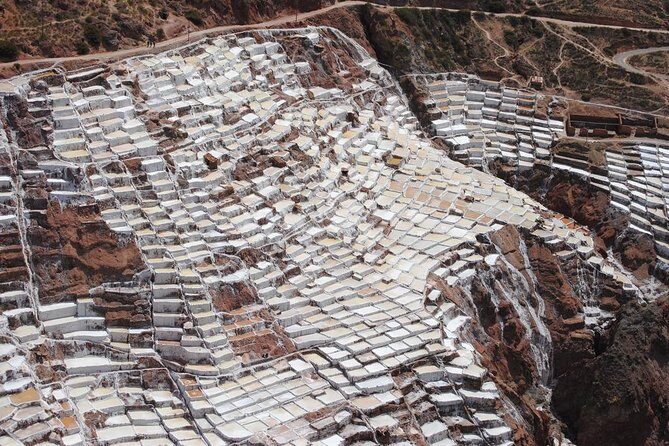
Then you reach Salinas de Maras, the famous ancient salt pans. The visual is what people remember: thousands of shallow pools dug into the mountainside, salt water filling them, then evaporating to leave crystallized salt behind.
This is practiced for more than 500 years, which makes the experience feel less like a historical replay and more like a continuity of work. Even if you’re not a history fanatic, you’ll probably enjoy it because it’s tactile and concrete—you can literally see the results of time and routine.
You’ll have about an hour at Salinas de Maras. With that time, you can walk around, photograph freely, and still not feel rushed. Just be ready for changing light as you move through viewpoints.
Practical note: Wear shoes that can handle uneven ground, because you’ll be stepping around salt-pan edges and pathways.



Moray: the circular terraces and the Inca farming experiments
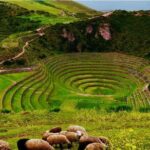
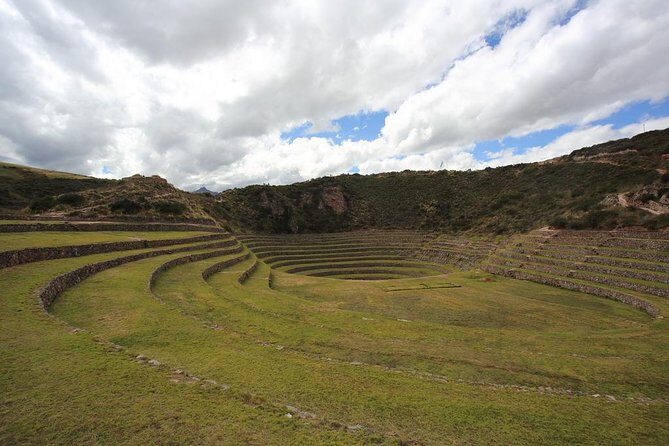
Moray is often the “wait, what?” stop on a Sacred Valley tour. The site is described as an agricultural laboratory, made of circular terraces that look like rings. The idea is that the Incas used these terraces to cultivate and acclimate crops under different conditions.
And the crop list is the fun part: potatoes, corn, quinoa, kiwicha, winter and summer squash, and even coca. That doesn’t mean you’re going to taste coca here (the focus is the ruins), but it does show how broad their agricultural thinking was.
You’ll spend about 40 minutes here. That’s short enough that you should come with a little curiosity, because the terraces are what you’re there to understand. If you want the most out of those 40 minutes, ask your guide to explain how the ring shape connects to micro-conditions and crop testing.
This is also where a good guide really changes the experience. One of the most praised aspects of this tour is how guides like Richard brought the area’s history to life, without making the day feel like a lecture. Moray is the perfect place for that style of explanation.
Chinchero: weaving traditions and the Sunday trueque market
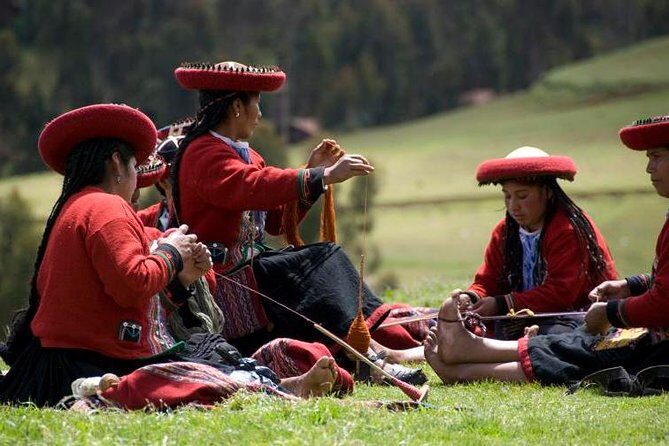
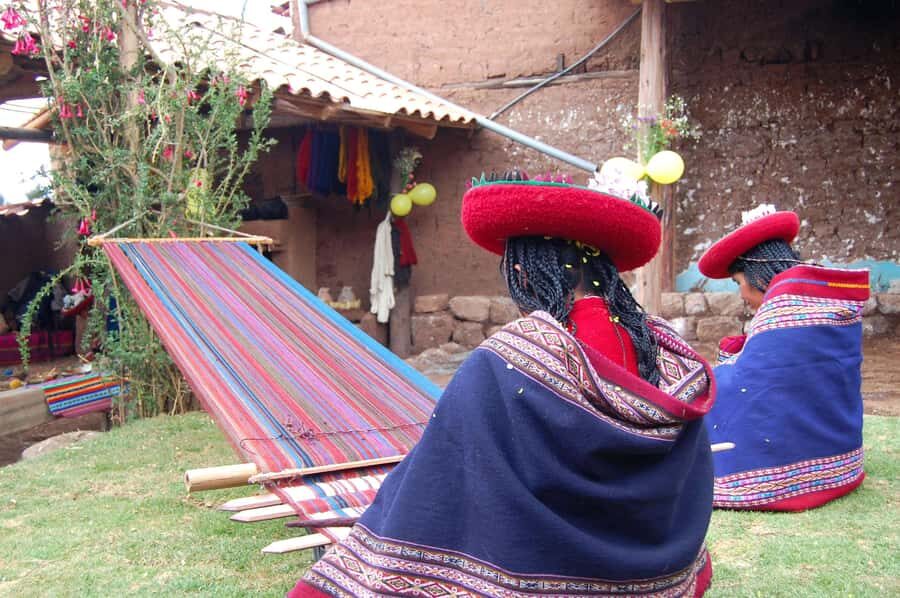
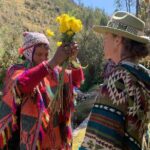
Chinchero adds a human scale to the day. It’s known for traditional weaving communities, and you’ll see demonstrations of ancestral textile techniques using natural dyes and looms.
Then there’s the Sunday market angle. If your day includes a Sunday market experience, it leans into barter—trueque—where locals exchange goods. That’s a powerful contrast to the archaeology stops. You’re not just looking at the Inca past; you’re seeing cultural practices carried forward through present-day craftsmanship.
Expect about two hours here, which is a nice amount of time. You’ll have a chance to watch weaving, ask questions, and browse without feeling like you have to make quick decisions under pressure.
My advice: If you want to shop, do it thoughtfully. Focus on quality and materials, not just souvenirs. Handwoven items take time—so treat what you’re buying like a product of skill, not a random trinket.
Lunch and the pacing reality of a 10-hour day
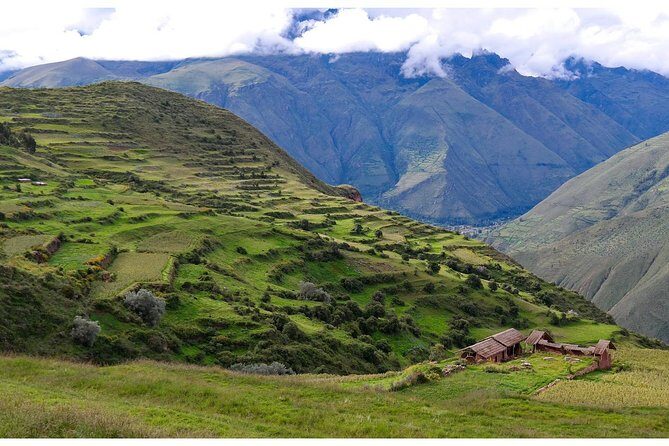
A buffet lunch is included. In practice, lunch on tours can be a mixed bag: convenient and filling, but not always your top dining highlight.
In feedback for this exact style of tour, I’ve seen two themes. One group was okay with the set lunch spot even though they usually dislike touristy places. Another noted they didn’t visit the specific lunch restaurant mentioned, and they were glad they brought their own snacks.
So here’s the balanced take: assume lunch will be included, but keep a small snack plan in your day bag just in case. It doesn’t hurt, and it prevents the late-day “hangry” spiral when you’re walking between stops.
Also, keep an eye on closing times. Some sites close around 5 PM, and if you’re visiting later in the afternoon, you might feel a bit more time pressure. A good guide will manage it well, but the day is still long.
Why this tour’s $109.99 price can feel like good value
$109.99 per person isn’t a budget deal, but it’s not random pricing either. What you’re paying for is the bundle:
- Hotel transfers plus air-conditioned transport
- A professional bilingual guide with stories and insights
- All admissions and related fees for the stops listed
- Priority access designed to reduce waiting
- Buffet lunch
If you tried to DIY this, you’d spend time coordinating transportation, buying tickets separately, and figuring out the best order. That’s not just hassle—it’s time you could be spending at Pisac, Moray, or Salinas de Maras.
And because the tour is private, you’re also paying for a smaller-group experience rather than being squeezed into a mass timetable. For many people, that’s the difference between a stressful day and a rewarding one.
Guides who make the story click (and language is key)
A recurring highlight is guide quality. Named guides in the feedback include Richard and Patricia, with Ronny as a driver on one tour. Edgar is also mentioned by name as a driver who handled the route safely and expertly.
The big takeaway for you: the best experience happens when the guide can explain clearly in your language and manage pacing. Most of the praise centers on guides turning ruins into real understanding, and doing it without rushing.
But don’t ignore one caution from the real-world experiences: one group said their guide ended up speaking only Spanish, and they wished for more English narration. If you’re traveling with limited Spanish, it’s worth confirming your language preference during booking, so you don’t end up watching stones without the full story.
Who should book this Sacred Valley full-day tour?
I’d point this tour toward you if:
- You have limited time in Cusco and want Sacred Valley highlights in one day
- You prefer private comfort over group logistics
- You like a mix of archaeology plus working traditions (salt pans, weaving, market barter)
- You value guided context so you don’t just look around, you understand what you’re seeing
It might not be ideal if:
- You hate long days with lots of driving
- You need extra flexibility to linger at one site (this plan moves)
- You’re very sensitive to language mismatches—so double-check bilingual expectations
Final call: should you book this Sacred Valley tour?
If you’re aiming for maximum Sacred Valley value in minimal time, I think this is a strong choice. The combination of Ollantaytambo’s preserved Inca urban design, Pisac’s strategic Inca road story, Salinas de Maras salt-pan visuals, Moray’s agricultural terrace experiment, and Chinchero weaving and trueque makes for a day that covers both history and everyday culture.
Just go in with two smart expectations: it’s a long, busy day, and language clarity matters. If you confirm English support (or you’re comfortable with bilingual communication), you’ll likely feel like your time in the Sacred Valley was well spent.
FAQ
How long is the Sacred Valley full-day tour from Cusco?
It runs for approximately 10 hours.
What sites are included on the tour?
The tour includes Ollantaytambo, Pisac, Salinas de Maras, Moray, and Chinchero. It also includes a stop described as the Sacred Valley of the Incas.
Is pickup and drop-off included?
Yes. The tour includes hotel transfers (pickup and drop-off).
Are admission tickets included?
Yes. Admission fees and permits are included for the sites listed.
Is lunch included?
Yes. A buffet lunch is included as part of the tour package.
What kind of vehicle is used?
You travel in an air-conditioned vehicle.
Is this a private tour?
Yes. It’s private, meaning only your group participates.
Do I need a passport to book or travel?
You need to provide your passport name, number, expiry, and country at the time of booking, and you must bring a current valid passport on the day of travel.
Does the tour run in bad weather?
It operates in all weather conditions, and you should dress appropriately.