REVIEW · CUSCO
Cusco Cooking Classes and San Pedro Market Tour
Book on Viator →Operated by Cusco Culinary · Bookable on Viator
Market shopping is the first lesson. In Cusco, this cooking class turns the loud, colorful San Pedro Market into your ingredient source, then sends you straight to a clean studio kitchen to cook and eat.
I love how chef-led shopping helps you move past the language barrier while you pick the right foods. I also love that the class is built around a four-course tasting menu plus Pisco Sour, so you don’t just watch, you eat what you make.
One possible drawback: if you’re booking last-minute through a third-party app, double-check your meeting details so you’re not left waiting at the start.
In This Review
- Key takeaways
- San Pedro Market Shopping With a Chef (and a language workaround)
- From the Market to the Kitchen: What the Studio Experience Feels Like
- The Four Courses You’ll Cook (and why that structure works)
- Pisco Sour (and Chicha Morada if your menu includes it)
- Choosing the Morning or Afternoon Session in Cusco
- Price and Value: Is $55 Worth It?
- Dietary Restrictions and Fish Ceviche: How Flexible Is It?
- Meeting Point Reality: Where You Start and How to Arrive Calm
- Who Should Book This Cusco Cooking Class (and who might not)
- Tips to Get More From Your Market + Menu Day
- Should You Book This Cusco Cooking Classes and San Pedro Market Tour?
Key takeaways
- San Pedro Market ingredient shopping with a chef, not just a photo walk
- Small group (max 12) for real attention while you cook
- Four-course Peruvian tasting menu built around local ingredients
- Pisco Sour included, with recipes you can recreate later at home
- Dietary flexibility if you share restrictions when booking
San Pedro Market Shopping With a Chef (and a language workaround)
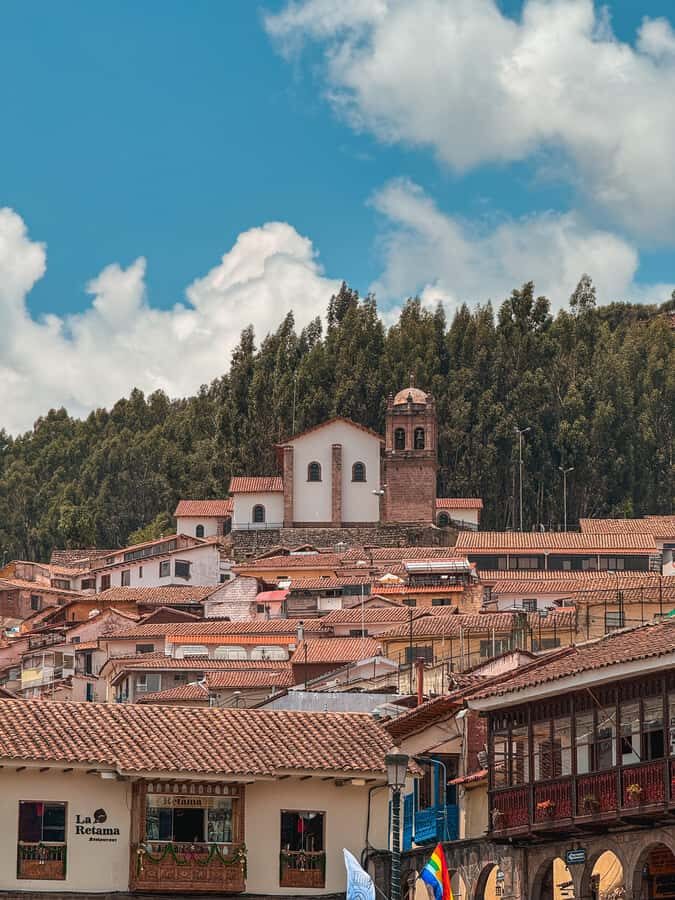
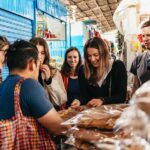
The tour starts at Plazoleta San Pedro, C. Sta. Clara 497, Cusco 08002, and it quickly becomes a practical food lesson. You’re not just wandering. You’re shopping for what ends up on your plate, with a professional chef guiding the whole process.
I like this format because it answers a common problem in Peru: you can see the ingredients, but you may not know what to ask for. Here, the chef keeps the shopping moving, and you’ll learn what different produce is for, how it’s used, and what matters for flavor. Several classes have been led by chefs such as Mauricio, Jesús, and Dael, and they’ve all been described as interactive and willing to answer questions.
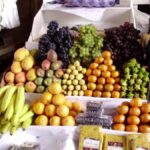
You’ll also notice the market is a mix of food and everyday culture. Expect to see fresh vegetables and fruit, plus stalls with locally made items like chocolate and small handicrafts. It’s an efficient way to get “market sense” in a short time.
You can also read our reviews of more shopping tours in Cusco
From the Market to the Kitchen: What the Studio Experience Feels Like
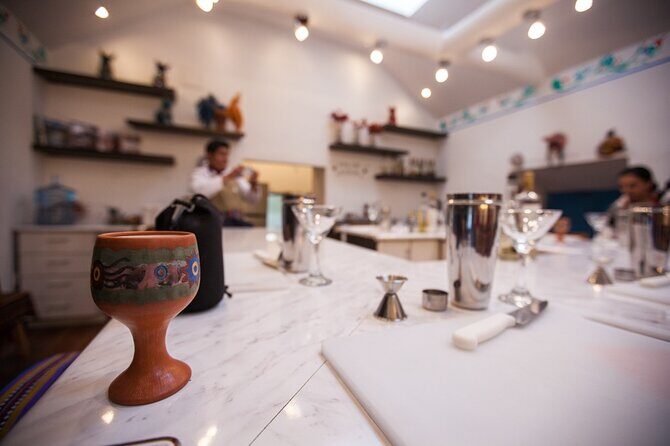
After shopping, you head to the cooking studio (the tour ends at San Andres 477, Cusco 08002). The big win here is how quickly the day shifts from browsing to doing.
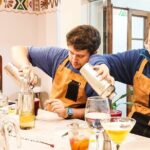
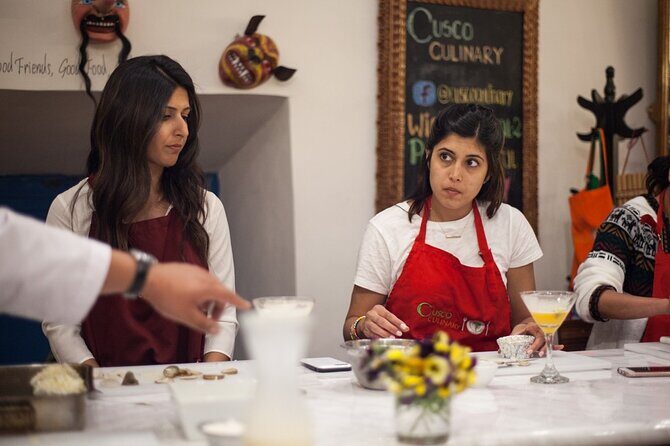
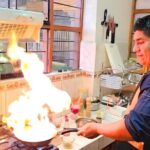
The kitchen experience is hands-on, and it’s structured so you’re not stuck doing one tiny task the whole time. In multiple classes, chefs kept things interactive with chopping, cooking, and tasting as you go. People also mentioned the facilities were clean and well organized, which matters in a hands-on class where you’re actively moving around.
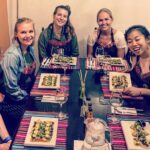
Another underrated detail: the schedule builds in time to eat and chat. One review-style comment described it as having down time between courses, so you’re not sprinting from one step to the next. That makes a difference when you’re traveling, especially if you’re pairing the class with other Cusco sightseeing.
The Four Courses You’ll Cook (and why that structure works)
This is a four-course Peruvian tasting menu class, so you’re getting a full arc: appetizer-style bites, a main, a second savory course, and a dessert. The exact dishes can vary by chef and preferences, but the core idea stays the same: you learn techniques by cooking real dishes, then you eat them as a tasting menu.
Ceviche shows up often. Some classes have included several types of ceviche, and one person specifically noted they loved the ceviche and asked for more. Another class example described making three separate ceviche dishes, then continuing with soup and more.
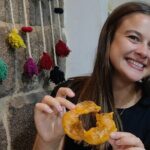
Other Peruvian dishes you might see include quinoa tamales. A dessert component also shows up in different forms, including fruit-forward options. One detailed example described a dessert built from six fruits, plus evaporated milk and sugar—exactly the kind of sweet payoff that makes a cooking class feel complete.
Why the four-course setup is valuable: it teaches you the logic of a meal. You’re not only learning one recipe. You’re learning how Peruvian flavor moves from fresh and bright (often citrus + fish in ceviche) to warm and comforting (like soup), and then to sweet with fruit.
Pisco Sour (and Chicha Morada if your menu includes it)
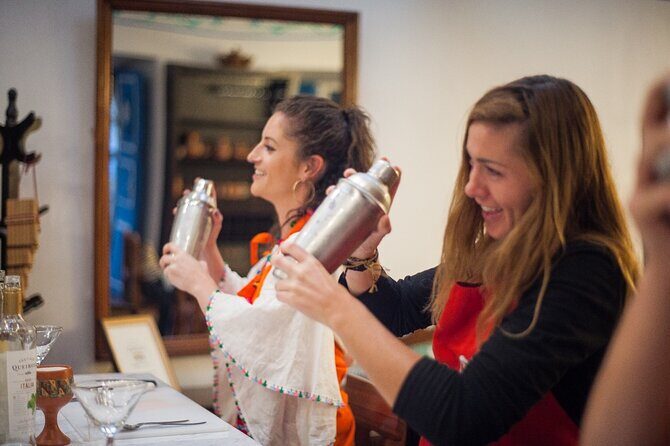
The class includes Pisco Sour, and you’ll learn how it’s made as part of the cooking flow. Multiple people pointed out that the Pisco Sour is a standout, and at least one person noted it was made with fresh fruit, which adds a richer taste than the standard bar versions.
You may also see chicha morada, the purple corn drink. In one account, both a strong Pisco Sour and chicha morada were mentioned as part of the tasting experience. That doesn’t mean every class includes it, but it’s a good sign you’ll likely get more than one Peruvian drink moment.
If you’re the type who likes to understand what you’re sipping, this part is worth your full attention. Pisco Sour is simple on the surface, but the balance of flavors is where you’ll see the difference between a recipe and a real technique.
Choosing the Morning or Afternoon Session in Cusco
You can pick either a morning or afternoon class, which makes planning easier in Cusco. If you like your day to start slow, the morning session is a nice way to get something structured early without losing your whole afternoon to cooking.
If you want to keep your mornings flexible for city walks, museums, or acclimatizing, choose the afternoon. You’ll still get the full four-hour experience, plus the market visit and the kitchen time.
One practical note: this tour is often booked in advance (about 19 days on average). That usually means popular time slots can disappear, so it’s smart to lock in your session when your Cusco dates are firm.
You can also read our reviews of more tours and experiences in Cusco
Price and Value: Is $55 Worth It?
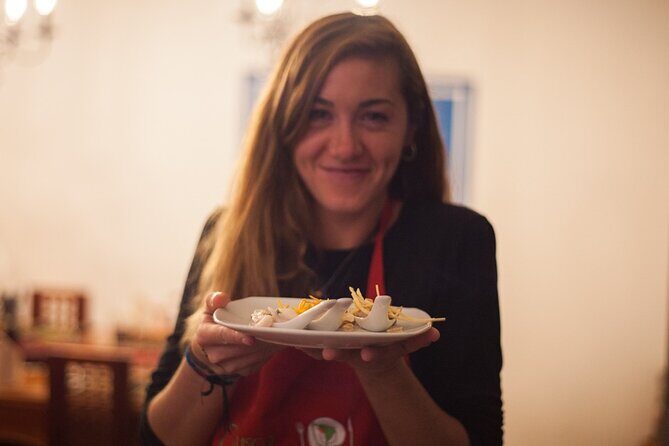
At $55 per person for about 4 hours, this class can feel like a bargain once you factor in what’s included: market shopping with a chef, cooking instruction, a four-course tasting menu, and Pisco Sour.
What makes the value better than a typical restaurant meal is the input. In a restaurant, you’re buying food and leaving. Here, you’re buying skills and flavors you can repeat later. You also get personalized attention thanks to the small group size (max 12), which keeps the class from turning into a production line.
Is it “cheap” in a Cusco sense? Not exactly, but it’s priced like a premium experience. You’re paying for chef time, ingredient selection, and a full meal worth of cooking and eating.
Dietary Restrictions and Fish Ceviche: How Flexible Is It?
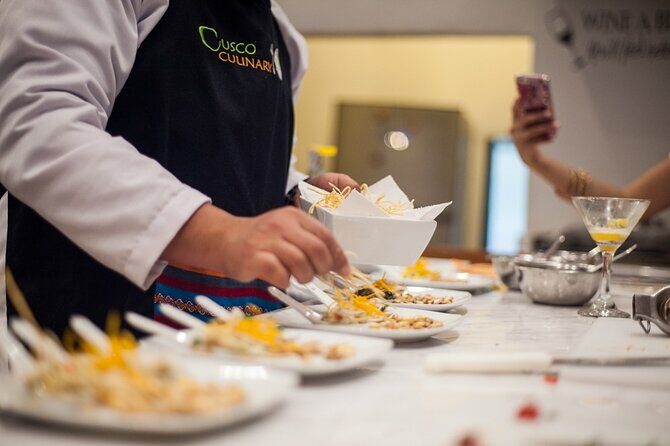
Peru has a strong fish tradition, and ceviche often leads the menu in classes like this. If you avoid fish or have dietary restrictions, you’ll want to handle that early.
This experience explicitly asks you to tell them about any meal restriction at booking. And in one class example, the menu was adjusted for someone who didn’t like fish ceviche, leading to a different ceviche option (mango ceviche). That’s a good indicator that the chef can work with preferences rather than forcing you to eat something you won’t enjoy.
So your best move: send restrictions clearly when you book, and don’t assume they can read your mind. You’ll get a smoother class and a better tasting menu.
Meeting Point Reality: Where You Start and How to Arrive Calm

The start is at Plazoleta San Pedro, C. Sta. Clara 497, Cusco 08002, and it ends at San Andres 477, Cusco 08002. The tour is near public transportation, which helps in a city where walking distances can add up quickly—especially if you’re managing altitude and energy.
Here’s the only real “watch out.” One experience included a rough start when the guide didn’t show on time after a booking notification issue. The chef was still kind and the class part still happened, but the beginning got messy for the group.
To avoid that kind of stress, do two things:
- Confirm the exact meeting details after you book.
- If you booked through a third-party app close to your date, make sure the provider has your reservation.
Who Should Book This Cusco Cooking Class (and who might not)
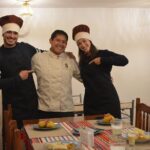
This is a great fit if you want more than a standard food tour. I’d especially recommend it if you like hands-on learning, want to understand what goes into Peruvian cooking, and enjoy asking questions while you cook.
It’s also good for solo travelers. Several people described this as easy to enjoy solo, with a friendly class vibe and meaningful interaction with the chef.
Go if you like food basics: fresh produce, cooking techniques, and a meal you can map back to what you saw at San Pedro Market.
If you’re someone who hates chopping and prefer pure tasting only, you might feel the time is more work than you want. It is hands-on, even though it includes eating time.
Tips to Get More From Your Market + Menu Day
First, show up ready to participate. Even if you’re not a confident cook, the chef-led pacing and the group format make it manageable.
Second, use the market time to ask the questions you’d usually wonder about. Why this ingredient is used. What it tastes like. What’s seasonal. It’s the fastest way to turn the market into learning, not just sightseeing.
Third, if you have preferences (sweet vs citrusy, fish vs no fish, spice tolerance), share them in advance. One class example showed how preferences can lead to a different ceviche choice.
Finally, come hungry. The tasting is real food, not tiny bites. People left full enough that they skipped dinner in at least one detailed account.
Should You Book This Cusco Cooking Classes and San Pedro Market Tour?
I’d book it if you want a market-to-kitchen experience that teaches you how Peruvian dishes come together. For $55 and about four hours, it hits a strong mix: ingredient education at San Pedro Market, a clean hands-on studio kitchen, a full four-course menu, and Pisco Sour included.
Pass if you need a purely passive activity or you’re worried about fish-based dishes without confirmed flexibility. In that case, make sure you communicate restrictions when booking.
If you choose wisely and arrive with your meeting details confirmed, this class is one of the most practical ways to understand Cusco food instead of just tasting it once.