REVIEW · CUSCO
4-Day Machu Picchu Tour with Biking, Rafting, and Ziplining
Book on Viator →Operated by Conde Travel · Bookable on Viator
One word: adrenaline. This 4-day route turns the classic Machu Picchu journey into bike descents, rafting, and ziplining before you even reach the famous stone city. Along the way, you get guided history stops, high-forest walks, and real time in the Sacred Valley.
I love how the schedule is built around momentum: you’re moving, sweating, splashing, and cooling off instead of waiting around. I also like the human side—your guides bring the context, and named guides in the feedback (Stiven, Eduardo, Carlitos, Oscar, and Rodrigo) come through as friendly, safety-minded, and strongly history-focused.
One thing to consider: the overnight stays are not all equal. You’ll have one eco-lodge night without hot water and wifi, and at least one guest noted a last-night room that felt damp and poorly ventilated—so it’s smart to ask what your room will be like (and be ready for basic conditions in the jungle circuit).
In This Review
- Key Highlights Worth Your Time
- Abra Malaga to Huamanmarca: a bike day that really sets the tone
- Santa María rafting and the Huyro reset
- Eco-lodge night: pack for basic comfort
- Inca jungle walking to Cocalmayo: a gentler day with meaning
- Ziplining and the trail to Aguas Calientes: speeding up before Machu
- The 4am Machu Picchu push: guided inside, free after
- Getting back down and catching the train
- Price and value: what $510 buys you (and what it doesn’t)
- Guides, safety, and the difference between good and great
- What to pack (so Day 1 doesn’t ruin your mood)
- Weather realities: why good conditions matter here
- Who this Machu Picchu tour suits best
- Should you book this 4-Day Machu Picchu tour?
- FAQ
- What is the pickup time in Cusco?
- Where does the tour start and end in Cusco?
- How many people are in the group?
- What activities are included besides Machu Picchu?
- Is Machu Picchu entrance included?
- What train ride is included?
- What lodging should I expect during the 4 days?
- Are meals included?
- Do I need to bring a passport?
Key Highlights Worth Your Time
- Bike down Abra Malaga’s slopes on full suspension mountain bikes with safety gear
- Raft with a real briefing and a hands-on guide who sets the safety rhythm
- High-forest walking plus Inca Carcel context for history that connects to your route
- Zipline + suspension bridge before you head toward Aguas Calientes
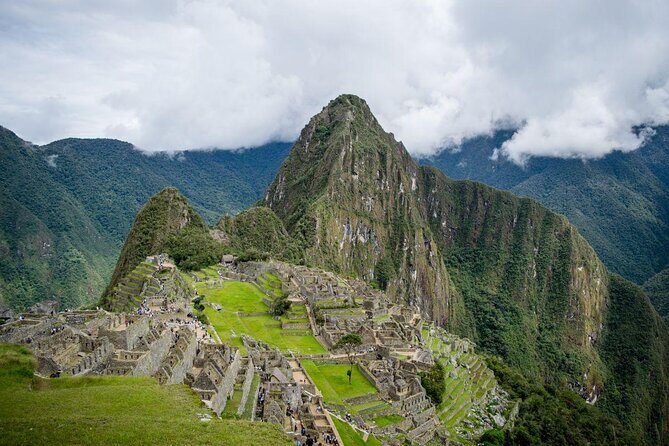
- A guided Machu Picchu morning with 2 hours inside the citadel
- All-in meals and major transport included so you’re not piecing together logistics
Abra Malaga to Huamanmarca: a bike day that really sets the tone
Your trip starts in Cusco with an early pickup window (between 5am and 6am) from your lodging, then a group breakfast at the central meeting point. After that, you’ll head toward Abra Malaga Mountain, listed at 4,350m, where you’ll begin the biking portion.
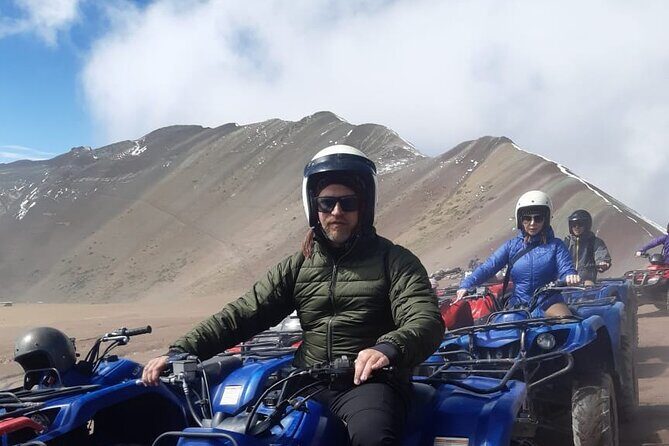
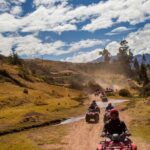
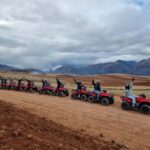
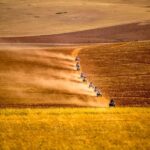
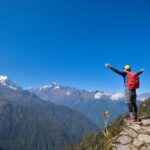
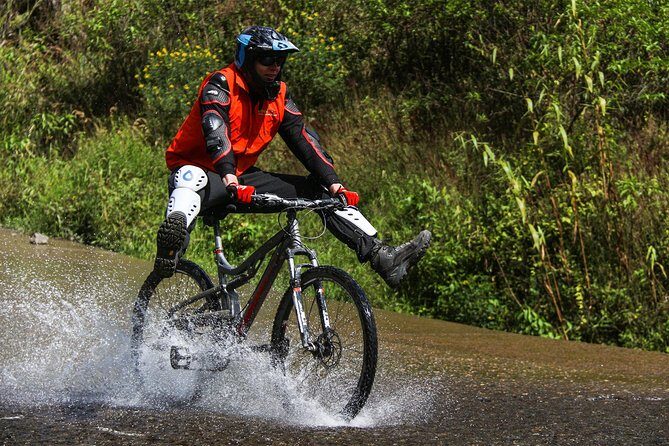
The big idea here is simple: you don’t just visit Machu Picchu. You earn the view. The downhill is about 3 hours on top-scale mountain bikes with helmets and gloves. The road is paved, but the altitude and the steep descent make it feel serious. You’ll roll past rural villages, rivers, and streams, which gives the day a constant sense of motion—not just “exercise for the sake of exercise.”
You also get a practical break at Huamanmarca where you can buy water and snacks if you need them. This matters because you’re not coming out of a modern shopping mall. If you’re prone to getting low on fluids, bring a little cash for small purchases and keep an eye on your energy.
Reality check: day 1 can be weather-sensitive. One guest described heavy rain and fog making the ride rough, and also noted bike issues like brakes that didn’t feel as strong in those conditions. If rain shows up, go cautious, keep your spacing, and don’t try to “out-brave” the road. The win here is the experience, not a personal speed record.
You can also read our reviews of more cycling tours in Cusco
Santa María rafting and the Huyro reset
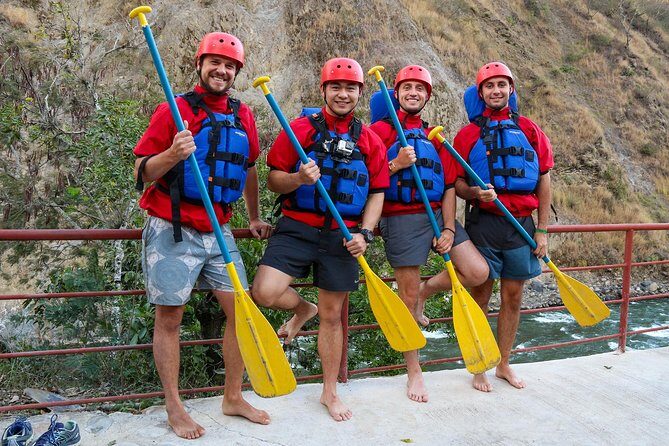
After lunch in Huyro (and time to drop your things at the eco-lodge), you’ll transfer by private bus to Santa María for rafting. Before you hit the water, guides brief you on safety and the positions you’ll need during the trip.
That briefing is one of the most valuable parts of the whole tour format. Rafting on a river is not something you want to wing. A strong guide setup keeps you calmer, so you can actually enjoy the bumps and the water rather than thinking about what to do next.
Once the rafting finishes, you’re back in Huyro for dinner and rest. This back-to-lodge rhythm is smart. It gives your body time to recover without adding another long transfer day. It also makes the adventure feel like a proper program, not a nonstop scramble.
Eco-lodge night: pack for basic comfort
That first overnight is at an eco-lodge with no hot water and no wifi signal. In Peru, that can mean a rustic vibe—fine if you planned for it, annoying if you assumed it would feel like a city hotel.
If you hate cold water, plan to sponge off with what’s available. If you need to stay connected, set expectations now (and download anything offline before you leave Cusco).
Inca jungle walking to Cocalmayo: a gentler day with meaning
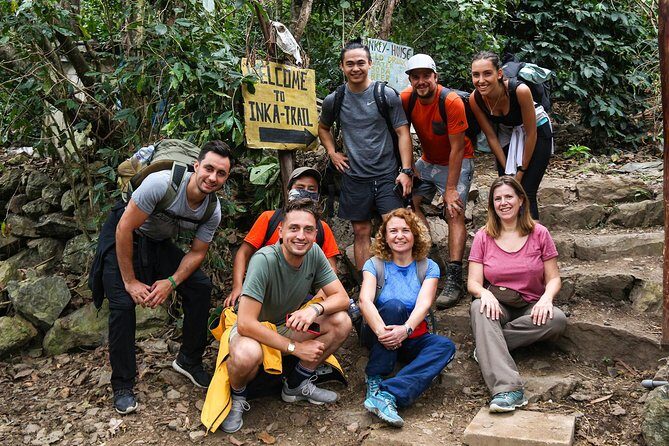
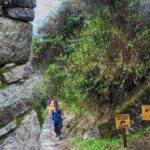
Day 2 is where the tour adds texture. After breakfast, you’ll travel to the start of the Inca Trail for a walk of about 4 hours through high forest. The route is described as biodiverse—think orchids, birds, and the kind of wildlife you notice mostly because it’s suddenly everywhere.
One of the best “wait, stop here” moments is the archaeological center of Inca Carcel, where the Incas punished people who didn’t follow the rules of Inca society. You’re not just looking at stones. A guide gives deeper history, which helps you connect what you see to why the site matters.
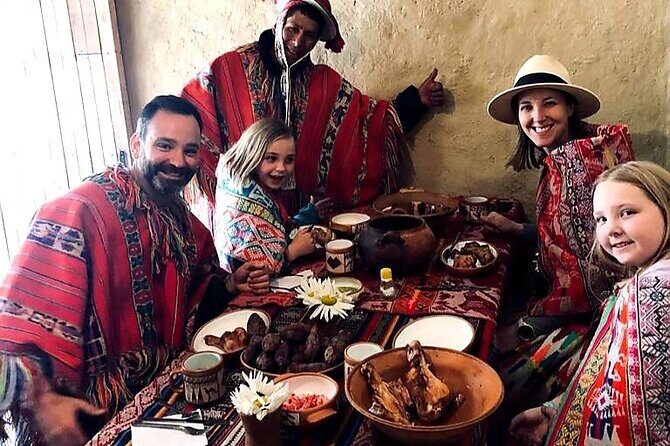
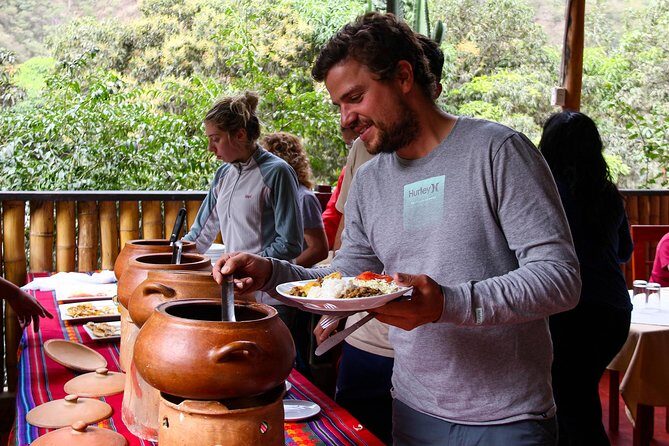
You’ll also get lunch made by a local community with fruits and tubers native to the area. That kind of meal isn’t just food—it’s part of why this tour feels more real than a standard bus-and-ticket day. It keeps the day grounded in local hands, not only tourist infrastructure.
After lunch, the walk continues toward Banos Termales de Cocalmayo. Then comes the payoff: you relax in the hot springs, with snacks and drinks. This is also a recovery day. Your legs have biking muscles and rafting muscles. Soaking helps you feel human again.
In the late portion of day 2, you’ll ride private transport to your lodging in Santa Teresa for the night. That’s a big deal for comfort because it cuts down on extra stress while you’re already tired.
Ziplining and the trail to Aguas Calientes: speeding up before Machu
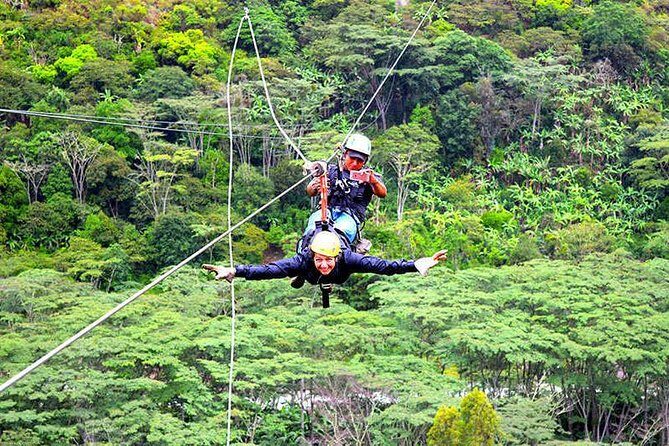
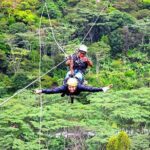
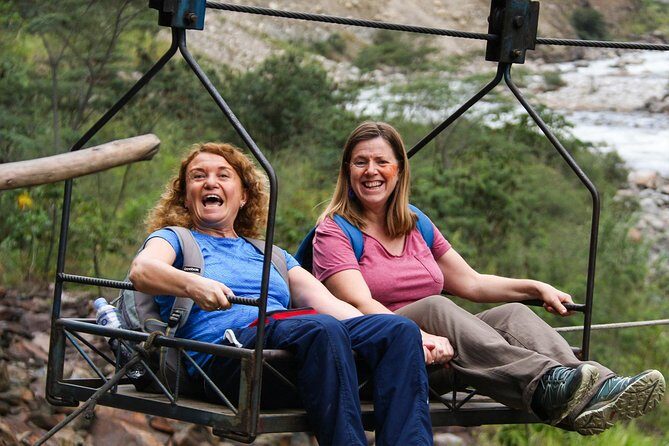
Day 3 moves fast in a fun way. After breakfast, you head to the ziplining location. You’ll do several routes, cross a suspension bridge, and even do light rock climbing. This is a strong combo because it keeps your brain engaged: you’re not only flying; you’re also balancing, stepping, and handling short challenges.
Then it’s on to Hidroeléctrica for lunch. From there, the route continues toward Aguas Calientes with about a 3-hour walk.
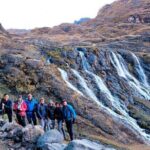
This section can be a highlight if you like your sightseeing on foot. You pass waterfalls and see wildlife, and you’re moving along near the Urubamba River. There’s also a nice in-between feeling here: you’re walking toward the tourist hub, but you’re still on the “work” side of the route.
When you arrive in Aguas Calientes, you’ll have dinner at a local restaurant and a briefing about the next excursion to Machu Picchu. After dinner, you’re free to explore the town. That freedom is practical. You can eat again if you want, buy small supplies, or just wander and reset.
Tip: keep your plans simple that evening. Day 4 starts early, and sleep beats sightseeing when it’s 4am time.
You can also read our reviews of more tours and experiences in Cusco


The 4am Machu Picchu push: guided inside, free after
Day 4 begins with an early rise at 4:00am. You’ll climb toward Machu Picchu, described as a challenging 1 hour and a half ascent. The entrance time is around 6:00am, when you meet your guide.
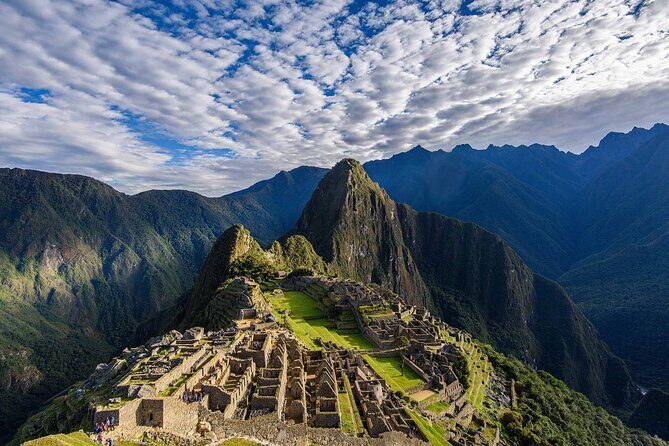
From there, you get a privately guided tour for 2 hours inside the citadel. This is where the tour earns its keep. With a good guide, you don’t just look at ruins—you understand how the layout connects to Inca life, beliefs, and engineering. The value is not speed; it’s interpretation.
After the guided portion, you’re free to enjoy Machu Picchu on your own. This is the part where you can choose your pace: linger at certain viewpoints, take photos without the pressure of a group moving fast, or simply absorb the place.
Getting back down and catching the train
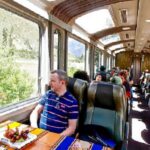
Afterward, your group descends toward Aguas Calientes to catch the train back to Ollantaytambo. You need to be at the station at least 30 minutes before departure.
Once you reach Ollantaytambo, everyone is picked up and transferred back to Cusco. The tour ends in the San Francisco square area.
This logistics flow is one reason I like the all-inclusive style here: you’re not juggling train times while tired and cold-eyed from Machu Picchu. Your day runs on someone else’s schedule—exactly how it should be on your biggest day.
Price and value: what $510 buys you (and what it doesn’t)
At $510 per person, the headline question is: is this price fair compared to buying pieces separately?
The tour price is strong because it bundles the expensive, complicated parts:
- Transport during the multi-day route
- Full suspension mountain bikes, helmets, and gloves
- Zipline and rafting included
- Machu Picchu entrances plus bus round trip to the citadel
- Train back to Ollantaytambo
- Lodging: 1 eco-lodge night (basic) and 2 hotel nights with private bathrooms, wifi, and hot water
- Most meals: 3 breakfasts, 3 lunches, 3 dinners
What you don’t get: the first breakfast and the last lunch and dinner.
In other words, you’re paying for convenience plus structure. If you’ve ever tried to plan a Machu Picchu combo—tickets, transport, rafting permits, gear, and timing—you know how quickly costs and confusion stack up.
Also, the group size is capped at 15 travelers, which usually helps a tour feel less like a cattle car. That matters during safety briefings and during guided time in Machu Picchu.
Guides, safety, and the difference between good and great
A lot of adventure tours succeed because of the guide, not because of the brochure. This one tends to shine on that front.
Named guides that came up in the feedback include Eduardo, Carlitos, Oscar, Rodrigo, and Stiven. Common threads: they’re friendly, they speak English well (at least for some groups), and they’re tuned into safety during activities like biking and rafting.
One small-but-important detail: the rafting day includes a safety briefing with specific positions and guidance. That’s not glamorous, but it’s what keeps you relaxed and having fun instead of constantly second-guessing what your body is supposed to do in the current.
And inside Machu Picchu, that guide-led 2-hour window is where you avoid the trap of wandering without context. You’ll understand what you’re looking at, and that makes free time after the tour more enjoyable, not less.
What to pack (so Day 1 doesn’t ruin your mood)
The tour suggests you bring:
- Strong walking shoes or tennis shoes
- A sweater and thick jacket
- Hat or cap
- One bottle of water
- A good rain coat
- Long sleeve shirts and long and short pants
- Insect repellent and sunscreen (UV factor at least 40)
- Toilet paper, lantern, sunglasses
- Plastic bags (always useful for wet gear)
- Medical/personal items and a lightweight backpack
- Camera and charger
- Some cash in change
If you want to make this trip smoother, I’d add two practical thoughts:
- Plan for damp gear. Between rafting, ziplining, and possible rain, you’ll want a way to keep your dry items dry.
- Bring layers you can actually move in. Machu Picchu mornings can feel cold, while biking can heat you up quickly.
Also, one important admin detail: you’ll need a current valid passport and your passport details must be provided at booking.
Weather realities: why good conditions matter here
This tour needs good weather. That’s not a marketing line—it’s a safety factor. Rain, fog, and slick conditions can make the biking day more intense, and it can affect outdoor activities.
If your dates get altered due to weather, the tour offers a different date or a full refund. That’s the fair approach for a route that depends on outdoor conditions.
Who this Machu Picchu tour suits best
This is best for you if you want a mix of active days and guided history, and you like the idea of reaching Machu Picchu through effort rather than only through train-and-wait.
It also helps if you have moderate physical fitness. You’re walking about 4 hours on day 2, walking about 3 hours on day 3, and doing a 1.5-hour climb on day 4, plus the biking and rafting.
This is a great fit for:
- Active travelers who want more than a museum ticket
- Couples or small groups that like structured days
- People who enjoy nature breaks like waterfalls, river walks, and hot springs
Consider a different plan if:
- You hate cold mornings and basic lodging
- You need guaranteed hotel-style comfort every night
- You prefer slow sightseeing with long rest periods
Should you book this 4-Day Machu Picchu tour?
I think you should book it if you want Machu Picchu tied to an actual adventure arc. The combination of bike descent, rafting, zipline, hot springs, and guided time in the citadel makes it feel like a whole journey, not just one famous stop.
Just go in with eyes open about comfort. Expect one basic eco-lodge night, and pack like rain and dampness are part of the program. If you’re picky about rooms, ask what to expect for the overnight at the end of the route.
If that sounds like your kind of trip, this is a strong value way to do Machu Picchu with built-in logistics and a small group vibe.
FAQ
What is the pickup time in Cusco?
Pickup from your hotel in Cusco is between 5am and 6am for the day trip portion. You’ll also meet at the central meeting point near Plaza de Armas.
Where does the tour start and end in Cusco?
The tour starts at Plaza de Armas in Cusco and ends back at the meeting point area (with the final finish in the San Francisco square in Cusco).
How many people are in the group?
The tour has a maximum of 15 travelers.
What activities are included besides Machu Picchu?
You’ll bike with safety equipment, go rafting with a briefing, and do ziplining (including routes and a suspension bridge). You’ll also hike in the high forest and soak in hot springs.
Is Machu Picchu entrance included?
Yes. Machu Picchu citadel entrances are included, plus bus round trip to the citadel.
What train ride is included?
You’ll take the tourist train back to Ollantaytambo, then be transferred to Cusco.
What lodging should I expect during the 4 days?
You’ll have 1 eco-lodge night without hot water and wifi signal, plus 2 hotel nights with private bathrooms, wifi, and hot water.
Are meals included?
Yes for most of the trip: 3 breakfasts, 3 lunches, and 3 dinners are included. The first breakfast and the last lunch and dinner are not included.
Do I need to bring a passport?
Yes. You need a current valid passport, and passport details are required at booking.