REVIEW · CUSCO
Cusco: 4-Day Inca Trail to Machu Picchu with Accommodation
Book on GetYourGuide →Operated by Inkas Expeditions E.I..R.L. · Bookable on GetYourGuide
Machu Picchu arrives via bike and jungle. This 4-day Inca Jungle Trail starts at 6:00 AM from Cusco’s Plaza Mayor and sends you down the big downhill from Abra Málaga with safety gear and a professional bilingual guide. It’s a small-group route (up to 9 people) that mixes paved-to-jungle transport days with real trails—and ends with a guided 2-hour visit to the citadel.
I also love the cultural “hands-on” time, especially learning coffee roasting and then seeing how plantations like coca, coffee, and fruit trees shape life in the Sacred Valley region. One consideration: the included overnight stays are comfortable enough for a trek, but they’re not luxury travel—one eco-house night in the forest and two hostel-style nights can feel basic compared with what you might expect at the end.
In This Review
- Quick hits before you go
- Why this Inca Jungle Trail feels different from the classic Inca Path
- Price and value: what $470 covers (and what it doesn’t)
- Day 1: 6:00 AM Cusco pickup, Abra Málaga downhill, and an eco-house night
- Day 2: coffee roasting on the Qhapaq Ñan and the Cocalmayo soak option
- Day 3: Santa Teresa to Hidroeléctrica, then the train track walk into Aguas Calientes
- Day 4: the 4:00 AM climb, a guided 2-hour Machu Picchu tour, and getting back to Cusco
- What you truly get: guide support, gear, food, and small-group pacing
- Fitness, safety, and who should (or shouldn’t) book
- Practical tips so you don’t waste time (or money) on Day 1
- Should you book the Cusco 4-Day Inca Jungle Trail to Machu Picchu?
Quick hits before you go
- Abra Málaga downhill biking: 50 km ride through Puna and Cloud Forest zones, with helmet + pads included.
- Coffee roasting, hands-on style: you’ll actually learn and participate, not just watch.
- Qhapaq Ñan hiking segments: follow parts of the historic Inca road network with viewpoint breaks.
- Optional Cocalmayo thermal baths: you can soak after the Qellomayo day, but the hot-springs ticket isn’t included.
- Small group pacing (max 9): more guide time, easier questions, less waiting around.
- Machu Picchu logistics handled: entrance ticket, guided tour, train back to Ollantaytambo, then bus to Cusco.
Why this Inca Jungle Trail feels different from the classic Inca Path
The big appeal here is variety. Instead of hiking only, you start with a long downhill bike run, then switch to a mix of trail walking, village time, and transport by van and train. That rhythm matters because your legs still get challenged, but you’re not constantly grinding uphill for four straight days.
This route also leans into the everyday Andean world right up front. You’ll travel through parts of the Sacred Valley (Chinchero, Urubamba, Ollantaytambo), and once you’re on the trail system, you’ll see plantations and local routines tied to coca and coffee—not just “tourist viewpoints.”
And then there’s the payoff: you finish with Machu Picchu on Day 4, after a pre-dawn climb. That schedule gives you the feeling of arrival after effort, not arrival as a random city stop.
You can also read our reviews of more tours and experiences in Cusco
Price and value: what $470 covers (and what it doesn’t)
At $470 per person, the value comes from the amount of logistics packed into the total. You’re not only paying for guiding; you’re also paying for the big ticket items: Machu Picchu entrance, a return train ticket from Aguas Calientes to Ollantaytambo, and the return bus from Ollantaytambo to Cusco. Add the 4-day structure—multiple breakfasts/lunches/dinners, two different overnights (eco-house and hostel-style stays), plus a professional bilingual guide—and it starts to look like a full service package rather than a “bring your own everything” trek.
What’s not included is mostly what can derail your budget if you don’t plan ahead:
- First breakfast and last lunch in Aguas Calientes (you’ll be on your own for those meals)
- Cocalmayo hot-springs ticket (the soak is optional, but not free)
- Optional bus up/down to Machu Picchu (you can keep the standard plan, but there’s an extra choice to know about)
- The tour is non-refundable, so make sure your dates are solid
If you’re the kind of traveler who hates organizing transport between Cusco, Sacred Valley, Aguas Calientes, and the Machu Picchu day itself, this price structure is doing you a favor.
Day 1: 6:00 AM Cusco pickup, Abra Málaga downhill, and an eco-house night
Your Day 1 starts early: the pickup is from Cusco’s Main Square (Plaza Mayor de Cusco) around 6:00 AM. You’ll meet your guide there—look for the agency jacket—then transfer through the Sacred Valley stops: Chinchero, Urubamba, and Ollantaytambo.
The adventure proper begins at the Abra Málaga pass, where you get views toward Huacay Willca. After that, you’ll be fitted with biking gear: a Kona bicycle, plus elbow and knee pads, gloves, goggles, and helmet. A rain jacket is included too, which is a practical detail. In the Andes, weather can change fast and nobody wants to ride soggy.
Then comes the highlight: a roughly 3-hour downhill bike journey through Puna and Cloud Forest zones—about 50 km—ending at Huaman Marq’a ruins. This isn’t just downhill for thrill. The long distance means you’ll feel how the region changes as you drop in altitude, and that “stacked geography” is a big part of why the Inca Jungle concept works.
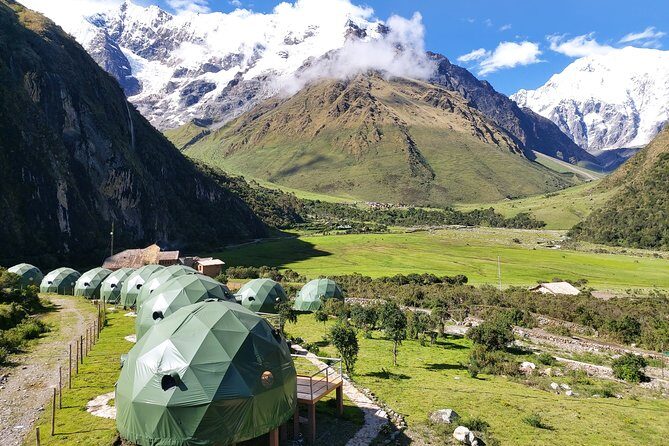
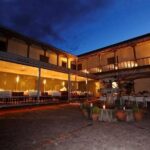
After biking, you take a short van ride and walk to Santa María, then continue toward Pispitayoc. Day 1 ends with an overnight in an eco-house in the forest, with dinner included. It’s the kind of stay that’s meant to reconnect you with the area—simple, quiet, and surrounded by nature rather than hotel comforts.
If you’re sensitive to basic conditions, this first night is where you’ll notice it most. The tradeoff is you’re waking up closer to the jungle trail rhythm.
Day 2: coffee roasting on the Qhapaq Ñan and the Cocalmayo soak option
Day 2 begins with breakfast, and this is where the tour turns from “adventure logistics” into “local culture you can do with your hands.” Your guide teaches you coffee roasting, and then you participate as part of the process. This is one of the best parts of the whole trip because it’s not a lecture. You come away understanding how coffee fits into the local plantation economy, not just that it tastes good in a cup.
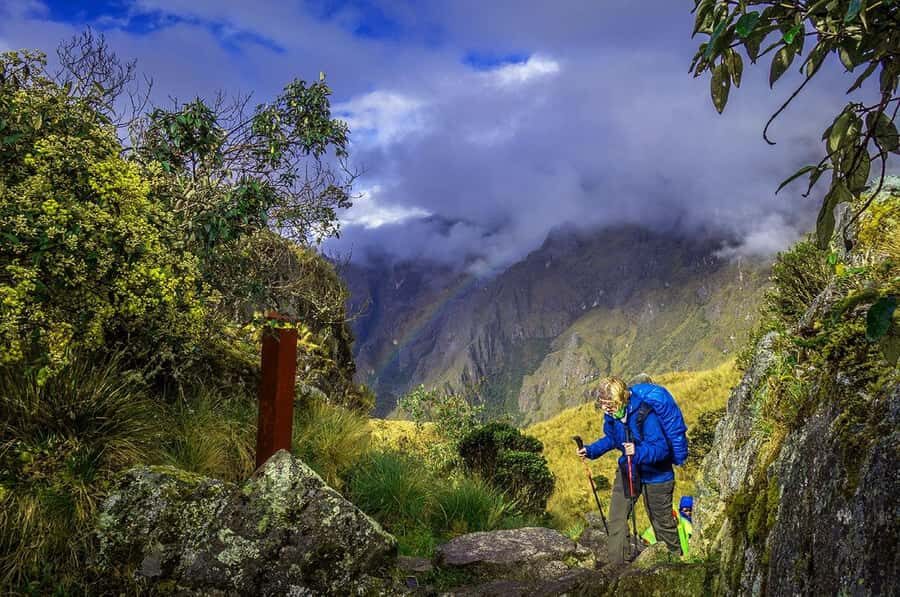
Next, you hike along part of the historic Qhapaq Ñan network. You’ll get views as you walk and you’ll notice the mix of habitats—plus the chance to spot birds and see plantations like coca, coffee, and fruit trees.
At about 1750 meters, you reach the Huancarcasa viewpoint for a break with panoramic views. From there, you descend to Qellomayo village (around 1200 meters) for lunch. This part matters because the descents help you manage energy better than a constant climb. You still work, but the pace is more human.
The final leg is about 2 hours, leading to the optional Cocalmayo thermal baths at around 1450 meters. If you choose to go, it’s a rare chance to reset before the next travel day. Just remember: the hot-springs ticket isn’t included. From Cocalmayo, you arrive in Santa Teresa at about 1515 meters for dinner and overnight in a hostel-style stay.
Day 3: Santa Teresa to Hidroeléctrica, then the train track walk into Aguas Calientes
Day 3 starts with breakfast in Santa Teresa (about 1515 m). The trek continues through coffee and coca plantations for about 3 hours, so you keep seeing the agricultural side of this region instead of only “ruins and viewpoints.”
You end up at Hidroeléctrica (around 1900 m), where lunch and a break are scheduled. After that, you resume for another 3 hours along the train track. This walk is surprisingly effective: it’s flatter and steadier than many trail sections, which means you get to save energy for the Machu Picchu morning.
You arrive in Aguas Calientes (around 1950 m), the town that’s your base for Machu Picchu. The afternoon is free, which is exactly what you need on a day like this. You can take it slow, explore a bit, or just recover.
In the evening, the group gathers for dinner and a discussion about the upcoming climb to Machu Picchu. That briefing is helpful because it turns Day 4 from “mystery at 4:00 AM” into something you know how to handle.
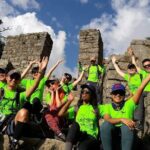
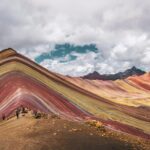
Day 4: the 4:00 AM climb, a guided 2-hour Machu Picchu tour, and getting back to Cusco
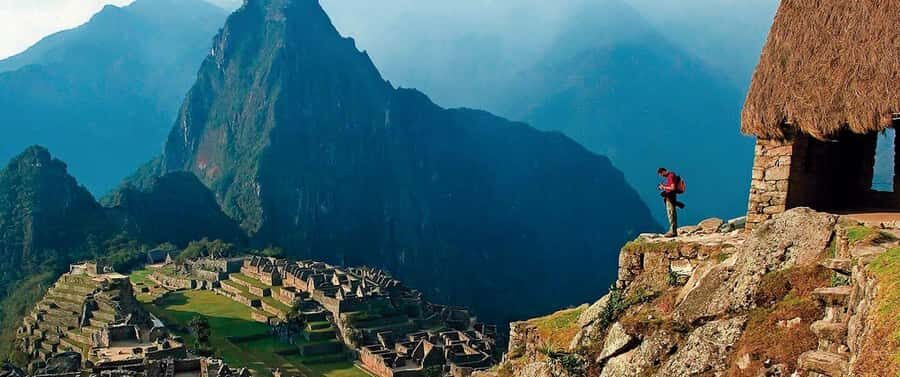
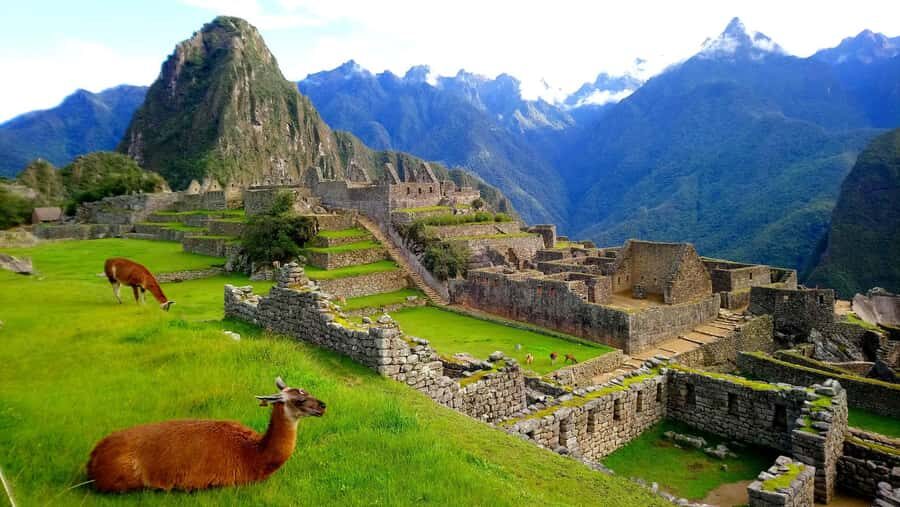
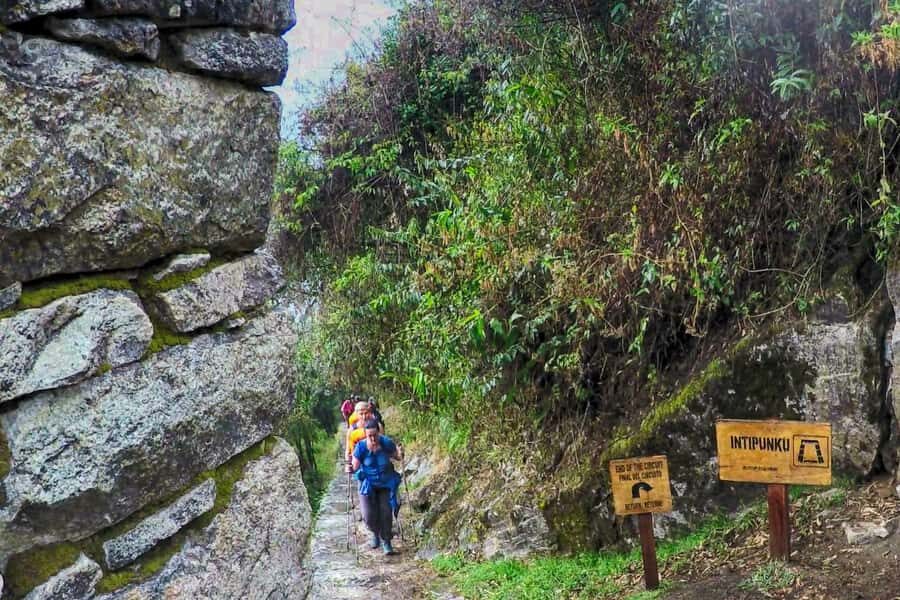
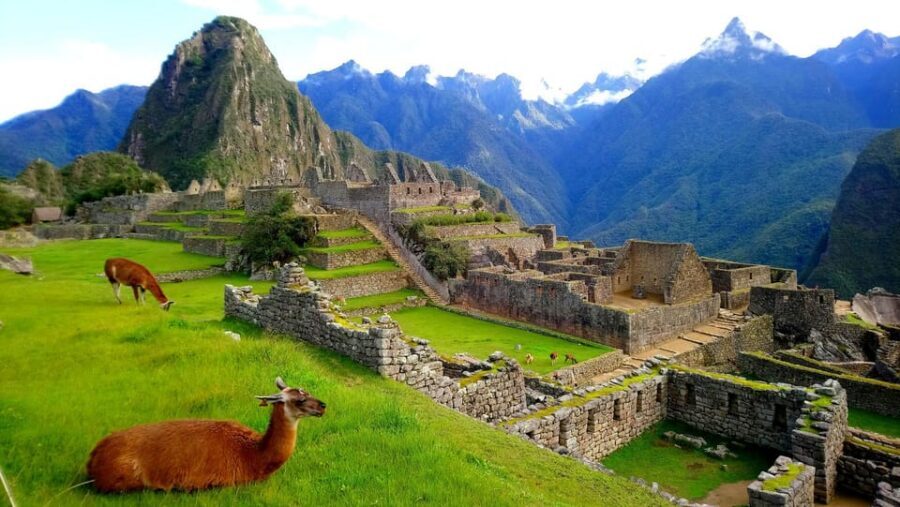
Your last day begins early: a 4:00 AM start with a hike up to Machu Picchu at about 2400 m, lasting roughly 1.5 hours. This climb is the physical finish line. It also sets the mood. By the time you reach the citadel, you’re not just arriving—you’ve earned your place there.
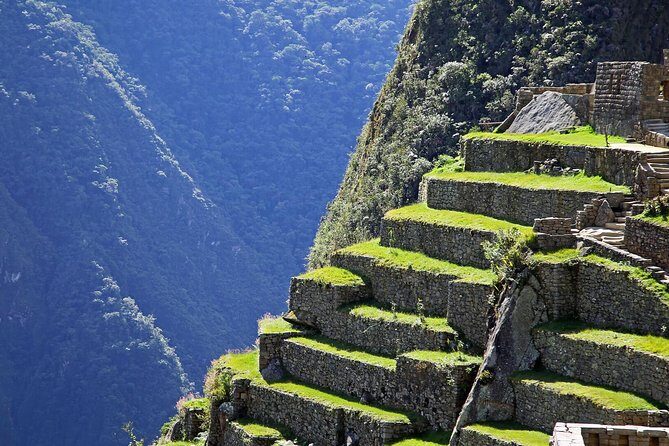
At Machu Picchu, you get a 2-hour guided tour focused on the most significant areas of the site. You’ll also have free time afterward to explore at your own pace. That mix is important. Guidance helps you understand what you’re seeing, and free time helps you slow down when something catches your eye.
After the tour, you return to Aguas Calientes (around 1950 m) to collect belongings. Then it’s practical travel home: train back to Ollantaytambo, followed by bus to Cusco to complete the service.
If you want the best chance of feeling calm at the end, I’d plan to use the Aguas Calientes time for recovery. Your feet will be tired. That’s normal.
What you truly get: guide support, gear, food, and small-group pacing
This tour is built around a professional bilingual guide (English–Spanish) and a small group capped at 9 participants. In real terms, that means fewer people to manage, easier timing, and more room for questions when you’re deciding whether to push through a tough stretch or take the break that keeps you feeling good.
The included gear is also a quiet win. You don’t have to source or rent safety equipment for the biking day. Helmet, pads, gloves, goggles, and a rain jacket take the worry out of the ride, which is exactly when you’d rather be focused on controlling your speed and enjoying the scenery.
Meals are mostly covered: 3 breakfasts / 3 lunches / 3 dinners. The exception is mentioned clearly—first breakfast and last lunch in Aguas Calientes aren’t included. So budget a little time and money for eating on your own at the finish base.
Your food quality will depend on the day and where you’re stopping, but the structure is consistent: planned meals between activity blocks so you’re not constantly hunting for snacks.
Fitness, safety, and who should (or shouldn’t) book
This isn’t a gentle stroll. You’re doing biking, multiple trekking days, and a pre-dawn climb. That said, the route is structured with breaks, viewpoints, and flatter segments (like the train track portion) to help you keep going.
You should also respect the “not suitable for” list:
- Pregnant women
- People with back problems
- Wheelchair users
And if you’ve got any mobility concerns, think carefully. There are biking transfers, trail walking, and morning climbing involved. Even with a supportive guide, you’ll be relying on your own ability to move steadily.
One more practical note: altitude can affect you in Cusco and the Machu Picchu route even if you’re fit. If you’re arriving right before the trip, don’t assume you’ll feel normal the first morning.
Practical tips so you don’t waste time (or money) on Day 1
- Bring your passport or ID card. A copy is accepted, and you’ll want that squared away before pickup.
- Pack for weather changes. You’re given a rain jacket, but you still want layers. Morning temps can feel cold, and afternoons can shift.
- Budget small extras. Cocalmayo hot-springs tickets aren’t included, and any optional add-ons will cost more. One example from a trip record: some groups added river rafting and zip lining for 240 soles, while another mentioned a small 10-sol fee related to transport for a zipline activity.
- Take Aguas Calientes seriously. Your last day starts early, so use the free afternoon on Day 3 for rest rather than running around all night.
- Use the guide’s timing skills. A lot of people do this trip mainly for Machu Picchu. The guide’s job is keeping the schedule smooth, especially around tickets and the Day 4 climb.
If you’re the type who likes to know what’s next and you prefer a guided structure over constant planning, this style will suit you well.
Should you book the Cusco 4-Day Inca Jungle Trail to Machu Picchu?
I’d book it if you want Machu Picchu plus a real dose of adventure and local life in between. The combination of downhill biking from Abra Málaga, coffee roasting participation, and the chance to soak in Cocalmayo (optional) makes this feel more like a journey than a single-day site visit.
I’d think twice if you’re chasing hotel-level comfort. The eco-house and hostel-style nights are part of the deal, and while they’re geared for trek travelers, they’re not trying to be luxury accommodations. Also, if you have back issues or mobility limitations, the route may not fit you.
One last decision tool: if you dread organizing trains, entrances, and transfers across Cusco and Aguas Calientes, this package does that work for you. For many people, that alone is worth the price.
If you match the fitness level and you’re okay with basic lodging, this is a strong, high-reward way to reach Machu Picchu—on purpose, with story attached.