REVIEW · CUSCO
Inca Jungle Multi-Day Tour to Machu Picchu 4 DAYS
Book on Viator →Operated by Encuentros Peru Adventure · Bookable on Viator
Bikes, jungle, and Machu Picchu in four days. This Inca Jungle style route replaces the usual slog with a mix of descents, river time, and day-by-day cultural stops before you reach Machu Picchu. It’s built for an active itinerary and a small group vibe, capped at about 15 people.
I especially like the way the tour strings together adrenaline and meaning. You get organized adventure activities (mountain biking, canoe/river time, zip line) plus a guided Machu Picchu visit that includes the big named sights like the Temple of the Sun and Intihuatana. I also like that lodging and meals are mostly handled, including three nights plus daily breakfasts, lunches, and dinners where scheduled.
One possible drawback: this is not a gentle hike. You need a strong physical fitness level, and the mountain biking day expects real comfort on the bike (though there’s an option to ride in the support vehicle if you prefer not to).
In This Review
- Key things that make this tour worth your time
- A 4-Day Inca Jungle Route Built for Variety, Not Just Movement
- Day 1: Cusco to Santa María by Bike, Huamanmarca, and Vilcanota River Fun
- The mountain bike descent: adrenaline, safety gear, and wet-feet risk
- Ollantaytambo and Huamanmarca: short breaks, big setting
- River time: Vilcanota canoe/rafting plus an optional Urubamba upgrade
- Where you sleep and what Day 1 feels like
- Day 2: Coffee Before the Old Inca Paths, Then Santa Teresa and Hot Springs
- The long hike: about 9 hours and 13 kilometers
- Lunch and Quellomayu pause
- Cocalmayo hot springs: included time, paid entry
- Day 3: Zip Line, Then the 10-Kilometer Walk to Aguas Calientes
- Hidroeléctrica and the Aguas Calientes approach
- Dinner, lodging, and instructions for the big day
- Day 4: Getting to Machu Picchu by Bus or Foot, Then a Guided Tour Through the Key Sites
- Guided Machu Picchu: about 2.5 hours covering the must-see stops
- The return to Cusco: a long travel day that ends late
- Price and value: what $444 buys you, and what it won’t
- Who should book this Inca Jungle trek (and who should skip it)
- Should you book this Inca Jungle trek to Machu Picchu?
- FAQ
- How much is the Inca Jungle Multi-Day Tour to Machu Picchu (4 days)?
- Where do you meet and what time does the tour start?
- How many days and nights are included?
- What meals are included?
- Is mountain biking required?
- Are river activities included, and is rafting extra?
- Is the hot springs soak included?
- How long is the Machu Picchu guided tour?
Key things that make this tour worth your time
- Mountain biking down to the jungle with full safety gear and clear briefings at Abra Malaga
- Inca-era walking days that follow old paths locals still use
- River adventures with season-based difficulty on the Vilcanota (and an optional Urubamba rafting add-on)
- A coffee tour in Santa María that turns a caffeine stop into a hands-on cultural moment
- A zip line stop before the Aguas Calientes trek to keep adrenaline high before Machu Picchu
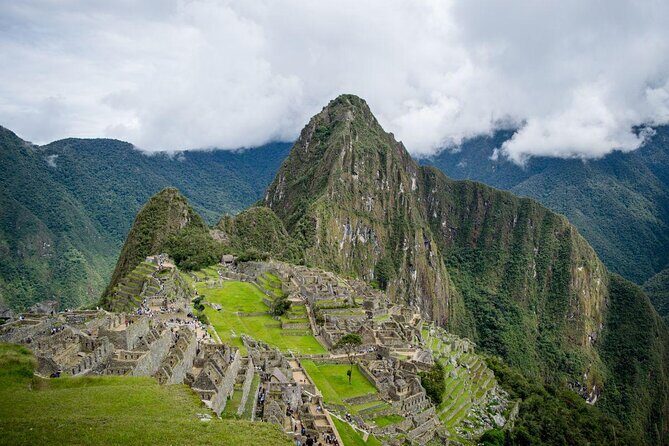
- Guided Machu Picchu with major landmarks covered in about 2.5 hours
A 4-Day Inca Jungle Route Built for Variety, Not Just Movement
The best thing about this tour is the pacing. Instead of one long, repetitive trek day after another, you bounce between different kinds of effort: riding, hiking, river time, and short bursts of activity. That variety matters because it helps your body stay engaged even when the altitude and humidity start to play tricks.
You’ll also like how the tour keeps you moving through more than one “version” of the Andes. Day 1 starts in colder mountain conditions around Cusco and drops fast toward warmer jungle air. By the time you’re in Santa María and Santa Teresa, you’re in a very different rhythm: hotter afternoons, thicker vegetation, and trail days that feel more like “Andes jungle living” than just sightseeing.
It’s also a smart choice if you’re trying to see Machu Picchu without turning your whole trip into a logistics puzzle. The tour covers pickup, transfers, hotel stays, most meals, and the Machu Picchu entrance itself. You still need to show up ready, but you won’t be stuck guessing what happens next.
If you’re the type who likes checking boxes but also wants the route to feel personal, this works. Your guide is a big part of the value here. In past groups, guides such as Jimmy, Richard, Jose, Alfredo, Luis, Francis, and Jose Luis have been singled out for humor, local explanations, and helping the day feel smoother when things get physically demanding.
You can also read our reviews of more tours and experiences in Cusco

Day 1: Cusco to Santa María by Bike, Huamanmarca, and Vilcanota River Fun
Day 1 starts early, with pickup in Cusco at 6:20 AM. From there it’s a fast-moving chain of transfers: Cusco to Ollantaytambo, then down toward the biking starting area. That early start is not just for timing. It gives you cooler air for the long descent and helps the whole group stay on schedule.
The mountain bike descent: adrenaline, safety gear, and wet-feet risk
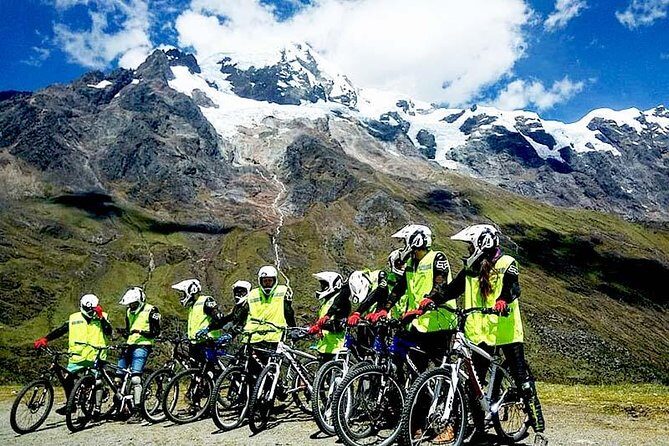
The bike portion is built around a big downhill run from the Abra Malaga area. You’ll get helmets, gloves, vests, and knee pads, plus a briefing on how to ride. The ride itself is about 2 hours of descending, with stops for photos and views.
You should know two practical things before you go:
- You need some biking comfort. This is not a casual spin around the block.
- The ride can get wet. One common heads-up is that the route includes water crossings, so wet feet are a real possibility.
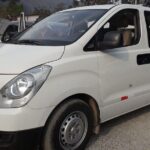
If biking doesn’t sound fun to you, you can stay in the accompanying vehicle while the group rides. That lets you still be part of the day without forcing your body into a skill test.
Ollantaytambo and Huamanmarca: short breaks, big setting
Ollantaytambo is a quick pause—about 25 minutes. Use it for water, snacks, restrooms, and getting rain gear if the weather turns.
After the ride, you reach the Huamanmarca archaeological site area, then transfer to Santa María. There’s lunch at Santa María, and it’s an important “recovery step” day. You’ll be surprised how quickly a full day of moving can drain energy, even when the scenery feels nonstop.
River time: Vilcanota canoe/rafting plus an optional Urubamba upgrade
Later in the afternoon you’ll do a river activity on the Vilcanota River, around 1.5 hours, with a safety briefing beforehand. Difficulty varies by season: it’s described as lower levels in dry season and higher levels in rainy season. Your guide assesses conditions before you go.
There’s also an optional add-on opportunity earlier on Day 1: rafting on the Urubamba River (level III–IV during April to November). It’s not included, and it costs 100 Soles, so it’s a “maybe” you can decide on after you arrive.
Where you sleep and what Day 1 feels like
You’ll spend the first night in a basic hostel in Santa María. This isn’t a luxury stay, and that’s normal for this kind of active route. What makes it work is that you’re not just traveling—you’re doing something every segment, then recovering with a dinner and an overview of the next day.
Day 2: Coffee Before the Old Inca Paths, Then Santa Teresa and Hot Springs
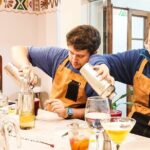
Day 2 is the “culture-meets-workout” day. It starts with a coffee tour in Santa María, done before breakfast. You’ll hear the history and process of coffee production, then help prepare coffee using traditional local methods. After that, you taste the coffee with a breakfast made from locally sourced ingredients.
This is more valuable than it sounds because it breaks the pattern of “transport, eat, repeat.” It also gives context for the land you’re walking through later. Even if you’re not a coffee person, you’ll probably enjoy the hands-on part and the way it slows the day down just enough to feel human.
The long hike: about 9 hours and 13 kilometers
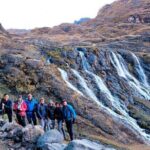
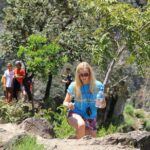
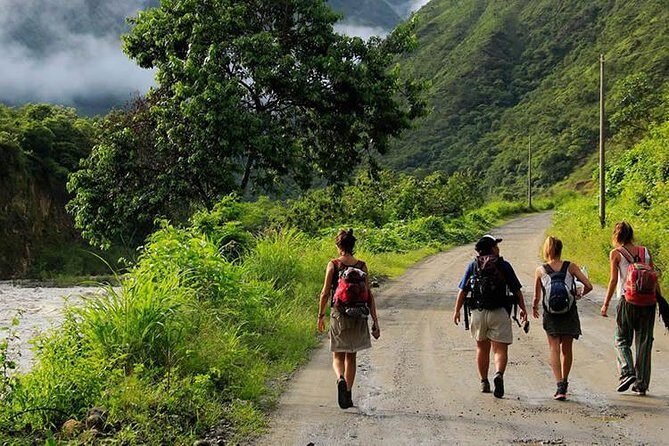
After breakfast, you continue with a guide-led walk in the Santa Teresa district. The day’s trek is about 9 hours covering roughly 13 kilometers. You’ll follow parts of the original Inca Trail network—routes that still connect places and that locals still use.
What makes this day special is that it’s not only “scenery mileage.” Your guide explains the Inca civilization and why these paths mattered. Even if you’re tired, those stories tend to make the walking feel purposeful instead of repetitive.
Lunch and Quellomayu pause
After several hours of trekking and changing ascents/descents, you’ll reach Quellomayu by the river. Expect a hearty lunch and around a 45-minute rest. That break matters. It keeps the day from feeling like a constant grind and gives you time to regroup before the afternoon.
Cocalmayo hot springs: included time, paid entry
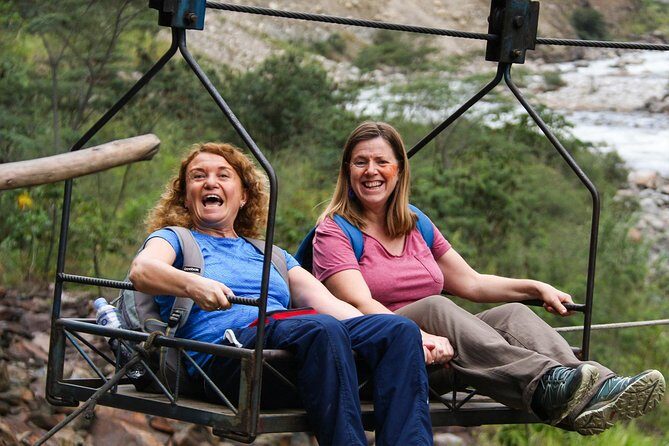
Next is the Cocalmayo Hot Springs area, reached along the banks of the Vilcanota River. Along the way you cross the river twice—once by bridge and once by cable car—which adds a little “wow” factor after all the walking.
You soak for about 1.5 hours. Hot springs admission is listed as not included, so plan to pay there. If you go in with that expectation, you won’t get stuck doing math mid-relaxation.
You end the day in Santa Teresa with accommodations and dinner at a local restaurant. The structure is good: you sleep somewhere more comfortable than Day 1, then you’re ready for the next adrenaline hit.
Day 3: Zip Line, Then the 10-Kilometer Walk to Aguas Calientes
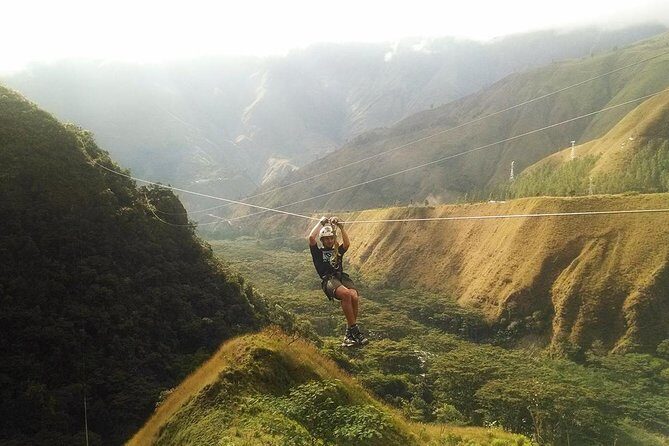
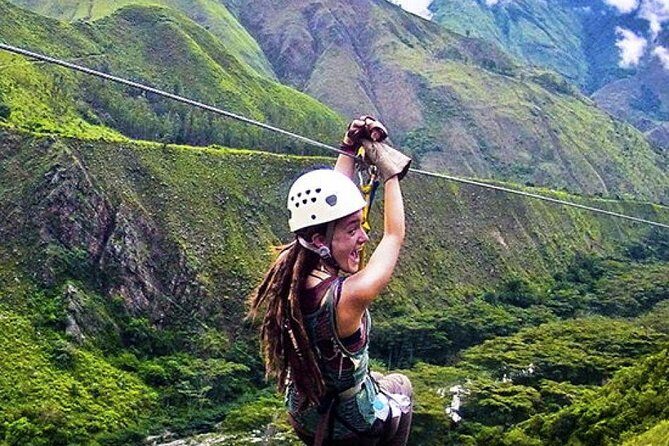
Day 3 starts with breakfast around 7:00 AM, then the big adrenaline stop: a zip line. It’s described as one of the longest in South America, with four cables. Expect both an adrenaline rush and wide-open views.
Zip lines can feel like a tourist box-check, but here it works as a transition. You’ve been walking and climbing in jungle terrain, and the zip line gives your legs a break while still keeping your day “active.”
Hidroeléctrica and the Aguas Calientes approach
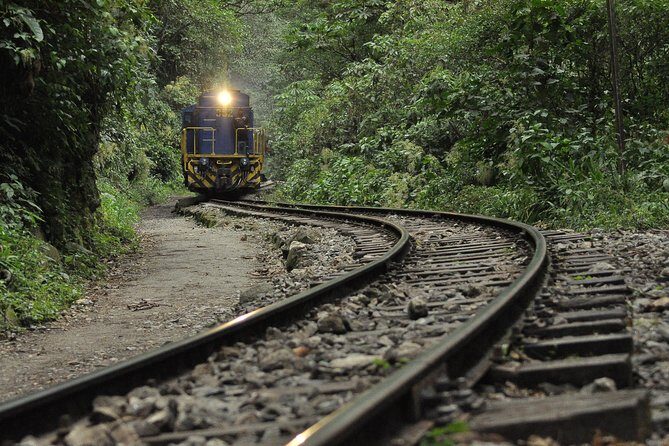
After the zip line, you ride by car to Hidroeléctrica. There’s lunch and a brief rest, then you begin the hike toward Aguas Calientes. The trek is about 10 kilometers and takes around 3 hours, following train tracks.
You’ll move through lush vegetation, listen for local birds, and sometimes catch glimpses of Machu Picchu as you get closer. That “almost there” feeling is one of the best psychological tricks in this whole route. By the time you reach Aguas Calientes, Machu Picchu stops feeling abstract.
Dinner, lodging, and instructions for the big day
Aguas Calientes is where you sleep on Day 3. You’ll have dinner and then receive instructions for visiting Machu Picchu the next day. That matters because Machu Picchu days are all about timing—security lines, entrance rules, and the best window for photos.
Day 4: Getting to Machu Picchu by Bus or Foot, Then a Guided Tour Through the Key Sites
Day 4 is your Machu Picchu day, and it starts early from Aguas Calientes with two access options:
- By bus: about 30 minutes to the entrance, with regular departures.
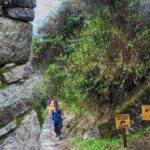
- By foot: about 1 hour 30 minutes, including around 30 minutes of flatter walking followed by about an hour-long climb through lush areas.
If you’re already tired from the prior days, the bus option is the obvious stress reducer. If you like earning your views and don’t mind the climb, the walk can feel like a warm-up before the ruins.
Guided Machu Picchu: about 2.5 hours covering the must-see stops
Once inside, you’ll go through security checkpoints, then join a guided tour of about 2.5 hours. The tour typically covers:
- Temple of the Sun
- Intihuatana (Sun Dial)
- Sacred Plaza
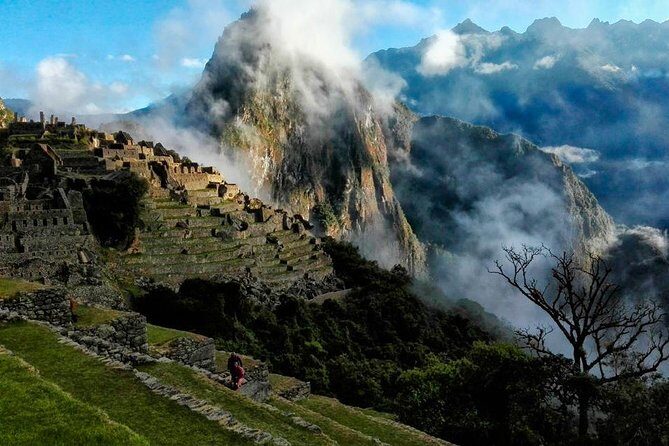
That guided structure is part of why this tour feels “worth it.” Machu Picchu is awe-inspiring, but without context it can turn into a blur of stone. Having a guide walk you through what you’re looking at helps you remember it later.
The return to Cusco: a long travel day that ends late
After Machu Picchu, you return by routing back toward Hidroeléctrica (the same direction as the earlier trek) for around 2.5 hours by car. You need to be at the bus station by 1:00 PM for the transfer onward.
Then it’s the long leg back to Cusco: about 6 hours on the bus, with an expected arrival around 9:00 PM. You’ll be dropped at San Francisco Square, where the tour ends.
Price and value: what $444 buys you, and what it won’t
This tour is listed at $444 per person for about four days, with three nights of accommodation and meals included (breakfast, lunch, and dinner, with lunch and dinner on the last day not included). You also get the Machu Picchu entrance, plus a guided Machu Picchu visit.
Here’s the value math that matters:
- You’re paying for a managed route through hard terrain: pickup, transfers, lodging, key activities, and the big entrance ticket.
- You’re not just buying “a hike.” You’re buying biking, zip line, and river time, plus a guided ruin visit.
- Your group size stays small (maximum 15), which usually means less waiting and more personal attention on safety briefings and pacing.
What costs extra? Some items are clearly flagged:
- Optional rafting add-on on Day 1 (100 Soles)
- Hot springs admission on Day 2
- Lunch and dinner on the last day
- Personal expenses and optional tips for the driver and guide
If you’re the kind of traveler who would otherwise pay for multiple separate tours (bike + zip line + river + Machu Picchu entrance + transfers), this package pricing can feel very reasonable. If you only care about Machu Picchu and want minimal effort, then the price might feel high for the work involved. This tour is designed for people who want the whole journey.
Who should book this Inca Jungle trek (and who should skip it)
This tour fits you best if:
- You have a strong fitness level and can handle long walking days.
- You like variety: bike day, zip line day, river time, and multiple guided cultural touches.
- You’re okay with basic lodging and an active schedule.
It’s not ideal if:
- You dislike biking or aren’t comfortable riding downhill. You can choose the support vehicle instead, but the day still has an overall pace built around active participants.
- You want a slow, restful plan with minimal transfers. This is a packed four-day run.
The small-group size helps a lot. It usually makes safety instructions feel practical, and it gives your guide more time to handle issues quickly (like weather changes).
Should you book this Inca Jungle trek to Machu Picchu?
If you want Machu Picchu plus a jungle route that feels like an adventure, I think this is an easy yes. The combination of mountain biking, Inca Trail-style walking, a zip line, and river time makes the journey feel connected to the Andes instead of just “a route to the ruins.”
If you’re on the fence, decide based on one question: can you handle a full day of effort plus a long travel day afterward? If the answer is yes, you’ll likely love how the trip builds toward Machu Picchu with momentum. If your plan is to rest every afternoon, you may prefer a lighter route.
FAQ
How much is the Inca Jungle Multi-Day Tour to Machu Picchu (4 days)?
The price is listed as $444.00 per person.
Where do you meet and what time does the tour start?
The tour starts at Plaza de Armas in Cusco, with a pickup/start time of 6:20 AM.
How many days and nights are included?
The tour runs about 4 days and includes three nights of accommodation.
What meals are included?
Meals included are breakfast, lunch, and dinner where scheduled. Lunch and dinner on the last day are not included.
Is mountain biking required?
You’re expected to have some biking experience for the descent. If you don’t want to ride, you can travel in the accompanying vehicle with the group.
Are river activities included, and is rafting extra?
Canoeing/river time on the Vilcanota is part of the day. An optional rafting upgrade on the Urubamba River can be available seasonally, but it is not included and costs 100 Soles.
Is the hot springs soak included?
Hot springs admission is not included, even though the tour includes the time at the Cocalmayo Hot Springs.
How long is the Machu Picchu guided tour?
The Machu Picchu visit includes a guided tour of about 2.5 hours, covering key areas like the Temple of the Sun, Intihuatana, and the Sacred Plaza.