REVIEW · CUSCO
4-Day Inca Jungle Tour: Machu Picchu Biking, Rafting, and Zipline
Book on Viator →Operated by Inkayni Peru Tours · Bookable on Viator
Start with a bike and end in awe. This 4-day Inca Jungle route mixes adrenaline with real Inca-era scenery, using full-suspension bikes, guided rafting, and ziplining before the big finale at Machu Picchu.
I especially like the way the trip avoids the typical long trek feel and still gets you hiking through high-forest views, coffee-country mornings, and canyon paths on the way toward Machu Picchu.
I also love the guided Machu Picchu timing. You’ll get a morning bus into the Historic Sanctuary of Machu Picchu for an in-depth tour, with sunrise access mentioned as a key advantage, then time back in Aguas Calientes before your train ride toward Cusco.
One possible drawback: there’s real walking on multiple days, and you’ll need to manage a backpack you carry on the second or third day, so pack light and don’t treat this as an easy stroll.
In This Review
- Key highlights at a glance
- What this Inca Jungle route really delivers
- Day 1: Malaga Pass biking to Huamanmarca, then Santa María rafting
- Day 2: Inca Trail remnants, coffee fruit breaks, and Cocalmayo hot springs
- Day 3: Aobamba Valley hike to Aguas Calientes with Intihuatana stops
- Day 4: Early bus into Machu Picchu, guided ruins, optional Huayna Picchu
- Lodging, meals, and group size in real life terms
- Guides matter: safety, explanations, and the human touch
- Gear and packing: what you should bring (and what you shouldn’t)
- Fitness reality: how hard is it, really?
- Price and value: what’s included in the $599
- Should you book this Machu Picchu Inca Jungle tour?
- FAQ
- How much does the 4-Day Inca Jungle Tour cost?
- What’s included for activities like biking, rafting, and ziplining?
- What are the main meals included and what isn’t?
- Is the hot springs visit included?
- Do I need tickets for Huayna Picchu or Machu Picchu Mountain?
- How big are the groups?
- What should I pack for the trip?
- Is the booking refundable if I cancel?
Key highlights at a glance
- Full-suspension biking with helmets and gloves, starting from Malaga Pass and rolling down into valley towns
- Whitewater rafting on Class II–III rapids with a professional safety kayaker watching the action
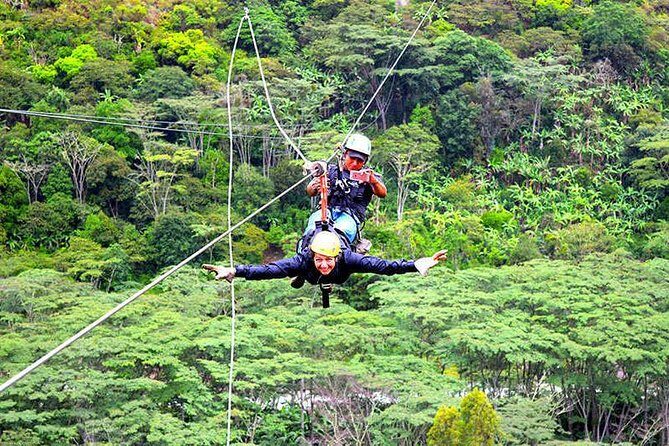
- Zipline over the gorge, built into a day that also includes trekking and scenic stops
- Coffee plantation mornings plus fruit and coffee stops during the walk
- Early Machu Picchu entry with a guided explanation of temples, terraces, and storage areas
- Small group feel with a maximum of 15 travelers and extra guide help for larger groups
What this Inca Jungle route really delivers
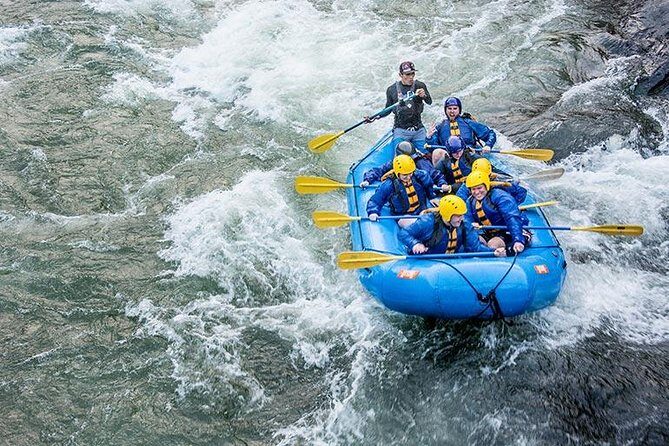
This tour is built for people who want Machu Picchu without spending your whole vacation in a single-file, multi-day hiking line. You trade the traditional long trek for a blend of mountain biking, rafting, ziplining, and shorter hikes that still take you through Andean valleys, forested slopes, and Inca-linked viewpoints.
At $599 per person, the value isn’t just the ticket to Machu Picchu. It’s the package logic: your transportation, equipment, safety gear, most key meals, and guided time are handled, so you’re not stitching together five different vendors on your own. You do still need to budget a few extras (like Huayna Picchu and hot-springs entrance fees), but the core day-by-day experience is largely covered.
One more practical plus: it’s a 4-day format, not a week-long one. If you only have limited time around Cusco, this is one of the more direct ways to reach Machu Picchu territory while still feeling like you did something active.
You can also read our reviews of more cycling tours in Cusco
Day 1: Malaga Pass biking to Huamanmarca, then Santa María rafting
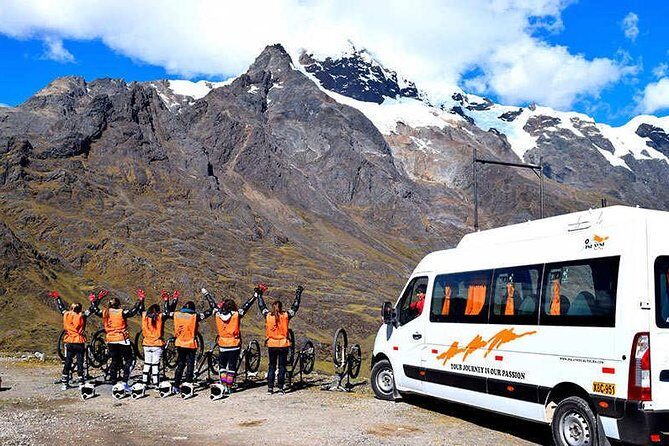
Your day begins early, with pickup around 6:00 AM (time to be confirmed). After a scenic drive up to Malaga Pass (4,350 masl / 15,190 ft.), you start the most dramatic part: a three-hour mountain bike descent.
Why this matters: the altitude shift is part of the fun. You’re moving from high pass air down into lower-elevation villages, and the ride keeps changing. The route runs through orchards, rivers, and local areas, so you’re not just staring at a trail for hours. You land in Huamanmarca (1,800 masl / 5,906 ft.) around 1:30 PM, then continue by private bus to Santa María (1,200 masl / 3,937 ft.).
Next comes the second adrenaline hit: after lunch, you do a two-hour rafting trip with Class II and III rapids. You’re supervised by a professional safety kayaker, and rafting includes the equipment and safety gear. If you’ve been watching rafting videos online and thinking you’d like to try it once, this is the kind of guided setup that reduces guesswork.
Then you reset. Dinner is included, and you sleep in Santa María for the night, ready for the longer hike the next morning.
Quick consideration for Day 1: even if you’re confident on a bike, your body is arriving from altitude. Expect the day to feel like a full send.
Day 2: Inca Trail remnants, coffee fruit breaks, and Cocalmayo hot springs
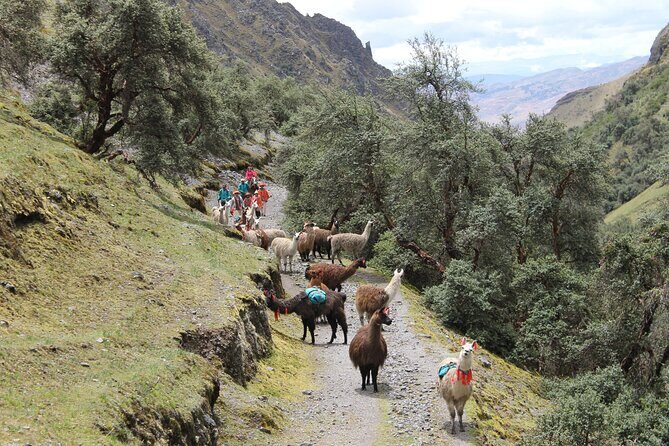
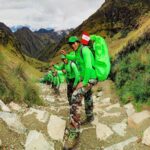
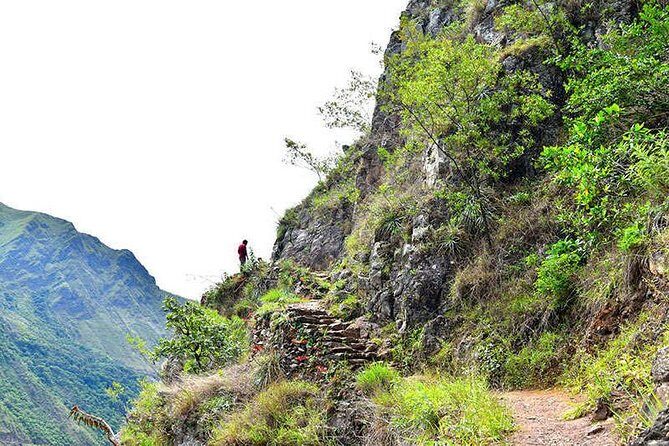
Day 2 starts with breakfast, then a 6:00 AM trek toward Santa Teresa. The first two hours are uphill, so plan for effort early. You’ll have stops along the way to learn about the area’s plants and scenery and to break up the climb.
A highlight here is the human-scale stop at a local family’s home. You rest, enjoy fresh tropical fruit, and refill water supplies. It’s the kind of pause that makes a long hike feel like a journey instead of a workout you rush through.
Then you move onto a historic stretch described as part of the section that once linked Machu Picchu and Vilcabamba. This is where your guide’s storytelling helps you connect the terrain to Inca communication and movement. You also get views into Huancarccasa Canyon while you descend toward Quellomayo for lunch.
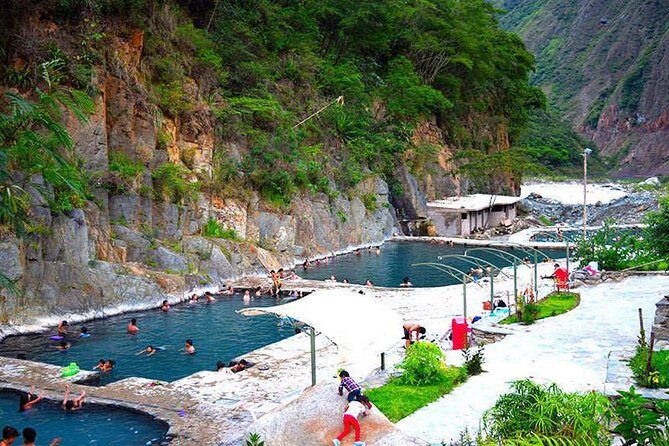
After lunch, there’s a relaxation moment with hammocks, followed by time at the Cocalmayo hot springs. This is a welcome muscle reset after the uphill start, but note the detail that matters for planning: the entrance ticket to the hot springs is not included, so you may need to cover that on-site.
You finish the day in Santa Teresa (1,550 masl / 5,085 ft.) with dinner and lodging provided, so you’re not scrambling to find food after a long day.
If you want a quick reality check: this is not a sit-by-the-window day. Day 2 is one of the main effort blocks.
Day 3: Aobamba Valley hike to Aguas Calientes with Intihuatana stops
Day 3 is the “transition day” into Machu Picchu. After breakfast, you start around 6:00 AM for the walk to Aguas Calientes.
The hike begins with about three hours through the Aobamba Valley, with lush vegetation and mountain views. It’s a steady, scenic push, not just a straight line. Along the way, you pass Intihuatana, described as a government control post, and you’ll get explanations tied to Inca systems and structures.
Another stop: you might be able to see the ancient astronomical sundial and other features near the Machu Picchu area. That’s one of the subtler joys of this tour. You’re not going from zero to Machu Picchu in a single hour. You’re walking through a broader web of Inca-era points that set the stage for what you’ll see next.
You’ll reach Aguas Calientes after about three hours of trekking, following the train tracks into town. Lunch is provided en route, and this day often includes a “reset” feel in the middle—one guest’s description calls out a lunch spot with a tree-house like vibe where you can rest your feet.
What to keep in mind: even when the route is scenic, you’re still hiking. This is the day to keep an easy pace and use the water breaks your guide sets up.
Day 4: Early bus into Machu Picchu, guided ruins, optional Huayna Picchu
On Day 4 you head out early again. Breakfast comes first, then you board a morning bus one way into Machu Picchu.
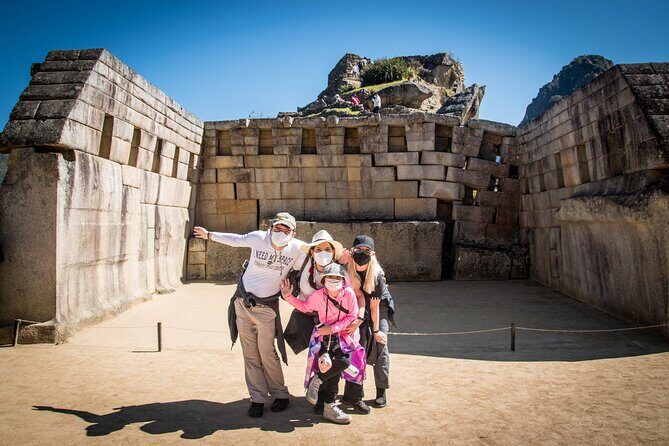
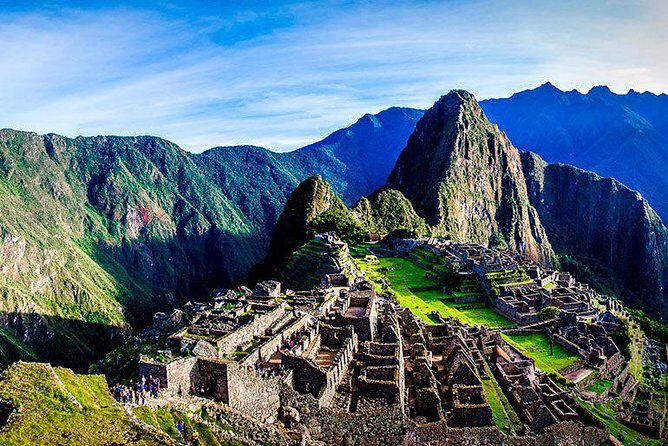
Once you arrive, you get an in-depth guided tour focused on the site’s major areas: temples, ceremonial zones, terraces, and storage structures. The guide-led format matters here. Machu Picchu can feel like a maze if you’re wandering alone, so having someone explain why different sections exist turns the view from pretty to meaningful.
There’s also an add-on option if you secured the right ticket in advance: you may visit Huayna Picchu or Machu Picchu Mountain for a higher perspective. Plan this early. The data here is clear that Huayna Picchu tickets sell out quickly, so contact the operator as soon as you book to check pre-booking options.
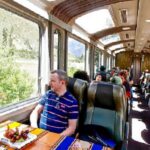
After your guided time, you return to Aguas Calientes for a brief rest and lunch (not included). In the afternoon, you take the train back to Ollantaytambo, then a private van transfers you to Cusco to end the trip.
One reason this early entry style is so helpful: Machu Picchu gets crowded fast, and conditions can change quickly as the morning moves along. Getting your guided core done earlier helps you actually see the place, not just pass through it.
You can also read our reviews of more tours and experiences in Cusco
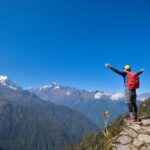
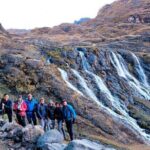
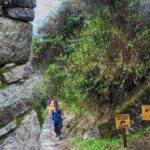
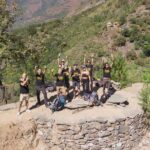
Lodging, meals, and group size in real life terms
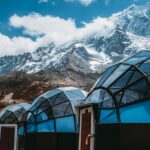
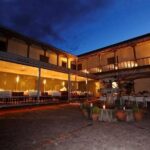
This tour uses two styles of lodging. You get 1 night in a 3-star hotel in Aguas Calientes, plus 2 nights in basic hotels. The mix is practical: you sleep where the route needs you, then you land closer to Machu Picchu for the most important night.
Meals are included in a structured way: breakfast (3), lunch (3), and dinner (3). That’s a huge convenience factor on a trip with multiple physical activities. Still, double-check meal timing because lunch on Day 4 in Aguas Calientes is specifically not included.
Group size is capped at 15 travelers, and if the group is 8+, there’s an assistant tour guide added. That usually means less waiting, more attention, and smoother safety checks—especially useful on the biking and rafting parts.
Guides matter: safety, explanations, and the human touch
This itinerary depends on your guide team doing two jobs at once: keeping you safe during active portions and making Machu Picchu make sense afterward. The program’s reputation for strong guidance is backed by the specific names showing up in feedback, including Saul, Rodrigo, and Juan Carlos C.
What I’d take from those mentions is the pattern: guides put time into animal and plant explanations, and they also help you feel comfortable during the more technical parts like rafting. If you’ve ever been on a tour where you’re stuck translating for yourself, this style sounds more supportive.
Also, having a professional safety kayaker during rafting is a meaningful detail. It’s not a hire-and-hope situation. The safety setup reduces uncertainty when the water turns.
Gear and packing: what you should bring (and what you shouldn’t)
Bring the basics from the packing list, because the route includes multiple temperature zones and rain risk.
You’ll want:
- walking boots
- waterproof jacket or rain poncho
- warm jacket
- hat and gloves
- sunscreen (factor 35+)
- insect repellant
- comfortable trousers and t-shirts
- toiletries and hand sanitizer
- a small flashlight with spare batteries
- your original passport
The backpack rule is the one that can trip people up. You can bring a backpack that can hold 2–30 kilograms (55–132 lbs), but only what you need for the 4 days. Extra luggage is left in storage at your Cusco hotel/hostel or the Inkayni Peru office. Also important: on the second or third day, you’ll be carrying that backpack yourself.
So the smart move is packing light on purpose. Think: quick-dry layers and a change of clothes you’ll actually use.
Fitness reality: how hard is it, really?
Most people can participate, but you should go in with honesty about effort. The itinerary includes biking, rafting, ziplining, and multiple hikes. One note tied to the hiking load: the trek days include one longer hike (around 9 miles) and another shorter one (around 4 miles). Guides can adjust speed to different fitness levels, but the terrain still demands stamina.
The biggest training plan is simple:
- get comfortable with uphill walking
- practice managing a loaded daypack
- pack for wet weather, because stopping for photos doesn’t pause the work
If you’re prone to altitude sickness, also plan carefully for Cusco access and the pass-to-valley changes. This tour starts with high points and moves down quickly, so it can feel like a roller coaster on your breathing.
Price and value: what’s included in the $599
Here’s what your money buys:
- 1 night in a 3-star hotel in Aguas Calientes and 2 nights in basic hotels
- all transportation across the route
- full suspension bikes plus helmets and gloves
- rafting equipment, plus the rafting activity
- zipline activity
- an experienced bilingual adventure guide
- assistant guide if group is 8+
- guided tour around Machu Picchu
- one-way bus to Machu Picchu
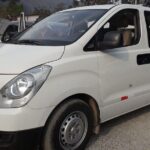
- transportation from Ollantaytambo to Cusco
- safety equipment and first aid kit
- meals: 3 breakfasts, 3 lunches, 3 dinners
What you still need to budget:
- travel insurance (strongly recommended)
- meals not stated (Day 4 lunch in Aguas Calientes is not included)
- Huayna Picchu entrance fee if you add that hike
- hot springs entrance ticket
- first breakfast and last lunch at Aguas Calientes (not included)
So when people ask whether $599 is worth it, the answer is yes if you value a guided, safety-led active route. You’re paying for coordination: equipment, transport, and time on the ground. If you already know you hate hikes, then it won’t feel like a bargain. But if you want Machu Picchu with motion, it’s a solid deal.
There’s also a strict note about changes: the experience is non-refundable and cannot be changed once booked. If your schedule is fragile, consider travel insurance carefully.
Should you book this Machu Picchu Inca Jungle tour?
Book it if you want:
- a Machu Picchu finale without a multi-day traditional trek
- action days built around biking, rafting, and ziplining
- guided time for Machu Picchu so you see more than stone and clouds
- a structured package that handles transport and most meals
Skip it (or swap to a lighter option) if:
- you’re looking for low-effort sightseeing only
- carrying a backpack on a hiking day sounds stressful
- you can’t handle walking uphill early in the day
If you’re set on Huayna Picchu, act early after booking so tickets don’t slip away. And pack light enough that your second or third day doesn’t turn into an anchor around your shoulders.
If you match the vibe—active, curious, and happy to mix adrenaline with history—this is one of the more practical ways to reach Machu Picchu while still feeling like you explored the jungle side of Peru.
FAQ
How much does the 4-Day Inca Jungle Tour cost?
The price is $599.00 per person.
What’s included for activities like biking, rafting, and ziplining?
The tour includes full suspension mountain bikes with helmets and gloves, rafting with all equipment, and ziplining. A bilingual adventure guide leads the experience, with safety equipment and first aid kit provided.
What are the main meals included and what isn’t?
Breakfast is included for 3 days, lunch for 3 days, and dinner for 3 days. Lunch in Aguas Calientes on Day 4 is not included, and the first breakfast and last lunch at Aguas Calientes are not included.
Is the hot springs visit included?
You’ll visit Cocalmayo hot springs, but the entrance ticket to the hot springs is not included.
Do I need tickets for Huayna Picchu or Machu Picchu Mountain?
You can add Huayna Picchu or Machu Picchu Mountain if you secured the ticket in advance. Huayna Picchu entrance fee is not included, and Huayna Picchu tickets sell out quickly.
How big are the groups?
The tour has a maximum of 15 travelers. An assistant tour guide is included for groups of 8+.
What should I pack for the trip?
Bring your original passport, walking boots, a waterproof jacket or rain poncho, a warm jacket, hat and gloves, sunscreen (factor 35+), insect repellant, comfortable trousers, t-shirts, toiletries and hand sanitizer, personal medication, and a flashlight with spare batteries. You’ll also need to pack light with a backpack sized to hold 2–30 kilograms, because you’ll carry it on the second or third day.
Is the booking refundable if I cancel?
No. The experience is non-refundable and cannot be changed for any reason.