REVIEW · CUSCO
Full-Day Rainbow Mountain & Red Valley Small-Group Trek from Cusco
Book on Viator →Operated by FlashpackerConnect LLC · Bookable on Viator
Color mountains start at 3 a.m. This full-day outing combines Peru’s Rainbow Mountain (Vinicunca) with Red Valley, plus a long-but-doable hike and a big payoff: a high viewpoint with wide-open views. You’ll also get a real look at day-to-day mountain life as you pass alpacas and Quechua communities along the way.
Two things I really like: the tight small group (max 8), which makes it easier for your guide to keep an eye on pace and comfort, and the chef-prepared lunch after the hard part, served in a traditional mud-house setting. In one account, guides even handled comfort details like warm blankets and pillows for early departures.
One consideration: this is a high-altitude climb with intense sections near the top, so you’ll want solid fitness, a slow pace, and a good plan if you feel off. If you end up sick, there are stories of guides arranging options like horse riding to help you still reach the viewpoint.
In This Review
- Key highlights you’ll feel all day
- Chasing Vinicunca: the 3 a.m. start from Cusco
- Up the 7.5 km to Rainbow Mountain: alpacas, Quechua life, and mineral colors
- The top push: 360-degree views and why the final climb feels serious
- Red Valley included: the day doesn’t end when you reach the viewpoint
- Mud-hut lunch by a chef: why this meal is a big part of the value
- Small-group touring: what max 8 really changes on a hard day
- Price and value: is $200 fair for all-day support?
- What to bring and how to survive the altitude hike
- Should you book this Rainbow Mountain & Red Valley trek?
- FAQ
- How long is the full-day Rainbow Mountain & Red Valley trek?
- What time does the tour start?
- What’s the group size limit?
- What’s included for meals and drinks?
- Do I need to bring water?
- Is oxygen or first aid provided?
- What happens if weather is poor?
Key highlights you’ll feel all day
- Small-group max 8 for a more attentive pace and better time to stop for photos
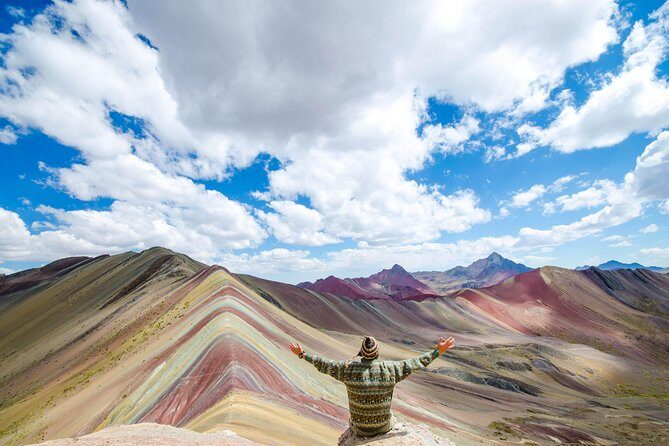
- Rainbow Mountain Vinicunca hike of about 3.5 hours (7.5 km / 4.7 mi) to a 360-degree viewpoint
- Ausangate in the distance and hundreds of alpacas along green valley sections
- Red Valley is included on the way down, so you’re not done once you reach the summit
- Mud-house lunch by a chef plus tea and coffee to warm you back up
- Oxygen and a first-aid kit included for peace of mind
Chasing Vinicunca: the 3 a.m. start from Cusco
This is the kind of trip where your day begins before most people have even decided what they’re doing. The official start is 3:00 a.m., and in practice, pickup can land earlier (some schedules show around 2:11 a.m. to 2:15 a.m.). Either way, you’re leaving Cusco in the dark, aiming to reach Rainbow Mountain during the best light and weather window.
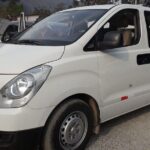
What makes this start feel worth it is how the company sets you up for the cold and the early hours. There are reports of warm blankets and pillows in the van, and that small comfort matters when you’re heading to an altitude hike before your body is fully awake. Your driver and guide also handle the timing tightly so you’re not left guessing what happens next.
Transfer time will vary with traffic, but the day is long: about 13 to 15 hours total. You’re planning for an early departure, a hike, a return ride, and an arrival back in Cusco around 4 to 5 p.m. That’s a full day, so treat it like one: eat something early in the day (the tour provides breakfast), and don’t stack extra plans that evening.
You can also read our reviews of more hiking tours in Cusco
Up the 7.5 km to Rainbow Mountain: alpacas, Quechua life, and mineral colors
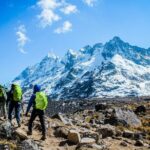
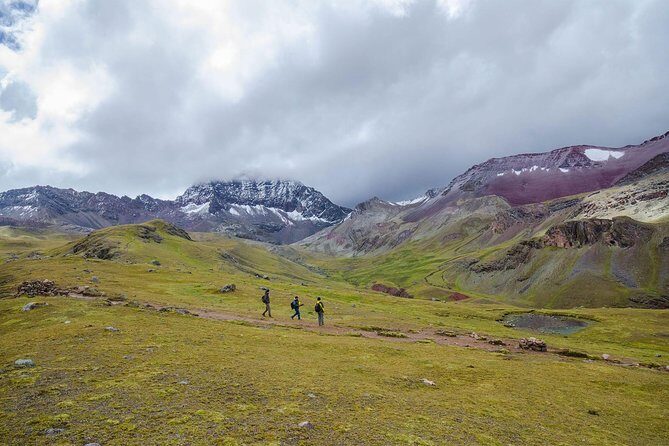
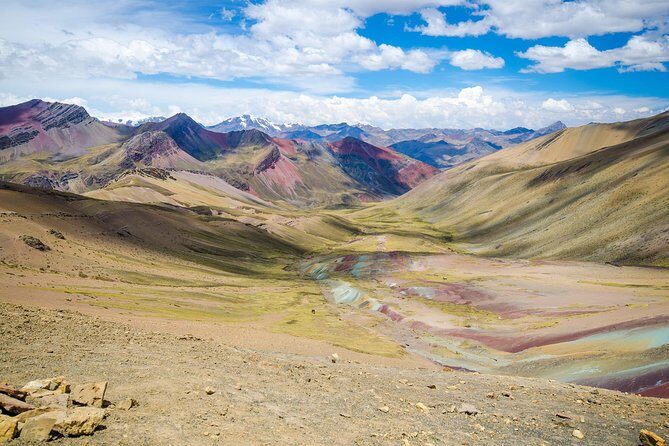
The main hike to Vinicunca Rainbow Mountain is listed at roughly 3.5 hours, covering about 7.5 km (4.7 mi). The route starts with valley walking where you’ll see a stretch of green valley, and in the distance you can spot Ausangate’s snow-capped peak towering over the area. It’s a great contrast: you’re moving from lower-feeling terrain toward the painted mountains.
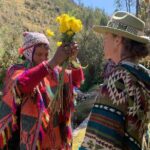
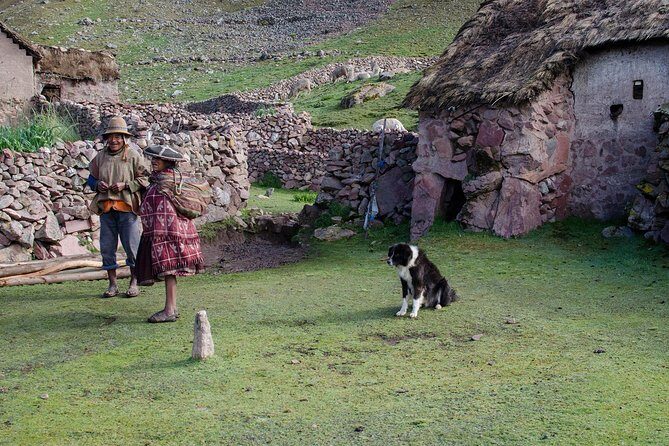
A big part of why this hike feels more “real” than just a viewpoint stop is what you pass along the trail. You’ll see hundreds of roaming alpacas, and your guide will point out what you’re seeing in terms of both landscape features and local life. There’s also a chance to view how Quechua people live in the mountain villages you pass through.
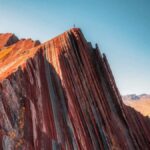
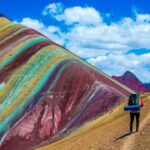
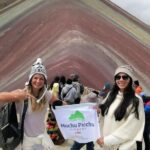
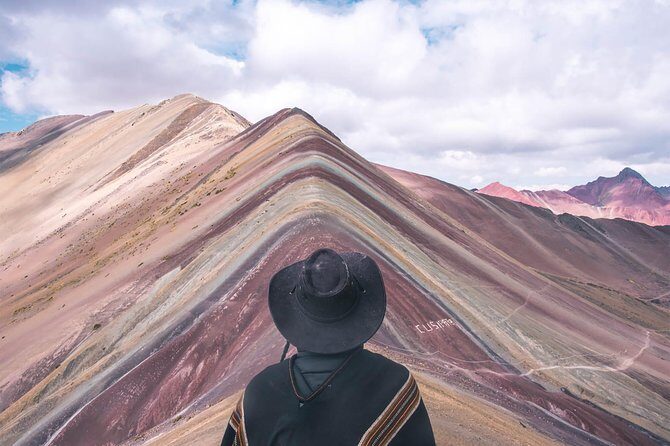
Then comes the color lesson. As you get closer, the colored hills start showing up in more obvious bands. Your guide explains what created the colors and how the Rainbow Mountain exists in this particular form. If you’re the type who likes to understand what you’re looking at (not just take photos), this guided explanation is one of the most satisfying parts.
The top push: 360-degree views and why the final climb feels serious
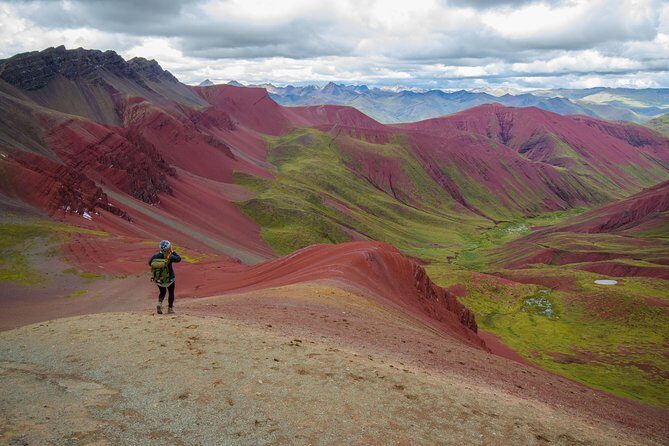
The toughest part is usually the last push. Even when the early part of the hike feels manageable, the final ascent is where breath and legs get tested. Multiple accounts describe it as the most intense climb of their life, which matches the general reality of high-altitude trekking.
When you finally reach the viewpoint, you get a 360-degree view of the surrounding sacred land. This is why you put up with the cold start and the altitude. You’ll be able to look across the terrain and appreciate the shape of the valley systems plus the painted color bands on the mountain itself.
There are practical details here, too. The itinerary includes snacks on top and time to break, take photos, and soak in the views before heading down. This pause isn’t just for comfort; it helps you regroup before the descent, which can be hard on knees and lungs if you go too fast.
And if you don’t feel well at altitude? In one story, the guide arranged horse riding to save effort and still get the person up to the viewpoint. The tour description doesn’t guarantee riding for everyone, but it’s worth knowing that help may exist if you’re struggling mid-day. Either way, take the pace your body can handle.
Red Valley included: the day doesn’t end when you reach the viewpoint
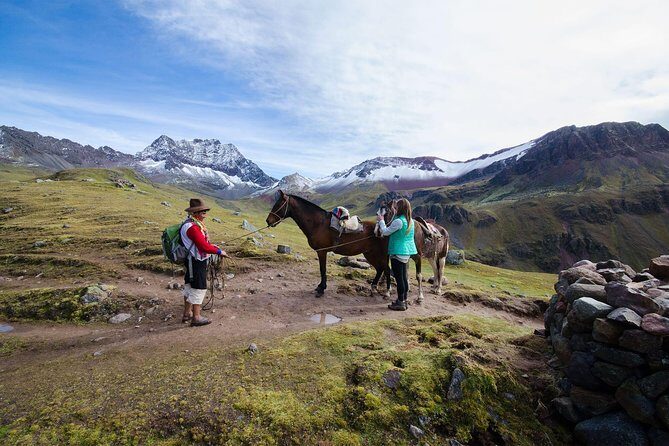
After your top break, you start the descent: 2 to 3 hours depending on pace and conditions. The itinerary specifically includes Red Valley as part of the route, which makes the day feel like more than one hike and one photo stop.
Red Valley changes the mood. Instead of the intense focus on the main summit moment, you get more time to move through contrasting terrain and keep seeing new angles. The descent is also where you catch smaller views you might miss when you’re only thinking about getting to the top.
Also, remember that descent still costs energy. Your legs are working hard, and at altitude your breathing habits can change as you go down. If you keep a steady pace and use the downhills to reset your breathing, you’ll usually feel better when lunch time arrives.
Mud-hut lunch by a chef: why this meal is a big part of the value
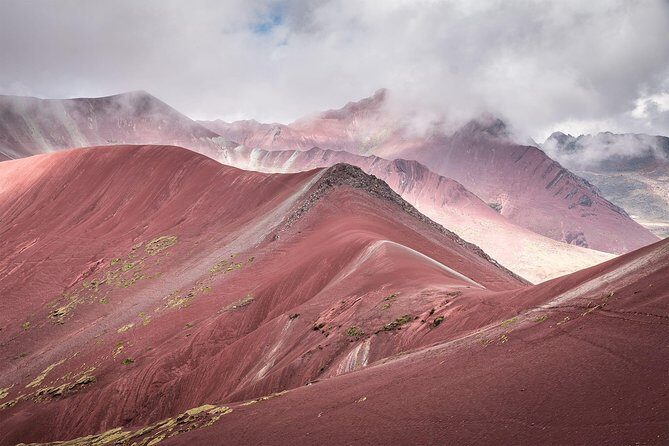
Lunch is served later on the return leg, after the downhill hike: there’s a gourmet lunch prepared by a chef in a traditional mud-house. The tour also includes breakfast and tea and coffee, plus snacks for the trek. This isn’t just “food included.” It’s food timed for when you actually need it.
One review called the lunch one of the best meals they had in Peru, and that fits with what you’ll likely want after a climb at altitude: something warm, satisfying, and not just a granola bar situation. A proper lunch matters because it helps you recover for the long ride back.
If you have dietary needs, the operator asks you to advise them at booking. That’s worth doing early so the chef can plan rather than improvising later.
You can also read our reviews of more tours and experiences in Cusco
Small-group touring: what max 8 really changes on a hard day
A maximum of 8 trekkers can sound like a marketing line, but on a day like this it changes real things. With fewer people, your guide can:
- keep a closer eye on breathing and comfort
- adjust pace without herding everyone
- handle questions and photo stops without losing the group
That attentiveness shows up in names and details from real experiences. In one account, Rosbel was the guide and David was the driver, and both were described as taking good care from the earliest departure. Comfort steps like blankets and a well-timed van ride aren’t just nice; they reduce early-day stress when you’re starting at low oxygen levels and cold temperatures.
There’s also the safety gear built in: a first aid kit and oxygen are included. It’s not something you hope to use, but it’s a genuine reassurance when you’re hiking at height.
Price and value: is $200 fair for all-day support?
The price is $200 per person, for a 13 to 15 hour outing. That isn’t cheap, but it’s also not only paying for a “view and a hike.”
Here’s what you’re getting for your money based on what’s included:
- Hotel pickup and drop-off in Cusco only
- English/Spanish speaking FlashpackerConnect guide
- Admission ticket included
- Breakfast and lunch, plus tea and coffee
- Snacks for the trek
- First aid kit and oxygen
- Small group max 8
In one review, the person said it felt a little pricey, but the value made sense because you get a comfortable van and a well-supported day. That’s the right way to judge it. You’re paying for logistics, guidance, and altitude safety basics, not just for a photo moment.
If you’re traveling with flexible expectations and you want a guided, supported day without worrying about timing and ticketing, this price tends to land more in the “worth it” category. If you’re budget-focused and already comfortable planning your own transport and route, you might compare other options—but based on what’s included here, the built-in support is a real part of the cost.
What to bring and how to survive the altitude hike
The tour emphasizes dressing appropriately and operating in all weather conditions. That means your packing list matters.
Here’s the practical part you control:
- Water: bring 2 liters per person. Water is not included, and at high altitude you need it.
- Dress in layers. The day starts very early, and you’ll go from cold van riding to active hiking and then back to cooler air during breaks.
- Plan your pace. Even if the trail starts off feeling easier, the final climb is intense. Go slow on purpose.
A useful trick from reviews: some people drank coca tea as part of breakfast to boost energy. The tour includes tea/coffee at the meal times, and the coca tea reference is consistent with local altitude habits. If you’re not used to it, take it easy and see how your body reacts.
Finally, keep the “what if I feel sick?” reality in mind. One review described feeling unwell on arrival and having horse riding arranged as a solution. You should still try to hike if you can, but have the mindset that you’re not stuck suffering through the whole thing if the altitude hits hard.
Should you book this Rainbow Mountain & Red Valley trek?
If your goal is a big natural viewpoint day with guided context, a supportive group size, and a proper meal at the end, this is a strong choice. The combination of Rainbow Mountain plus Red Valley gives you more than one “wow” moment, and the mud-house chef lunch is a standout value item that keeps you from ending the day depleted.
I’d especially consider booking if:
- you want max 8 instead of a crowded hike
- you appreciate guides who explain what you’re seeing, not just point and go
- you want built-in oxygen and first aid for peace of mind
Skip it (or choose another option) if you know you struggle with steep altitude climbs, because this hike can feel like the hardest one you’ve done. Go in knowing it’s serious, then plan to pace yourself and drink water.
FAQ
How long is the full-day Rainbow Mountain & Red Valley trek?
It runs about 13 to 15 hours total, including transfers and the hike.
What time does the tour start?
The start time is 3:00 a.m. (pickups in Cusco can happen earlier depending on the schedule).
What’s the group size limit?
The tour is a small-group experience limited to a maximum of 8 travelers.
What’s included for meals and drinks?
You get breakfast and lunch prepared by a chef, plus tea and coffee, snacks for the trek, and coffee and/or tea.
Do I need to bring water?
Yes. You should bring 2 liters of water per person. Water is not included.
Is oxygen or first aid provided?
Yes. The tour includes a first aid kit and oxygen.
What happens if weather is poor?
The tour operates in all weather conditions, but it also says it requires good weather. If it’s canceled due to poor weather, you’ll be offered a different date or a full refund. If the minimum traveler count isn’t met, you’ll also be offered a different date or a full refund.