REVIEW · CUSCO
8 Day Tour Highlights of Cusco
Book on Viator →Operated by Natventure Expeditions · Bookable on Viator
Cusco can feel like a blur. This 8-day tour strings together major Inca sights and a few surprises like the Cusco Planetarium, all with an English-speaking local specialist. I like the way the days are paced so you get big landmarks without turning every hour into a sprint. I also like the small-group feel (they list a max of 10), which makes it easier to ask questions and actually hear the history.
The main drawback is simple: this is a lot of moving around and some walking, with moderate physical fitness expected. If you want a slow, lounge-at-cafes trip, this one may feel busy. Also, lodging and airfare are not included, so you’ll need to plan those separately.
In This Review
- Key things I’d focus on before you book
- Day 1: Airport arrival and settling into Cusco’s old town
- Day 2: Qorikancha, Plaza de Armas churches, Saqsayhuaman, and the night sky
- Day 3: Sacred Valley on a full day with Potato Park and Inca sites
- Day 4: Machu Picchu with guided highlights and a train return
- Day 5: Humantay Lake with an early drive and a hike to turquoise views
- Day 6: Tipón, Pikillaqta, and Andahuaylillas, also known as the Sistine Chapel
- Day 7: Vinicunca (Color Mountain) with early van ride, LLactoc, and a farewell dinner
- Day 8: Easy airport transfer and your options after the tour
- Price and value: what $1,098 covers (and what it doesn’t)
- The guiding style that comes through in the details
- Who this Cusco highlights tour is best for
- Should you book this 8-day Cusco Highlights tour?
- FAQ
- How long is the Cusco 8-day highlights tour?
- Where does the tour start and end?
- Is airport pickup included?
- Does the tour include meals?
- Is lodging included in the price?
- Is airfare included?
- What language is the tour offered in?
- How many people are in a group?
- What fitness level do I need?
- What’s the cancellation refund timeline?
Key things I’d focus on before you book
- Planetarium night in Cusco: astronomy tied to Inca life, with telescope viewing if conditions allow.
- Sacred Valley day that includes culture work: Potato Park and local food at a community restaurant.
- Machu Picchu via train and guided site time: you still get the iconic stops, not just a drop-and-go photo run.
- Two nature hikes, not just ruins: Humantay Lake and Vinicunca add big scenery and early drives.
- Service-first guiding: guests highlight a guide like Vigner for attention to detail, patience, and warmth.
- English tour with pickup: easier logistics if you’re not traveling in Spanish all day.
Day 1: Airport arrival and settling into Cusco’s old town
Your trip starts at Alejandro Velasco Astete International Airport. You can arrive at any time, then you’re set up with your hotel and left to relax or explore on your own. You’ll be in the right location to get your bearings fast, because Cusco’s old town is a UNESCO World Heritage site and you’ll see plenty of old-meets-new architecture nearby.
What I like here is the built-in breathing room. Day 1 is not packed with timed activities, so you can adjust to your schedule and still get a first taste of the city.
If you land and want to immediately run around, that’s on you. The bigger consideration is that you’re in a high-energy place, and it helps to keep today gentle so you’re ready for the guided starts tomorrow.
You can also read our reviews of more tours and experiences in Cusco.



Day 2: Qorikancha, Plaza de Armas churches, Saqsayhuaman, and the night sky
Day 2 is a classic Cusco loop with a smart mix: Inca foundations, Spanish colonial landmarks, and a science-to-history connection.
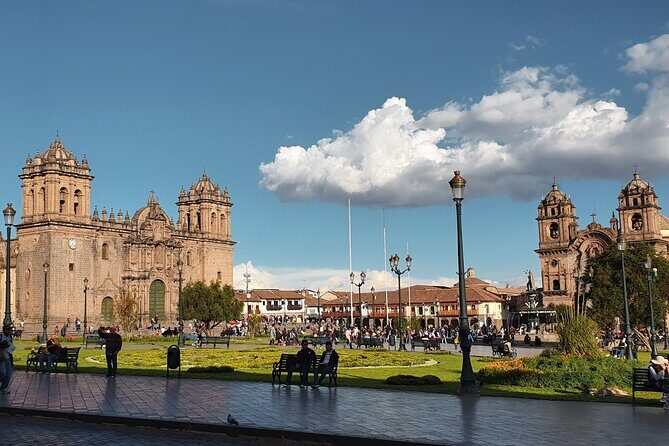
You begin at Qorikancha, touring the Sacred City of Cusco with a local specialist. You’ll see Spanish colonial buildings that sit on top of older Inca temples and palaces. The tour also covers major sights around the Plaza de Armas, including the Cathedral and the Church of Santo Domingo. It’s one of the clearest ways to understand how Cusco layered eras on top of each other.
Then you head to Saqsayhuaman and look at the nearby warehouses where the Incas once stored grain. That storage detail is worth noticing because it shifts the story from monuments to everyday systems.
In the afternoon, you have free time to explore further at your own pace. In other words, not every hour is scheduled, which I appreciate.
The night program is a standout: the Cusco Planetarium presentation focuses on Southern Hemisphere skies and how astronomy mattered to the Incas. If weather permits, you can peer through the telescopes. Even if you’ve never done astronomy, the angle here makes it feel practical, not just sci-fi.
The only thing to keep in mind is weather can affect the telescope viewing. The presentation itself still happens, but your star-viewing depends on conditions.
Day 3: Sacred Valley on a full day with Potato Park and Inca sites
On Day 3 you drive into the Sacred Valley of the Incas for a long, guided day. The big value is the variety: rural Andean life, hands-on cultural learning, and major Inca sites.
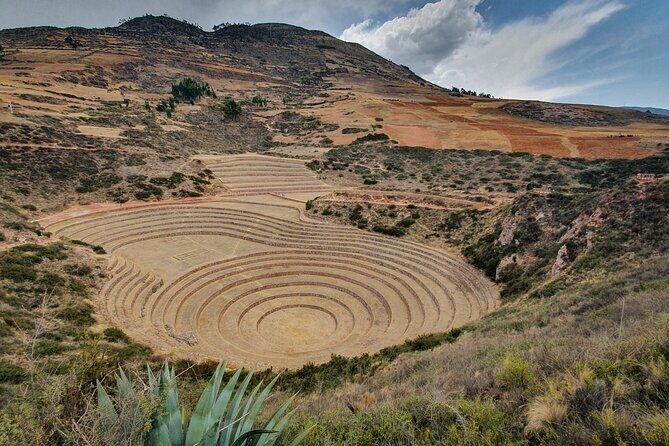
You’ll visit Parque de la Papa, also called Potato Park. This is a rural community effort that helps preserve hundreds of varieties of native potato. You walk through the park and learn about potato cultivation and traditional weaving, and how these practices connect to Andean culture. That’s the kind of stop that adds meaning to the trip beyond sightseeing.
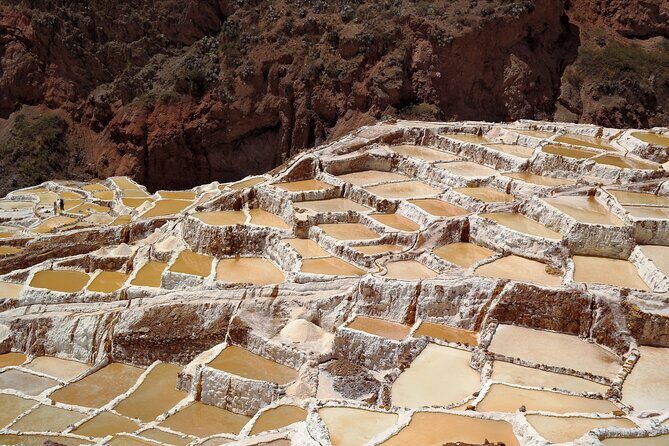
You also visit Ollantaytambo and Pisac, both famous for their Inca-era planning and architecture. The day includes a meal at the Parwa Community Restaurant in Huchuy Qosqo, which gives you a local setting rather than a generic tourist-only environment.
One note: this is an 8-hour day. It’s not a quick hop, so bring your patience for roads and timing. If you’re prone to getting tired on long drives, plan for that reality and keep your evenings calm afterward.
Day 4: Machu Picchu with guided highlights and a train return
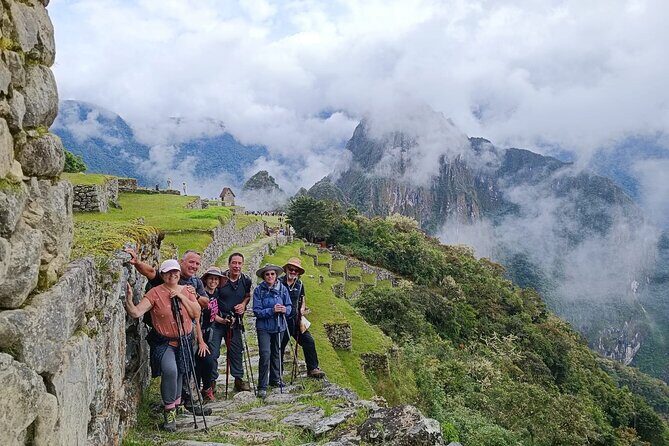
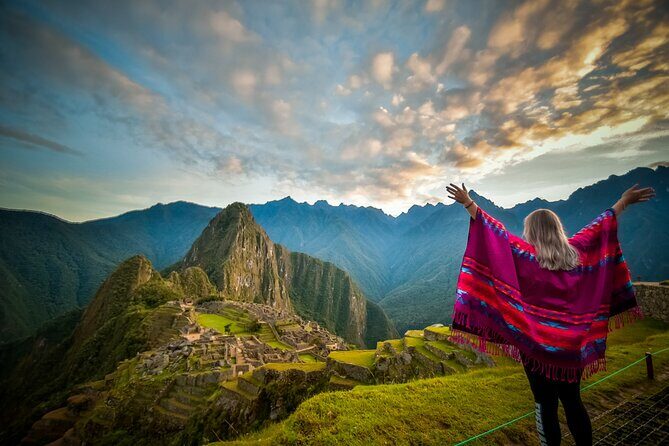
Day 4 is the main event: Machu Picchu. You go by train back to Cusco after the site visit, which helps you avoid some of the most stressful logistics people run into when they try to do Machu on their own.
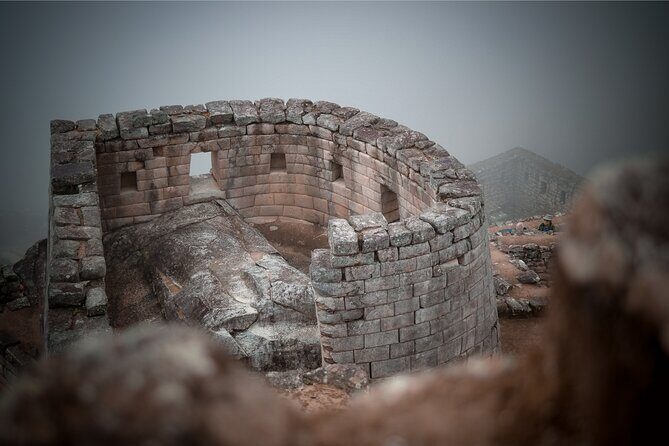
Once you’re at Machu Picchu, your local expert leads you through the iconic areas. You’ll see temples and palace-like spaces, terraces, and the Temple of the Sun. The tour also covers the House of the Priest, the Sacred Plaza, and the Intihuatana, a carved rock that likely served as a sundial.
You’ll be taken through the UNESCO World Heritage site with guided explanation, then you return to Cusco by train. I like the structure here because it keeps the experience grounded in what you’re looking at, instead of turning everything into random wandering.
The biggest consideration is time and energy. Machu Picchu is visually intense, and it helps to pace yourself instead of racing from point to point. Also, even though the Machu Picchu admission ticket is listed as free, you should still budget for any optional add-ons you might want beyond what’s included.
Day 5: Humantay Lake with an early drive and a hike to turquoise views
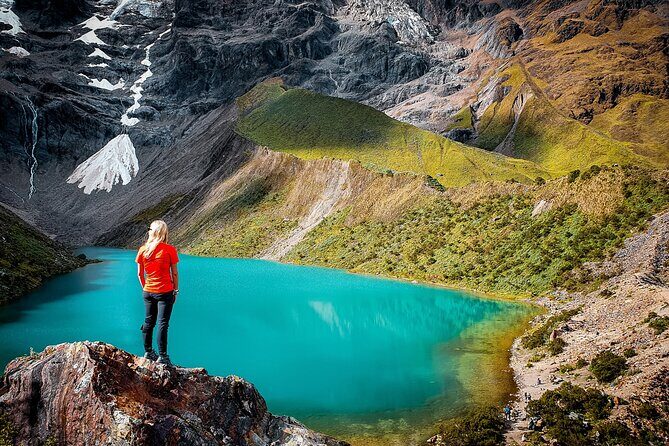
Day 5 shifts from ruins to mountains. You start with a morning car ride along the Mollepata valley, passing fields and steep slopes, then you reach Humantay Lagoon.
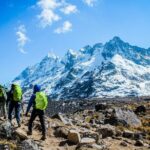
You’ll do a picture-friendly hike to the glacial lagoon and take in the Cordillera de los Andes mountain range views. The description for Humantay emphasizes that it was unknown until people explored and recommended it, which matches what many visitors feel: you’re not just ticking off a famous name, you’re landing in a place that still feels like it has room to breathe.
This day is “exhilarating” by design. It’s an 8-hour outing, and the main payoff depends on your comfort with a hike.
If you want max comfort, you may find the hike pace a little more active than you expected. But if you’re okay with effort for scenery, this is one of the more memorable days.




Day 6: Tipón, Pikillaqta, and Andahuaylillas, also known as the Sistine Chapel
Day 6 goes east of Cusco and focuses on Inca-era sites plus one that predates them.
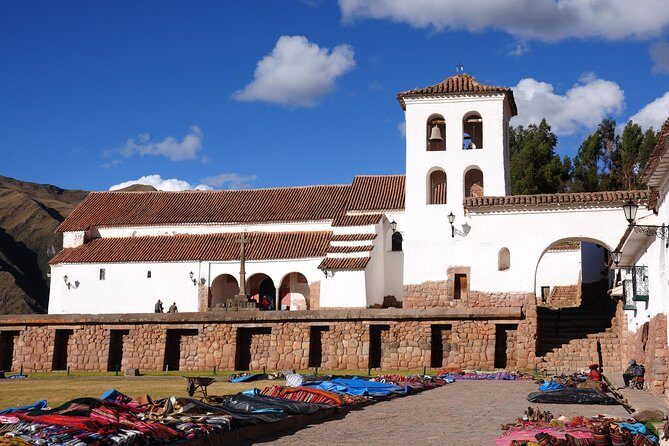
You start with coffee from the region, then head out to Tipón, known for its Incan architecture. After that, you visit Pikillaqta, a pre-Incan city with notable walls and an impressive layout. This pairing matters because it avoids the single-era trap. You’re seeing a timeline, not just one style.
The most famous church stop on the day is Andahuaylillas, where you’ll see decorations often called the Sistine Chapel of America. That nickname signals how much artistic detail is packed into the stop, and it’s a good contrast after all the outdoor stonework.
You return to Cusco in the afternoon, which gives you time to reset. This is also a day where having your guide matters, because these sites make more sense when someone points out how the places were designed for society and belief, not just beauty.
The only drawback to watch for is that this day is still long. If you’re already feeling travel-tired, protect your evening and avoid planning something late.
Day 7: Vinicunca (Color Mountain) with early van ride, LLactoc, and a farewell dinner
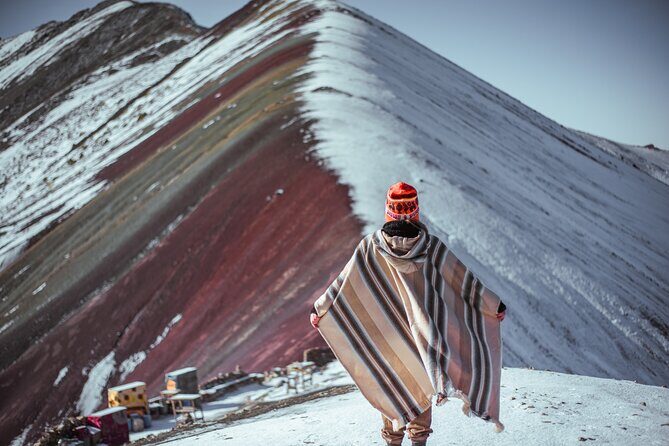
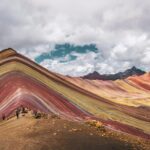
Day 7 is another “big-scenery” day. You drive early and head toward Vinicunca, on the western slope of the Vilcanota Mountain Range.
The day begins with van travel from Cusco to Cusipata Village, where you get a buffet breakfast overlooking the farmlands. Then you continue onward to LLactoc, which is presented as the start of the adventure. Along the way, you pass Andean villages and agricultural platforms from Inca times, plus fertile valleys and rolling mountain areas.
Vinicunca’s fame is described as relatively recent, tied to snow melting and revealing the mountain’s colorful look quickly. So this stop has a sense of discovery mixed with crowds people bring once a place gets talked about.
The day ends with a farewell dinner with your travel companions in a traditional restaurant. That final meal can be the best low-key moment of the trip, because you’re not just doing sights. You’re processing the days together.
The main consideration is that it’s an early start and an all-day outing. If mornings are hard for you, you’ll want to plan a calm bedtime and pack what you’ll need the night before.
Day 8: Easy airport transfer and your options after the tour
On the last day, you transfer to Alejandro Velasco Astete International Airport after breakfast. From there, you connect with your flight home or extend your holiday.
I like that Day 8 is straightforward. It reduces the chance you’ll feel stressed about timing at the end of a long trip.
If you have extra time, Cusco is a logical place to add days, because you already got the big hits. You’ll also have leftover neighborhoods and viewpoints you might want to revisit at a slower pace.
Price and value: what $1,098 covers (and what it doesn’t)
At $1,098 per person for about 8 days, the price is in the “mid-to-upper” zone for Peru circuit travel. But it earns its keep when you look at what’s included.
What’s clearly included:
- Guided activities through the major highlights across Cusco, Sacred Valley, and the day trips
- Admission tickets included for several key days
- Lunch (3) included
- English-speaking service and pickup offered
- Machu Picchu admission listed as free, and the tour includes the guided site time plus train return
What’s not included:
- Alojamiento (lodging)
- Airfare to and from Peru
- Tips or gratuities
- Meals on your own beyond the included lunches
So the real value question for you is: are you also paying separately for hotels and flights? If yes, the tour price looks different, and you’ll want to factor that into your total budget.
Also consider group size. They list a maximum of 10 travelers, which often means a more conversational pace and less chaos than big-bus group tours. One guest noted a group of 15 in their experience, so it’s smart to confirm the group cap for your dates.
The guiding style that comes through in the details
This tour leans hard on guidance. The itinerary is packed with named places, and those places are easier to enjoy when someone can explain them in clear, human terms.
In guest feedback, the guide named Vigner shows up again and again for being responsible and committed, with a lot of knowledge and a warm, patient approach. People also specifically call out attention to detail and kindness. That matters because Cusco days can be fast. If your guide is organized, you spend less time worrying and more time actually seeing.
There’s one more practical takeaway from feedback: a couple of guests noted minor issues with hotel details, nothing serious. Since lodging is not listed as included here, I’d treat that as a reminder to choose accommodations carefully and read recent notes if you’re booking yourself.
Who this Cusco highlights tour is best for
This fits best if you want:
- A structured Cusco-to-Machu-into-nature circuit
- English guidance with a focus on cultural explanations
- Big highlights without trying to piece together every transfer yourself
It may feel less ideal if you:
- Want lots of free time every day
- Prefer a slow travel pace with minimal driving and walking
- Are looking for lodging and airfare bundled in one price
One more practical flag: the tour expects moderate physical fitness. Humantay Lake and Vinicunca both require you to do more than sit. If you’re unsure, pick routes and shoes based on your own comfort, not on bravado.
Should you book this 8-day Cusco Highlights tour?
If your goal is to hit the essential Cusco storyline and still get two nature days, I’d say it’s a strong pick. The mix of Qorikancha + Saqsayhuaman, a full Sacred Valley day with Potato Park, and Machu Picchu guided time is exactly the combo most people end up wishing they could experience in one trip.
I’d only hesitate if you hate early starts, don’t want hikes, or you’re hoping lodging and flights are handled for you. If you already plan those parts well, the tour’s built-in admissions, lunches, and organized pacing make it feel like real value, not just a list of stops.
FAQ
How long is the Cusco 8-day highlights tour?
It’s listed as 8 days (approx.).
Where does the tour start and end?
Day 1 starts at Alejandro Velasco Astete International Airport in Cusco, and Day 8 ends with a transfer back to the same airport.
Is airport pickup included?
Pickup is listed as offered.
Does the tour include meals?
Lunch is included 3 times. Meals on your own are not included.
Is lodging included in the price?
No. Alojamiento (lodging) is not included.
Is airfare included?
No. Airfare to and from the destination is not included.
What language is the tour offered in?
The tour is offered in English.
How many people are in a group?
The tour lists a maximum of 10 travelers.
What fitness level do I need?
The tour notes a moderate physical fitness level.
What’s the cancellation refund timeline?
You can cancel up to 6 days in advance for a full refund. Cancellation rules depend on how many days before the experience you cancel (full refund at least 6 full days before start time; partial refund in the 2–6 day window; no refund under 2 days).