REVIEW · CUSCO
4 Days Inca Jungle to Machu Picchu Standard
Book on Viator →Operated by Conde Travel · Bookable on Viator
Machu Picchu starts way before sunrise. This 4-day Inca Jungle route out of Cusco strings together jungle hiking, mountain biking, and river time, so the famous ruins feel like the reward instead of the only highlight. You finish with a guided visit at Santuario Historico de Machu Picchu, with a real chance to catch the early light.
Two things I like a lot: first, the variety. You’re not stuck doing one thing all day—you bike through rural valleys, walk through high forest, and only then shift into the Machu Picchu vibe. Second, the human factor. The tour is built around a private bilingual guide specialized in this route, and that matters on days when you’re moving fast—guides like Jonathan and Carlitos are mentioned for keeping everyone safe and on track.
One consideration: the trip is active and the price doesn’t cover every extra. Rafting, zip-line, the bus from Aguas Calientes to Machu Picchu, and the last day’s food are not included. Also, some logistics can be stressful if your timing expectations don’t match reality—so go in flexible, not fragile.
In This Review
- Key Takeaways
- A Jungle-to-Machu Picchu Route That Actually Feels Like a Trek
- The Physical Reality: Moderate Fitness, Lots of Steps, Real Elevation
- Day 1: Conde Travel, Abra Málaga by Bike, and Santa María River Time
- Day 2: High Forest to Inca Carcel, Cocalmayo Hot Springs, and Santa Teresa
- Day 3: Santa Teresa to Aguas Calientes via Hydroelectric, Waterfalls, Coffee, and Zip-Line Choice
- Day 4: Sunrise Chance at Machu Picchu, Guided Sanctuary Time, and the Return Route
- Price and Logistics: What Your $455 Actually Buys
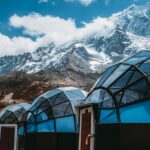
- Lodging and Food: Basic Comfort in Remote Places
- What to Pack for the Inca Jungle Days (and What You Can Skip)
- Who This Tour Fits Best (and Who Might Struggle)
- Should You Book This 4-Day Inca Jungle to Machu Picchu Tour?
- FAQ
- What time does the tour start?
- How many people are in the group?
- Is rafting included in the price?
- Is zip-line included?
- What meals are included?
- Where do you sleep each night?
- Is a passport required for booking?
- Can I cancel and get a refund?
Key Takeaways
- Active, mixed-terrain days with biking, hiking, and a Machu Picchu finish
- Small-group feel (max 15) plus a bilingual professional guide
- Value comes from lodgings and meals, but key thrill add-ons cost extra
- High-forest nature and Inca sites show up more than once, not just on the last day
- Pack for jungle reality: bugs, humidity, and uneven schedules
A Jungle-to-Machu Picchu Route That Actually Feels Like a Trek
This is the kind of trip where the destination isn’t the whole story. You’re moving through the valleys and cloud forest that surround Cusco, then gradually shifting from jungle energy to Inca-ruins focus. The best part is the pacing of the experience: each day has a clear “active thing” (bike, hike, relax, walk, then tour Machu Picchu) rather than a long day of transfers.
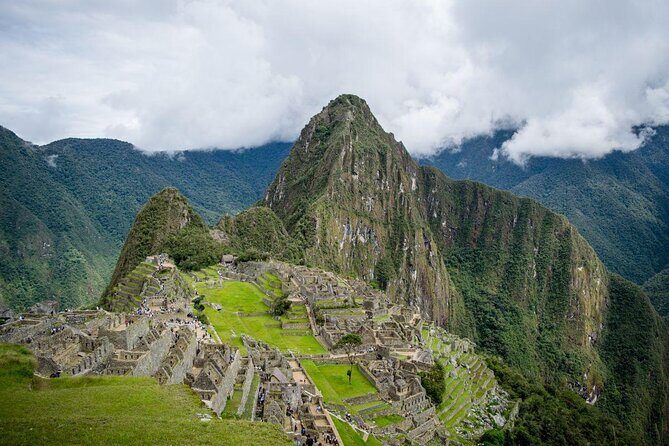
What I think makes this route compelling for most people is the logic of it. You don’t just travel toward Machu Picchu—you build up to it. By the time you arrive in Aguas Calientes and then head into the sanctuary area, Machu Picchu feels earned. And because you get a guided visit (about two hours), you’re not left staring and guessing.
You can also read our reviews of more tours and experiences in Cusco
The Physical Reality: Moderate Fitness, Lots of Steps, Real Elevation
This tour asks for moderate physical fitness, and it’s not just a “gentle walk” itinerary. You’ll be biking for hours on day 1, hiking for multiple hours on several days, and doing long “get there” segments that include stairs and uneven paths. The good news is that guides manage the pace to keep the group together—one review specifically praised how the pace stayed doable for everyone, even with non-runners in the mix.
Elevation also plays a role. Day 1 starts around Abra Málaga (4350 m), which you’ll feel quickly even if you’re fit. Plan to take it easy when you first arrive, sip water, and don’t treat the first descent like a downhill race.
Day 1: Conde Travel, Abra Málaga by Bike, and Santa María River Time
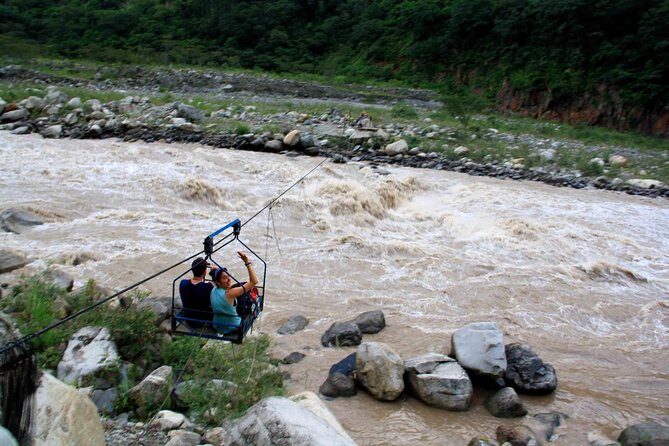
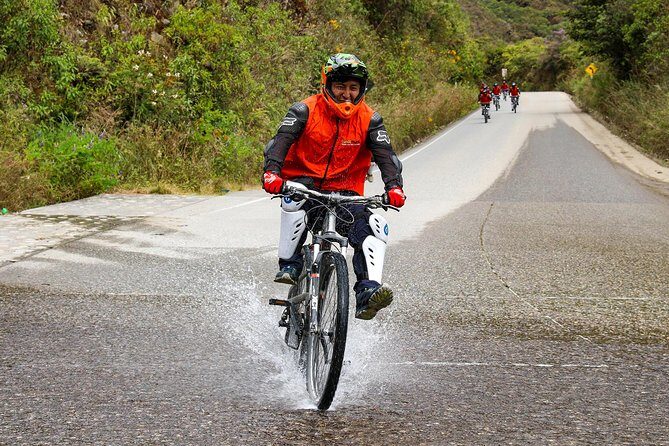
Day 1 is about getting out of Cusco’s orbit and into “roads you don’t normally take.” After breakfast, you travel through villages and scenery toward Abra Málaga, then start the big biking stretch. This is a real moment: biking downhill for about 3 hours, threading through rural areas, rivers, orchards, and streams until you reach Huamanmarca.
Huamanmarca is also where you should think practically. Water and snacks are available if you want to top up, but don’t assume you’ll be buying everything you need. Day 1 is long, and you’ll feel better if you start with the basics covered (and yes, you’ll likely get dusty).
After the bike, you reach the town of Huayro and enjoy lunch. Then a private bus takes you toward Santa María, which sets up the rafting segment. Your river day is paired with the transportation rhythm of the tour—meaning you’re not responsible for finding logistics between activities. One important detail for planning: the rafting activity isn’t included in the base price, so if rafting is a must for you, confirm how it’s handled and when you’ll pay.
Even if rafting ends up being optional for you, this day still has value. You get views and movement, and you stop building the “Machu Picchu only” expectation too early.
Day 2: High Forest to Inca Carcel, Cocalmayo Hot Springs, and Santa Teresa
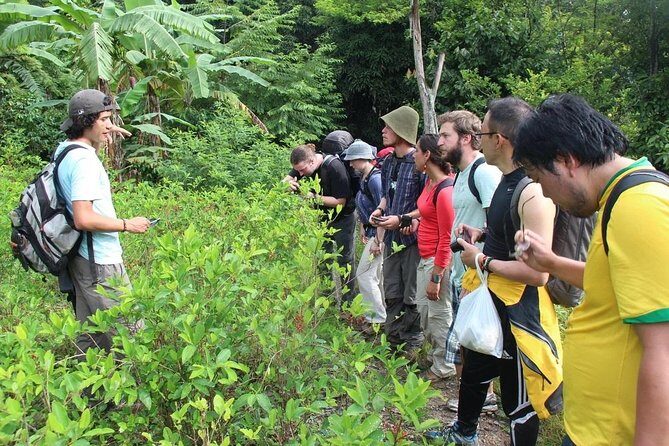
Day 2 is where the Inca-jungle story gets more specific. After breakfast, private transportation takes you to Pasto Grande, where you start walking for about 4 hours along a high-forest trail.
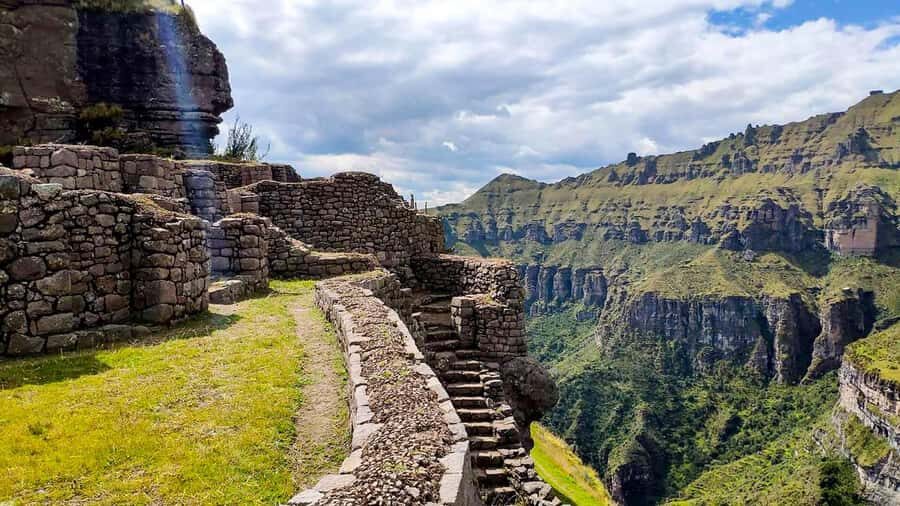
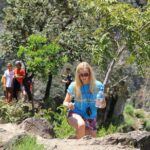
This part is famous for biodiversity vibes—orchids, birds, small coffee and cocoa plantations, and lots of plant life. You’re not just trekking for exercise; you’re walking through an ecosystem you can see and feel. You also pass the archaeological center of Inca Carcel, which is tied to the idea of punishment and rule-breaking in Inca society. Your guide explains what you’re looking at, and the stop functions as a break point where you can rest and recharge before continuing.
Then comes a nice “fuel stop” rhythm: lunch in the area of Pumachaca, described as made with fruits and tubers, followed by a walk toward the hot springs of Cocalmayo.
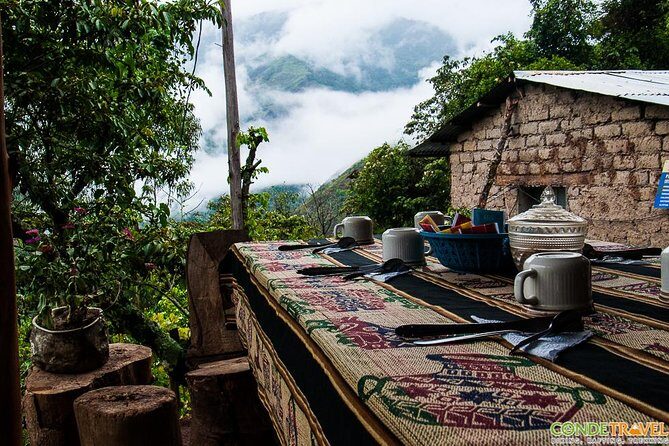
Hot springs can be a genuine morale saver on day 2. Your muscles are tired, humidity is real, and you’re about to travel deeper toward Santa Teresa. The dataset says admission for the hot springs stop is included (for about 30 minutes), but the “not included” section also mentions it may be pay-on-site. That tells me you should confirm the exact inclusion before you arrive on the day of the hot springs, so there are no surprise payments.
You end in Santa Teresa, with lodging described as hostel-style, including Wi-Fi and hot water. That matters here: it’s one of the few times you’ll get a bit of normal connectivity and comfort.
Day 3: Santa Teresa to Aguas Calientes via Hydroelectric, Waterfalls, Coffee, and Zip-Line Choice
Day 3 starts by taking you from Santa Teresa toward the hydroelectric area, which is the common meeting point for the whole group.
Here’s a key detail: the tour gives a split choice depending on what you reserved. Passengers who reserved in advance do a zip-line, then later take a bus to the hydroelectric, while the rest hike for about 3 hours until they reach the same meeting point. If you’re thinking about doing zip-line, this is where you plan it.
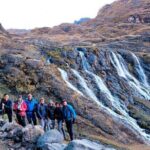
After everyone reunites near the hydroelectric, you get lunch and then continue on a 3-hour path with waterfalls and passes through coca and coffee farms before arriving in Aguas Calientes.
Expect the day to feel busy even if the hiking blocks are time-boxed. It’s the kind of route where you trade “stillness” for “movement,” and you’re always about to do the next thing.
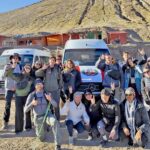
By around 4 pm, you’re taken to your hostel in Aguas Calientes. For the base itinerary, your hotel nights here are described as having private bathrooms and hot water—a big deal in this region. At night, the group gets together at a restaurant for dinner and a briefing about Machu Picchu.
A note from real-world experience: one review called out that Wi-Fi may be absent for stretches of the trek. So don’t count on being connected the whole time.
Day 4: Sunrise Chance at Machu Picchu, Guided Sanctuary Time, and the Return Route
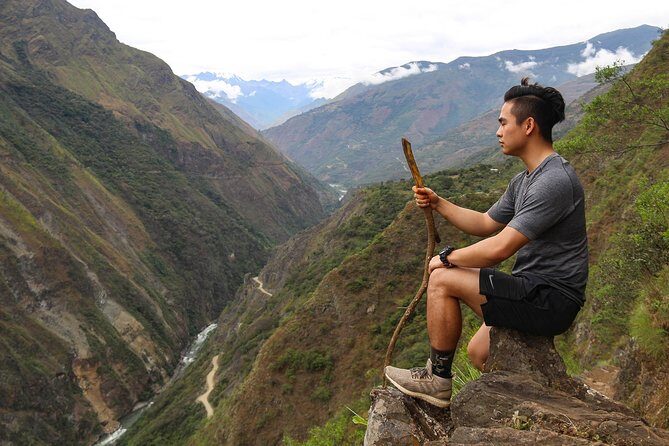
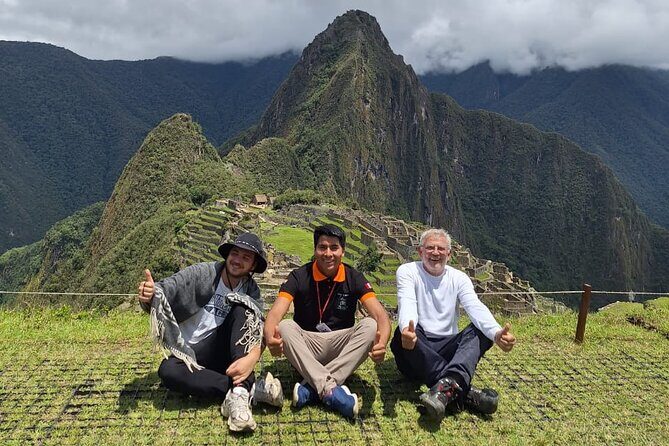
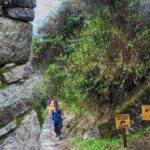
Day 4 is early. You’ll get up early to head to Machu Picchu along an ascending route through high forest. You might catch sunrise if conditions and timing line up. Either way, the morning feel matters—cooler air, less crowd pressure, and that “first sight” moment that makes the whole trip make sense.
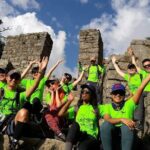
Your guide shows you Machu Picchu for about two hours at Santuario Historico de Machu Picchu. After that, you’re free to enjoy Machu Picchu on your own. This combo is smart: you learn what you’re seeing, then you still get time to roam without hearing a speech for every step.
Then comes the trade-off part. You return by walking about two hours from Aguas Calientes to the hydroelectric area, and then you take a bus at 3 pm back to Cusco, arriving around 9:00 pm. It’s a long day, even if Machu Picchu is the emotional peak.
There is also an option if you want more time in the Machu Picchu area. The tour mentions you can spend one extra night in Machu Picchu town for $30 extra, then return the next day. That extra day can also be used if you want to climb Huayna Picchu or Machu Picchu Mountain. The key is that the base experience will end with an evening return to Cusco.
Price and Logistics: What Your $455 Actually Buys
Let’s talk value in a straight line. At $455 per person for roughly 4 days, you’re paying for more than “a ticket to Machu Picchu.”
Included in the package:
- Guide: a private bilingual professional guide specialized in the tour
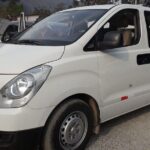
- Transport: from Cusco toward the trail areas, plus return by bus from the hydroelectric to Cusco
- Gear: mountain bikes, helmets, and gloves
- Lodging (3 nights): one night at Conde Ecolodge (shared room), one night at a hostel in Santa Teresa, and one night at a hostel in Aguas Calientes (private bathrooms and hot water)
- Meals: breakfast 4 times, lunch 3 times, dinner 3 times
- First aid: a complete first aid box
- Briefing the evening before departure
Not included extras you should plan for:
- Rafting
- Zip-line
- Bus from Aguas Calientes to Machu Picchu
- Last day lunch and dinner
- Tips
- Huayna Picchu or Machu Picchu Mountain (not in the base price)
- Llactapata (listed as optional with a minimum of 2 persons and an added cost)
- Cocalmayo hot spring is noted in one place as possibly payable on site, so confirm what’s included
Some reviews praised organization and safety. Others reported unclear logistics and extra expenses not clearly explained ahead of time. That’s the main reason I’d call this a “check before you go” tour. If you confirm what’s included for your exact booking, the value can be excellent. If you assume everything adventure-related is bundled, you might feel surprised.
Lodging and Food: Basic Comfort in Remote Places
This tour doesn’t market itself as a luxury jungle hotel run, and that’s fine. Your nights are described as practical:
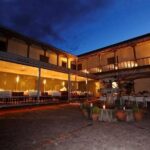
- Conde Ecolodge for night 1, with shared rooms
- Santa Teresa hostel for night 2 with Wi-Fi and hot water
- Aguas Calientes hostel for night 3 with private bathrooms and hot water
Food is mostly included early and mid-trip: lunches and dinners come through on day 1 through day 3, plus breakfasts. One review specifically said the food was amazing, and another mentioned vegetarian options may be limited when you’re eating with families in remote areas. So if you have dietary restrictions, don’t just rely on the word “vegetarian.” Ask how meals are handled for your group.
What to Pack for the Inca Jungle Days (and What You Can Skip)
Pack for mud, bugs, and sweaty layers. Based on real trip advice and what this route typically involves, I’d bring:
- Bug spray (don’t be shy)
- Swim trunks (especially if rafting is on your list)
- Sunscreen
- Flip flops (useful for hostel time and quick comfort)
- Light jacket (cool mornings and early starts)
- Head lamp (helpful for early waking and dark hostel mornings)
- A small day pack and don’t overpack—carry weight matters on hikes
Also plan for water discipline. There’s an opportunity to buy water and snacks near Huamanmarca, but you’ll feel better if you’re not forced into last-minute purchases.
Who This Tour Fits Best (and Who Might Struggle)
This trip is a great fit if you want:
- A small-group experience (maximum 15)
- An active route with a mix of biking, hiking, and nature
- A guide who can explain what you’re seeing, not just point at it
- A Machu Picchu visit with a guided orientation first, then free time
It may be less ideal if:
- You prefer fully inclusive pricing with zero pay-onsite extras
- You hate early mornings and long travel days
- You want more downtime between activities
Age-wise, one review included a couple turning sixty who still did it with friends from a range of ages. That suggests the route can work when you take it steadily and listen to your guide. But if your mobility is limited, you should be cautious.
Should You Book This 4-Day Inca Jungle to Machu Picchu Tour?
I’d book this if you want an active, guided path to Machu Picchu that uses the jungle days as part of the story. The combination of biking gear provided, a specialized bilingual guide, and multiple included meals plus lodgings can make the value feel solid. If you love variety—bike today, hot springs tomorrow, Machu Picchu on day four—you’ll probably have a great time.
I would hesitate if you’re extremely price-sensitive on the “extras” side, because rafting, zip-line, the Aguas Calientes to Machu Picchu bus, and some altitude options like Huayna Picchu are not included. Also, if you need very tight schedule certainty, be aware that a small number of past experiences flagged delays or unclear logistics. The solution is simple: confirm exactly what you’re paying for before you go, and keep your expectations flexible.
FAQ
What time does the tour start?
The meeting start time is 5:00 am.
How many people are in the group?
The tour has a maximum of 15 travelers.
Is rafting included in the price?
Rafting is not included in the listed inclusions, so you should expect to pay for it separately.
Is zip-line included?
Zip-line is not included in the listed inclusions.
What meals are included?
Breakfast is included 4 times, lunch is included 3 times, and dinner is included 3 times. The last day’s lunch and dinner are not included.
Where do you sleep each night?
Night 1 is at Conde Ecolodge (shared room). Night 2 is at a hostel in Santa Teresa. Night 3 is at a hostel in Aguas Calientes with private bathrooms and hot water.
Is a passport required for booking?
Yes. Passport name, number, expiry, and country are required at booking.
Can I cancel and get a refund?
No. This experience is non-refundable and cannot be changed for any reason.