REVIEW · CUSCO
6-Day Cusco Andean Private Tour with Hotel Included
Book on Viator →Operated by Viajes Amantra · Bookable on Viator
Machu Picchu is obvious; the route isn’t. This private, hotel-included 6-day Cusco to Machu Picchu itinerary keeps the logistics tight, with private transportation plus included hotels so you can spend your energy looking at stonework instead of schedules.
I love that day 2 turns Cusco into a living museum: cathedral, Sun Temple ruins, and fortress-meets-ceremony stops all with entry tickets handled.
The one thing to consider: this is a full program with lots of sites in a short time. If you want a slow, sleepy pace every day, you might feel it.
In This Review
- What makes this itinerary work for real life
- Cusco Day Tour: Cathedrals, Sun Temple Walls, and Fortress Views
- Sacred Valley by Private Vehicle: Pisac’s Terraces and Ollantaytambo’s Urban Design
- Train + Bus Logistics to Aguas Calientes: Less Stress, More Time for the Moment
- Machu Picchu Day: Guided 2–3 Hours, Then Explore at Your Own Speed
- Maras Salt Wells + Moray Terraces: Salt Evaporation and an Inca “Lab”
- Hotels, Transfers, and Meals: What’s Actually Included (and why it matters)
- Price and Value: Is $940 Worth It for This Many Moving Parts?
- Who Should Book This Private Tour (and who should slow down)
- Useful Meeting Point Info and Day-By-Day Reality Check
- Should You Book It?
- FAQ
- What’s included in the tour price?
- How do you get to Machu Picchu from Cusco?
- Is there time to explore Machu Picchu on your own?
- Which stops are covered besides Machu Picchu?
- Are entrance tickets included?
- Where do you meet for the tour?
- Can you change or get a refund if you cancel?
What makes this itinerary work for real life
- A guided Cusco circuit with multiple Inca-colonial fusion sites plus timed site visits
- Private vehicle travel through the Sacred Valley for a calmer, door-to-door feel
- Round-trip train planning between Ollantaytambo and Machu Picchu/Aguas Calientes included
- Machu Picchu with a guide and free time (guided 2–3 hours, then explore on your own)
- Maras and Moray added on day 5, after returning from Aguas Calientes
Cusco Day Tour: Cathedrals, Sun Temple Walls, and Fortress Views
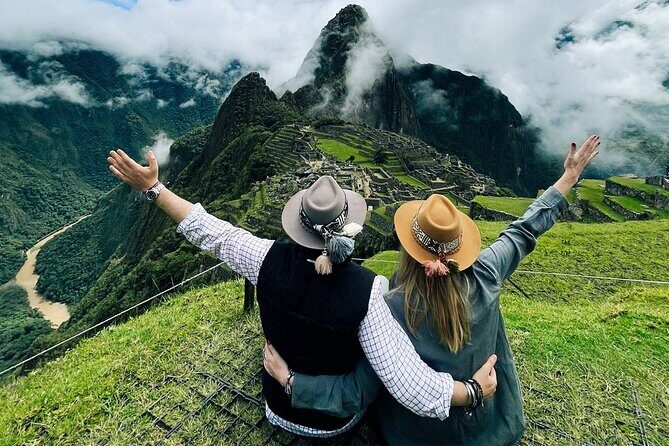
Day 2 is where Cusco really flexes. Instead of one stop and a coffee break, you get a packed arc through sites that show how Spanish and Inca worlds collided.
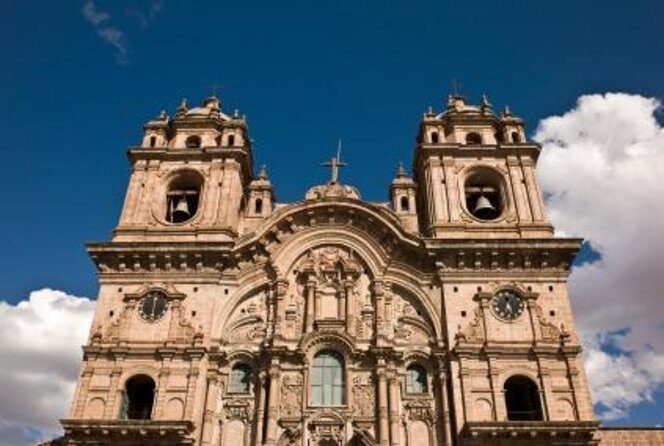
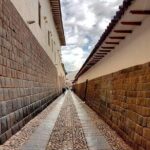
You start at the Cusco Cathedral, built on the earlier Inca palace of Viracocha. What I like here is the layered architecture: Renaissance, Baroque, and Plateresque elements sit right on top of older Inca foundations. You’ll see religious art and altars decorated with gold leaf—exactly the kind of fusion that makes Cusco more than a base town.
Next is Qorikancha, the Inca’s most important Sun Temple. The story is simple and powerful: it was dedicated to the Sun, famously connected to gold-faced walls, and after the conquest, the Church of Santo Domingo was built on those foundations. Even if you’re not into church interiors, the spot is about place and transformation—how a sacred Inca center became a colonial one.
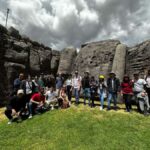
Then the tour shifts into big scale Inca engineering at Sacsayhuaman. You’ll get to see enormous megalithic stone walls fitted without mortar (some stones reportedly up to 300 tons). The zigzag design and high location also mean panoramic views over Cusco, which makes this stop feel like both history and lookout.
After that comes a run of smaller, more specific archaeological sites on the outskirts:
- Q’uenqo’s rock-cut amphitheater and ceremonial canals
- Puka Pukara’s reddish stone walls and defensive feel
- Tambomachay with its ceremonial fountains and hydraulic systems, tied to water rituals
A practical note: these are timed visits (often around 40–50 minutes each). You’ll move, you’ll walk, and you’ll want comfortable shoes and a light plan for photo pauses. If you’re the type who wants to stare at one wall for 30 minutes, balance that instinct with the pace of the day.
You can also read our reviews of more private tours in Cusco



Sacred Valley by Private Vehicle: Pisac’s Terraces and Ollantaytambo’s Urban Design
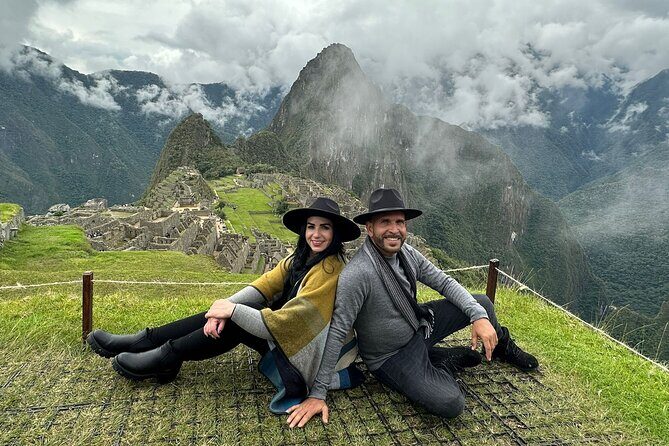
On day 3, you trade Cusco streets for Sacred Valley views and a more open rhythm. You ride in a private vehicle toward Pisac (about a 1-hour journey), then spend about 2 hours at Pisac itself.
Pisac is famous for agricultural terraces, but the real payoff is the way the ruins sit in the working landscape—temples, astronomical observatory references, and ceremonial enclosures. It also connects archaeology with everyday culture because Pisac includes an artisan market feel. If you’re hoping for one place where you can learn and browse without feeling rushed, this is a good candidate.
After Pisac, the next stop is Ollantaytambo. Here, you’re not just looking at ruins—you’re seeing Inca urban planning in a place that still makes spatial sense. The guide focuses on terraces, water canals, and temples, and the big engineering detail is that massive stones were assembled with precision. The site also works as a transition point: after the guided visit, you head onward by train to Aguas Calientes.
That “transition point” part matters. If you’ve ever tried to piece together trains, local buses, and entrance timings on your own, you know how quickly it becomes a stress test. This itinerary keeps the day moving toward Aguas Calientes so you arrive with less scrambling.
Train + Bus Logistics to Aguas Calientes: Less Stress, More Time for the Moment
The core of the Machu Picchu experience isn’t only the ruins. It’s also how you get there.
After your Ollantaytambo visit, you continue by train to Aguas Calientes for your hotel night (included). Then on Machu Picchu day, you’ll take a bus from Aguas Calientes up to the sanctuary entrance (around 30 minutes). After the visit, you take the bus back to town for another roughly 30-minute ride.
What I like about this setup is that it separates the hard part into built-in chunks:
- Train carries you to the right base town
- Bus handles the steep final climb timing
- Your guided visit and free time are scheduled inside that structure
You’re not left trying to coordinate multiple tickets mid-trip. The result: you can plan your day around actually being at Machu Picchu, not around chasing transport windows.
Machu Picchu Day: Guided 2–3 Hours, Then Explore at Your Own Speed
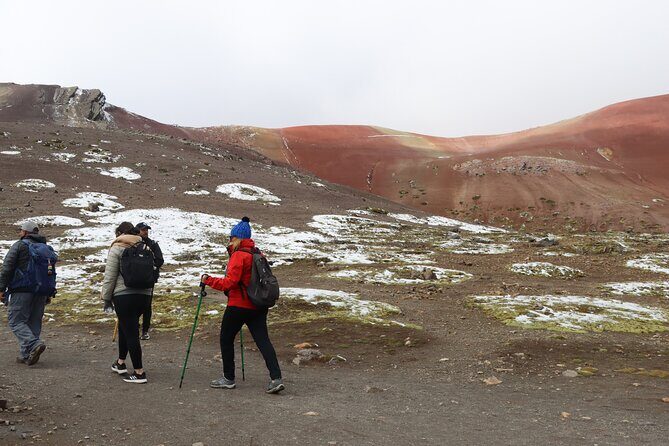
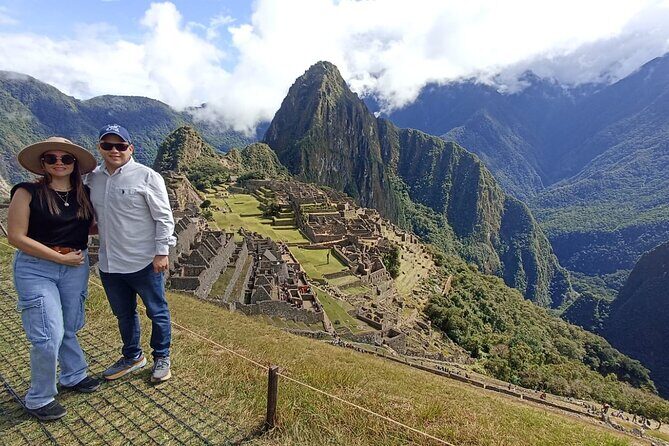
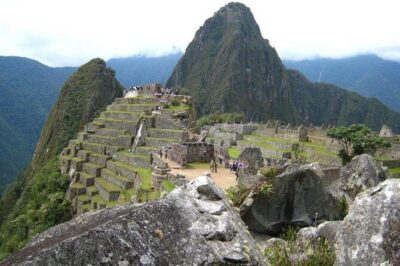
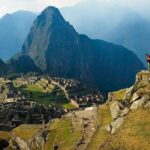
Day 4 is the big one: Santuario Historico de Machu Picchu.
The day starts with the bus ride (about 30 minutes). Once you reach the entrance, you get an expert guided tour typically lasting 2–3 hours. The guide’s job here is to make the site readable—where you are, why certain structures exist, and what the architecture is telling you.
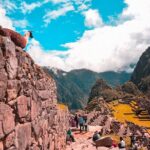
After the guided portion, you get free time to explore on your own. I really like this balance. A guide gives you the map for meaning. Free time lets you slow down for your own favorite angles, whether that’s doorways, terraces, or the views from key viewpoints.
One more detail that’s easy to miss: the included tickets cover entry to Machu Picchu and also Llapta Machu Picchu. That matters because it reduces the chance you’ll arrive and then discover you’re missing access to a specific included area.
At the end of the day, you return by bus to Aguas Calientes and have that evening space for downtime. Even if you’re excited, that “recovery” window is smart. It keeps Machu Picchu from turning into a nonstop sprint.
Maras Salt Wells + Moray Terraces: Salt Evaporation and an Inca “Lab”
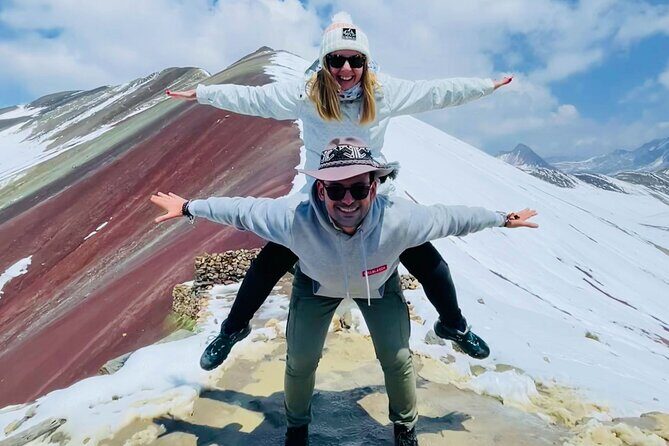
Day 5 adds two stops that feel different from the fortress-and-temple theme of earlier days.
You start with breakfast at your Aguas Calientes hotel. Then you take the train back to Ollantaytambo. After that, you have lunch in the Sacred Valley (included), and then your afternoon shifts to Maras and Moray.
Salinas de Maras is the salt evaporation terraces complex, with more than 3,000 salt wells stacked on tiered terraces. The result is a very visual, almost patterned landscape view where the color and geometry are the feature. The town of Maras also brings colonial charm—narrow cobblestone streets and traditional architecture—so it’s not only a photo stop. It’s a place to slow down and look around for a bit.
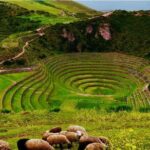
Moray is the other kind of fascinating: circular terraces that descend in levels. The idea is that it functioned like an agricultural experiment zone, using climate variation across levels to test crops. You’ll spend about 1.5 hours here, which is enough time to understand the concept without feeling like you’re speeding through.
Together, Maras and Moray give you contrast. You’re seeing Inca ingenuity in two forms: one tied to production and landscape, the other tied to systematic experimentation.
You can also read our reviews of more tours and experiences in Cusco



Hotels, Transfers, and Meals: What’s Actually Included (and why it matters)
This is marketed as hotel-included, and the “package” part is real.
You get:
- Hotel for 3 nights in Cusco
- Hotel for 2 nights in Aguas Calientes
- Breakfasts (5) and lunches (3)
- Transfers airport → hotel → airport
- Private transportation to all places to visit
- Official tourism guide
- Entrances for Cusco city tour, Sacred Valley, Maras, Moray, and Machu Picchu
- Round-trip train tickets Ollantaytambo ↔ Machu Picchu (via Aguas Calientes)
- Bus tickets Aguas Calientes ↔ Machu Picchu ↔ Aguas Calientes
Why this matters: Cusco and the Sacred Valley involve altitude, timing, and frequent small logistical decisions. When hotels and key transport are handled, you lose less time to “what’s next?” and you spend more time reacting to what you see.
Also, because it’s a private tour, you’re not sharing the vehicle with strangers. That usually improves comfort and makes the experience feel less like a production line.
Price and Value: Is $940 Worth It for This Many Moving Parts?
At $940 per person, this isn’t a budget add-on. But it can feel like good value depending on your style.
Here’s the value math in plain terms:
- You’re paying for private transportation across Cusco and the Sacred Valley
- You’re paying for Machu Picchu logistics (train round-trip + bus up/down included)
- You’re paying for hotel nights (3 in Cusco + 2 in Aguas Calientes)
- You’re paying for entrance tickets and a guide through multiple major sites
- You’re paying for meals (5 breakfasts + 3 lunches)
If you tried to buy all of that separately, the cost usually doesn’t fall neatly, and the biggest risk is stress: missed reservations, mismatched timing, or having to troubleshoot transport when plans shift.
The other side of the equation is expectations. This itinerary is structured and full. You’re not buying “flexible wandering.” You’re buying a plan that hits the key icons: Cusco city circuit, Sacred Valley ruins, Machu Picchu guided visit, and Maras/Moray. If that’s your goal, the price becomes easier to justify.
Who Should Book This Private Tour (and who should slow down)
This fits best if you:
- Want private guiding and transport
- Like having major logistics handled for you
- Prefer a guided “meaning first, time later” approach at Machu Picchu
- Are okay with a moderate fitness level, since you’ll be moving through archaeological sites with walking and uneven terrain
It might not be the right pick if you:
- Want a very relaxed pace with fewer transfers and fewer sites per day
- Get easily overwhelmed by busy schedules (because day 2 and Machu Picchu day are both time-focused)
Useful Meeting Point Info and Day-By-Day Reality Check
The start point is Plaza Regocijo (Cusco). The tour ends back at the meeting point too.
A realistic day-by-day expectation:
- Day 1 is arrival + airport to hotel transfer, so you’re not thrown into museums immediately.
- Day 2 is a full Cusco city circuit with multiple stops and included entries.
- Day 3 is Sacred Valley + train onward to Aguas Calientes.
- Day 4 is Machu Picchu with guided time plus independent exploring.
- Day 5 is train back + lunch + Maras and Moray.
- Day 6 is simply goodbye: hotel transfer to the Cusco airport.
If your trip includes health or mobility limitations, it’s smart to communicate early. Service feedback for this company includes a willingness to adjust plans when needed, which can matter on a route like this.
Should You Book It?
Book this tour if you want a smooth, guided route that locks in the hardest logistics: hotels, trains, buses, guides, and entry tickets. For many people, that’s the difference between remembering Machu Picchu and worrying about how to get there.
Skip or rethink if you want long, slow days or you know you’ll struggle with a packed schedule. The itinerary is full by design.
If your priority is hitting the big Andean highlights with less planning strain, this is a strong choice.
FAQ
What’s included in the tour price?
The tour includes airport transfers (airport–hotel–airport), private transportation, guided tours for Cusco, the Sacred Valley, Machu Picchu, Maras, and Moray, round-trip train tickets Ollantaytambo–Machu Picchu–Ollantaytambo, bus tickets up and down between Aguas Calientes and Machu Picchu, an official tourism guide, entrance tickets for the listed attractions (including Llapta Machu Picchu), 3 nights in Cusco, 2 nights in Aguas Calientes, and breakfast (5) plus lunch (3).
How do you get to Machu Picchu from Cusco?
You travel from Ollantaytambo to Aguas Calientes by train, then take a bus from Aguas Calientes up to the Machu Picchu entrance and back.
Is there time to explore Machu Picchu on your own?
Yes. The Machu Picchu visit includes a guided tour (about 2–3 hours) and then you have free time to explore afterward.
Which stops are covered besides Machu Picchu?
You’ll do a Cusco city tour (including Cusco Cathedral, Qorikancha, Sacsayhuaman, Q’uenqo, Puka Pukara, and Tambomachay), a Sacred Valley day (Pisac and Ollantaytambo), and then Maras and Moray.
Are entrance tickets included?
Yes. Entrance tickets are included for Machu Picchu, Sacred Valley, Cusco city tour stops, Maras, and Moray, and there’s also entry to Llapta Machu Picchu included.
Where do you meet for the tour?
You start at Plaza Regocijo in Cusco, and the activity ends back at the meeting point.
Can you change or get a refund if you cancel?
No. This experience is non-refundable and cannot be changed for any reason.