REVIEW · CUSCO
Horseback Riding & Ancestral Secrets: Moon Temple & Inka Sites
Book on Viator →Bookable on Viator
Riding with purpose beats another ruin tour. In Cusco, you join a small-group horseback ride to the Temple of the Moon and Inka sites, led by Arnold and Franco with careful coaching. I love that you meet the horses first and can match with one that fits your comfort, and I love how the guide’s storytelling ties the stops to living Andean cosmovision.
The main drawback to plan around is that the tour requires good weather, and it is not recommended if you weigh over 100 Kg / 220 Lbs.
In This Review
- Key highlights worth caring about
- Why this Cusco horseback ride feels different
- Meeting your horse first with Arnold and Franco
- Temple of the Moon: fertility rites and a quieter kind of wonder
- Inkilltambo (and Chuki Marka) for panoramic views with context
- How the ride works: choosing walk, trot, or canter
- Timing, pickup, and where to meet in Cusco
- Price and value: what $60.50 buys you
- Who should book, and who should think twice
- Should you book Horseback Riding & Ancestral Secrets in Cusco?
Key highlights worth caring about
- Meet-and-match your horse before you ride so you feel confident on your mount
- Walk, trot, and canter based on your comfort with attentive guidance
- Temple of the Moon plus Inka sites with a less-crowded, calmer feel
- Small group size (max five) for real personal attention
- Hassle-free pickup and drop-off in Cusco, starting and ending near Plaza Regocijo
Why this Cusco horseback ride feels different
This is one of those half-day activities that doesn’t try to cram in every landmark. Instead, it gives you time with the rhythms of the Andes: the horse under you, the guide beside you, and sacred places that still feel active with meaning. The big win for me is the pace. You’re not just passing ruins while rushing between selfies.
Two things shape the whole experience. First, the group stays tiny, so you actually get guidance and can ask questions without feeling like you’re in the way. Second, the ride is designed for different comfort levels, so first-timers can start at a walking pace and people who want more can work up to faster sections. You’ll get the chance to move from slow and steady to trot and canter, without the tour turning into a stress test.
You also get the spiritual angle, not as vague talk, but as practical explanation of Andean rites and how people have understood the land for a long time. That matters because it changes how you look at the stones. They stop being just scenery and start becoming part of a worldview.
You can also read our reviews of more tours and experiences in Cusco
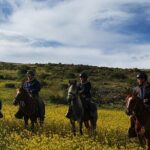
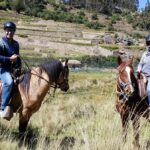
Meeting your horse first with Arnold and Franco
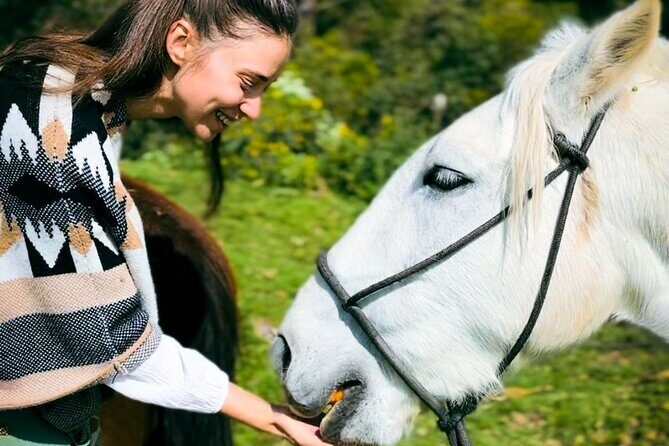
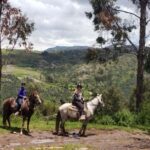
You don’t hop on and hope for the best. The guides (Arnold, with help from Franco) take time to introduce the horses before you mount. That simple step gets you thinking like a rider fast: you learn the basics, you feel the temperament, and you get a say in which horse fits you.
In the reviews, this is one of the most praised parts of the experience. People talk about how Arnold is patient, how he checks in on comfort, and how the horse selection feels intentional rather than random. I like that approach because it makes safety feel personal. You’re not lumped into a single beginner plan, even if you’re new.
It also helps that the horses seem genuinely well cared for. Multiple riders mention how calm and responsive the mounts are, and how they enjoy the trails. That shows in how the ride flows. You get more time to watch the surroundings, and less time bracing for surprises.
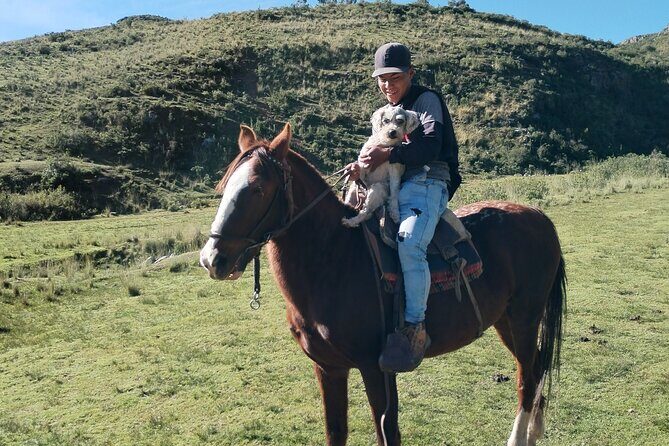
A few extra touches stand out too. Helmets are offered, and at least some riders mention they were happy to use one when going a bit faster. And on at least one ride, two dogs follow along like trail chaperones, which is oddly charming and keeps the day feeling like a small family operation rather than a production line.
Temple of the Moon: fertility rites and a quieter kind of wonder
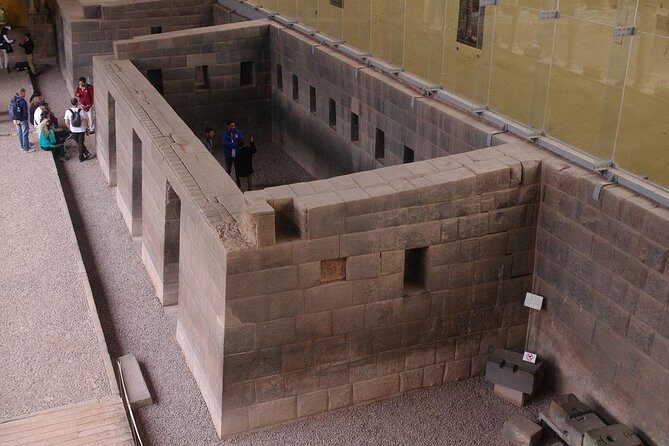
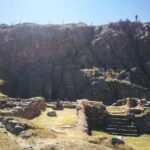
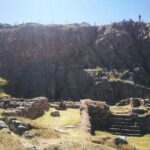
The ride includes a stop at the Cusco Moon Temple, a sacred place connected with fertility and ancient rites. What you’re really doing here is shifting from the modern city mindset into the Andean one. You’ll hear explanations that help you understand why people cared for this spot, and why the meaning hasn’t just faded with time.
The guide’s storytelling is key. Instead of only describing what you see, Arnold frames it in a way that makes the site feel connected to ongoing cosmovision. Riders specifically mention how he’s able to explain abstract belief in terms that feel understandable, not academic or forced. That’s the difference between a lecture and an experience.
There’s also a practical side to the “spiritual” angle: the slower, less crowded approach. The tour is designed to skip the biggest crowds, so you’re not squeezed between constant groups. That gives you space to stand, look, and actually notice small details in the terrain and how the site sits in the view.
If you’re expecting something like a museum visit, you might be surprised. This feels more like guided time outdoors, with meaning layered in. The stones and the sky do most of the work, and the guide helps you read the scene.
Inkilltambo (and Chuki Marka) for panoramic views with context

After the Moon Temple, you continue to Inkilltambo, plus areas along the route such as Chuki Marka. This portion of the ride is where the day opens up visually. You’re out in the mountains close enough to feel the altitude reality, but far enough from Cusco to get that sense of stepping into older space.
Inkilltambo is tied to the Inka world, and the guide’s focus stays on context. You’ll hear how the sites relate to Andean beliefs and how the land was understood beyond just geography. People mention that the cultural explanations feel integrated into the stops, not pasted on after the photos.
Chuki Marka is singled out in the tour description for panoramic views, which is exactly what you want during a half day like this. You get a chance to look far, then rotate your attention back to what the land might have meant to people who lived there long before. Those moments are the ones that stick.
One small drawback to keep in mind: panoramic viewpoints can mean cool wind. Bring layers. Even when the sun is strong, the higher air can change how you feel fast—especially when you’re paused on a mountaintop.
How the ride works: choosing walk, trot, or canter
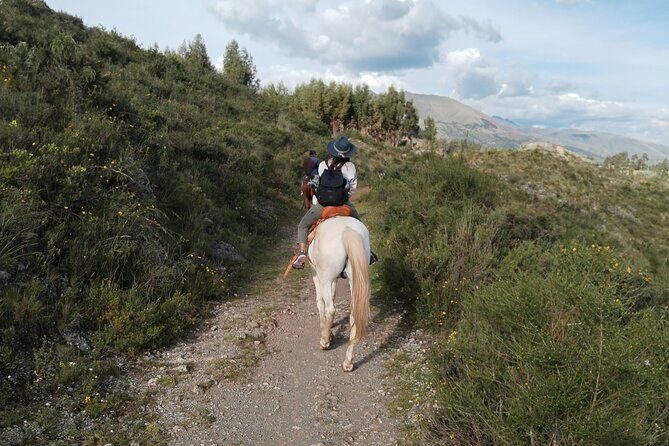
This tour is built for mixed riders. You don’t need experience. You do get instruction, and you get matched with a horse that fits your comfort level. In the reviews, this comes up again and again: the guides pay attention to each person’s ability and nervousness, and they don’t push anyone into faster riding than they’re ready for.
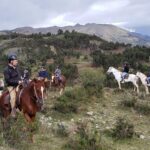
The ride also has flexibility. You can expect sections that start calmer—walking and basic control—then progress for people who want more into trot and canter. Some riders mention being able to get to a canter and even higher pace during certain sections, but the key is that the guide stays attentive and adjusts based on your comfort.
A few smart practical notes for you:
- Listen carefully during instruction. A short explanation at the start can save you from confusion later.
- If you’re new, expect your body to feel the rhythm more than your hands do. Let the horse set the pace.
- Helmets are offered. If you feel uncertain or want an extra layer of comfort, taking one is a reasonable move.
Because the group is tiny, the guide can do this kind of individualized pacing without the whole schedule falling apart. That’s a real value point, not just a nice-to-have.






Timing, pickup, and where to meet in Cusco
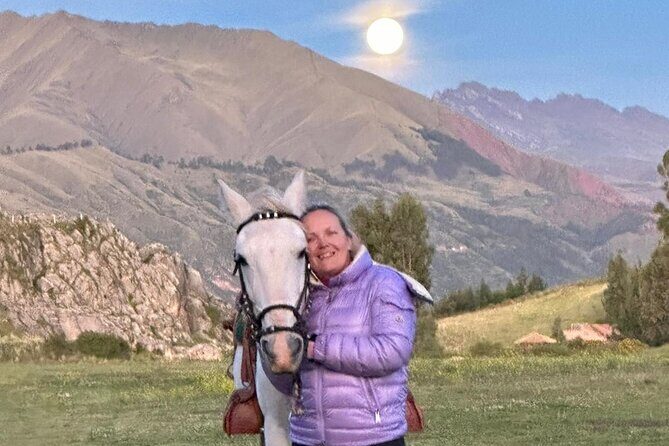
The tour runs about four hours, and it’s timed as a half-day experience. You’ll start at Plaza Regocijo area and end back there. The biggest convenience is that pickup and drop-off are handled in Cusco, which saves you from figuring out taxis and scrambling with timing on a tight schedule.
In the reviews, riders mention smooth transitions from hotels near central Cusco—often a short ride, then you’re back out into quieter mountain space. That matters for anyone who’s feeling the altitude. Less time spent commuting can help you start the ride with more energy and less stress.
The tour is also designed to be close to public transportation, which is helpful if your lodging isn’t right near the hotel pickup zone. Still, the door-to-door approach is the easiest way to make the day simple.
Price and value: what $60.50 buys you
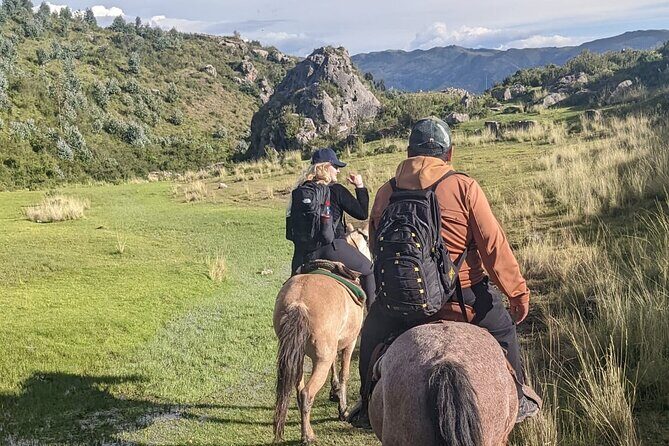
At $60.50 per person for about four hours, the value depends on what you want. If you only care about seeing ruins from a bus window, this will feel expensive compared with cheaper sightseeing. But if you want an experience that combines movement, culture, and a smaller, calmer setting, the price makes more sense.
Here’s why I think it’s fair:
- You get instruction plus horse matching, which isn’t usually included in generic sightseeing.
- You’re not stuck in crowds. That creates real breathing room around sacred sites.
- You get two Inka-focused stops plus time outdoors, not just a single quick photo stop.
- The small group size means more attention per person, especially for first-time riders.
Also, it’s popular. People often book about a month in advance, so if your Cusco dates are fixed, plan early to avoid last-minute scrambling.
Finally, you’re paying for guide quality and care. Arnold and Franco are repeatedly described as attentive, communicative, and patient with all rider levels, which is the difference between a fun ride and an awkward one.
Who should book, and who should think twice
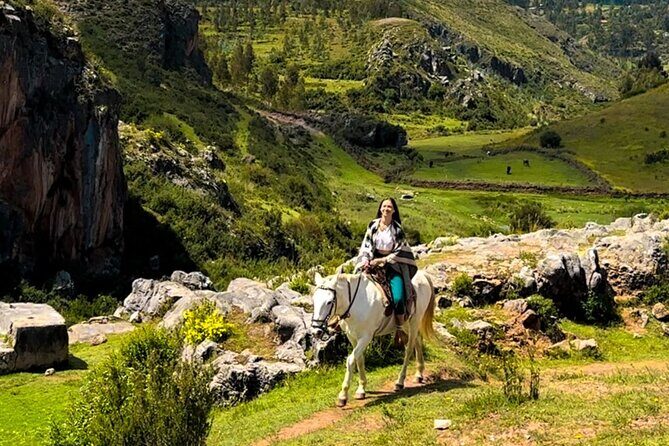
This tour is a great match if you:
- Want a half-day activity that feels active, not passive
- Are a beginner rider and want clear help
- Enjoy cultural context tied to what you’re seeing
- Prefer smaller groups and less crowded site time
It’s also a good option for people traveling as couples, solo, or with older kids, based on how the ride is paced and how the guides tailor the mount selection. Some riders even describe it as a highlight for ending a trip in Peru because it’s memorable without taking an entire day.
Think twice if:
- You’re over 100 Kg / 220 Lbs, since the tour isn’t recommended at that weight
- Weather is unstable during your dates, since the experience requires good conditions
- You have limits on time outdoors at altitude. The tour is only four hours, but it’s still in the mountains and you’ll be exposed to cool air and sun depending on timing
If you’re sensitive to altitude, do what Arnold suggests and reach out ahead of time for altitude adjustment tips. A quick message can help you plan how you’ll pace yourself that day.
Should you book Horseback Riding & Ancestral Secrets in Cusco?
Yes, I’d book it if you want your Cusco day to feel personal, calm, and meaningful. The biggest selling points are the horse meet-and-match approach, the way the guides tune the pace to your comfort, and the focus on Andean rites at places like the Temple of the Moon and Inkilltambo.
Skip it only if you’re looking for a high-volume sightseeing checklist or you’re not comfortable with time outdoors in mountain conditions. Otherwise, for a first ride or a fun cultural half day, this one has strong reasons to make it onto your short list.