REVIEW · CUSCO
4-Day Machu Picchu , Sacred Valley and Cusco-Private Guided Tour
Book on Viator →Operated by Valentins Pachamama Journeys · Bookable on Viator
Peru can feel like a puzzle. This private 4-day plan turns it into a smooth route from Cusco to the Machu Picchu sunrise experience, with Sacred Valley stops that add real context to what you’re seeing. You get a full day-by-day rhythm: hands-on culture early, big ruins in the middle, and a Cusco orientation at the end.
I especially love how the itinerary mixes showpiece sights with slower, human moments. In Chinchero, you watch weaving using Inca dyeing and patterns, and at the Sacred Valley farm you see how food and drink life (yes, including chicha) connects to daily work. I also like that the Machu Picchu visit is paired with a local guide, so the site isn’t just “pretty views” but a place with systems, buildings, and meaning.
One possible drawback: you’ll be moving early and often. Day 2 starts around 5:00 am, and Peru Rail has a strict small-daypack rule for the train to Aguas Calientes—so you’ll want to pack light and accept a bit of schedule pressure.
In This Review
- Key highlights you’ll feel on the trip
- A fast plan from Cusco to sunrise Machu Picchu
- Chinchero weavers, Maras salt mines, and Moray’s Inca lab
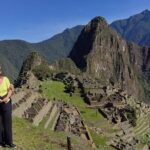
- Machu Picchu at sunrise: private guide plus Inti Punku option
- Ollantaytambo ruins, a Sacred Valley farm stop, then Pisac terraces
- Cusco orientation tour: markets, Coricancha, Tambomachay, Pukapucara, and Sacsayhuaman
- Price and what you’re really paying for
- Logistics that matter: altitude, timing, and packing light
- Who this private Cusco and Machu Picchu tour fits best
- Should you book this 4-day Cusco, Sacred Valley, and Machu Picchu tour?
- FAQ
- Is Machu Picchu included with a private guide?
- What time is pickup in Cusco?
- What’s included in the price?
- Do I need the Boleto Turístico?
- How much luggage can I bring on the train to Aguas Calientes?
- Is the experience refundable if I cancel?
Key highlights you’ll feel on the trip
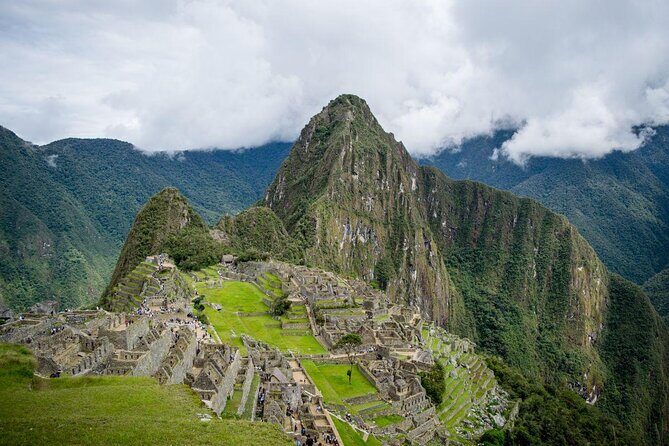
- Sunrise at Machu Picchu with a private guide and a 2-hour in-depth tour
- Chinchero women’s weaving cooperative, with Inca-style dyeing and traditional patterns
- Maras salt mines + Moray for the Inca’s salt and agricultural “lab” logic
- Ollantaytambo + Pisac for ruins and terraced views in the Sacred Valley
- Chicha and farm life stop in the Sacred Valley, with guinea-pig feeding (yes, really)
- Valentin and Kenny’s logistics support, especially helpful when plans change
A fast plan from Cusco to sunrise Machu Picchu
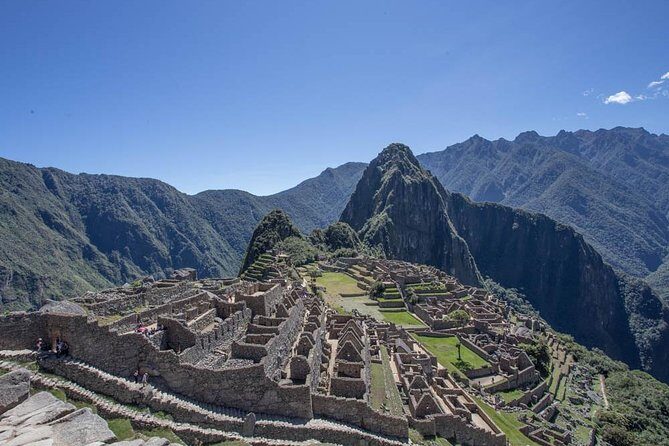
This is the kind of private tour that makes Peru feel doable. Instead of you juggling buses, ticket lines, and “which order makes sense,” you’re on a guided route built around altitude, timing, and travel constraints. That matters a lot here because the country’s wow moments don’t happen on your schedule—they happen on theirs.
The pacing also helps. Day 1 is culture plus Inca engineering experiments (salt and farming). Day 2 is the big star—Machu Picchu at sunrise—followed by a return to the quieter side of the valley. Then you round it out with Ollantaytambo, Pisac, and a Cusco tour that gives you a map for the next time you wander on your own.
This route also has a practical advantage: it keeps your “window of effort” focused. Machu Picchu requires early planning, while Cusco’s key sights are easier to fit later. You end with Cusco’s Plaza de Armas, cathedral area, Coricancha (Temple of the Sun), and the fortress-like Sacsayhuaman—so by then you understand why the Inca built where they built.
You can also read our reviews of more guided tours in Cusco
Chinchero weavers, Maras salt mines, and Moray’s Inca lab
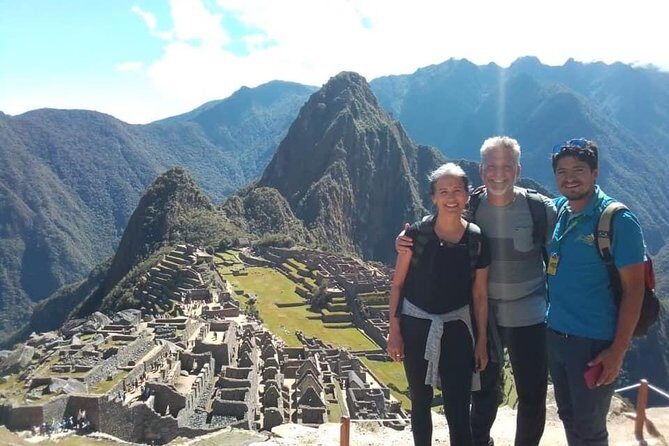
Day 1 starts with a drive through the mountains and farmlands—exactly the kind of scenic background that helps you understand the Sacred Valley’s layout. You head to Chinchero first, where the tour takes you to a women’s weaving cooperative. You don’t just see finished products; you watch a demonstration of local weavers using Inca techniques for dyeing fabric and creating traditional patterns.
Why I like this stop: weaving in the Andes is not only craft. It’s a living system tied to how people read color, plant life, and seasonal rhythms. You’ll feel it more because the guide connects what you’re watching to the bigger Inca story—how knowledge gets carried through hands-on work.
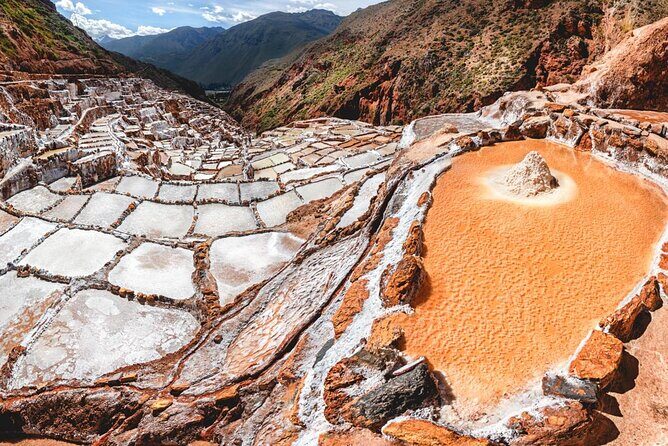
Next up: Maras, the salt mines. This is one of those places that’s visually simple but historically impressive. The salt is harvested through evaporation from an underground stream—used since pre-Inca times—so you’re seeing a technique that survived regime changes. After that comes Moray, where you look down at the concentric circles that the Incas used as an agricultural laboratory. The “why this looks weird” moment is part of the fun: those circles were built to test conditions for crops.
Lunch is in Urubamba, and then you continue toward Aguas Calientes in the late afternoon. You’ll want to treat this as a reset day. Between altitude and early starts coming later, it’s smart to get your body ready for sunrise rather than sprinting for extra activities at night.
Machu Picchu at sunrise: private guide plus Inti Punku option
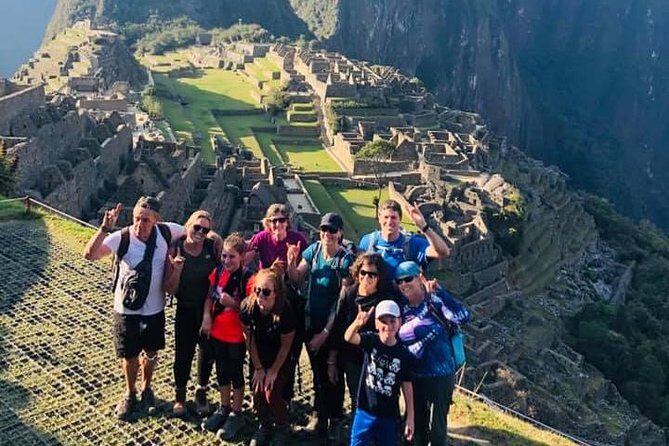
Day 2 begins early—about 5:00 am—because sunrise at Machu Picchu is the point of this trip’s timing. The idea is simple: beat the later crowds and get that first-light feeling when the site looks less like a postcard and more like a place people built to endure.
You’ll have an in-depth guided tour for about 2 hours. This matters because Machu Picchu isn’t just one scene; it’s a working layout. A good guide helps you connect terraces, pathways, and key structures into a story you can actually track while you walk.
There’s also an optional hike to Inti Punku (Sun Gate). If you’re up for it, it’s a classic way to extend the experience with a bit more exertion and a strong sense of arrival. If you’re not feeling it, you still get the core guided circuit—no one has to force their way through.
One more practical note: Machu Picchu visits are tied to transport schedules. After you return from the site area, you take the train back to Ollantaytambo. Then you’re transferred to your hotel for a calmer night. The tour uses this structure to keep you from turning into a travel zombie on Day 3.
Ollantaytambo ruins, a Sacred Valley farm stop, then Pisac terraces
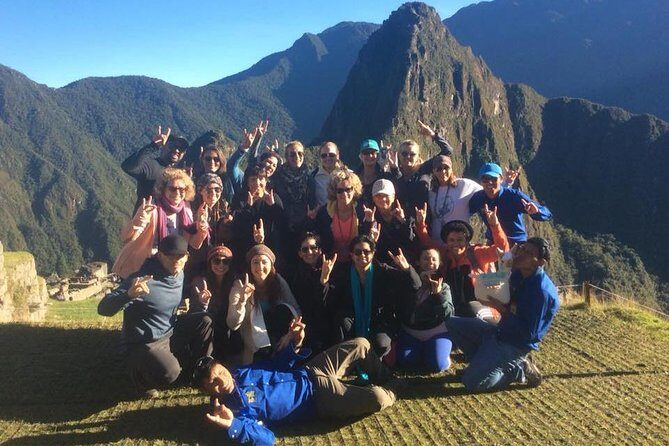
Day 3 keeps moving, but it’s a “moving with meaning” kind of day. After breakfast, you tour Ollantaytambo, including the Inca emperor Pachacutec’s lodging area and later role as a checkpoint meant to protect roads to Machu Picchu from invading Spaniards. Ollantaytambo is special because it’s not just ruins; it’s a town’s DNA. Even the stonework makes you feel how stubbornly this place has held on.
From there, you drive about 20 minutes to Yanahuara for a farm visit in the Sacred Valley. This is where the tour gets delightfully hands-on. You tour the farm lands, cut alfafa to feed guinea pigs, and see first-hand how chicha is made. If you’ve only ever had chicha as a line on a menu, this version makes it make sense—because you see the inputs and the process, not just the final cup.
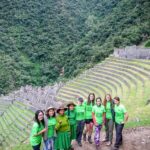
Then you head to Pisac, where you visit terraced Inca ruins high on the mountain and also stop at a local handicraft market. The terraces are the kind of sight that keeps teaching you: water control, slope use, and practical building choices. And the market is a chance to slow down and shop without feeling rushed.
You finish with a private transfer to your hotel in the Sacred Valley area (the tour mentions Tierra Viva or similar, rated at about 3-star). It’s the right kind of lodging choice for this itinerary: comfortable enough to recover, not so fancy you feel guilty about wearing hiking shoes indoors.
Cusco orientation tour: markets, Coricancha, Tambomachay, Pukapucara, and Sacsayhuaman
Day 4 is for getting oriented in Cusco so you don’t just “see” buildings—you understand their position and why they mattered. You start with pickup from your hotel and a private tour around Plaza de Armas, including a local market tour, the main cathedral area, and Coricancha, the Temple of the Sun.
I like this approach because it helps you connect Cusco’s layout to Inca planning. Markets, churches, temples—these aren’t random stops. They sit on top of layers of history, and the guide can point out how people used the space then and how they use it now.
After lunch, the tour heads to Tambomachay, the Inca temple of the water, then Pukapucara, a ceremonial place. You end with Sacsayhuaman, an UNESCO World Heritage site—part fortress, part monumental stonework statement.
The day wraps with accompanying you back to your hotel. That’s useful because Cusco can be a little chaotic if you’re trying to do it solo right after walking all morning. Here, you end the tour with your bearings better than when you started.
You can also read our reviews of more private tours in Cusco

Price and what you’re really paying for
At $1,330 per person for about four days, this tour isn’t “budget cheap.” But it’s not only paying for sightseeing. You’re paying for a system: private transfers, a local professional English-speaking guide, hotel stays in Aguas Calientes and another night in the Sacred Valley/Cusco area (the tour lists 1 night in Aguas Calientes plus other accommodations depending on your Day 2/Day 3 setup), and all breakfasts.
You also get lunch included, plus you’re not left scrambling for the details that can derail a tight schedule—especially on Day 2 with sunrise timing and train movements.
What’s not included is the Boleto Turístico. The tour notes a few versions: one price covers entrances to sites like Ollantaytambo, Pisac, Chinchero, Moray, multiple Cusco museums, and Sacsayhuaman; another option covers only some of them. You’ll also need to plan for food and drinks beyond breakfast (and alcohol), plus a single supplement if you’re traveling solo.
My honest take on value: if you’re the type who hates ticket math and schedule anxiety, the private structure pays off fast. If you love DIY planning and don’t mind walking into ticket counters, you could find cheaper options. But this one is built to reduce friction.
Logistics that matter: altitude, timing, and packing light
This itinerary is excellent on paper and still demands smart behavior from you on the ground. Altitude in Cusco and the Sacred Valley can make everything feel harder, especially if you go too hard before Day 2 sunrise.
Two logistics points are worth circling:
- Train to Aguas Calientes has a small-daypack rule. The tour specifically warns that Peru Rail allows only a small daypack. So keep your day stuff minimal. Bring layers you can manage, and keep essentials accessible.
- Early mornings are real. Day 2’s 5 am start and sunrise focus means you’ll want an easy breakfast and a calm mindset the night before.
One more thing that comes up in the way the tour runs: the team takes complicated coordination seriously. In past groups, they’ve managed different arrival times into Cusco airport and handled changing needs without turning the day into chaos. That shows up in how the plan stays tight—pickups, check-ins, and transport are not left to chance.
Also, the tour being private helps a lot if you want fewer “wait for everyone” pauses. A private group means the guide can adjust the pace and timing to your group’s comfort level without slowing everyone down.
Who this private Cusco and Machu Picchu tour fits best
This works best for you if you:
- Want Machu Picchu sunrise with less uncertainty and a guide who can explain what you’re seeing
- Prefer the comfort of private pickup/drop-off instead of figuring out connections
- Like mixing big ruins with local culture stops (weaving in Chinchero, farm life in the Sacred Valley)
It’s especially friendly for groups with mixed needs because the tour’s structure supports on-the-ground assistance. In one case, a mobility-challenged group member needed extra help negotiating uneven terrain, and the team supported the person directly rather than forcing a one-size-fits-all pace.
What might not fit as well? If you want maximum freedom to wander independently every afternoon, a scheduled plan with guided time blocks may feel like training wheels. Also, if you hate early starts, sunrise day is the hardest sell.
Should you book this 4-day Cusco, Sacred Valley, and Machu Picchu tour?
I’d recommend booking if you want a smooth, guided route that hits the big moments without turning the trip into a logistics project. The best reason is simple: Machu Picchu is timed and weather-dependent, and having a plan that’s built around sunrise plus an experienced local guide makes it feel less like luck.
You should think twice if you’re traveling so light you can’t handle a daypack restriction, or if you’re the type who needs late mornings. This itinerary is made for mornings that start earlier than your body wants.
If you’re open to that rhythm, this tour gives you more than a checklist. You get the Inca logic behind salt and agriculture at Maras and Moray, the real-life craft behind Andean textiles in Chinchero, the day-to-day culture of the Sacred Valley farm, and a Cusco orientation that helps you connect the stones to the people.
FAQ
Is Machu Picchu included with a private guide?
Yes. Day 2 includes an in-depth private guided tour of Machu Picchu for about 2 hours, with an option to hike to Inti Punku (Sun Gate).
What time is pickup in Cusco?
The tour lists start time as 8:30 am, with hotel pickup in the morning (the itinerary notes 8:00 am for Day 1 pickup).
What’s included in the price?
Included items are lunch, overnight accommodation in Aguas Calientes on Day 1, a local guide (professional English speaking), hotel pickup and drop-off, round-trip private transfer, 1 night accommodation (based on double occupancy), and all breakfasts.
Do I need the Boleto Turístico?
Yes. The Boleto Turístico is not included. The tour notes specific pricing options that cover different combinations of sites (including Pisac, Ollantaytambo, Chinchero, Moray, Cusco museums, and Sacsayhuaman).
How much luggage can I bring on the train to Aguas Calientes?
Peru Rail allows only a small daypack for the train to Aguas Calientes.
Is the experience refundable if I cancel?
No. The experience is non-refundable and cannot be changed for any reason. If you cancel or amend, the amount paid is not refunded.
If you tell me your travel month and whether you want the Inti Punku hike on Day 2, I can suggest how to pace your daypack and energy level so sunrise feels exciting, not exhausting.