REVIEW · CUSCO
Salkantay Trek to Machu Picchu: 5-Day Adventure Tour
Book on Viator →Operated by Inkas Destination Tour Operator · Bookable on Viator
Machu Picchu starts on day one. This 5-day Salkantay Trek to Machu Picchu gives you big scenery swings, from snowy Andean heights down toward tropical jungle, while a small group (max 10) keeps things manageable. I especially liked the mule support plus included meals, which helps you stay focused on the hike (not your aching backpack). The main drawback: you’ll face early mornings and a serious high pass at about 4,650m—this isn’t a stroll.
By the time you reach Aguas Calientes and go up to Machu Picchu, you’ll feel like you earned every view. I also like that the tour is set up for comfort on the trail—tents, mattresses, kitchen gear, a professional cook, plus a first aid kit and oxygen bottle—so you’re not scrambling to figure things out mid-trek. Just remember the “all-inclusive” label doesn’t cover every extra cost around Machu Picchu and a couple of trail/entry fees.
In This Review
- Key things to know before you go
- Price and value: what $460.52 really covers
- The Cusco-to-trek morning: Mollepata and that 4:30am start
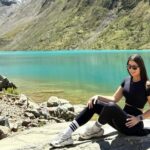
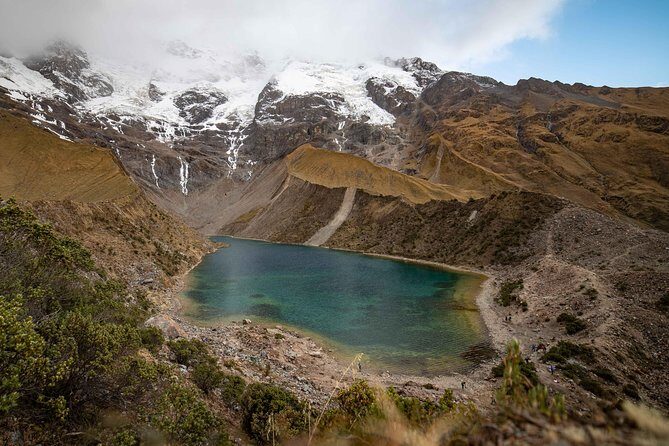
- Day 1: Soraypampa and Humantay Lake’s Andean big moment
- Day 2: Salkantay high pass, snow views, and the long descent
- Day 3: Lluskamayo River, high jungle trails, and a van ride to Santa Teresa
- Day 4: Santa Teresa to Hidroeléctrica, then Aguas Calientes and first Machu Picchu views
- Day 5: Machu Picchu at 4:30am, a guided circuit, and Huayna Picchu if you paid
- Packing and fitness: how to handle cold, sun, and altitude fatigue
- Small-group service: tents, cook, mules, and safety support that actually helps
- The all-inclusive label: where extra fees can still hit
- Who this trek suits best (and who should think twice)
- Should you book the Salkantay Trek to Machu Picchu?
- FAQ
- FAQ
- How long is the Salkantay Trek to Machu Picchu tour?
- What time does the tour start?
- Is the tour suitable for beginners?
- What are the highest elevation points mentioned?
- Are tents and meals included?
- Do you need a sleeping bag?
- How do the mules work?
- What’s included for Machu Picchu?
- Is the train ticket included?
- What extra fees might I need to pay besides the tour price?
Key things to know before you go
- Small group size (up to 10): easier pacing and a more human vibe on a long trek.
- Mules and muleteers included: you can send up to 5kg for free, which matters on steep days.
- Weather changes fast: you’ll go from high cold zones to lower, greener jungle areas.
- High pass day is the centerpiece: the Salkantay climb and views are the signature moment.
- Your Machu Picchu day starts at 4:30am: plan for an early rise and a guided route.
- Extra fees exist: bus up/down to Machu Picchu and certain entrance fees are not included.
Price and value: what $460.52 really covers
At $460.52 per person, this trek sits in the “serious trip” bracket, but it’s not just paying for a guided hike. Your money largely goes toward the hard logistics: transportation in the Cusco area, camp setup, cooking support, and getting you to Machu Picchu with the right tickets.
Here’s what’s included that tends to cost extra on your own:
- A professional guide for the trek and Machu Picchu visit
- Tent, mattresses, cooking and dining equipment (camp setup is handled)
- A professional cook plus mules and muleteers
- Meals: 4 breakfasts, 4 lunches, and 4 dinners
- One night in Aguas Calientes
- Machu Picchu entrance (your circuit depends on what’s available when you reserve)
- Train ticket Machu Picchu to Ollantaytambo
- Transport back from Ollantaytambo to Cusco
- First aid kit and oxygen bottle
Now the honest part: the tour is not “all fees included.” You should budget for:
- Bus up and down to Machu Picchu: $12 per person (this is not included)
- Humantay lake and Salkantay entrance fee: PEN 25 per person
- Sleeping bag: not included
- First breakfast and last lunch: not included
If you compare like-for-like, the trek portion is where you get value. The guided trail, camp setup, and mule support are the big wins. The extra costs are manageable, but they can surprise people who assume everything is fully covered.
You can also read our reviews of more hiking tours in Cusco
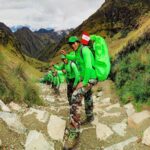
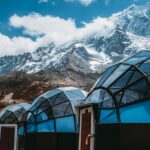
The Cusco-to-trek morning: Mollepata and that 4:30am start
The adventure kicks off early—pickup is around 4:30am, with the stated meeting time also listed at 5:00am. Either way, be ready for an alarm that feels too early even for vacation.
You’ll drive roughly two hours to Mollepata (2,800m). After breakfast, you continue toward Marcocasa village, where you meet the muleteers and mules. This is one of those moments that makes the rest of the trek easier: the team gets your pack system sorted, and you stop thinking about logistics and start thinking about the trail.
Why this matters for you: it helps reduce early-day stress. Instead of trying to coordinate porters and gear yourself, you step into a workflow already built for the trek.
Small practical tip: if you’re bringing a rain jacket, use it at the first hint of mist. High altitude weather shifts quickly, and being damp for hours is not fun.
Day 1: Soraypampa and Humantay Lake’s Andean big moment
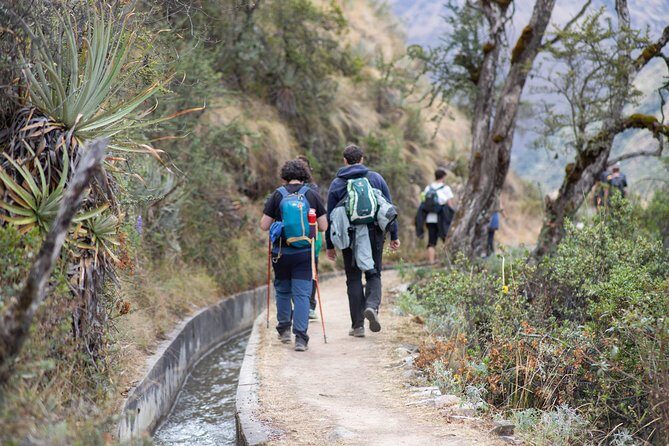
Day 1 is your “settle in and acclimate” day, even though it’s not exactly easy. You hike from Marcocasa toward Soraypampa (3,825m). After about four hours of hiking, you get lunch in Soraypampa, then continue another four hours toward Humantay Lake and the snow mountain. You return to Soraypampa for dinner and sleep.
The altitude is the key challenge here. You’re high enough to feel the air, but not yet at the highest pass. You’ll likely notice your pace slowing naturally. That’s normal. Take it as acclimatization with scenery.
What’s special about this day:
- You get introduced to the Andean scale right away.
- Lunch in Soraypampa breaks up the effort in a way that feels planned, not improvised.
- Humantay Lake gives you a memorable visual anchor before the trek really turns intense.
Possible drawback: if you arrive tired or under-fueled (especially if you skipped the included breakfast), Day 1 can feel heavier than it should. The good news is you sleep in camp that night and keep moving forward without needing extra arrangements.
Day 2: Salkantay high pass, snow views, and the long descent
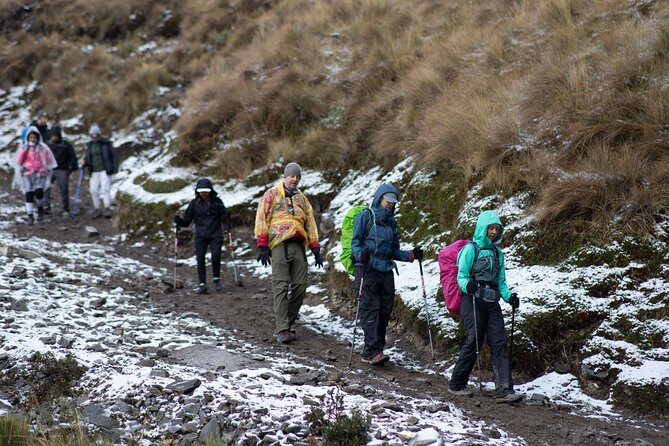
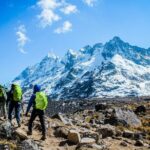
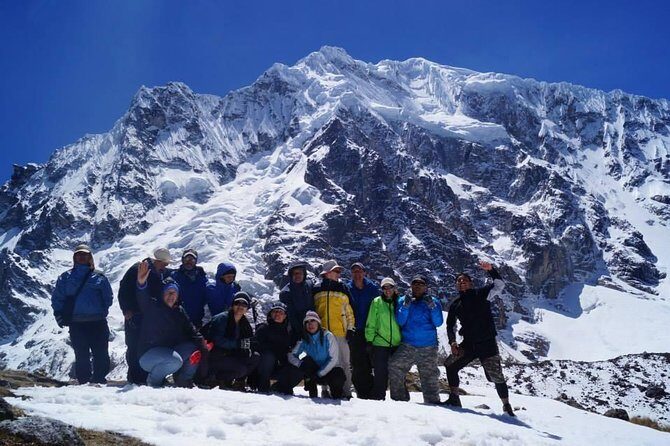
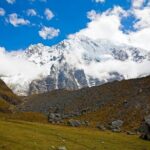
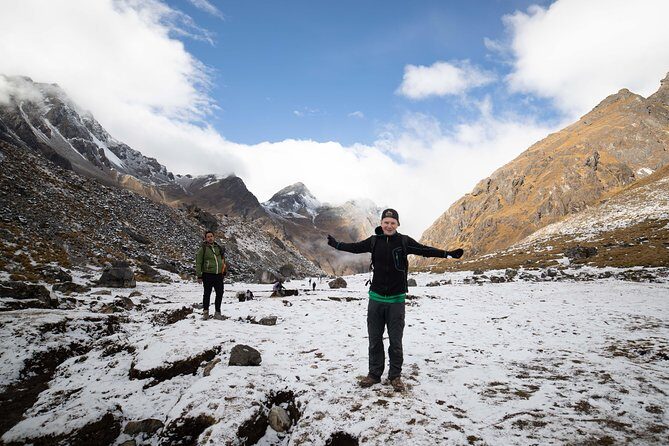
If Day 1 is acclimation, Day 2 is the headline. After breakfast around 5:00am, you start the climb to Salkantay Pass (4,650m) for about two hours. Standing near the top is when the trek shows its serious side. You’ll take in views of Salkantay’s snow-capped peak (6,271m) plus other high mountains like Humantay and Tucarhuay, along with dramatic avalanche scenery.
Then comes the part many hikers feel in their knees: downhill. You descend through spectacular Andes spots and keep dropping toward the high jungle, where vegetation—and wildlife activity—tends to increase.
You finish at Colpapampa campsite for dinner and rest.
Here’s the mindset that helps you enjoy Day 2:
- Treat the pass as a goal, not a race.
- After the top, let the downhill be steady and controlled. Short steps often feel better than big strides.
- Expect your body to be tired even if you felt strong on the climb.
The tour does a lot right here by keeping the day structured (start early, specific finish point at Colpapampa). That’s what keeps a long day from turning into chaos.
Day 3: Lluskamayo River, high jungle trails, and a van ride to Santa Teresa
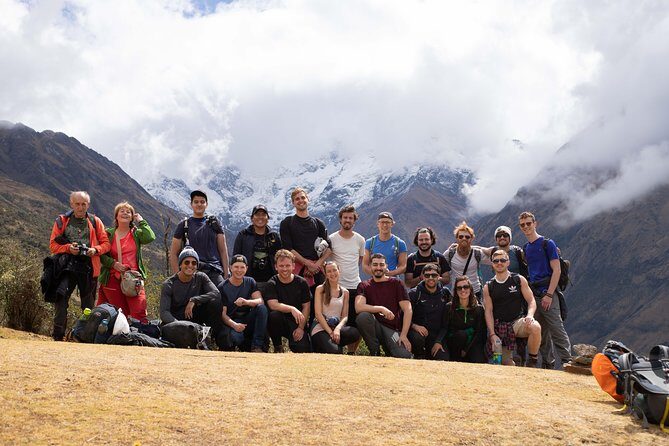
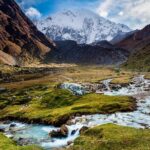
Day 3 starts around 6:00am after breakfast. You’ll walk through the high Inca jungle and cross the Lluskamayo River, plus a small variety of streams. This is where the trek shifts in feel: the air changes, the terrain can feel greener and wetter, and you’re more likely to notice different plants and animal life than you did at the highest ridges.
You’ll pass valleys and see cataracts, then stop in Playa – Sahuayaco (2,250m) for lunch. Later, the plan shifts gears: you take a van to Santa Teresa.
Why that van ride matters: it gives you a breather after a hike day that can otherwise feel like non-stop effort. It also sets you up for Day 4 without draining you completely.
Possible consideration: if you dislike vehicles mid-trek, this is one of the few segments where you’ll get a ride instead of pure walking. But it usually makes the overall trip feel more doable.
You can also read our reviews of more tours and experiences in Cusco
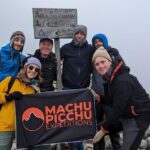
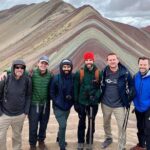
Day 4: Santa Teresa to Hidroeléctrica, then Aguas Calientes and first Machu Picchu views
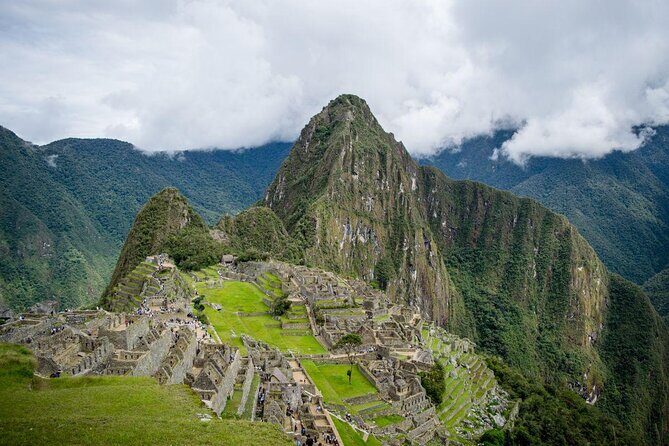
After breakfast, you start hiking from the Santa Teresa valley toward Hidroeléctrica, where you’ll have lunch. Then you continue on with views that start to feel real—Machu Picchu appears in the distance, plus the sacred mountains Huayna Picchu and Putucusi.
About three hours after that continuing stretch, you arrive in Aguas Calientes.
What makes Day 4 special:
- It’s the bridge from “tall mountains hike” to “you’re actually here.”
- The repeated sightlines help you visualize where you’ll be going next.
- Lunch at Hidroeléctrica breaks up the day and gives you a predictable rhythm.
Drawback to keep in mind: by Day 4, your legs will be tired. The day includes walking time plus moving between zones. If you’re carrying extra water because you misjudged your needs earlier, this is where you’ll feel it. Bring a practical amount, drink steadily, and don’t save everything for the last hour.
Day 5: Machu Picchu at 4:30am, a guided circuit, and Huayna Picchu if you paid
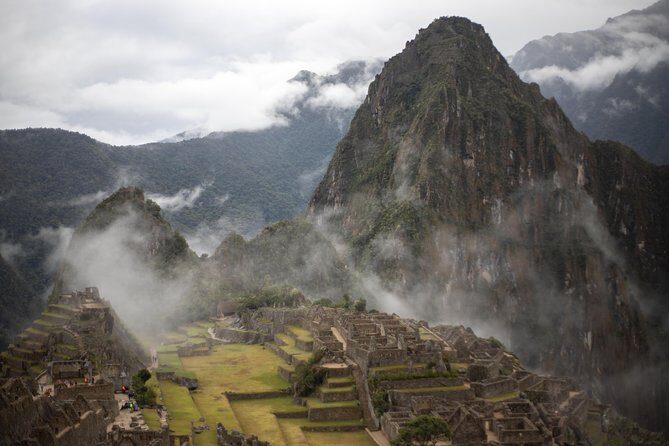
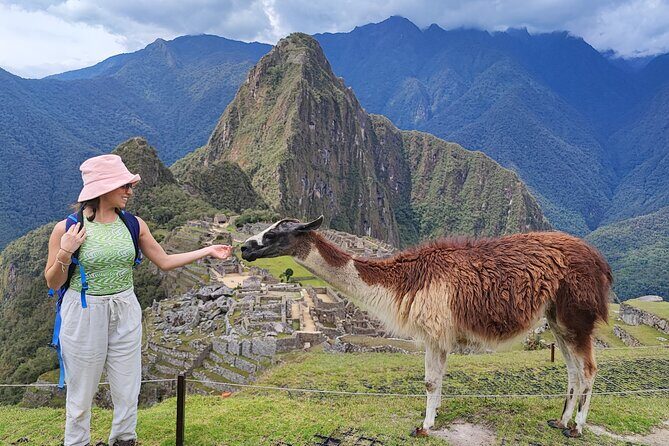
Day 5 begins with a wake-up around 4:30am, then a walk up to the Machu Picchu citadel. You’ll get a guided tour for about two hours, which helps you understand what you’re seeing instead of wandering through it like a camera operator with no clue.
After the guided portion, you have free time. If you previously paid for it, you can also climb Huayna Picchu. Your guide will also recommend spots to visit before you head back to Cusco.
Two practical notes that really matter:
- Bus up/down to Machu Picchu is not included (listed at $12 per person). You’ll need to budget for that transport.
- Your Machu Picchu entrance is included, but your specific circuit is based on what’s available at reservation time. Your guide can usually help you make smart choices within that structure.
This is the day where your earlier effort pays off. After two full days of high altitude and one long jungle transition, Machu Picchu doesn’t just look impressive—it feels earned.
Packing and fitness: how to handle cold, sun, and altitude fatigue
This trek asks for moderate physical fitness. That doesn’t mean you need to be an athlete, but you should be comfortable hiking uphill for long blocks of time. You’ll be active multiple days, including a high pass day.
Bring what the tour specifically asks for:
- Rain jacket
- Sun cream
- Hiking boots
- T-shirts
- Snacks
The “why” behind those items:
- A rain jacket protects you from wet trail conditions and cooling at altitude.
- Sun cream matters even when it looks cloudy; high elevation sun can be sneaky.
- Good hiking boots prevent small problems from becoming big ones (blisters, sore feet, ankle strain).
- Snacks help you bridge the gaps between meals, especially on the long days.
You’ll also want to plan for sleep and comfort. A sleeping bag is not included, so you’ll need your own or arrange one before you go.
Altitude reality check: even with a plan, you can’t outsmart physics. Go slow, drink water, and don’t treat the high pass as a time trial.
Small-group service: tents, cook, mules, and safety support that actually helps
With a maximum of 10 travelers, this trek feels like a team rather than a cattle line. That matters when conditions change and when people need help adjusting pace.
You’ll have:
- A professional cook running meals in camp
- Tents and mattresses, plus camp kitchen and dining equipment
- Double tents, which is good if you prefer a set sleeping setup
- Mules and muleteers, plus the ability to send up to 5kg for free
You also get safety support:
- First aid kit
- Oxygen bottle
None of that means you can ignore altitude risk, but it does mean the operator isn’t leaving you to figure things out on your own if something goes sideways.
And yes, the mule system changes the experience. When your main pack is lighter, you can hike smarter. You also arrive less wrecked at the next stage—especially useful on the long downhill segments.
The all-inclusive label: where extra fees can still hit
One thing I’d stress before you book: make sure your idea of all-inclusive matches the tour’s definition. This route includes major items, but not everything tied to Machu Picchu access is covered.
Plan for at least these extras:
- Bus up and down to Machu Picchu: $12 per person
- Humantay lake and Salkantay entrance fee: PEN 25 per person
- Sleeping bag
- First breakfast and last lunch are not included
This is exactly the kind of mismatch that can sour a trip for people who budgeted only the listed price. Your best move is simple: calculate your full expected cost before you leave home, not after you arrive.
Who this trek suits best (and who should think twice)
You’ll likely love this tour if you want:
- A guided, structured trek with camp comfort handled
- A true change of scenery—snowy high points to lower jungle areas
- A Machu Picchu day that includes a guide and timed access
- A small group experience rather than something huge
You might want a different option if:
- You hate early starts and long walking days. Day 5 is a 4:30am wake-up, and the earlier days also start very early.
- You’re not comfortable with altitude work. The high pass day is the core challenge.
- You’re trying to keep expenses strictly inside the headline price. You’ll need extra money for a few known items.
Should you book the Salkantay Trek to Machu Picchu?
I’d book it if you like the idea of earning Machu Picchu by hiking through real altitude and real terrain, not just riding through checkpoints. The included camp setup, meals, mule support, and Machu Picchu entrance plus train ticket make it good value for a 5-day package.
But do one responsible thing first: budget the extra items (Machu Picchu bus and specific entrance fees, plus your sleeping bag). If you handle that, you’re setting yourself up for a smoother, more enjoyable trek.
If you want a memorable Andes-to-jungle journey with practical support and a guided finish, this Salkantay trek is one of the more sensible ways to do it.
FAQ
FAQ
How long is the Salkantay Trek to Machu Picchu tour?
The tour is listed as 5 days (approx.), with daily hiking and travel segments finishing at Machu Picchu on day 5.
What time does the tour start?
The meeting time is listed as 5:00am, and the pickup described for the first day is around 4:30am. Confirm the exact pickup timing when you book.
Is the tour suitable for beginners?
It’s recommended for travelers with moderate physical fitness. The route includes long hiking days and a high pass, so it’s not a low-effort trek.
What are the highest elevation points mentioned?
The trek includes Salkantay Pass at 4,650m. It also references the Salkantay snow-capped peak at 6,271m in views, but the pass height is the key trek elevation.
Are tents and meals included?
Yes. The tour includes tents, mattresses, camp kitchen and dining equipment, plus 4 breakfasts, 4 lunches, and 4 dinners.
Do you need a sleeping bag?
Yes—a sleeping bag is not included, so you’ll need to bring your own.
How do the mules work?
You’ll hike with mules and muleteers, and you can send up to 5kg for free.
What’s included for Machu Picchu?
The tour includes Machu Picchu entrance and a guided tour of about 2 hours. A bus up and down to Machu Picchu ($12 per person) is not included.
Is the train ticket included?
Yes. Your train ticket from Machu Picchu to Ollantaytambo is included, plus transport from Ollantaytambo back to Cusco.
What extra fees might I need to pay besides the tour price?
The tour does not include the bus to/from Machu Picchu ($12 per person) and it lists an entrance fee of PEN 25 per person for Humantay lake and Salkantay.