REVIEW · CUSCO
Andean Getaway 5 Days to Machu Picchu
Book on Viator →Operated by Rap Travel Peru · Bookable on Viator
Machu Picchu, without the stress. I like the way this trip strings together Qorikancha, the Sacred Valley, and a guided first visit to Machu Picchu while keeping transportation and tickets handled. The experience is also built for real-world timing, with a max group size of 15 so you’re not stuck in a cattle line all day.
The main thing to consider is the physical pace: you’ll start early, you’ll hike, and altitude is part of the deal. If you’re not comfortable with a walk and steep footing, you’ll want to take it slow on both the Cusco-area days and the Rainbow Mountain morning.
In This Review
- Key things that make this tour click
- A smooth 5 days from Cusco to Machu Picchu (and back)
- Day 1 in Cusco: Cathedral art, Qorikancha, and the Inca “power sites”
- Day 2: Sacred Valley highlights plus a smooth train to Aguas Calientes
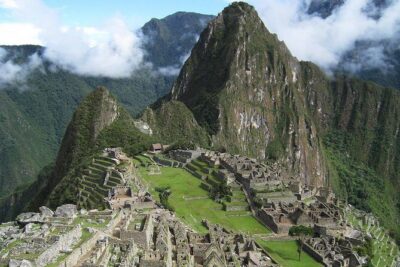
- Day 3: Machu Picchu with a guided tour, then real time to roam
- Day 4: Rainbow Mountain’s early start and the Cusipata setup
- Food, hotels, and the real meaning of “included”
- Price and logistics: is $1,045 per person good value?
- Who should book this Andean Getaway (and who should think twice)
- Should you book this tour?
- FAQ
- What city does this tour start in?
- How long is the tour?
- What time does the tour start?
- What’s included in the price?
- What’s not included?
- Is the tour physically demanding?
- Can train schedules change?
Key things that make this tour click
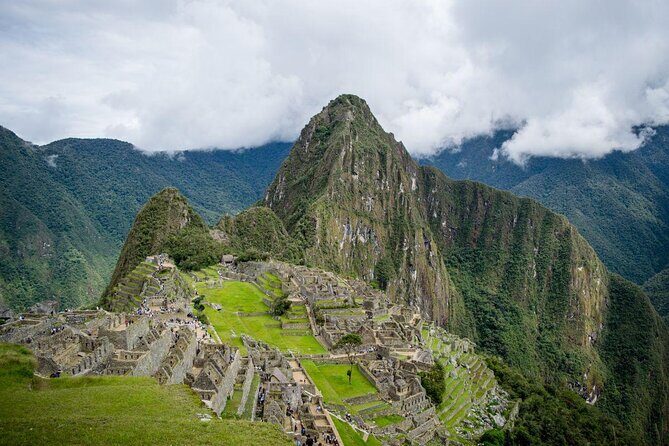
- Machu Picchu in two modes: a guided 2.5-hour tour plus time to wander on your own.
- Train logistics handled for you: Aguas Calientes connections back to Ollantaytambo, then onward to Cusco.
- A full Cusco warm-up day: Cathedral, Qorikancha, and major nearby Inca ruins in one loop.
- Sacred Valley with a real lunch break: Pisac market time, then a buffet at Restaurant Tunupa.
- Rainbow Mountain with built-in energy: Cusipata breakfast before the hike, plus shuttle timing back to Cusco.
A smooth 5 days from Cusco to Machu Picchu (and back)
This is the kind of Peru itinerary that makes sense if you want the big sights without spending your time solving logistics. You get a structured rhythm: Cusco history first, Sacred Valley next, then the signature day at Machu Picchu, and finally Rainbow Mountain before you fly out.
What you’re really buying here is time and stress control. Machu Picchu visits depend on timed access and bus schedules, and the Sacred Valley-to-train-to-Aguas Calientes flow can feel confusing if you’re doing it solo. This tour keeps you moving, and that matters because the Andes don’t pause for planning mistakes.
The group size cap (up to 15) is also a quiet advantage. It’s easier for guides to manage pacing on hikes and easier for you to hear explanations without shouting over everyone’s camera. In customer notes, the team behind this tour is repeatedly described as responsive and organized, with day-by-day updates and quick help when plans shift.
One more practical note: this trip is set up for a moderate fitness level. You don’t need to be an athlete, but you do need stamina for walking, early mornings, and high-altitude conditions.
You can also read our reviews of more tours and experiences in Cusco
Day 1 in Cusco: Cathedral art, Qorikancha, and the Inca “power sites”
Day 1 is a classic Cusco orientation, packed into one long day (about 12 hours). It starts with pickup at the airport and transfer to your hotel, and then you’re out seeing why Cusco works as a gateway city: it mixes Catholic architecture, Inca stonework, and water-and-religion sites all in the same day.
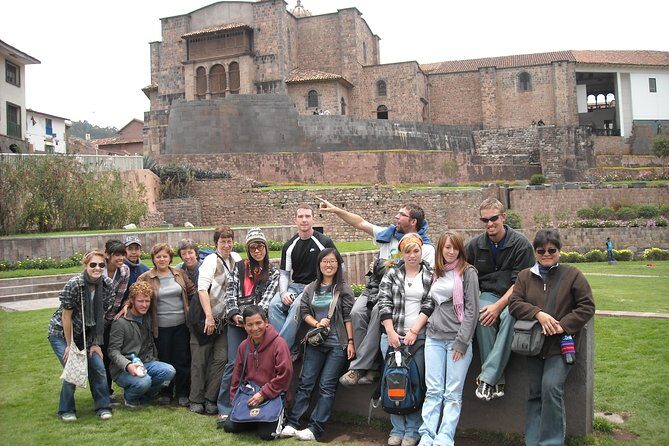
You’ll hit the Cathedral in the afternoon (listed at 13:00) with its impressive interior art collection. Then you move to Qorikancha, described as the principal Inca temple. This is one of those stops where it helps to think beyond the ruins: the site is a reminder that the Incas built places for ceremony and astronomy, not just defense.
Next comes the outer-Cusco ruins loop:
- Sacsayhuaman: a stone fortress on three platforms. Look for the scale of the masonry—this is the kind of Inca engineering that makes you stop walking for a second.
- Tambomachay: also called the Inca baths, tied to the worship of water. Even if you’re not an expert, you can still appreciate the way water and ritual connect here.
- Qenko: notable for a huge stone block that looks like a puma, plus carved canals, passages, and animal engravings.
- Pucapucara: an administrative and military center with fortified towers and alcoves.
Where this day is strong: it gives you a mental map of Cusco’s geography. After this, you’ll understand why some places feel higher, why certain routes seem built for ceremony, and why the forts sit where they do.
Possible drawback: it’s a long day with multiple stops, and it can feel like your legs are doing double duty—especially if you’re still adjusting to altitude. I suggest taking it easy on Day 1 pace so you’re not wiped out before the Sacred Valley and train ride.
Day 2: Sacred Valley highlights plus a smooth train to Aguas Calientes
On Day 2, you start with breakfast at your hotel, then the agency picks you up at 8:00. The morning is focused on the Sacred Valley of the Incas, with two major stops plus time for local market energy.
First up is Pisac:
- you visit the archaeologic site
- then you get time at the Pisac market with the same name
The market time matters because it changes the vibe from “ruins only” to “ruins plus living culture.” Even if you don’t buy anything, it’s a useful way to understand how today’s communities connect to what the Incas left behind.
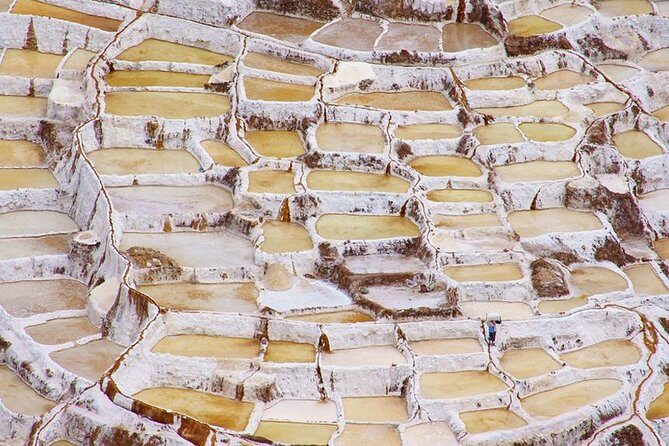
Lunch is a buffet at Restaurant Tunupa, and the menu is described as typical plates, novo andino food, and options from the Urubamba province. This is a good setup if you want something filling and not complicated while you’re traveling at altitude.
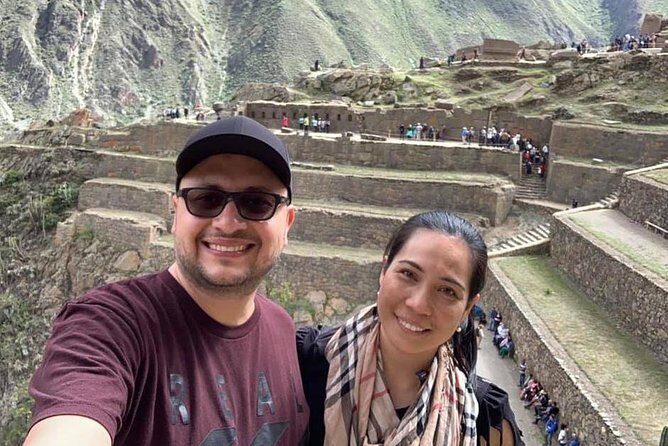
Then you visit Ollantaytambo, including the archaeological site and the village. The description emphasizes that the village still keeps its splendor from Inca days. That’s why this stop feels different from “standalone ruins”—you can sense how settlement and stonework were designed together for daily life.
The late afternoon/early evening timing is when you transition to Machu Picchu:
- you board the train to Aguas Calientes at 16:36
- you arrive at 18:10
- you meet the guide there for what’s next
This is where the trip’s planning really shows. Aguas Calientes is the base for Machu Picchu the next day, so getting there without a scramble is a big quality-of-life win.
Day 3: Machu Picchu with a guided tour, then real time to roam
Day 3 is the headline day. After breakfast in Aguas Calientes, you take a bus to Machu Picchu (about 30 minutes). Then you show entrance tickets and start your visit.
Here’s the format that works well for most people:
- 2.5 hours guided tour with your guide
- after that, time on your own to walk around and take in the details
That “guided first look + independent time” combo is a smart way to do Machu Picchu. You get structure first—so you know what you’re seeing—then you get freedom for the moments you personally care about, like specific viewpoints or quieter corners.
After your Machu Picchu time, you return to Aguas Calientes and have lunch buffet options listed as Restaurant el Apu Inti or Indio Feliz. Then you have a window to visit the handicraft market.
The afternoon is train time back to the Cusco region:
- you board an Inka Rail executive class train (listed at 14:36 or 19:00)
- you arrive in Ollantaytambo about 1 hour 40 minutes later
- then you transfer to Cusco (about 2 hours minimum)
Two things to keep in mind. First, train schedules can vary by season, so don’t plan anything tight after your arrival in Cusco. Second, if you want a higher train tier, the tour notes say you can upgrade to Perurail Vistadome or Inca Rail First Class by paying the difference.
About guide quality: customer feedback for this operator repeatedly highlights guides who keep things moving and explain what you’re seeing clearly. Names that show up often in customer write-ups include Carlos (frequently mentioned as a responsive point person), and Machu Picchu guidance is also credited to guides such as Maria in past experiences. You may or may not get the same person, but it’s a good sign that the team style is consistent: keep you informed, keep the day on track, and help you feel confident in the schedule.
Day 4: Rainbow Mountain’s early start and the Cusipata setup
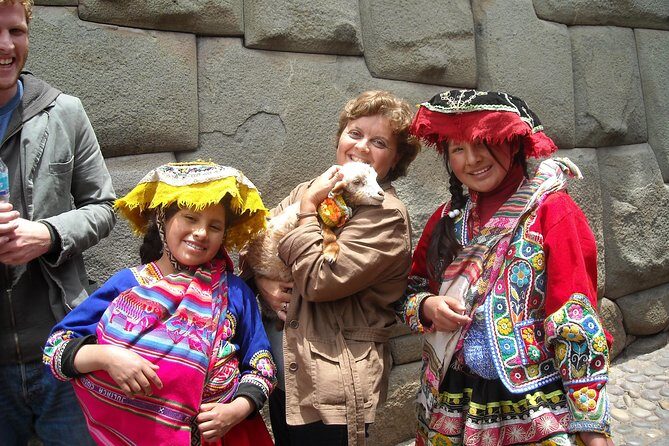
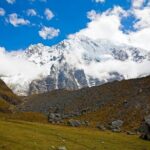
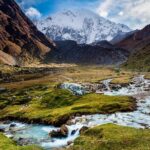
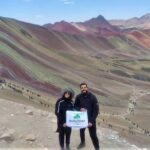
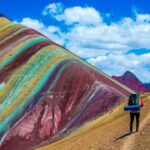
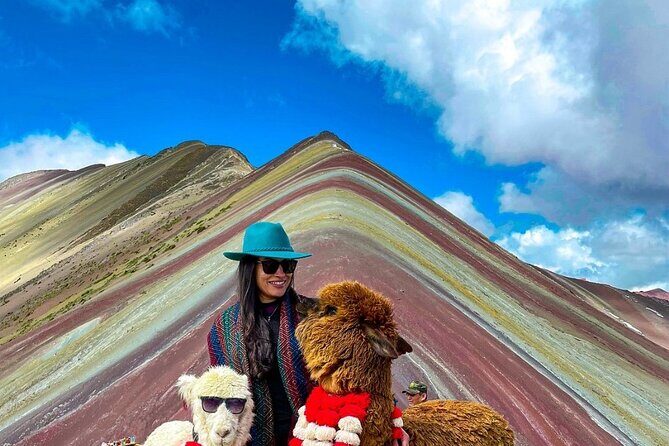
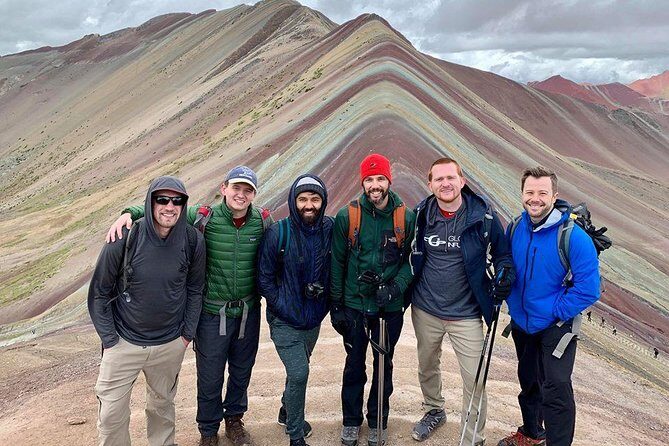
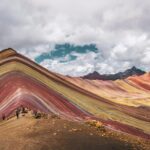
Rainbow Mountain (Montaña de Colores) is the kind of stop that can feel like a victory lap—or like a very steep test—depending on your pace and altitude tolerance. Day 4 starts extremely early: pickup is listed between 4:30 and 5:00 a.m.
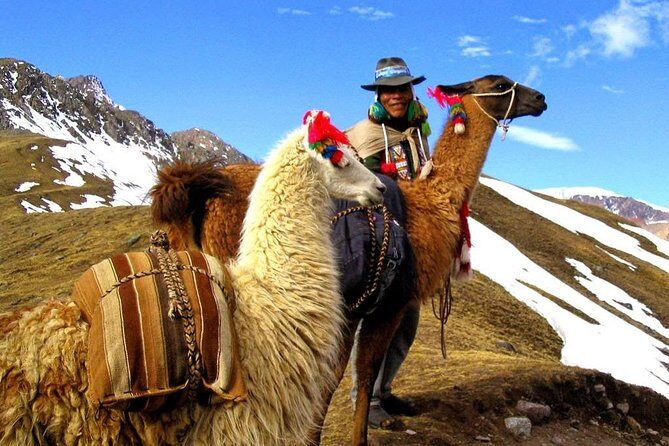
You ride for about 2 hours to Cusipata, where you have breakfast at the restaurant in Cusipata. Then you drive another hour to the trail starting point. The hike portion is described as:
- about 2 km (about 1 hour) to reach the area
- then you spend about 40 minutes at the mountain viewpoint to enjoy the colors tied to Pachamama
Afterward, you hike downhill, which is described as easier. Around noon you return by shuttle to Cusipata for a buffet lunch, then you head back to Cusco and arrive about 17:00.
What I like about this structure is the built-in recovery and fueling. Cusipata breakfast before the hike helps you avoid the shaky feeling that comes from high altitude and not eating enough. And the schedule gives you enough time at the viewpoint to enjoy it rather than just snapping photos and sprinting away.
The drawback is physical timing. This is not a “slow stroll.” The tour also notes a moderate fitness level requirement, and the early hour plus altitude can hit harder than you expect. My advice: go at a pace slower than you think you need, and treat your breathing like the guide for the climb.


Food, hotels, and the real meaning of “included”
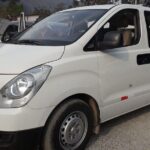
The tour lists included essentials like air-conditioned vehicle, tickets, and meals. Meals included are described as breakfast (4) and lunch (2) in the package summary, while the day-by-day plan shows buffet lunches on multiple days (Pisac day, Aguas Calientes day, and Cusipata day). If you want zero surprises, it’s worth confirming exactly which lunches are guaranteed in your booking.
Still, the value is clear: you’re not paying for each entry ticket and you’re not coordinating transport between every segment. Even if you don’t care about saving money, you probably care about saving time and avoiding ticket-line stress in peak-season Peru.
Hotels aren’t listed in the tour details you provided, but customer notes include examples. One review cites Hotel SASKA, located near Cusco’s main square and described as convenient for restaurants, shops, and markets. Another note mentions hotel upgrades and strong hotel service. That doesn’t mean your stay will be the same, but it does suggest the operator aims for practical, well-located lodging rather than something remote.
The bigger “included” win is how the team behaves day to day. In customer write-ups, people frequently mention responsive communication, quick problem-solving, and updates. Names that show up in those notes include Alicia (described as trusted and attentive), Moisés (mentioned as a professional driver who handled small details like temperature and route updates), and Fabiola (credited with customer service support and real-time responses). You might not meet the exact same staff, but the pattern is consistent: someone is watching the schedule, and you’re not left to figure everything out alone.
Price and logistics: is $1,045 per person good value?
At $1,045 per person for 5 days, the price only feels fair if you treat it as a bundle of transportation, timed admissions, and coordination—not just a guide.
Here’s what you’re getting that’s hard to recreate cheaply on your own:
- admissions for multiple major sites
- the Cusco-to-Aguas Calientes train connection
- Machu Picchu bus timing and entry handling
- the Rainbow Mountain early-morning transportation and hike plan
- multiple breakfasts and buffet lunches (with the exact count worth confirming)
If you were planning independently, you’d still pay for many of these pieces—plus you’d spend time locking down train schedules, entrance tickets, bus rides, and meeting points. The practical value of this tour is that it turns that puzzle into a timeline you can follow.
So for “value,” I’d judge it this way: if you want Machu Picchu done cleanly, with minimal planning overhead, this price can make sense. If you’re a super independent traveler who already knows how you’ll handle Machu Picchu ticket timing and train connections, you could potentially lower your cost by planning on your own—but you’ll trade that for mental effort.
Who should book this Andean Getaway (and who should think twice)
This tour is a strong match if you:
- want Machu Picchu with a guided orientation
- like having a clear schedule from morning to train time
- don’t want to research ticket and train details day-by-day
- are comfortable with moderate walking and a demanding early morning hike
It’s a weaker fit if you:
- dislike early starts (Day 4 begins around 4:30–5:00 a.m.)
- want lots of downtime between major activities
- struggle with altitude and aren’t willing to pace carefully
Should you book this tour?
I’d book it if your top priorities are Machu Picchu, Sacred Valley sites, and Rainbow Mountain—and you want the planning handled in a structured way. The best part is the day flow: Cusco history first, then valley + train, then Machu Picchu with guided context and personal time, and finally the big sunrise hike.
If you do book, go in with two practical expectations: bring patience for altitude and treat early mornings as part of the package. Also, double-check the exact count of included lunch meals during booking since the package summary and day-by-day plan don’t perfectly match.
If that sounds like your kind of Peru trip, this is a solid choice.
FAQ
What city does this tour start in?
It starts in Cusco, Peru, with the meeting point listed as Velasco Astete, Cusco 08006, Peru.
How long is the tour?
The tour is approximately 5 days.
What time does the tour start?
The listed start time is 8:00 am.
What’s included in the price?
The tour includes air-conditioned vehicle, all the tickets, lunch (listed as 2), and breakfast (listed as 4). Flights are not included.
What’s not included?
Flights and services not mentioned are not included.
Is the tour physically demanding?
It notes that travelers should have a moderate physical fitness level, since there is walking and a hike on Rainbow Mountain day.
Can train schedules change?
Yes. The details say train schedules may vary depending on the season, and the itinerary notes that timing can shift by season.