REVIEW · CUSCO
5-Day All-Inclusive Salkantay Trek To Machu Picchu
Book on Viator →Operated by Inkayni Peru Tours · Bookable on Viator
Machu Picchu starts with mud. This 5-day Salkantay trek pairs small-group care with entrance fees included, so you can focus on the hike and the views instead of paperwork. You also get real “take-it-step-by-step” trekking support, plus a guided Machu Picchu visit once you reach Aguas Calientes.
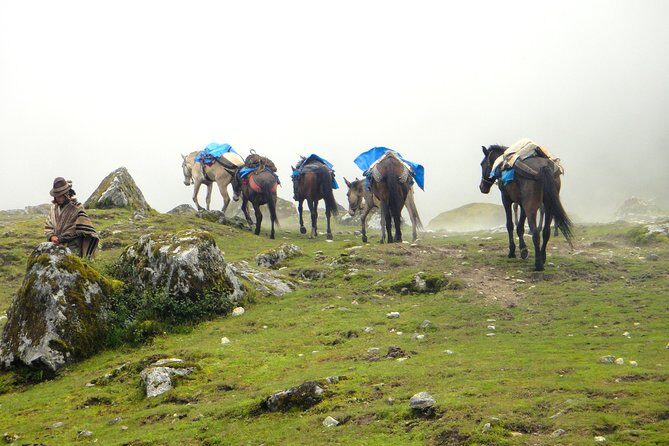
I like that the route is set up for comfort without turning it into a bus tour. With horses and mules carrying most camp equipment (and up to 7kg of your personal items), the trail feels demanding but not chaotic. The camps, meals, and day-4 hotel also reduce the stress that usually comes with planning a trek.
The main drawback is altitude and early starts. You’ll hit high points on days 1 and 2, so you should come with a plan for how you’ll handle altitude, even though the tour includes an oxygen bottle and a first aid kit.
In This Review
- Key highlights worth planning for
- The Salkantay route: why this trek feels like five different climates
- 5:30am departures, hotel pickup, and trailhead prep that saves energy
- Day 1: From Challacancha to Humantay Lake, with camp comfort waiting
- Day 2: The Salkantay Pass and the drop into warmer terrain
- Day 3: High jungle walking, waterfalls, coffee farms, and a night in Lucmabamba
- Day 4: Llactapata views to Aguas Calientes, with a railroad-track walk
- Day 5: Guided Machu Picchu morning, bus entry, then the train back
- What $699 covers, and where this tour earns its “all-inclusive” label
- Pace, altitude, and packing: how to make the trek feel manageable
- Should you book this Salkantay + Machu Picchu trek?
- FAQ
- FAQ
- What time does the tour start each morning?
- What’s included in the price?
- Are Huayna Picchu or Machu Picchu Mountain included?
- Do I need to bring a sleeping bag?
- Do I need travel insurance?
- What kind of fitness level is required, and are kids welcome?
Key highlights worth planning for
- Small group experience (max 8) that keeps the pace human and the service personal
- All entrance tickets included for the main Machu Picchu visit
- Mules for camp gear and 7kg personal items, so you carry less and move better
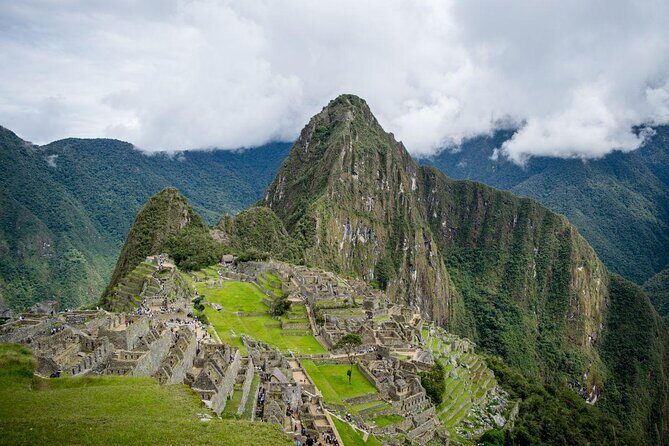
- Humantay Lake: a bright, turquoise reward after a steep climb
- Llactapata stop with big views toward Machu Picchu and Sayacmarca
- Guided Machu Picchu with optional viewpoints if you add Huayna Picchu or Machu Picchu Mountain
The Salkantay route: why this trek feels like five different climates
The Salkantay Trek is popular because it actually earns the hype. In just a few days, you move from high Andean passes to warmer cloud forest, then down into the “high jungle” zone. That means each day feels like a new setting—not a repeating rhythm of stone and sky.
This particular format is also built for real sightseeing. You’re not just hiking to “get to Machu Picchu.” You’ll spend time at Humantay Lake, pass through the gateway to the Inca Trail area around Llactapata, and still get a guided Machu Picchu morning rather than showing up bleary-eyed and on your own.
For value, the “all-inclusive” part matters. You’re paying for the guide-led experience, the chef-supported camp setup, key transport legs, your hotel on day 4, and the big-ticket entrance logistics so you don’t have to piece it together day by day. At $699 per person, it’s not cheap—but it’s priced like a full service trek, not a barebones adventure.
You can also read our reviews of more hiking tours in Cusco
5:30am departures, hotel pickup, and trailhead prep that saves energy
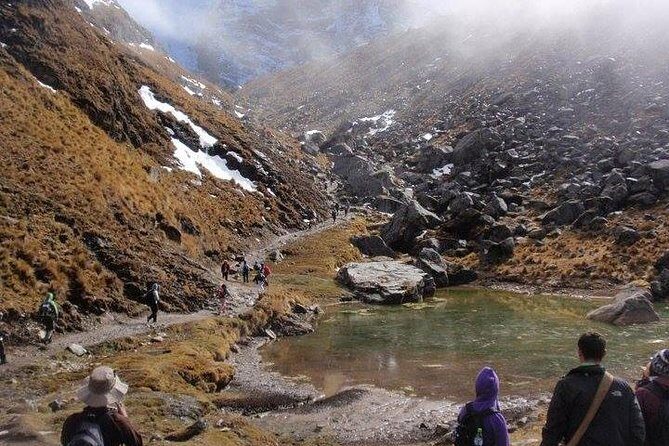
The action starts early. Your day begins at 5:30am, and you’ll be picked up from your hotel to reach the trail start area in good time. Early departures aren’t just for show; they help you get hiking hours in before the day heats up and before the trek takes over your body.
Your first day also sets the tone for how the trek runs day to day. After the bus ride from Cusco to the Mollepata stop, you’ll get a short break to buy last-minute supplies, stretch, and use restrooms. Then you continue toward Challacancha, where you meet your support team.
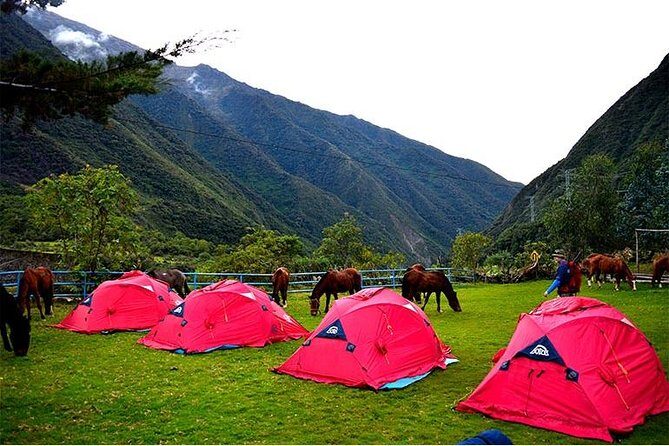
One practical detail I really appreciate: your camp equipment does the heavy lifting. Horses and mules handle cooking and camping gear, plus up to 7kg of your personal items. That means you can pack lighter for your daypack—exactly how a tough trail should feel.
Also note the water rule. Water is included once you’re fully underway, but the first 4 hours aren’t covered, so you’ll want to plan to bring enough water for the start.
Day 1: From Challacancha to Humantay Lake, with camp comfort waiting
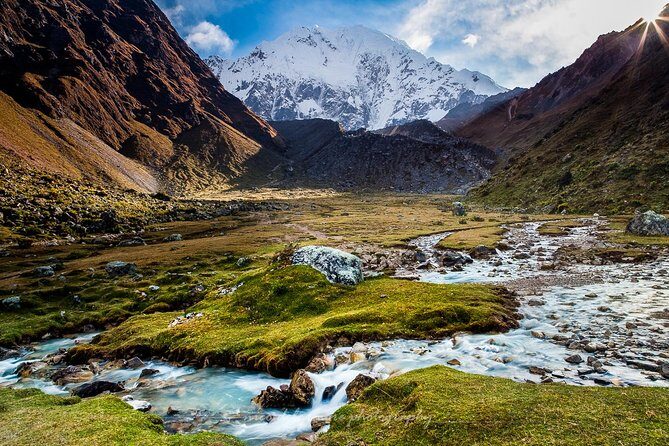
Day 1 is all about going high, then getting your first visual payoff. You leave Cusco at about 3,399 masl and ride down to Mollepata for a quick reset at lower altitude before heading to Challacancha, where the trek starts.
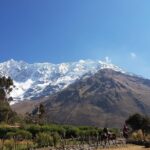
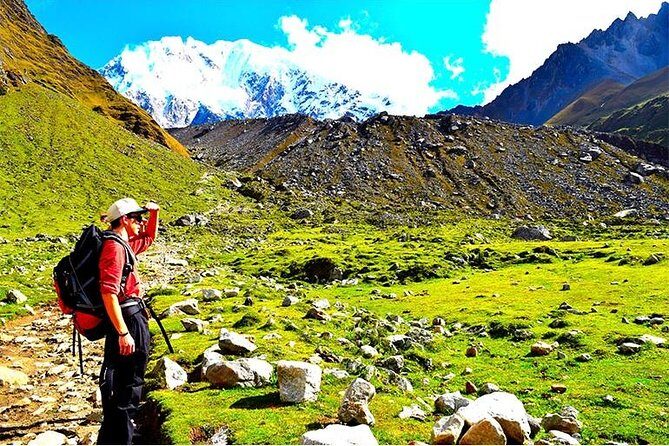
From there, your support staff takes care of the practical side—loading gear onto animals—so you can focus on the trail. You’ll climb toward Soraypampa, and the views start early: Salkantay dominates the skyline, and the Apurímac Valley spreads out below as you hike.
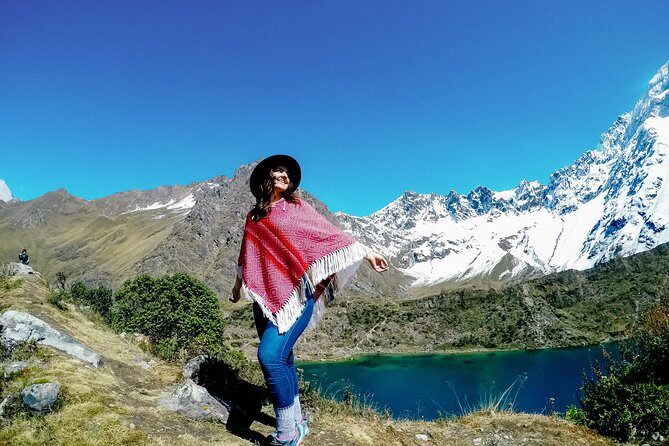
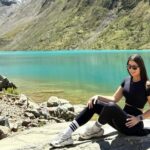
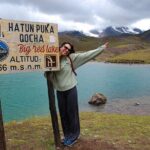
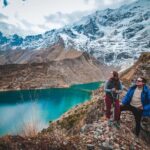
Lunch comes at Soraypampa, then the afternoon targets one of the trek’s iconic rewards: Humantay Lake. The lake is described as turquoise and reflective, which is exactly the kind of landscape stop that keeps you going when your legs start bargaining with your brain. After time at the lake, you return to camp.
Camp on night one is set up for less stress than typical DIY camping. Tents are already waiting, and dinner is warm and ready. You also get a real sleep setup with inflatable sleeping mattresses included, which helps when you’re tired and your body wants softness.
Consideration: Day 1 is scenic, but it’s still elevation work. If you’re coming straight from sea-level, take the altitude seriously and move at a steady pace rather than rushing for big photo moments.
Day 2: The Salkantay Pass and the drop into warmer terrain
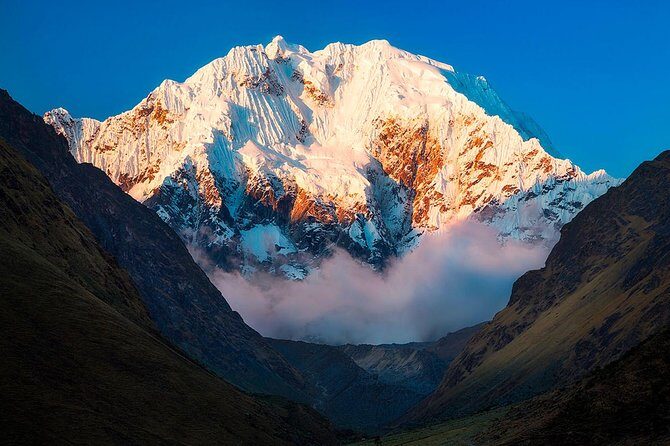
Day 2 is where the Salkantay Trek flexes its dramatic range. After breakfast, you climb toward Salkantay Pampa, gradually approaching the face of Salkantay Mountain. This is a long uphill day, and the trek keeps reminding you that Andes altitude isn’t a one-and-done event—it builds.
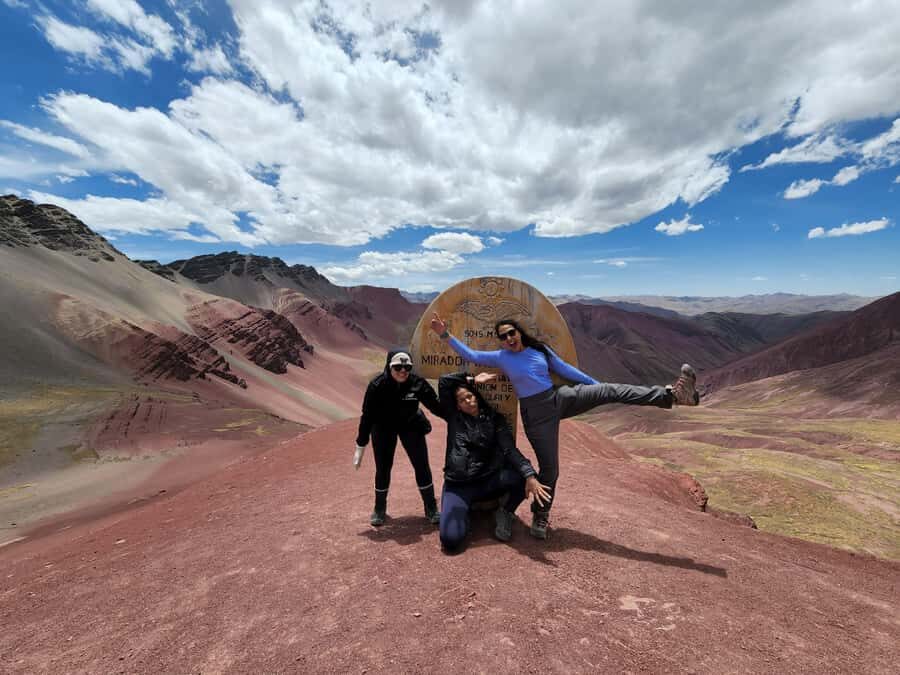
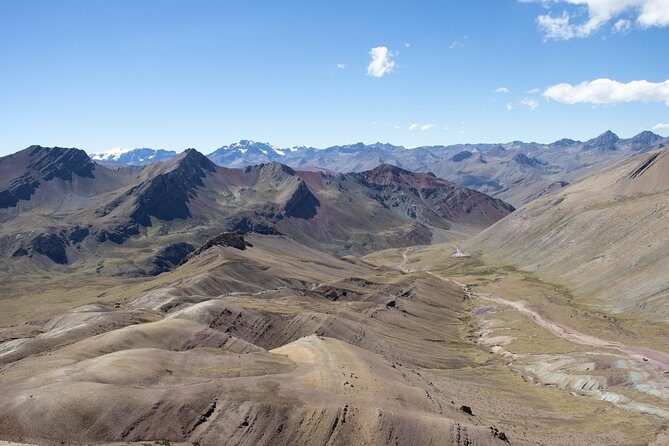
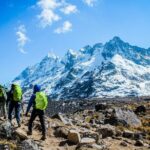
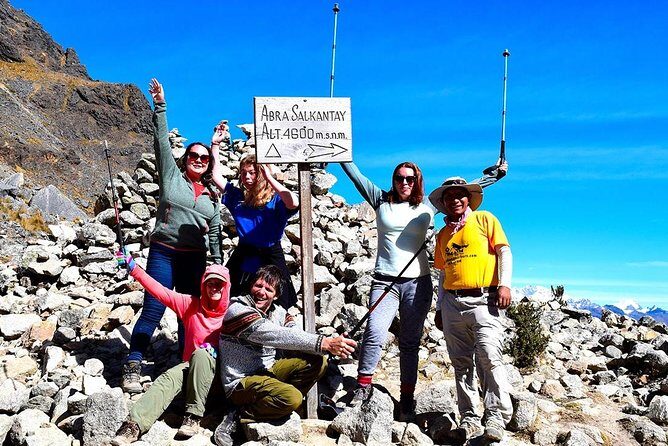
Then comes the highlight of the day: Salkantay Pass, the trek’s highest point, at roughly 4,600 masl in the itinerary’s altitude figures. This is the moment where the views turn wide and a bit unreal—mountains and valleys opening below you while you’re standing at the top of the route.
Once you’ve taken in the panorama, you descend to Huayracmachay for lunch. The rest of the day shifts gears: you continue descending into warmer, greener terrain. You’ll arrive at Challway in the evening, then settle in with dinner and rest.
Why this day matters for value: a lot of treks oversell one big pass and then spend the rest of the day feeling like transit. Here, you get both—the pass moment and the ecosystem change—so the day feels earned, not padded.
Consideration: if altitude hits you, day 2 can be the toughest. Pace matters. Don’t “test yourself” on the climb. Save energy so the descent actually feels like progress.
Day 3: High jungle walking, waterfalls, coffee farms, and a night in Lucmabamba
Day 3 is the curveball day. Instead of more open high Andean slopes, you move into the lush, high jungle zone—often called the “eyebrow of the Amazon” for a reason. The trail environment changes: more vegetation, more water sound, more fruit and flowering plants.
You’ll trek for about five hours through this area, and the experience here is less about looking up and more about noticing details. If you’re lucky, you might spot the Cock of the Rock, plus butterflies and other wildlife. Even when wildlife is quiet, the cascade of waterfalls and the dense plant life keep your attention.
Lunch happens at Playa Sahuayaco, where the setting feels calmer, almost like your body gets a short exhale break. In the afternoon, you keep moving downstream, passing small Andean farms and coffee plantations before reaching Lucmabamba.
Lucmabamba is the final campsite for the day and described as the gateway to the Inca Trail leading to Llactapata. That’s a good reminder that you’re walking through more than scenery—you’re moving through cultural and historical paths that people used long before modern routes existed.
Consideration: the jungle day can feel deceptively intense. The trail may be softer than the high pass, but heat, humidity, and steady footing can make it feel like longer work than you expect.
You can also read our reviews of more tours and experiences in Cusco
Day 4: Llactapata views to Aguas Calientes, with a railroad-track walk
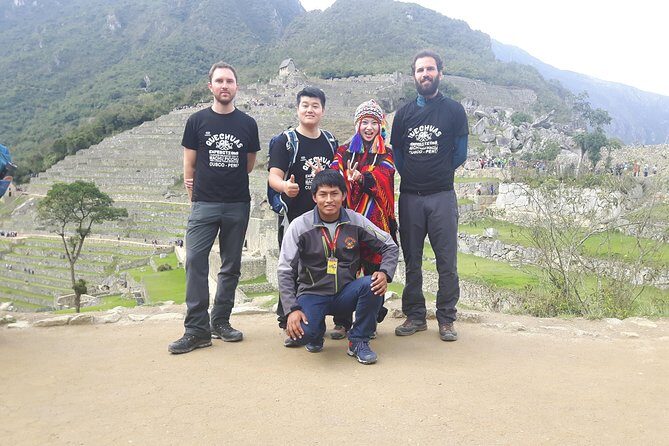
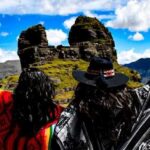
Day 4 blends Inca-era drama with modern transit. It starts with a gradual ascent of about two hours to Llactapata, an ancient Inca complex perched on a ridge. From here, you get major sightlines toward Machu Picchu and Sayacmarca, framed by cloud forest around you.
You’ll also explore Llactapata and learn the historical meaning of what you’re seeing. This is the kind of stop that turns a hike into a story you can tell later—because you’re not just passing ruins, you’re understanding why they’re placed where they are.
After that, you descend about 1.5 hours to the Hydroelectric Station for lunch. Then you walk around three hours along railway tracks to Aguas Calientes, also known as Machu Picchu town.
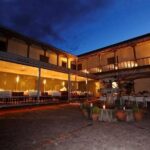
By late day, you check into a comfortable 3-star hotel: WAMAN HOTEL. You get time to rest and wander the town at your own pace. Then the group meets for dinner at a local restaurant, which is a nice moment to settle your thoughts before Machu Picchu day.
Small practical note: after a long hiking day plus a long walk, your body will want easy movement. This hotel stop is valuable because it gives you a buffer—time to reset, eat, and sleep without scrambling for transport.
Day 5: Guided Machu Picchu morning, bus entry, then the train back
Machu Picchu day starts early again, but in a different way: breakfast, then boarding a morning bus to the citadel. Once you enter, your guide runs an in-depth tour, explaining key structures and areas such as temples, ceremonial zones, terraces, and storage structures.
This guided approach is more useful than it sounds. Machu Picchu is visually stunning, but it’s also complex. A good guide helps you connect the dots between what you’re looking at and how the place worked in its time.
If you secured an extra ticket in advance, you can also explore either Huayna Picchu or Machu Picchu Mountain for an added viewpoint. That option can turn a great visit into a better one, especially if you like sweeping perspective photos from above the main grounds.
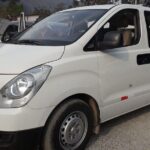
After the tour, the group returns to Aguas Calientes for a brief rest and lunch. In the afternoon, you take the train back to Ollantaytambo, and then a private van brings you to Cusco—finishing the circuit cleanly.
Consideration: Machu Picchu mornings can feel fast because the timetable is tight. The best way to enjoy it is to take the guided tour seriously, then use your remaining time to revisit the spots that clicked with you on the walk-through.
What $699 covers, and where this tour earns its “all-inclusive” label
Let’s talk value in real terms. At $699 per person, you’re not only buying the hike—you’re buying a chain of logistics that otherwise adds up fast.
Here’s what’s included:
- Professional English-speaking guide, plus assistant guide for larger groups (this matters for how smoothly things run)
- Chef and full camp meal support for multiple days
- Mules for camp equipment and 7kg of your personal items
- Pick-up and transportation from your hotel to the start of the trail
- Dining tent with tables and chairs
- Tents (4-person tent for every 2 trekkers), inflatable sleeping mattress, oxygen bottle, and first aid kit
- Hotel in Aguas Calientes on day 4: WAMAN HOTEL
- Round-trip bus from Aguas Calientes to Machu Picchu
- Transportation Ollantaytambo to Cusco
- Meals: breakfast (4), lunch (4), dinner (4)
What’s not included:
- Sleeping bag rental (listed at $25 USD)
- Breakfast on day 1 and lunch + dinner on day 5
- Huayna Picchu entrance (optional)
- Travel insurance (strongly recommended)
So yes, it costs money. But you’re paying for reduced friction: your food plan, your overnight setup, your main entrance handling, and the travel legs that are easy to mess up if you DIY. That’s where the value shows.
From the guide styles shared for this trek—people like Edwin, Elio Mach, Julio César, JC, and Paul—the common thread is pacing and communication. When the guide is attentive and flexible, the hike feels safer and more enjoyable, especially for families.
Also, the cooking support gets real praise. Cooks like Nazario and Ronald are mentioned for consistently good meals, including hot multi-course options like a reported 5-course hot meal approach. That matters because trekking food isn’t just about taste; it’s about keeping your energy steady for the next day.
Pace, altitude, and packing: how to make the trek feel manageable
This is not a “no sweat” vacation. The itinerary expects a moderate physical fitness level, and you’ll be walking for hours most days. Weather can change quickly at altitude, and the route goes high, then drops into warmer terrain.
Start with altitude strategy. The tour strongly suggests spending time in Cusco or another high altitude area for 2–3 days before you begin, to reduce altitude sickness risk. That advice is smart and worth following. If you can’t do that, at least plan slow pacing on day 1 and day 2.
Then pack like the weather and altitude will both matter:
- Walking boots
- Waterproof jacket or rain poncho
- Warm jacket
- Hat and gloves
- T-shirts and comfortable trousers
- Sunscreen factor 35+
- Insect repellent
- Toiletries and hand sanitizer
- Personal medication
- Camera gear
- Torch with spare batteries
A key trekking reality: you’ll lose heat quickly at higher elevations, especially mornings. Gloves and a warm layer can be the difference between “cold but fine” and “why did I wear cotton today?”
Also think about the “medical readiness” angle. The tour includes an oxygen bottle and a first aid kit, which is reassuring. Still, I strongly recommend you bring your own altitude meds and any personal medications you rely on. In at least one experience described, having the right meds on hand mattered a lot, so plan for the case where you want immediate support for altitude symptoms.
Should you book this Salkantay + Machu Picchu trek?
Book this trek if you want:
- a small-group experience (max 8) with personal attention
- the route’s mix of high passes, Humantay Lake, and cloud-forest jungle-style hiking
- guided Machu Picchu that helps you understand what you’re seeing
- a hotel and main transport legs handled for you, so you’re not piecing everything together
Skip it or think hard first if:
- altitude is a concern for your health (the tour isn’t recommended for back problems, heart disease, or serious medical conditions)
- you’re not ready for early mornings and long walking days
- you hate packing for changing weather and elevation
If you’re the kind of traveler who likes an authentic trail with real scenery stops—and you appreciate when the heavy logistics are handled—this is a strong pick.
FAQ
FAQ
What time does the tour start each morning?
The meeting start time is 5:30am.
What’s included in the price?
You get a professional English-speaking guide, chef support, tents and an inflatable sleeping mattress, oxygen bottle and first aid kit, hotel in Aguas Calientes on day 4 (WAMAN HOTEL), round-trip bus from Aguas Calientes to Machu Picchu, train transport to Ollantaytambo, and transportation back to Cusco. Entrance fees are included for Machu Picchu. Meals are also included across multiple days.
Are Huayna Picchu or Machu Picchu Mountain included?
No. Entrance to Huayna Picchu is not included. Huayna Picchu or Machu Picchu Mountain is only possible if you have the extra ticket secured in advance.
Do I need to bring a sleeping bag?
A sleeping bag is not included. You can rent one from a local operator for $25 USD.
Do I need travel insurance?
Travel insurance is not included, and you’re strongly recommended to purchase it.
What kind of fitness level is required, and are kids welcome?
The trek is for people with a moderate physical fitness level. The minimum age is 5 years, and it’s not recommended for participants with back problems, heart disease, or other serious medical conditions.