REVIEW · CUSCO
Salkantay Trek 5 days to Machu Picchu by Glamping Sky Lodge Dome
Book on Viator →Operated by Quechuas Expeditions · Bookable on Viator
Altitude, views, and domes. This 5-day Salkantay trek to Machu Picchu pairs Sky Lodge dome glamping with Machu Picchu entrance and train included, so you spend more energy on the hike and less on logistics. I especially like the team setup: a professional guide, a cook, and horsemen/porters so you can focus on moving. The one thing to plan around is the hard reality of altitude and cold nights, especially because the highest campsite is also the coldest.
What you’re really buying is a guided route that goes from high passes to cloud forest to jungle, ending with a sunrise-style Machu Picchu morning. I like that the pace comes with structure: timed starts, planned lunch spots, and a finished product at the end (walking tour, then train back). On top of that, the group stays small, capped at 20 travelers, which usually makes it easier to stay together when the weather or trail demands patience.
In This Review
- Key things that make this trek feel different
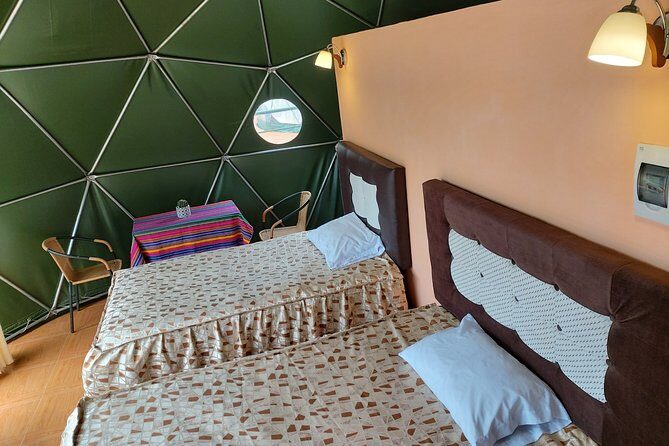
- Sky Lodge Dome sleep: comfort that actually matters at altitude
- Cusco to trailhead: why dawn starts are built into the plan
- Day 1: Cruzpata views, then cold Soraypampa camping
- Day 2: the 4,650 m pass, cloud forest, and a long 9-hour day
- Day 3: upper jungle, Lluskamayo River crossings, and La Playa
- Day 4: Llactapata sightline to Machu Picchu, then the hydroelectric-to-Aguas Calientes push
- Day 5: Machu Picchu sunrise style, guided tour, and optional Huaynapicchu
- Guides, cook, and the small-team vibe that keeps you moving
- Price and value: what’s included, what’s not, and how to budget
- What to pack: cold domes, wet jungle, and early headlamps
- Who should book this Salkantay trek (and who should think twice)
- Should you book it?
- FAQ
- Is Machu Picchu entrance included?
- Do I need to pay an entrance fee for the Salkantay trek?
- What parts of the trip are not included for meals?
- Is vegetarian food available?
- How early is pickup or start time?
- How much can porters carry for my belongings?
Key things that make this trek feel different
- Sky Lodge dome comfort for multiple nights helps you recover after brutal climbs
- Early starts and clear pacing keep the long days manageable (even the longest one)
- Machu Picchu entrance, walking tour, and train logistics are included
- Guides and cooks are a real part of the experience, not an afterthought
- Horsemen/porters carry up to 7 kg of your gear, so your daypack stays reasonable
Sky Lodge Dome sleep: comfort that actually matters at altitude
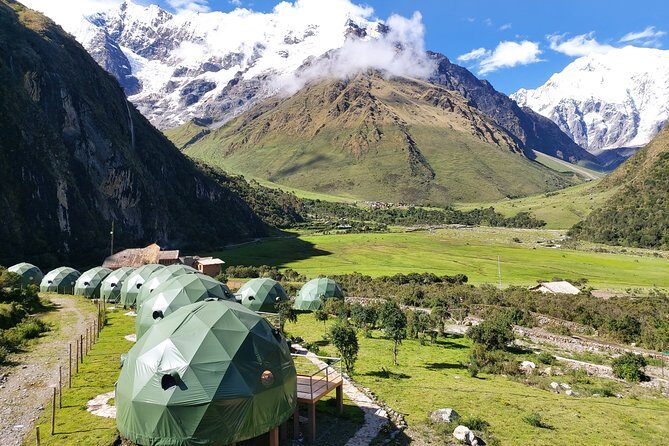
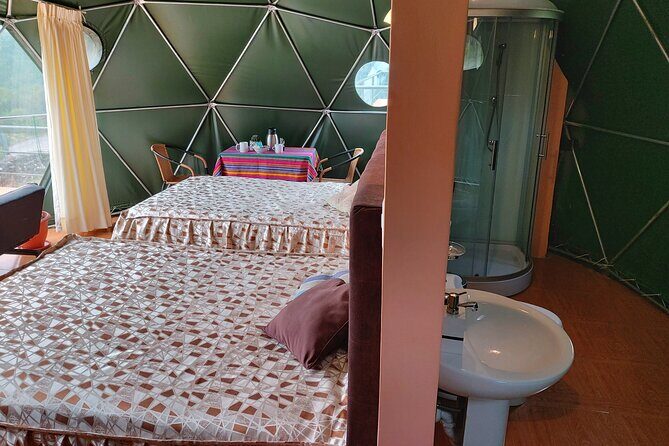
The selling point here is that you’re not just pitching a tent and hoping for the best. You get Sky Lodge dome glamping for the nights on the trek, plus an additional lodge-style stay before you reach Aguas Calientes.
The altitude is the catch. The trip’s highest camping spot is also described as the coldest, so you need real warmth. Bring the sleeping bag rating listed for cold temps (down to about -11 C / 12 F), plus layers. In other words: don’t count on the dome to do all the work.
One thing I’d call out from past experiences on this route: the domes tend to come with practical comforts like hot water, which is a big morale boost after sweaty hiking and then sudden cold air at night. And yes, you may see animals around camp in the wider lodge area, which adds a strange little calm to the whole high-mountain chaos.
You can also read our reviews of more hiking tours in Cusco



Cusco to trailhead: why dawn starts are built into the plan
You’ll meet in Cusco and then head out very early. The pickup timing in the details is around 4:30 a.m., and the official start time is listed as 5:00 a.m.—so treat the day as an early-morning operation.
From there, you’re looking at several hours of road transfer before the first hiking begins. Breakfast happens at the start area (Mollepata is where the trek begins in the provided flow), and while you eat, the cook and horsemen pack the camping and cooking gear. That division of labor matters, because it means the hike starts with less waiting on equipment later.
Also note the included transfer piece: you’ll take a tourist bus from Cusco to the trail area (Challacancha is referenced). Either way, the goal is the same: get you out of the city and onto the mountain route without you guessing which bus goes where.
Day 1: Cruzpata views, then cold Soraypampa camping

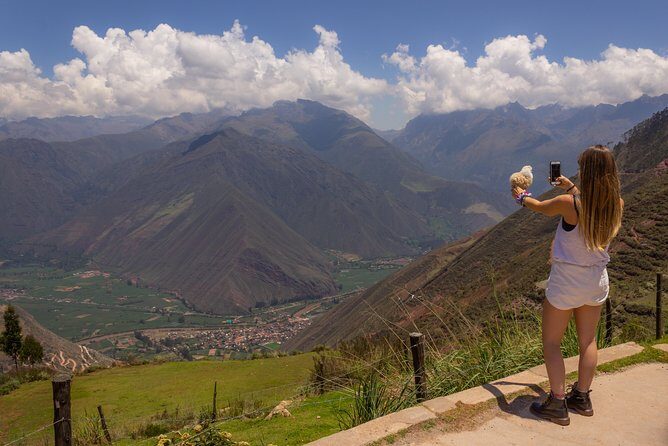
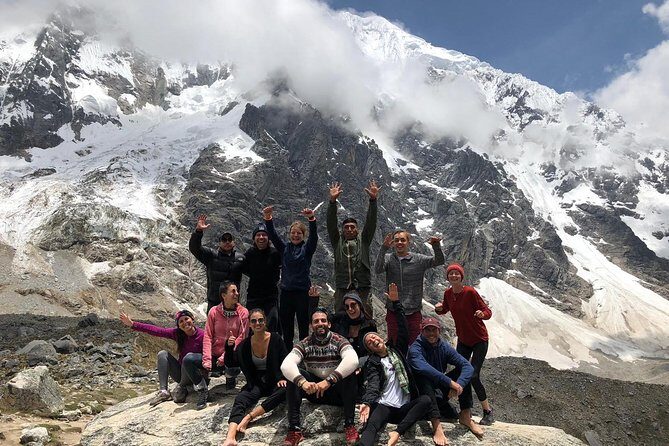
Day 1 begins with the drive, then breakfast, then an uphill start. You hike your first stretch for about three hours, climbing toward Cruzpata, where lunch comes with big views of snow-capped peaks—specifically Humantay (4,120 m) and Salkantay (6,271 m).
This is the kind of lunch stop that changes the whole mood. Early on, you’re not just walking; you’re looking. And those views act like a reward for your legs before the route takes you toward your first real campsite.
From Cruzpata, you continue toward Soraypampa, your first camping spot at around 3,800 m. This is highlighted as the highest and coldest campsite of the trek. That means you should plan for an evening where your warm clothes, gloves, and good sleep gear matter as much as your hiking boots.
The good part: you’re not carrying everything. Porters/horsemen handle camping, cooking equipment, and food, and your personal duffel is supported up to the 7 kg limit. You still carry a daypack, but your overall load is lighter than a self-organized trek.
Day 2: the 4,650 m pass, cloud forest, and a long 9-hour day
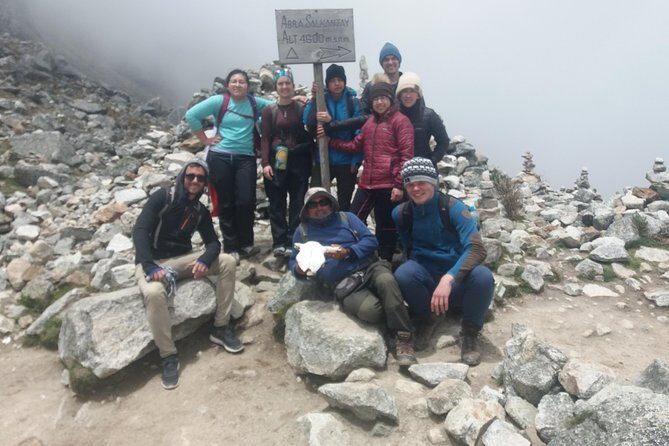
This is the big day. You start early after breakfast (around 5:30 a.m.), and the first four hours are uphill to the route’s highest pass, about 4,650 m. The description is clear: the pass sits halfway between Salkantay on the right and Tucarhuay on the left.
From the pass, the views are called incredible, and you should also treat the possibility of snow as real. That’s not meant to scare you; it’s meant to remind you that cold wind at elevation can show up even when you’re hoping for clear skies.
After a rest, the trail flips downhill. The route drops through dramatic cloud forest, then heads toward Huayracpunku for lunch. From there, you keep hiking through the direction of the jungle until reaching Chaullay Campsite.
It’s listed as about a 9-hour day, which makes pacing key. Your guide’s job is to keep the team moving but not turning the pass into a sprint. A good guide also helps you manage altitude breathing, hydration, and steady steps.
Day 3: upper jungle, Lluskamayo River crossings, and La Playa
Day 3 starts around 6:30 a.m. and shifts the feel of the trek. You walk through the upper jungle and cross the Lluskamayo River, plus several smaller brooks along the way. The route time is about six hours to reach La Playa.
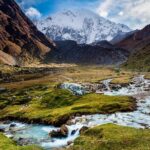
This is where the scenery changes from high-and-sparse into wet-and-tropical. You pass valleys, waterfalls, and mentions include tropical fruits and plants. The vibe is less about snow-capped drama and more about how quickly ecosystems change when you gain elevation and then drop it again.
Lunch lands in La Playa, then you rest and camp at La Loreta in La Playa. This is also a welcome reset day: the route is still hiking, but you’re moving through greener terrain instead of pushing for a pass.
You can also read our reviews of more tours and experiences in Cusco
Day 4: Llactapata sightline to Machu Picchu, then the hydroelectric-to-Aguas Calientes push
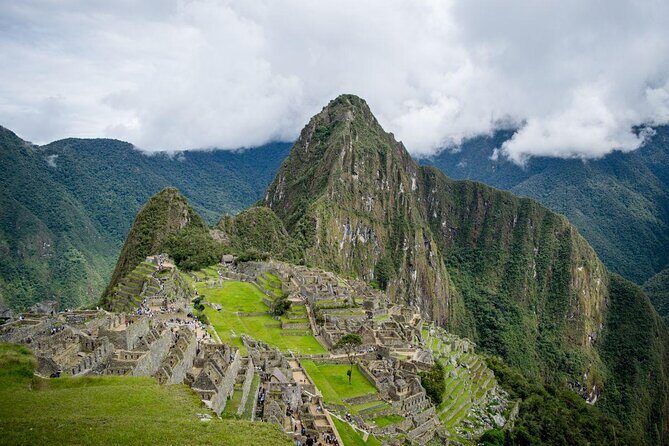
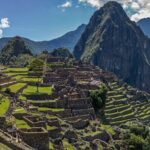
Day 4 begins with breakfast around 8:00 a.m., then you leave camp and climb on an original Inca Trail segment toward Llactapata. The payoff is a chance to see Machu Picchu far away, described as one of the most beautiful places to get that view.
Then you keep going. The route passes crop plantations and mentions coca and banana along the way. That detail matters because it tells you you’re not hiking through one locked-in postcard. You’re moving through working Andean landscapes, where agriculture grows around the same cliffs tourists photograph.
After reaching the hydroelectric station, you take lunch, then walk about 2.5 hours along the train road to Aguas Calientes. You spend the night in a hostel there.
One extra comfort you can add: the thermal springs in Aguas Calientes. The entrance is listed as 10 soles, and it’s one of the best ways to treat your feet after days of downhill pounding.
Day 5: Machu Picchu sunrise style, guided tour, and optional Huaynapicchu
Your Machu Picchu morning is built for early visibility. You wake around 4:00 a.m., then breakfast at 4:30 a.m. After that, you hike up to Machu Picchu in about 1.5 hours.
There’s also an option for people who want to optimize time and arrive more rested: catch the first bus at 5:30. The ride is listed as about 25 minutes. Either way, the point is the same—get you into Machu Picchu early enough for the best chance at a good atmosphere as the sun comes up.
Once you’re in, you get a walking tour of about 2 hours with your guide. This is valuable because Machu Picchu is easy to get lost in mentally. A guide helps you connect plazas, terraces, and key viewpoints into something that feels like a story instead of a set of stones.
After the guided part, you can explore on your own. If you still have energy, there’s an optional climb of Huaynapicchu (about 45 minutes to the top). That adds a serious vertical push on top of everything else, so take it only if your body and pacing have stayed steady.
Then you descend back to Aguas Calientes to connect with the included train back to Ollantaytambo, followed by the bus back to Cusco.
Guides, cook, and the small-team vibe that keeps you moving
The experience depends heavily on the humans running it. The tour includes a professional guide and a professional cook, plus the support team that handles horses/porters for gear and camp setup.
In past groups on this route, I’ve seen names like José and Asencio tied to the guiding team, and José Luis shows up as a guide name on some departures. Another guide name that appears is Sam, and the cook name Julian also comes up. The point isn’t the names—it’s what those guides are reported to do: keep the group functioning as a team.
That shows up in small behaviors. For example, guides make sure everyone is part of the group and that people support one another, especially when the hike hits harder segments. You’ll also benefit if your guide adjusts pace with real-life issues like weather or illness. Even the best plan needs flexibility at altitude.
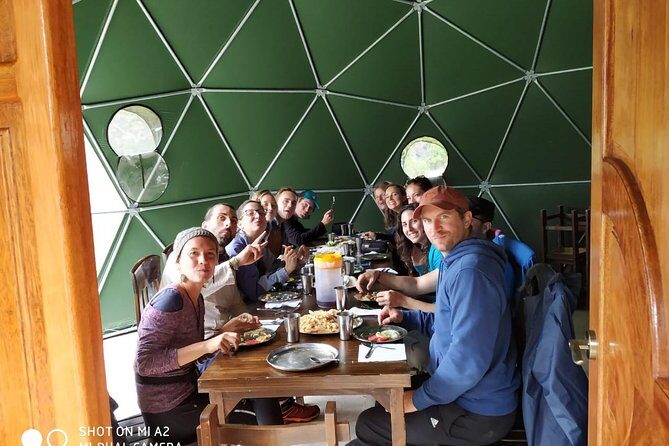
Food is another part of the value. Meals are described as delicious and abundant, and there’s a vegetarian option with no extra cost. After long days, that matters because hunger can turn a tough day into a miserable one.
Price and value: what’s included, what’s not, and how to budget
The price is listed at $761.91 per person for the 5-day trek with glamping and Machu Picchu.
Here’s what you get for that money, in practical terms:
- Hotel pickup in Cusco plus transport to the trail area
- Sky Lodge dome style lodging for the trek nights
- 01 night in Aguas Calientes (hotel/hostel)
- Meals: 4 breakfasts, 4 lunches, 4 dinners, with a vegetarian option included
- A professional guide and professional cook, plus horsemen/porters
- Machu Picchu entrance fee included
- Train back from Aguas Calientes to Ollantaytambo, plus the bus back to Cusco
- First-aid kit plus emergency oxygen bottle
- Duffel bag for your supported gear
What you still need to budget for:
- Salkantay trek entrance fee: 20 soles per person (not included)
- Breakfast day 1 is listed as not included, and lunch day 5 is not included
- Thermal springs in Aguas Calientes cost 10 soles entrance
- Bottled water is for sale in parts of the trek, and you’ll want to ask your guide about water handling
So the value equation looks good if you care about finishing clean and stress-free. You’re not paying extra for the big-ticket items like Machu Picchu entry and the train ride, and you’re buying a fully staffed trekking setup with food, cooking, and carried gear.
What to pack: cold domes, wet jungle, and early headlamps
The packing list in the details is solid, and the reasons are easy to understand given the route’s extremes. You’ll move from high passes where it can be snow-cold to jungle days where rain and moisture are common.
My packing priorities, based on what the trek demands:
- Sleeping bag rated to about -11 C / 12 F, because Soraypampa is cold
- Rain poncho or rain jacket and a wind/rain layer for your legs
- Gloves, hat, and warm layers for early mornings and night air
- Trekking poles (listed as recommended) for the long downhill work
- Headlamp, because you start early and you’ll likely be moving in dim light
- Treated water tools: water sterilizing tablets are recommended (like Micropur)
For footwear, you’re advised to bring used trekking boots, plus multiple pairs of socks (listed as 4 pairs of wool or synthetic). That’s not overkill on this kind of route. It helps prevent blisters and foot misery, especially after repeated descents.
Also bring a small day backpack, sun protection (UV is real at altitude), and simple meds. There’s a first-aid kit with emergency oxygen included, but you still want your own basics.
Who should book this Salkantay trek (and who should think twice)
This trek is for you if you want:
- A guided route with real logistics handled (gear, cooking, transport)
- The comfort of dome glamping at night after cold camps
- A Machu Picchu day that’s managed (entrance included, walking tour included, train return included)
- A manageable group size capped at 20 travelers
You might think twice if you:
- Don’t feel comfortable with early mornings, long hiking days, and a high pass around 4,650 m
- Struggle with cold nights unless you have strong layering and the correct sleeping bag rating
The fitness requirement is described as moderate physical fitness. But the schedule still includes a long second day and multiple high-altitude stretches. You don’t need to be an athlete, but you should train enough to keep a steady pace.
Should you book it?
I’d book this if you want Salkantay’s big-altitude-to-jungle variety without turning the logistics into a second job. The mix of dome comfort, guided pacing, and the included Machu Picchu entry plus train back gives you a clearer finish line than many DIY-style plans.
I’d hesitate only if your main goal is an easy vacation pace. This is a trek. The cold campsite, the long pass day, and the early Machu Picchu morning are part of the deal, not optional add-ons.
If you’re a solo traveler, this is also one of the better setups because the staff handles the heavy lifting, and the group model helps you stay supported when the hike gets tough.
FAQ
Is Machu Picchu entrance included?
Yes. The Machu Picchu entrance fee is included in the tour.
Do I need to pay an entrance fee for the Salkantay trek?
Yes. The Salkantay trek entrance fee is listed as 20 soles per person and is not included.
What parts of the trip are not included for meals?
The details list breakfast day 1 and lunch day 5 as not included.
Is vegetarian food available?
Yes. Vegetarian options are available with no extra cost.
How early is pickup or start time?
Pickup is listed as around 4:30 a.m., and the meeting/start time is listed as 5:00 a.m. in Cusco.
How much can porters carry for my belongings?
Your supported personal belongings are carried up to 7 kg, and you also get a duffel bag for those items.