REVIEW · CUSCO
Salkantay Trek 5D/4N with Glass Cabins, Domes and Hobbit House
Book on Viator →Operated by Alpaca Expeditions · Bookable on Viator
Glass domes under Andean stars hit different. This Salkantay Trek from Cusco pairs Inca-path guidance with real-comfort nights in glass cabins and domes, plus Machu Picchu for the big finale. I especially like that you get expert indigenous guidance that brings the culture to life, and that the big stuff is handled for you—meals, entrance fees, transfers, and the right train/bus rhythm. One consideration: the hike involves high altitudes and early wake-ups, and the trek needs good weather to run smoothly.
Safety and support feel built-in here. With small groups (up to 14), satellite phone coverage, an oxygen tank, and first-aid trained guides, you’re not just “winging it.” Still, you’ll need moderate fitness and you should plan for cold mornings—this is a mountain trek, not a stroll.
In This Review
- Quick take: what’s special in this Salkantay package
- Cusco’s early start: from valley stops to Humantay Lagoon views
- Day 2 over Salkantay Pass: the hardest day, done with structure
- Day 3 into the high jungle: warmer air, orchids, and the Hobbit House
- Day 4 for Inca paths and Llactapata: the Machu Picchu lead-in you’ll remember
- Day 5 Machu Picchu approach: Hidroelectrica, Intiwatana, and the long day’s payoff
- Price and value: what $680 really buys on a 5D/4N trek
- Group size, safety, and the pace that keeps you upright
- What you should pack (and what you can rent)
- Should you book this Salkantay trek with glass cabins and Hobbit House?
- FAQ
- What is the duration of this Salkantay trek?
- How much does the tour cost?
- What kind of group size should I expect?
- What time do I need to start on the first day?
- How is Machu Picchu handled during the trek?
- Are meals and entrance fees included?
- What about sleeping gear and trekking poles?
- Does the trek include Huayna Picchu?
- What happens if the weather is bad?
- Is travel insurance included?
Quick take: what’s special in this Salkantay package
- Glass Cabañas at Soraypampa make acclimatization feel less rough, with lunch and mountain views waiting for you.
- Salkantay Pass day hits the highest point (4,630 m) with a real moment to pause and honor Pachamama.
- High-jungle shift on Day 3 takes you from thin air to warmer breezes, with coffee fields and orchids along the trail.
- Hobbit House in Loreta gives you hot showers and soft bedding after the jungle miles.
- Llactapata viewpoint + Hidroelectrica canyon walk delivers Machu Picchu from a less-crowded angle.
- What’s included for $680 is unusually “all-in,” covering meals (most lunches/dinners), entrance fees, private transport, and safety gear.
Cusco’s early start: from valley stops to Humantay Lagoon views
Day 1 begins before the sun has fully clocked in. You’ll be picked up in Cusco around 4:00–4:30 AM, then ride through towns like Anta and Limatambo toward Mollepata. This long head start matters: it buys you time for acclimatization stops and keeps the trek from turning into a rushed, sweaty mess.
After roughly two hours, you’ll stop for breakfast in Mollepata, then continue on toward Challacancha, the start point of the trek. The first walking stretch is intentionally gradual—about 1.5 hours uphill—so your body can start adjusting while you’re moving at a manageable pace.
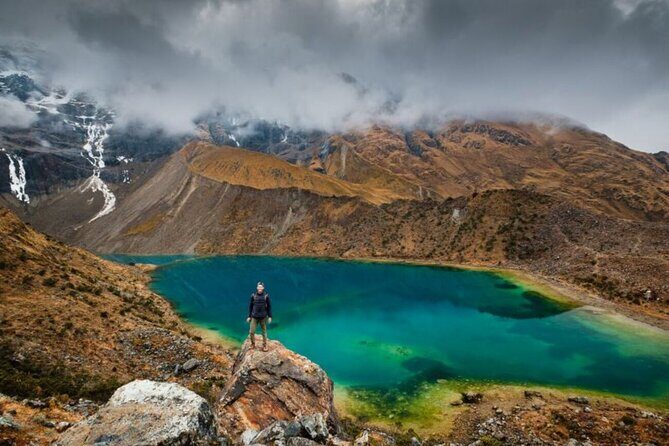
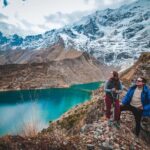
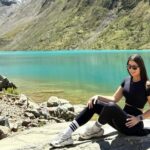
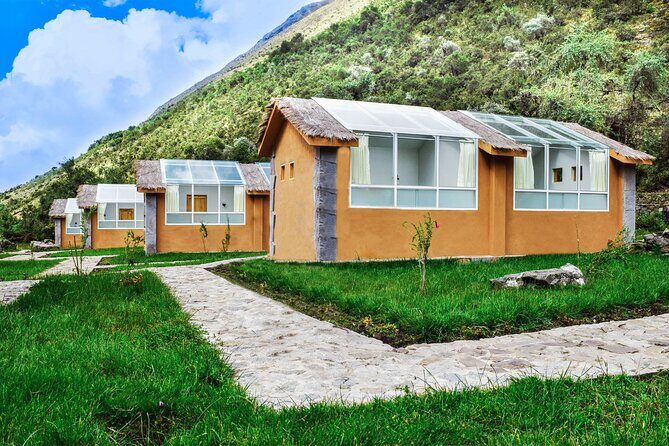
Then comes Soraypampa and the first “wow, really?” moment: you sleep at the Glass Cabañas. You’ll get a freshly prepared lunch there, and later you’ll hike to Humantay Lagoon (about 1.5 hours one way, getting steeper near the water). This lagoon sits at 5,960 m, so you’ll feel it in your breathing, but the turquoise color and the glacier backdrop make it worth the effort.
Two practical notes I’m glad this itinerary includes:
- You get downtime after returning around 4:00 PM, which helps your legs recover before tomorrow’s big climb.
- There’s a Peruvian cooking class in the evening before dinner, giving you something fun to do besides staring at your gear and replaying the elevation in your head.
The trade-off? Cold nights and early mornings. Even if the glass makes the stars look amazing, glass cabins don’t block mountain weather the way a normal hotel does.
You can also read our reviews of more hiking tours in Cusco
Day 2 over Salkantay Pass: the hardest day, done with structure
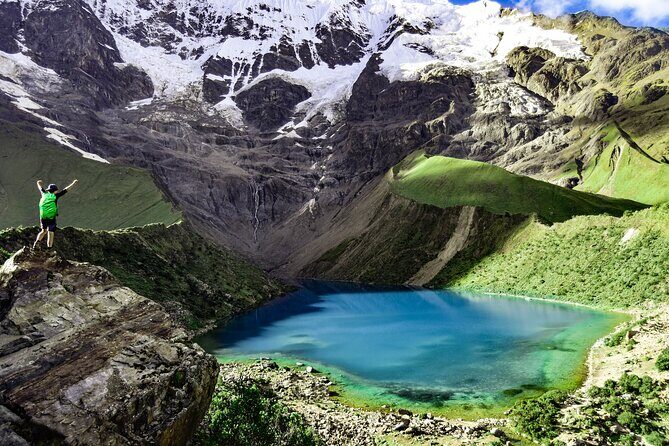
If Day 1 is “warm-up,” Day 2 is the main event. Breakfast starts at 5:30 AM at the Glass Cabañas, then you’ll set out after refilling water bottles with hot food in your stomach.
The climb to Salkantay Pass is paced in chunks:
- First a moderate uphill on a defined trail for about two hours to Salkantay Pampa (4,100 m).
- Then a steep zigzag climb for about an hour to Soyrococha, positioned under Salkantay peak.
- Lunch gets served there by your chef, right when you’ll most want fuel.
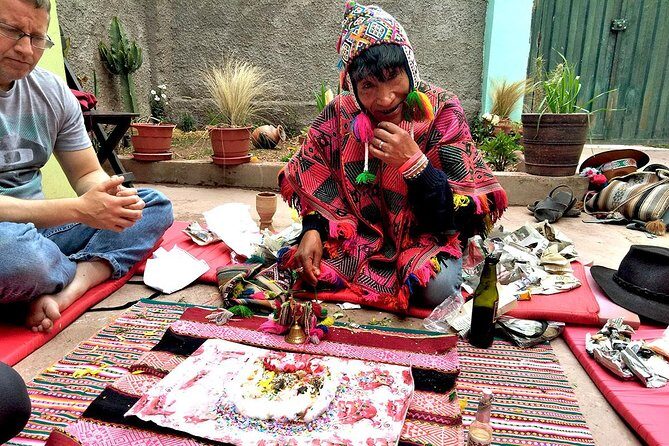
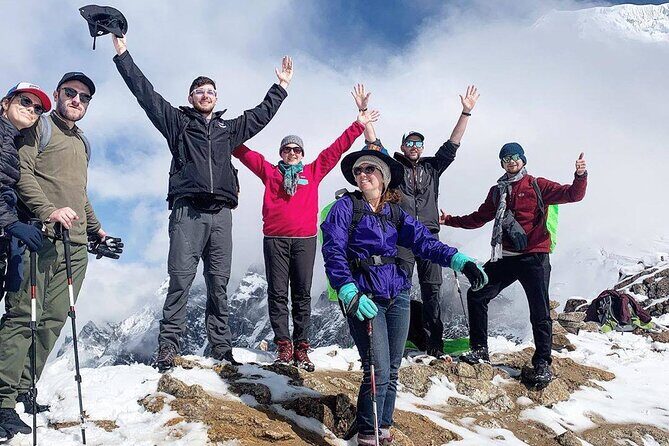
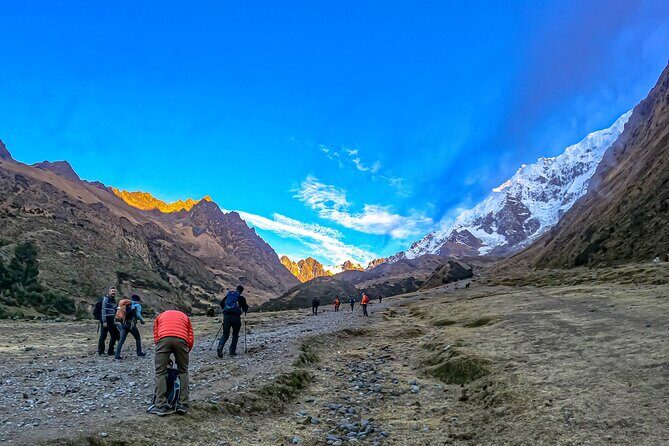
After lunch, there’s the final push of the day—about an hour to reach Salkantay Pass (4,630 m). At the top, you’ll honor Pachamama and take in the snow-capped Andes views. This isn’t just a photo stop. It’s a reminder that the trail is part of living Inca tradition, not only a hiking route.
Then you descend for roughly 2.5 hours to Wayracmachay camp (3,800 m). Here you switch to the Glass Domes for dinner and night skies again. The dome setup is a smart design choice for this trek: after a brutal altitude day, you’re more likely to sleep well when you have warm bedding and a protected setup rather than a totally exposed camping experience.
What I’d watch for: this is the day most likely to test you. The trail goes high, and the highest point is real. If you’re sensitive to altitude, take it slow on the zigzags and don’t try to “win the hike.” You’ll feel better on the descent if you don’t burn your energy too early.
Day 3 into the high jungle: warmer air, orchids, and the Hobbit House
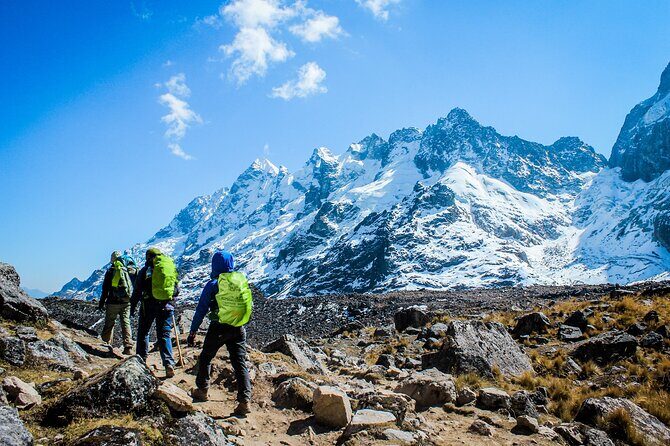
Day 3 is where the trek changes gears. You’ll move from high Andes altitude into lush high jungle conditions—warm breezes, tropical vegetation, and wildlife potential.
The day starts with tea delivered to your room and breakfast, then packing snacks and filling bottles again before you start. The walk is mostly downhill, which is nice on paper, but remember: downhill can still be hard on knees. The goal is easy control—short steps and steady pacing.
After about two hours, you reach Rayanpata, and that’s when the jungle begins. A short break gives you time to hydrate and listen to the forest sounds. Then you continue about two more hours to Colpapampa (2,950 m) for a lunch prepared by the cook. Even the lunch stop feels tied to the setting here—this day is about shifting environments, not just covering distance.
From Colpapampa, the trail continues for about four hours along narrow jungle paths. You may spot waterfalls, orchids, and coffee fields, depending on the time of year and what the guides point out.
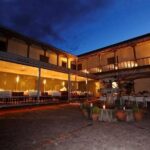
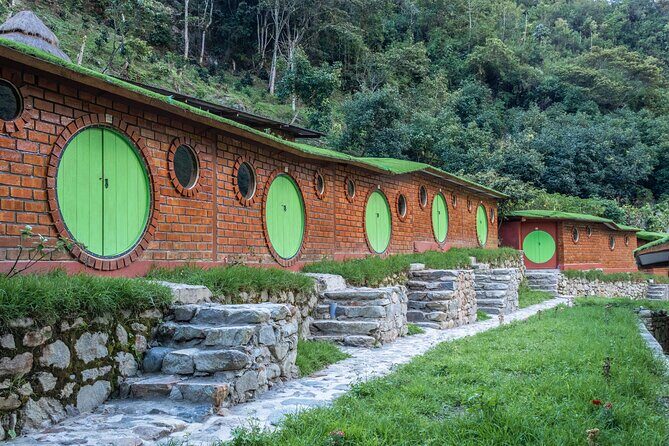
Your end point is Loreta, where you stay at the Hobbit House—an eco-lodge with hot showers and soft bedding. That matters. After two days of sleeping in more basic terrain, a real shower and comfortable bedding can make your recovery feel instant.
One more perk: the Hobbit House location makes it easy to slow down. You’re not rushed to move again. You can sit in the forest air and let your body reset for the Machu Picchu approach tomorrow.
Day 4 for Inca paths and Llactapata: the Machu Picchu lead-in you’ll remember
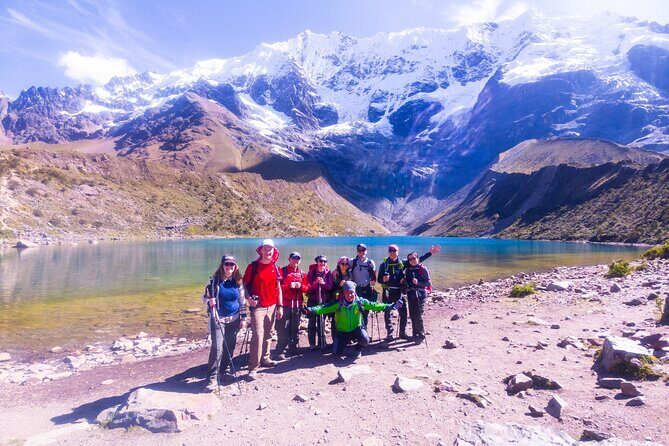
Day 4 is built around history, nature, and the feeling that you’re nearing something huge. After breakfast at the Hobbit House, you’ll take a 30-minute drive to Lucmabamba to begin the hike.
This is one of the more scenic and culturally meaningful stretches: an uphill trek along a well-preserved Inca Trail. Expect stonework and a mix of forest plants like coffee, bananas, and avocados. The walk isn’t just pretty—it’s also a way to get closer to Machu Picchu without arriving as a herd.
After about four hours, you reach Llactapata (2,700 m), an archaeological site with panoramic views of Machu Picchu. Your guide provides a short tour, which is where the “culture plus hiking” balance really shows up.
Then comes a descent of about 1.5 hours to Hidroelectrica for lunch. It’s also the last lunch with the trekking crew, which gives you a natural moment to say thanks. If you’ve been relying on porters to carry your gear, this is your cue to be appreciative—small gesture, big morale.
After lunch, you walk along railway tracks through the Machu Picchu canyon for about 3 hours. This part is special because you’re moving through the canyon rather than marching directly up to the gates. You might see orchids, butterflies, and possibly wildlife like monkeys or spectacled bears, depending on conditions.
At the end, you arrive in Aguas Calientes, check in, and enjoy a hot shower. Next day will be Machu Picchu, so this is your chance to rest and be ready.
Day 5 Machu Picchu approach: Hidroelectrica, Intiwatana, and the long day’s payoff
Your final day starts with a wake-up drink and then breakfast cooked by the trekking chef. You’ll begin with a scenic 2-hour downhill walk that offers Machu Picchu views as you head toward Hidroelectrica Station.
One highlight of this area is the towering 300-meter natural waterfall, which provides electricity to the Cusco region. It’s one of those details that makes the route feel connected to the real world, not just “tourism scenery.”
From Hidroelectrica, you continue to Intiwatana, the stone associated with Inca alignment with Machu Picchu during the winter solstice—tied to marking a new agricultural season. If you like meaningful stops, this is one. It frames Machu Picchu not as a random landmark, but as part of seasonal Inca life.
After Intiwatana, you follow a walking path along the train tracks, then arrive in Aguas Calientes. You’ll check into your hotel for another hot shower, then have a final dinner with your chef.
Practical takeaway: Day 5 is shorter than the hardest climbing days, but it’s still a full experience day. If you like finishing strong, this is where the trek’s effort turns into actual access and celebration.
Price and value: what $680 really buys on a 5D/4N trek
For $680 per person (5 days approx.), this trek stands out mainly because it’s not nickel-and-dimed. You get:
- All meals during the tour except the last lunch (and the tour claims it can cater to dietary restrictions)
- Entrance fees for Sacred Valley, Salkantay, and Machu Picchu
- Private transportation during the tour
- Accommodations across the route: 1 night at Glass Cabañas, 2 nights camping, 1 night at the Hobbit House, 1 night at a Hotel
- Professional chefs and porters
- A personal porter up to 7 kg per person, with a duffle bag provided at briefing
- Drinkable water during the trek
- Safety gear: first aid kit, oxygen tank, and satellite phone
- The transportation spine: train ticket for the way back and a round trip bus ticket to Machu Picchu
That list is the difference between a trek that looks good on paper and one that’s genuinely manageable for your time and energy. You’re paying for people to handle logistics so you can spend your effort on altitude, footing, and enjoying the moment.
What’s not included matters too:
- Sleeping bag, air mattress, trekking poles (rentals are available)
- Huayna Picchu (needs advance booking)
- Tips for the crew
- Travel insurance (advisable)
- Hotel in Cusco before and after the tour
My advice: if you hate scrambling to piece everything together, this package is built for you. If you’re already traveling very light and fully set up with gear, you might be able to find cheaper options, but you’re likely giving up parts of the “done for you” value.
Also: the operator is Alpaca Expeditions, described as 100% Local and indigenous, supporting local communities with jobs, training, education, healthcare, and reforestation projects. That’s the kind of detail I like to see when I’m paying for a long trek.
Group size, safety, and the pace that keeps you upright
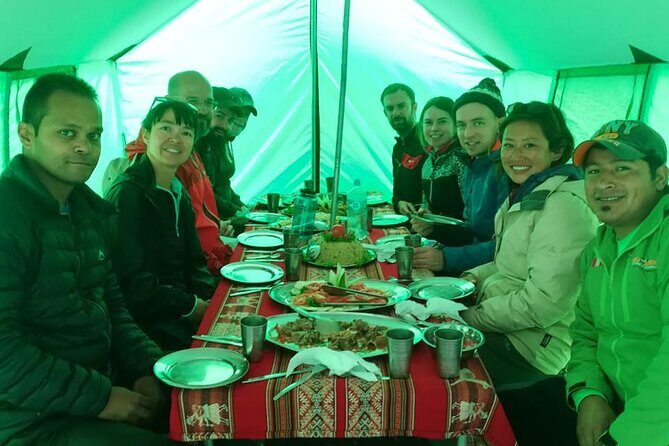
This is a small-group trek: maximum 14 travelers. Smaller groups usually mean fewer waits and more flexibility, especially on the trail where timing matters for views and meal stops.
Safety features are also clearly listed:
- Satellite phone
- Oxygen tank
- First aid trained guides
- Guides speaking English
- Personal porter support up to 7 kg
That last part is more important than it sounds. On a long multi-day trek, the mental load of carrying your own gear can steal energy you’d rather spend on altitude and enjoyment. With a personal porter up to 7 kg, you can keep your day pack more realistic for walking and water refills.
Pace-wise, the itinerary alternates effort and recovery:
- Day 1: gradual uphill + Humantay as a managed push
- Day 2: steepest day, highest point
- Day 3: mostly downhill plus jungle variety
- Day 4: Inca trail climb + Hidroelectrica canyon walk
- Day 5: shorter walk + key spiritual/archaeology stop
You’ll still work hard, but you’re not working hard all day every day.
What you should pack (and what you can rent)
Your best planning move is to look at what’s not included and decide what you want to carry versus rent.
Not included: sleeping bag, air mattress, trekking poles. Rentals are available, so you don’t have to show up with everything.
For most people, I’d prioritize:
- Trekking shoes you trust on rocky, uneven ground
- Layers for cold mornings (the early starts mean temperatures can drop fast)
- A day pack sized for water and snacks
- A light jacket even if the jungle day feels warm, since altitude can swing temperatures
Also, bring patience for the altitude days. You can’t outpace elevation. You can only respect it.
Should you book this Salkantay trek with glass cabins and Hobbit House?
I’d book it if you want the classic Salkantay-to-Machu Picchu experience, but with real creature comforts at key points. Glass Cabañas and Glass Domes are a smart upgrade for nights when you’re tired and cold. The Hobbit House gives you hot showers and soft bedding when you most need recovery. And the itinerary’s mix—Inca trail walking, Llactapata viewpoint, then the Hidroelectrica-to-Aguas Calientes canyon walk—helps you experience Machu Picchu as more than a single-day checkbox.
You should think twice if you’re not comfortable with early mornings, high altitude hiking, and cold-weather sleeping. This trek also needs good weather to operate. And if you specifically want Huayna Picchu, you’ll need to handle that separately since it isn’t included.
If you’re aiming for value, safety support, and an experience that feels guided and intentional without being stiff, this one checks a lot of boxes.
FAQ
What is the duration of this Salkantay trek?
The trek is 5 days (about 4 nights), running out of Cusco and ending with access to Machu Picchu via Aguas Calientes.
How much does the tour cost?
It’s listed at $680.00 per person.
What kind of group size should I expect?
The maximum group size is 14 travelers.
What time do I need to start on the first day?
Your Cusco pickup is scheduled around 4:00–4:30 AM. The meeting point start time is also listed as 8:00 AM, so plan around an early departure on Day 1.
How is Machu Picchu handled during the trek?
You’ll finish the trek in Aguas Calientes, then you’ll have your Machu Picchu day through a round trip bus ticket. You also include train ticket for the way back.
Are meals and entrance fees included?
Yes. You get all meals during the tour except the last lunch, and entrance fees for Sacred Valley, Salkantay, and Machu Picchu are included. Dietary restrictions are accommodated.
What about sleeping gear and trekking poles?
Sleeping bag, air mattress, and trekking poles are not included, but they are available for rent.
Does the trek include Huayna Picchu?
No. Huayna Picchu Mountain is not included and it requires advance booking.
What happens if the weather is bad?
The trek requires good weather. If it’s canceled due to poor weather, you’ll be offered a different date or a full refund.
Is travel insurance included?
No. Travel insurance is not included, and it’s listed as advisable.