REVIEW · CUSCO
Sacred Valley and Machu Picchu Excursion 2 days / 1 night
Book on Viator →Operated by World Explorer Peru · Bookable on Viator
Machu Picchu starts before the sun. This 2-day, 1-night excursion strings together Pisac, Urubamba, and Ollantaytambo before an early guided morning at Machu Picchu, with practical transfers handled for you. I like that the plan gives you a real guide-led walkthrough of the big Machu Picchu highlights, not just a drop-off-and-hope situation.
My main caution: double-check the included tickets and meeting details. A few guests reported surprises around entrance payments, timing, or train seating, so it’s smart to confirm what’s already covered and keep your paperwork handy.
In This Review
- Key Highlights You’ll Feel Fast
- Why This Cusco-to-Machu Picchu Plan Makes Sense
- Day 1 in the Sacred Valley: Pisac, Urubamba, Ollantaytambo
- Pisac: Inca Architecture and Tombs East of the Mountains
- Urubamba: The Practical Pause with a Buffet Lunch
- Ollantaytambo: Stone Platforms, Temples, and Inca Resistance
- The 6:00 a.m. to 8:00 a.m. Machu Picchu Plan (and Why It’s Worth It)
- The Guided Walk: The Temples and Viewpoints That Actually Matter
- The One-Hour Free Photo Window
- Getting Back to Cusco: Train Timing and the Ollantaytambo Transfer
- Price and Logistics: Does $479 Feel Like a Win?
- Altitude, Pace, and What to Pack for Machu Picchu
- Who This Tour Fits Best (and Who Might Want Another Option)
- Should You Book This Sacred Valley and Machu Picchu Excursion?
- FAQ
- What time does the Machu Picchu day start?
- Are meals included?
- Is the Machu Picchu entrance ticket included?
- What about Huayna Picchu or Machu Picchu Mountain?
- Is pickup from Cusco included?
- How big is the group?
- Do I need to bring water?
Key Highlights You’ll Feel Fast
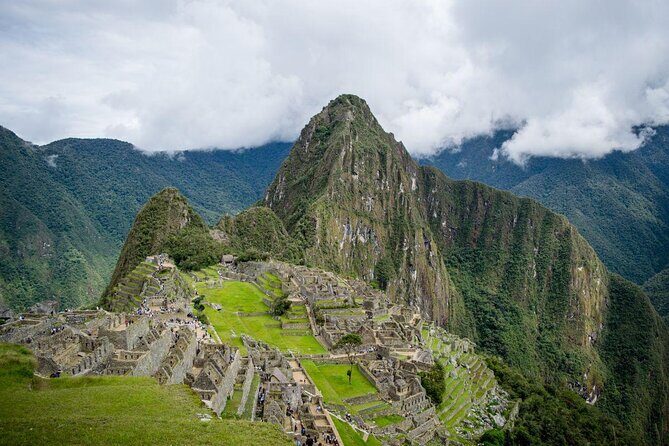
- Early Machu Picchu timing: depart at 6:00 a.m., enter the sanctuary at 8:00 a.m.
- Guided Machu Picchu route: a focused 2-hour visit covering key spots like the Temple of the Sun and Temple of the Condor
- Photo window built in: you get 1 free hour at Machu Picchu for personal photos
- Sacred Valley “big three” routing: Pisac, Urubamba, and Ollantaytambo in one smooth run
- Small group size: maximum 14 travelers, which usually makes logistics easier and faster
Why This Cusco-to-Machu Picchu Plan Makes Sense
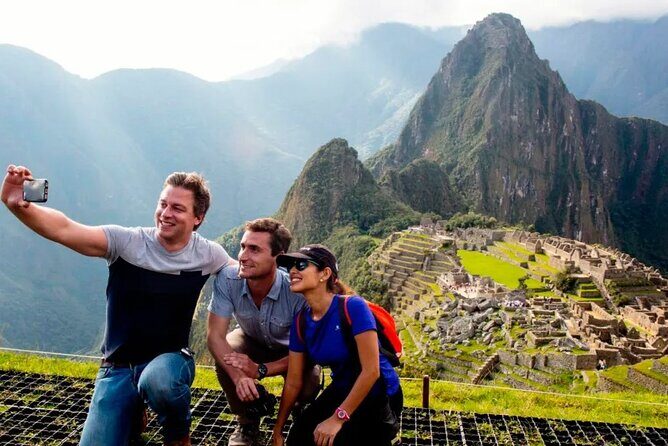
If you’re short on time (or you just don’t want to wrestle buses, tickets, and schedules), this kind of 2 days / 1 night itinerary is a good fit. You wake up in Cusco territory, cover the Sacred Valley highlights on Day 1, then go for Machu Picchu on Day 2 with a guided visit.
The value is in what’s bundled: pickup from your Cusco hotel area, a 3-star hotel with breakfast, and the big transportation pieces (train and the bus up to the ruins). That means less planning stress and more time spent doing the actual sightseeing.
It’s also designed for first-timers. The timing and site order are the kind of structure that helps you connect the dots between Inca centers in the Sacred Valley and the grand, purpose-built engineering at Machu Picchu.
You can also read our reviews of more evening experiences in Cusco

Day 1 in the Sacred Valley: Pisac, Urubamba, Ollantaytambo
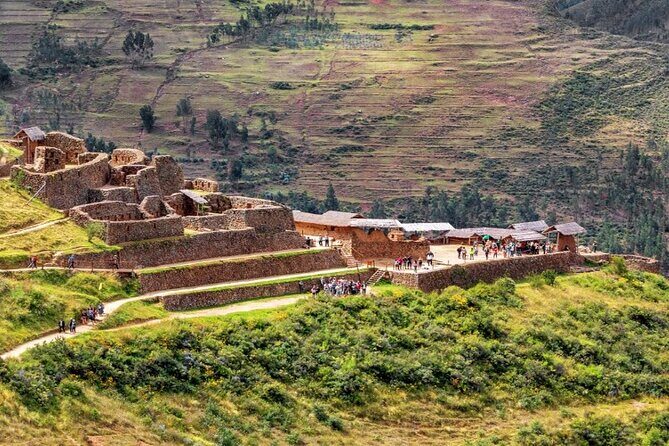
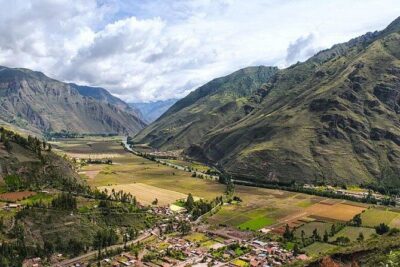
Day 1 is where you build context. Instead of treating Machu Picchu like a one-off miracle, you get a sense of how the Incas used different places for trade, agriculture, worship, and defense.
Pisac: Inca Architecture and Tombs East of the Mountains
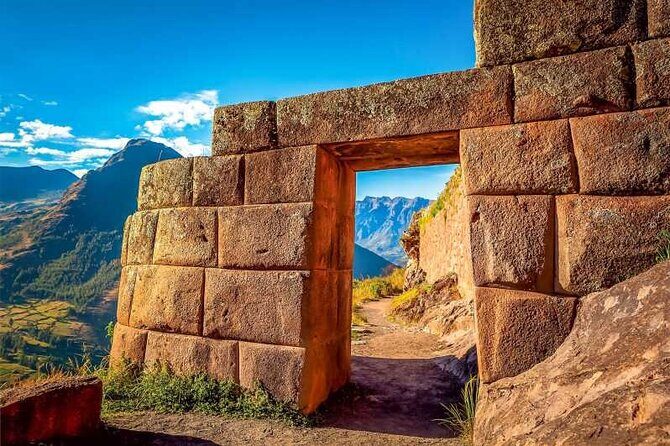
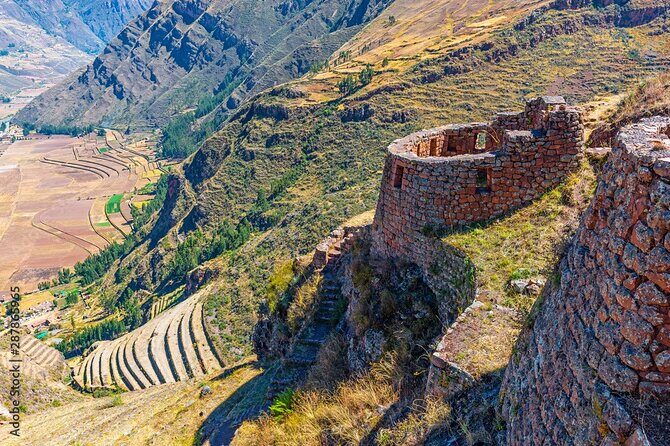
Pisac is one of the major stops in the Sacred Valley. Expect impressive stonework and the kind of site layout that shows how the Incas carved importance into the terrain. This stop is listed as about 1 hour, and it’s one of those places where even if you’re not a hardcore archaeology person, you can still feel the scale and craftsmanship.
One practical note: Pisac is popular and active. That’s great for energy, but it also means you’ll want comfy walking shoes and a steady pace—especially if you’re already adjusting to altitude in Cusco.
Urubamba: The Practical Pause with a Buffet Lunch
Urubamba is the administrative and commercial hub of the Sacred Valley. In plain terms: you see more local life and tourism services side-by-side, with a lot of people passing through.
This is also where lunch lands. You get a typical buffet lunch of the area, and that matters more than it sounds. When Day 2 starts at 6:00 a.m., a solid, included meal the day before helps you avoid the all-too-common mid-trip hunger spiral.
Urubamba is also a good moment to reset mentally. After Pisac’s ruins, you get a more human break—restaurants, movement, and a chance to breathe before you head to Ollantaytambo.
Ollantaytambo: Stone Platforms, Temples, and Inca Resistance
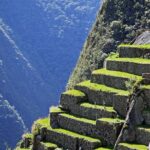
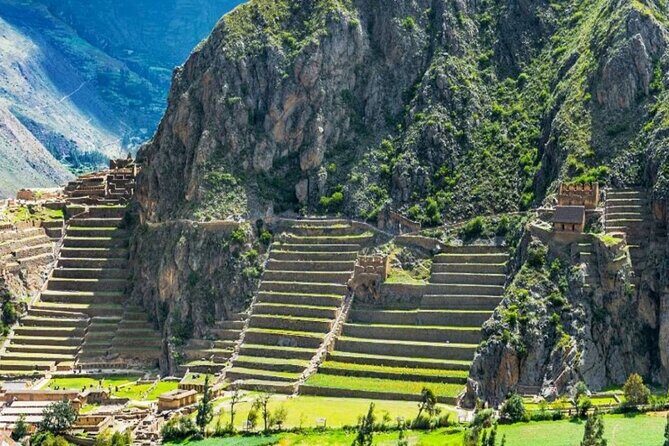
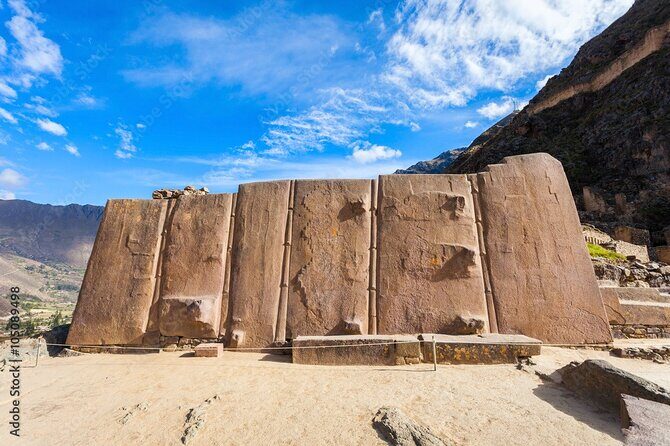
Ollantaytambo is a standout for anyone who likes their history with drama. This was a strategic military, religious, and agricultural center, and the place still shows off its tight stone engineering—platforms and imposing structures that rise well above you.
You’ll also hear how Manco Inca faced Spanish troops led by Hernando Pizarro and won. That story adds weight to what you’re seeing. It’s not just pretty ruins; it’s a snapshot of conflict, planning, and endurance.
During this stop, you’ll focus on major named areas such as:
- the temples of the Sun
- ceremonial bathing areas (including descriptions tied to the Inca and the Qoya)
- the ceremonial bath of the Qoya
- the “Colcal of Food” area
- plus several other structured features in the park
The stop is short on the schedule, so try to keep your expectations realistic. This day is about coverage and flow—not a slow museum-style pace.
You can also read our reviews of more tours and experiences in Cusco
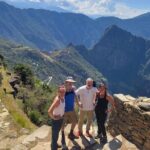
The 6:00 a.m. to 8:00 a.m. Machu Picchu Plan (and Why It’s Worth It)
Day 2 starts very early. You’ll have breakfast ready at your hotel, then you board a bus at 7:00 a.m. for about 25 minutes to the Machu Picchu area. Entrance to the sanctuary is 8:00 a.m.
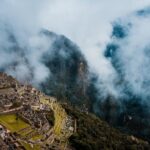
This early structure matters because Machu Picchu gets busy fast. Even if you don’t care about crowds, going early generally gives you better breathing room for photos and movement. It also helps you avoid the hottest part of the day, which is no small thing when you’re walking around stone paths at altitude.
The Guided Walk: The Temples and Viewpoints That Actually Matter
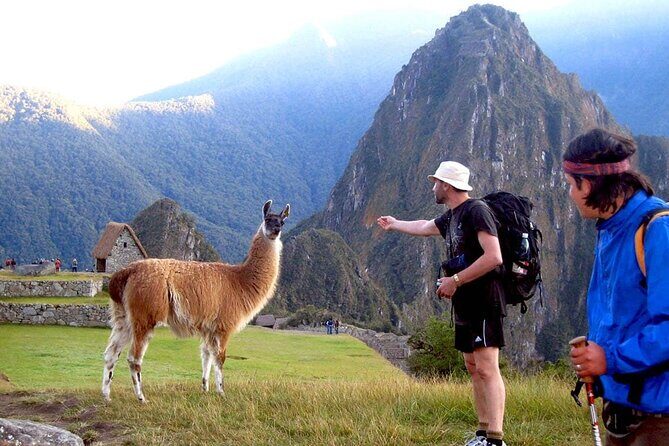
You’ll spend about 2 hours with a guide covering the key areas people come to see, including:
- the House of the Watchman
- the Temple of the Sun
- the Temple of the Three Windows
- the Sacred Stone
- the Water Mirrors
- the Temple of the Condor
This is where the tour pays off. With a guide, you get orientation. You’re not just looking at ruins—you’re learning what you’re seeing, why those spots were chosen, and how the layout connects.
The One-Hour Free Photo Window
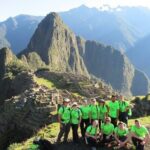
After the guided portion, you get 1 free hour for personal photos. This is your time to slow down, reframe your shots, and focus on what you care about most—views, details, or just getting enough pictures to actually remember the day.
That photo time is also a quiet fix for a common problem on group tours: everything happens fast, and you never get to slow down for your own angle. Here, you do get space.
Getting Back to Cusco: Train Timing and the Ollantaytambo Transfer
After you finish Machu Picchu, you return to the city of Cusco in the afternoon by train route described as Aguas Calientes – Ollantaytambo, followed by mobility from Ollantaytambo Station back to Cusco.
The good part is that you’re not left figuring out the back half of the journey. You have a train ticket, and you have a transfer waiting for you once you arrive in Ollantaytambo.
The caution: one review flagged a seating issue on the train. That doesn’t mean it will happen to you, but it’s a reminder to:
- keep an eye on your actual seat/coach details when you board
- have your ticket info ready
- be ready to show the staff your booking details calmly
With early starts, even small friction can feel bigger. Staying alert helps.
Price and Logistics: Does $479 Feel Like a Win?
At $479 per person, this isn’t the cheapest way to do Sacred Valley and Machu Picchu. So you should ask what you’re really buying.
Here’s what the package includes:
- hotel (3-star) and breakfast
- breakfast and lunch
- pickup from your Cusco hotel in the historic center area (about 40 minutes before departure)
- professional guide
- buffet lunch on Day 1
- train ticket
- bus ticket to Machu Picchu
- Machu Picchu entrance ticket (listed as 70 soles)
- mobility from Ollantaytambo Station to Cusco
What’s not included:
- Huayna Picchu / Machu Picchu mountain ticket
So, the value is mostly about bundling the hard parts: getting there, getting in, and getting back. If you would otherwise have to piece together train schedules, entrance timing, and transfers yourself, the price starts to look more reasonable.
That said, a few past guests reported entrance payment confusion (even when entrances were supposed to be included). If you book, treat your tour paperwork like it’s part of the itinerary:
- double-check that Machu Picchu entrance is already covered under your voucher
- ask for clarification on any site fees before you reach the gate
- keep a screenshot or printed copy of your inclusions
It’s the difference between an easy day and an annoying one.
Altitude, Pace, and What to Pack for Machu Picchu
You’ll be operating at altitude the whole time. Minimum altitude is listed at 2420 masl, and Machu Picchu is listed up to 2450 masl.
The tour lists trekking demand in Machu Picchu llacta as moderate. Translation: you’ll walk, you’ll climb some steps and paths, and you’ll feel it if you move slowly at altitude. This isn’t the kind of itinerary where you can skip movement entirely.
Bring at least 2 liters of water. Hydration is one of the simplest ways to make the day feel easier.
For clothing and footwear, use common sense: supportive shoes, layers for morning chill, and something light for sun later. The schedule is early and outdoors-heavy, so comfort matters.
Who This Tour Fits Best (and Who Might Want Another Option)
This fits you well if:
- you want to see the big Sacred Valley stops plus Machu Picchu in just 2 days / 1 night
- you like the structure of an early start and guided explanations
- you’d rather pay for organization than manage schedules yourself
- you’re happy with a “highlights” approach over a slow, stay-all-day method
You might think twice if:
- you want long, unstructured time at each ruin
- you’re extremely sensitive to pacing, because the Day 1 sites are scheduled and coverage-heavy
- you strongly depend on English-only explanations; while English is offered, at least one past guest reported receiving Spanish explanations despite requesting English
The best way to avoid disappointment is to set expectations: this is a plan designed to cover highlights efficiently, not to recreate an independent day.
Should You Book This Sacred Valley and Machu Picchu Excursion?
I’d book it if you want a practical route, included transport, and a guided Machu Picchu visit that gets you to the key named spots plus time for photos. The included hotel, meals, and the Machu Picchu entrance coverage are the backbone of the value.
I’d also book it with one mindset shift: confirm inclusions and meeting details before you go. A couple of operational slips were reported in the past, and that’s exactly the kind of small thing that can spoil an otherwise great trip. If you arrive prepared—ticket info, clear expectations on fees, and calm flexibility on timing—you’ll likely get the experience this itinerary is built for: Sacred Valley context, then Machu Picchu with real guidance.
FAQ
What time does the Machu Picchu day start?
Day 2 starts early. You’ll have breakfast ready at your hotel, then you board the bus at 7:00 a.m., and the Machu Picchu entrance is at 8:00 a.m.
Are meals included?
Yes. Lunch and breakfast are included, and the 3-star hotel includes breakfast.
Is the Machu Picchu entrance ticket included?
Yes. Machu Picchu entrance is included and listed as 70 soles.
What about Huayna Picchu or Machu Picchu Mountain?
That ticket is not included.
Is pickup from Cusco included?
Yes. Pickup is offered from your hotel in the historic center area, about 40 minutes before the excursion departure.
How big is the group?
The tour has a maximum of 14 travelers.
Do I need to bring water?
Yes. It’s recommended to bring at least 2 liters of water for hydration.