REVIEW · CUSCO
Cusco: Open Bus Tour of the City’s Wonder’s
Book on GetYourGuide →Operated by MYSTICAL LEAF TRAVEL · Bookable on GetYourGuide
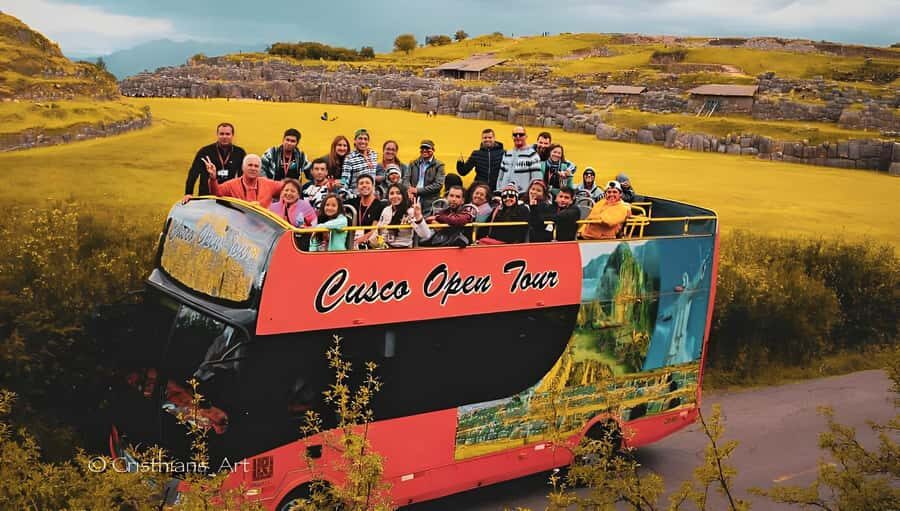
Cusco gets loud fast, then rewards you fast. This open-bus tour gives you big panoramic views without tiring your legs. I like that there’s a professional bilingual guide explaining what you’re seeing as you glide around town.
One thing to plan around: the bus ride is more “look from the road” than “walk the ruins.” It also doesn’t make stops or enter Sacsayhuamán, Q’enqo, and Puca Pucara, so your best photo moments are from the bus windows.
Overall, this is a good-value, first-day kind of tour when you want orientation, angles, and quick context for Cusco’s Inca-era landmarks and viewpoints. Just know that you’ll want weather-ready clothing, because the tour runs in rain, too.
In This Review
- Key Highlights to Know Before You Ride
- Cusco From the Bus: Why This Tour Works as a First-Day Plan
- Where You Go in 2.5 Hours: The Inca-Style View Loop
- The First Big Panoramas: San Cristóbal, Colcampata, and Plaza de Armas
- The Christ Statue Pause: A Quick Break With Big Skyline Reward
- Rain-Ready Open-Bus Reality: Upper Views, Lower Deck Comfort
- Price and Value: What $12 Buys You in Cusco
- Timing, Pickup, and the Real-World Logistics That Matter
- What to Pack (So You Don’t Spend the Tour Feeling Miserable)
- Who Should Book This Tour (and Who Should Skip It)
- Should You Book the Cusco Open Bus City’s Wonder Tour?
- FAQ
- How long is the Cusco open bus tour?
- What does the tour include?
- Does the bus enter Sacsayhuamán, Q’enqo, and Puca Pucara?
- Is food and drink included?
- What language is the guide?
- What should I bring for the tour?
- FAQ
- Is the tour affected by rain?
- Is this tour suitable for wheelchair users?
Key Highlights to Know Before You Ride
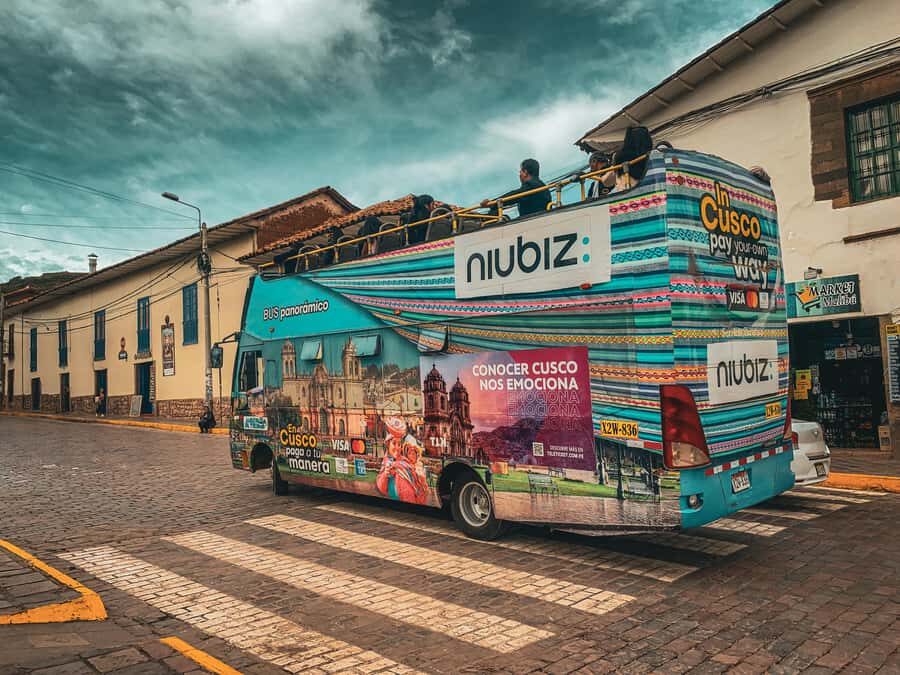
- Comfortable open bus for a smooth, easy way to see Cusco from above
- Professional bilingual guide sharing context in a clear, on-the-go way
- Inca site viewpoints of Sacsayhuamán, Q’enqo, and Puca Pucara from the route
- Plaza de Armas panoramas you’ll spot while passing key historic areas
- Pause by the white Christ statue for skyline views and photos
- Limited-capacity feel on some departures, which can make viewing and photos less crowded
Cusco From the Bus: Why This Tour Works as a First-Day Plan
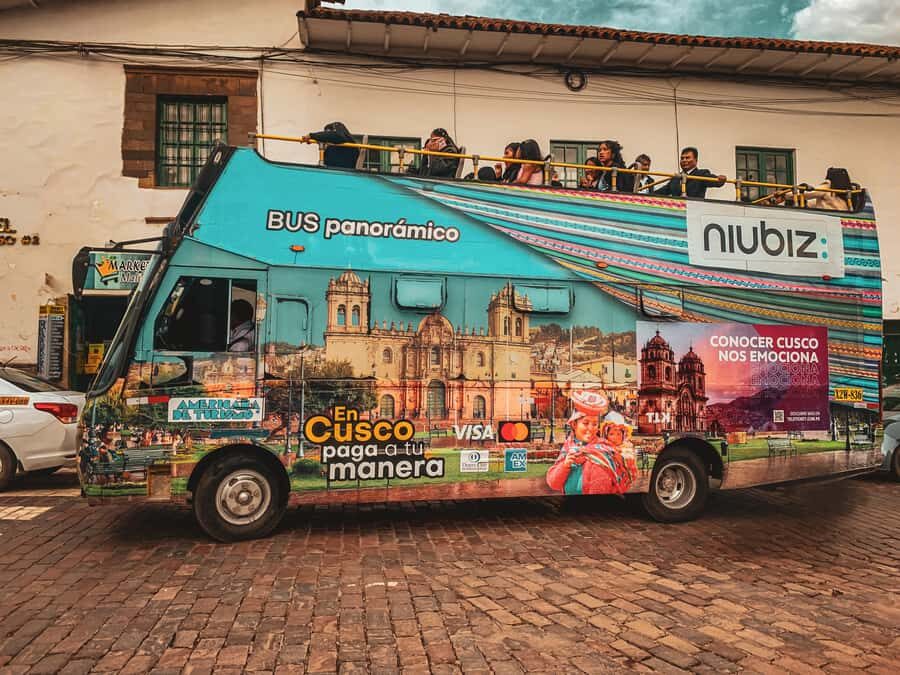
Cusco can be confusing on your own. Streets crisscross, ruins sit on hills, and the same mountain ridgeline shows up in different places. This tour is built for getting your bearings fast—without the stress of figuring out transport, timing, and where the viewpoints actually are.
You ride in a comfortable open bus with a guide who talks as you go. That matters, because Cusco’s landmarks connect visually. You’re not just collecting stops; you’re learning how the city’s layout and Inca-era placement relate to the modern streets below.
Another plus: the mood is relaxed. On at least one departure, the guide Josh was described as entertaining, and people walked away with a stack of great photo opportunities. That’s the right vibe for an easy orientation tour: enough personality to keep it fun, enough explanation to make the sights feel meaningful.
You can also read our reviews of more city tours in Cusco
Where You Go in 2.5 Hours: The Inca-Style View Loop
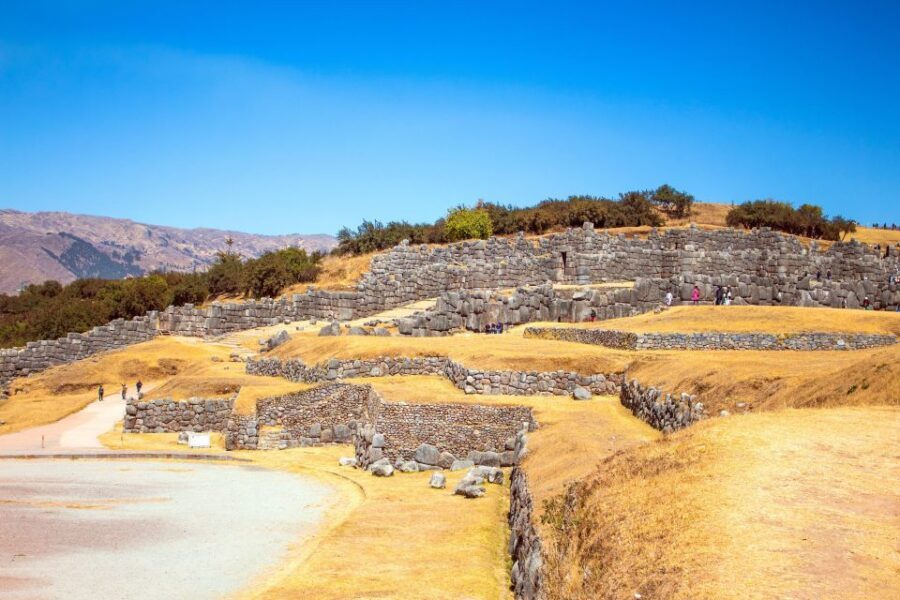
The core of the tour is a 150-minute circuit that focuses on Cusco’s most famous archaeological viewpoints from the bus. The big names on your route are Sacsayhuamán, Q’enqo, and Puca Pucara—and you’ll see them as part of the skyline and hilltop panorama.
Important reality check: the bus does not enter those archaeological sites, and it does not make stops at them. So treat this as a viewing tour, not a ruins-walk tour. If you want to wander among carved stones and walk the sites properly, you’ll need a different type of excursion.
That said, “viewing from the road” can be surprisingly satisfying in Cusco. Sacsayhuamán, Q’enqo, and Puca Pucara sit in dramatic positions, and the bus route gives you angles you can’t easily get just by standing on one street corner. You’ll get the big picture: where these places sit relative to the city and how the hills shape Cusco’s geography.
The First Big Panoramas: San Cristóbal, Colcampata, and Plaza de Armas
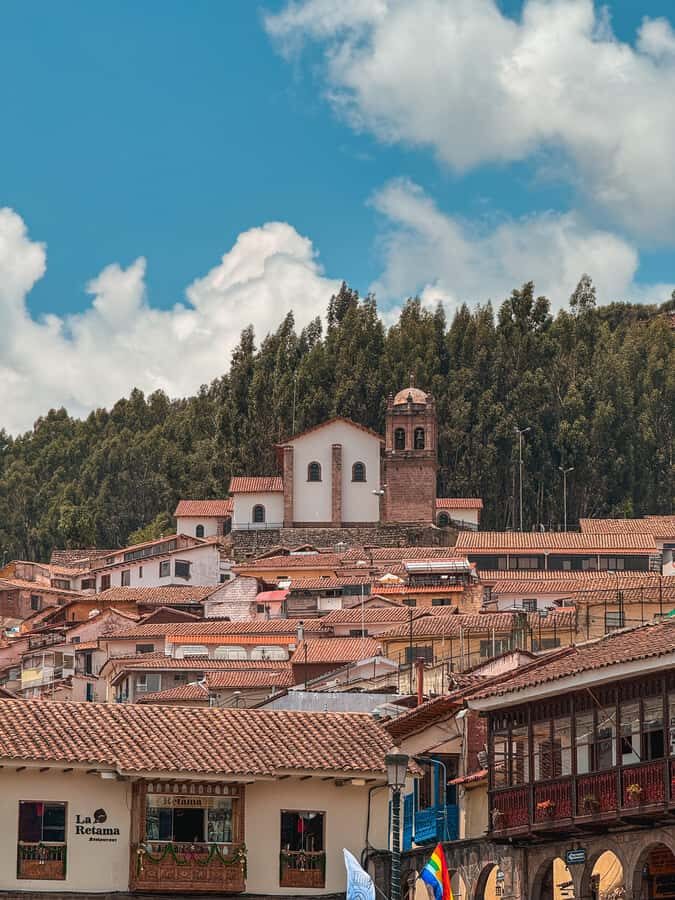
Before the tour even reaches the major hills, you get a strong sense of Cusco’s layered timeline. Early on, you pass by the Temple of San Cristóbal and the Inca wall of Colcampata. These aren’t just random roadside sights—they’re visual clues to how Cusco’s religious and Inca-era structures coexist in the same urban area.
You also get panoramic views of Plaza de Armas while passing these landmarks. That’s a smart inclusion because Plaza de Armas is your main reference point for the entire city. Seeing it from above (or from a vantage angle) makes it easier to understand where the action is and how other neighborhoods connect.
If you’re there for a short stay, this early flow is exactly what you want. It’s an efficient way to connect “what you’re seeing” with “where you are,” without needing to plan a route map.
The Christ Statue Pause: A Quick Break With Big Skyline Reward
One of the most memorable moments on this kind of route is the pause near the white statue of Christ. You’ll take a break here to enjoy the views of Cusco before returning toward the city center.
Why this works: Cusco’s visual identity is the mix of hills, terraced slopes, and tightly packed streets. That statue viewpoint gives you a wide look that helps everything else click. Even if you’ve only been in town a day, you start to see the city’s shape instead of just moving through it.
It’s also a natural photo window. You’ll want to use that moment to capture the skyline and the surrounding ridgelines, because once you’re back in the bus, you’ll be focused on viewing the Inca sites from the route.
Rain-Ready Open-Bus Reality: Upper Views, Lower Deck Comfort
Cusco weather can flip quickly. The tour runs regardless of conditions, so you should assume you might get light rain, especially if your trip covers multiple parts of the week.
Here’s the practical part: in case of rain, you can enjoy the ride from the lower deck. That’s a big deal if you’re trying to keep photos and comfort intact. You don’t have to choose between staying dry and staying part of the conversation.
For the open-bus experience, bring sunglasses and sunscreen anyway. Even in cloudy weather, the light can be intense at altitude. And bring a jacket and rain gear so you’re comfortable instead of rushed. Cusco is high enough that a “small drizzle” can feel cold fast once you’re sitting.






Price and Value: What $12 Buys You in Cusco
At around $12 per person for about 150 minutes, this tour is priced for efficient, on-the-go sightseeing. The value isn’t luxury; it’s coverage. For one ticket, you get a guided introduction to multiple landmark areas and major archaeological viewpoints—without needing to hire separate transport or stitch together multiple half-days.
The key detail for value: the tour includes transportation and a professional guide. That means you’re paying for both the route and the interpretation. In Cusco, that interpretation can be the difference between seeing a hill with ruins and understanding why it’s a big deal.
The trade-off is the same limitation that keeps it affordable: you’re not walking the archaeological sites themselves. If you want deep time inside Sacsayhuamán or Q’enqo, you’ll likely spend extra for a site-entry guided visit. But if you want context, angles, and quick orientation, this price point fits well.
Timing, Pickup, and the Real-World Logistics That Matter
The tour duration is 150 minutes, and it’s a live guide experience in English. Pickup is handled by transfer, and they call with your names. The provided pickup coordinates are around -13.517135740050986, -71.9801253087593, which can help you orient in maps if you’re double-checking your meeting area.
One thing I’d keep in mind from a real booking experience: meeting points can sometimes shift, and departure timing can slip. In one case, a person expected pickup at Plaza Kusipata but ended up needing to find the group at Plaza de Armas, and the start ran about 45 minutes later. That doesn’t have to happen, but it’s a good reminder to build in a little buffer on a day with tight plans.
Also note the tour has no drone policy. If you’re traveling with a drone, leave it behind for this one.
What to Pack (So You Don’t Spend the Tour Feeling Miserable)
Cusco is all about comfort. This tour is only 2.5 hours, but you’re outdoors enough that you’ll feel the weather if you underpack.
Bring:
- Sunglasses and sunscreen
- A jacket
- Rain gear (even if the day looks okay)
Optional but smart:
- A light layer you can add or remove quickly
- Your phone charged, because the Christ statue pause and the hilltop viewpoints can be photo-heavy
Who Should Book This Tour (and Who Should Skip It)
This tour fits best if you want a guided overview with minimal effort. It’s especially good for:
- First-timers who want orientation and viewpoints
- Travelers who don’t want to commit to a longer archaeological site walk
- People who want a guided city loop that still feels fun and photo-friendly
It may not fit if:
- You need accessibility for mobility impairments or wheelchair users. This activity is not suitable for wheelchair users and people with mobility impairments.
- You specifically want to enter and explore Sacsayhuamán, Q’enqo, and Puca Pucara on foot. This bus tour doesn’t enter those sites.
If you’re debating between a view-first tour and a site-entry tour, think about your goals. This one helps you learn the city’s layout quickly. The walking tours help you go deeper.
Should You Book the Cusco Open Bus City’s Wonder Tour?
I’d book this if you’re looking for a straightforward, budget-friendly way to see Cusco from key angles, learn what you’re looking at, and get a skyline photo set without spending a half-day on transfers. The $12 price makes it easy to justify, and the professional guidance is the real value add.
Skip it (or pair it with something else) if ruins-walking is the main goal for your trip. Since the bus doesn’t enter the archaeological sites and doesn’t make stops there, you’ll get views and context—but not the full on-site experience.
If you’re flexible and dress for rain, this tour does its job well: it turns Cusco from a map into a place you recognize.
FAQ
How long is the Cusco open bus tour?
The duration is 150 minutes, about 2.5 hours.
What does the tour include?
It includes a professional guide and transportation.
Does the bus enter Sacsayhuamán, Q’enqo, and Puca Pucara?
No. The bus does not make stops or enter those archaeological sites.
Is food and drink included?
No, food and drink are not included.
What language is the guide?
The live tour guide operates in English.
What should I bring for the tour?
You should bring sunglasses, sunscreen, a jacket, and rain gear.
FAQ
Is the tour affected by rain?
The tour proceeds regardless of weather conditions. If it rains, you can enjoy the journey from the lower deck of the bus.
Is this tour suitable for wheelchair users?
No. It is not suitable for wheelchair users or people with mobility impairments.