REVIEW · CUSCO
Sacred Valley and Machu Picchu 2 Days Tour
Book on Viator →Operated by Vidal Expeditions · Bookable on Viator
Early mornings. Huge payoffs.
This 2-day Sacred Valley and Machu Picchu plan is built for a fast hit of Inca highlights without you having to juggle tickets, timing, and transfers. I like that the route strings together Chinchero, Moray, the Maras Salt Mines, Ollantaytambo, and then an early Machu Picchu visit with guided walking. One thing to keep in mind: it starts at 7:00 am, and you’ll spend long blocks on the move, so you’ll want decent stamina.
What I like most is how much you get in two days: round-trip train to Aguas Calientes plus the Machu Picchu entry, all bundled with Sacred Valley admissions and meals. The other big plus is the people. In the groups described, guides like Urbano and Chino led the way, and they were praised for clear history, good pacing, and helping with photos.
The one possible drawback is cost add-ons at key moments. The Salt Mines ticket is not included (it’s listed as 20 soles), bottled water isn’t included, and lunch after Machu Picchu isn’t covered—so you’ll budget a bit beyond the base price.
In This Review
- Key highlights worth your attention
- A two-day Sacred Valley and Machu Picchu route that actually fits
- Day 1 in the Sacred Valley: Chinchero, Moray, Maras, Ollantaytambo
- Chinchero: Inca stones and a weaving workshop
- Moray: Inca farming terraces as a science lab
- Salinas de Maras: thousands of salt pools and a working process
- Ollantaytambo: massive stonework plus terraces and fountains
- Day 2: Circuit 2 at Machu Picchu, then back by bus and train
- Machu Picchu guided walking (Circuit 2)
- Bus down to Aguas Calientes and the train back to Ollantaytambo
- What’s included (and what you’ll likely pay for anyway)
- Included
- Not included (the predictable extras)
- Timing, comfort, and the altitude reality check
- Guides and drivers: why the experience depends on the human factor
- Who should book this Sacred Valley and Machu Picchu 2-day tour?
- Should you book it?
- FAQ
- What is the start time for this tour?
- How long is the tour?
- What does the tour include for meals?
- Is the Salt Mines of Maras ticket included?
- What train service is included?
- What is the Machu Picchu route used on this tour?
- Is this booking refundable if plans change?
Key highlights worth your attention
- Early Machu Picchu timing geared to see the site before the biggest crush
- Circuit 2 route inside Machu Picchu with guided walking and photo stops
- Sacred Valley staples in one sweep: Chinchero, Moray, Maras, and Ollantaytambo
- Hands-on textile time in Chinchero to see how traditional weaving works
- Maras salt pools (more than 3,000) with an explanation of how the salt is extracted
- Small group size (max 10), which helps keep the day from feeling chaotic
A two-day Sacred Valley and Machu Picchu route that actually fits
If you’re trying to do Cusco, Sacred Valley, and Machu Picchu in a short window, this is the kind of itinerary that makes sense. Instead of spending days sorting logistics, you show up, get checked in, and let the plan handle the transfers.
At $560 per person for about two days, it isn’t the cheapest way to travel. But when you look at what’s included, it starts to feel more reasonable: you’re paying for guided time across several major sites, plus Machu Picchu admission, a round-trip train ticket, and entrance to the Sacred Valley stops. In other words, a lot of the biggest headache costs are already covered.
You’ll also feel the structure. The day begins 7:00 am, and it stays scheduled. That can be annoying if you’re the type who likes to sleep in. It can also be a lifesaver for Machu Picchu, where timing affects how crowded things feel.
You can also read our reviews of more tours and experiences in Cusco
Day 1 in the Sacred Valley: Chinchero, Moray, Maras, Ollantaytambo
Day 1 is where you build the context. Machu Picchu is jaw-dropping, but Sacred Valley is where you learn how the Inca world worked—farming, weaving, water use, and landscape engineering.
Chinchero: Inca stones and a weaving workshop
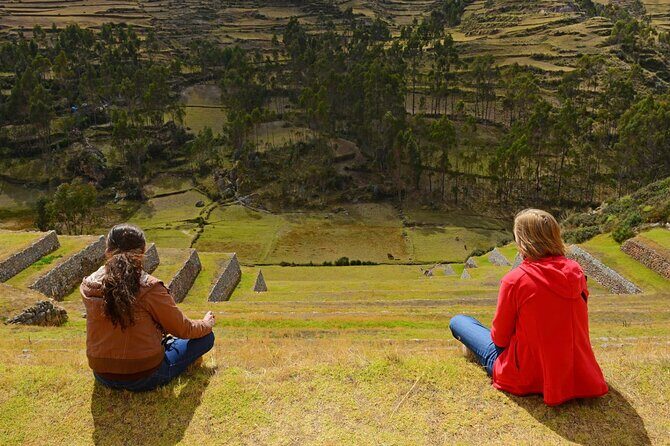
Chinchero is famous for showing you Inca architecture that still feels solid and present: big walls, terraces, and a colonial church mixed into the same area. It’s the kind of stop that helps you picture how these places weren’t just ruins. They were real communities with layered culture.
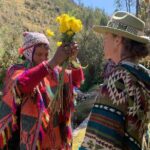
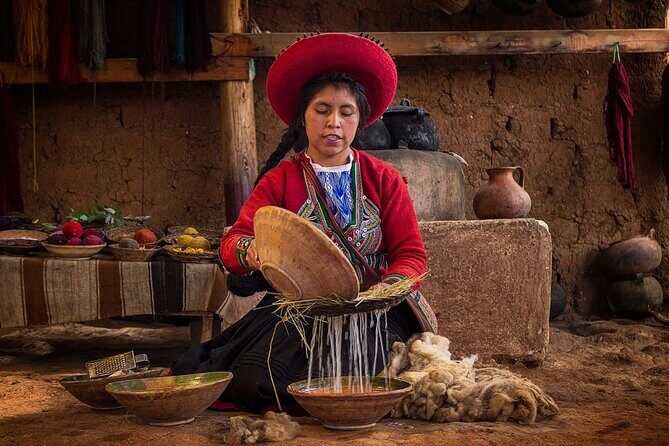
You’ll also get time for a weaving textile activity. The idea isn’t just to watch something from a distance. You learn about the techniques and the natural materials used for traditional textiles, and you can buy handmade souvenirs if you want something authentic you can’t easily replicate at home.
Admission here is listed as free, and the stop is about an hour. That length works well—enough time to see the architecture and do the workshop without turning the day into a marathon.
Moray: Inca farming terraces as a science lab
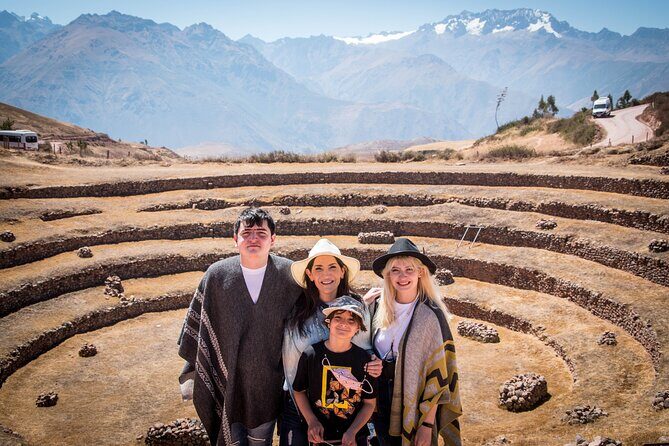
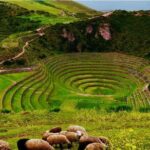
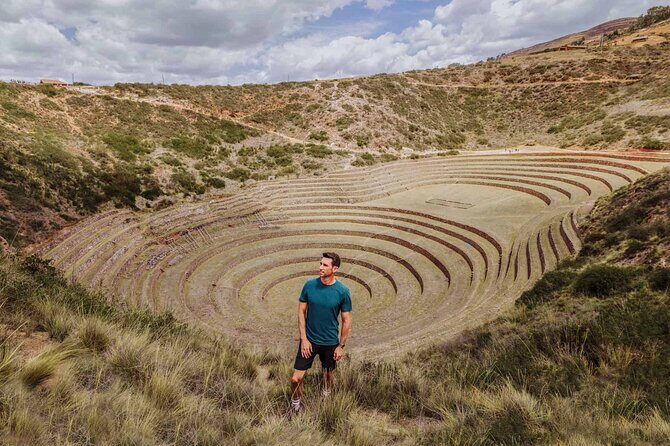
Moray is one of those stops where the explanation changes how you look at the place. The terraces weren’t only for growing crops; they were used to study different plants across different climates and altitudes. The views are framed by snow-capped mountain scenes, with crop fields and native trees around you.
You’ll walk and learn about the variety of Andean products—things like corn, potatoes, beans, and more. It’s a short stop (around 40 minutes), but it’s packed with “wait, that’s why this was here” energy.
Admission is included, so you don’t have to think about extra ticket lines here.
Salinas de Maras: thousands of salt pools and a working process
Then you move to the Salt Mines of Maras, with more than 3,000 salt pools. These have been used since pre-Inca periods and continue today. That continuity is a big deal. You’re not just looking at history. You’re seeing an ongoing production system.
The stop is designed around learning the process: the types of salt, how crystals are extracted, and the overall technique used to harvest the salt. It’s brief (about 40 minutes), so the key is to ask questions if you’re curious—especially if you want to understand how something small-scale becomes a huge working landscape.
Here’s the practical catch: the Salt Mines ticket is not included. It’s listed as 20 soles, so bring cash or be ready for the purchase on the day. This is one of the easiest “surprise costs” people run into on tours that otherwise include a lot.




Ollantaytambo: massive stonework plus terraces and fountains
Ollantaytambo rounds out Day 1 with one of the most impressive Inca complexes in the Sacred Valley. You’ll see huge, well-carved stones, along with features that still feel mysterious: water fountains, farming terraces, and several buildings whose original functions aren’t always obvious.
Admission is listed as free for this stop, and the time here is about 40 minutes. It’s not long enough to turn into a deep archaeology session, but it’s long enough to appreciate scale and start making connections to what you’ll see later at Machu Picchu.
Day 2: Circuit 2 at Machu Picchu, then back by bus and train
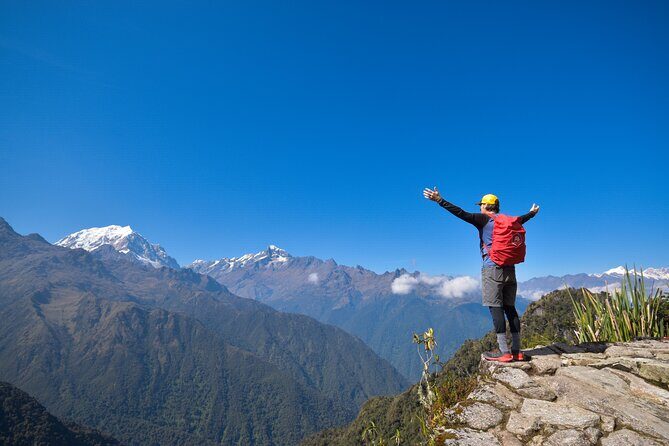
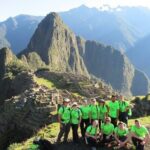
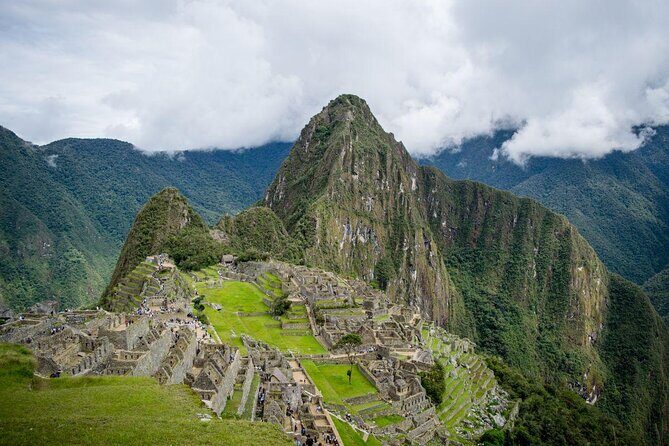
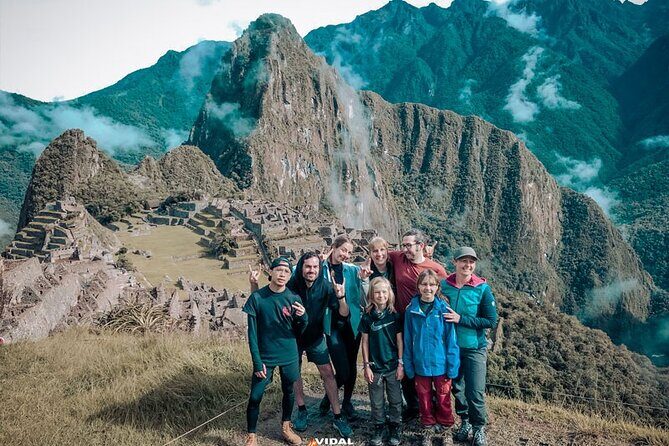
Day 2 is built around Machu Picchu early in the morning, before the biggest crowds take over your photo angles. That timing shows up in the reviews in a very practical way: people talk about getting the site at a better moment for views and photos, including times when clouds made the morning feel extra dramatic.
Machu Picchu guided walking (Circuit 2)
You’ll visit Machu Picchu with a guided tour following Circuit 2. That circuit matters because it shapes what you walk past and how you flow through the site. You’re not just free-roaming; you’re guided to the main temples and key views, plus a classic photo spot.
You’ll also learn history of the Incas and of Machu Picchu itself. The value here isn’t only facts; it’s that you start recognizing patterns. For example, terraces aren’t random. Water management isn’t random. Layout isn’t random. With a guide, you’re more likely to leave with a mental map instead of just a set of photos.
The Machu Picchu visit is about 4 hours, and the admission is included.
Bus down to Aguas Calientes and the train back to Ollantaytambo
After Machu Picchu, you board the bus down to Aguas Calientes. From there, you take the returning train to Ollantaytambo.
This part of the itinerary is one reason this tour works. It saves you from trying to coordinate buses, stations, and timing on your own—especially when your head is already full and your legs are tired.
A few reviews also mention additional climbing time (like Wayna Picchu). Your exact ability to do extra hikes depends on what you booked and how your Machu Picchu day schedule lands, but the overall pacing seems aimed at giving you room to breathe.
What’s included (and what you’ll likely pay for anyway)
This is where the “value” math gets real. At $560 per person, it sounds like a lot until you break down what you don’t have to arrange.
Included
You get:
- Breakfast, lunch, and dinner (with one exception noted below)
- Machu Picchu ticket
- Sacred Valley ticket(s)
- Train ticket round trip
- All fees and taxes
- Machu Picchu guided entry (Circuit 2)
- Sacred Valley entry for the listed sites
Not included (the predictable extras)
Not included:
- First breakfast (your day starts with the 7:00 am schedule, so you’re likely eating before you meet up)
- Bottled water
- Salt Mines ticket (20 soles)
- Lunch after Machu Picchu
That’s normal for Peru tours, but it’s still worth planning. If you bring a reusable bottle and grab water when needed, you can keep spending down. If you know you’ll want a specific lunch after Machu Picchu, you can budget for it instead of feeling caught off guard.
Timing, comfort, and the altitude reality check
Two days in Cusco-area highlights means early starts and repeated walking. You don’t need to be an athlete, but you do need sensible expectations.
- The tour starts at 7:00 am. Plan for an early wake-up and an easy morning, not a late-night plan.
- It’s a small group (max 10), which tends to make the day feel more controlled.
- Meeting point is noted as near public transportation, which is helpful if you want backup options for getting there.
Altitude also affects everything. Machu Picchu is high, and Sacred Valley days can leave you breathless even when you’re not pushing hard. Build in slow steps. Drink what you can. Don’t race your own body just to keep up.
Guides and drivers: why the experience depends on the human factor
This tour’s quality isn’t only the route. It’s how the route gets explained and managed.
Multiple guide names came up in the provided descriptions. People praised Urbano for history explanations, for helping with transitions between stops, and for guiding them to what sounded like an excellent photo moment at Machu Picchu. Others described Chino as speaking English brilliantly and being supportive along the trail.
One detail I like: there are mentions of guides making the trip feel personal—like taking extra short stops en route (including a waterfall detour when the timing allowed) and helping with photos directly. That’s the difference between sightseeing and a guided day that feels cared for.
There’s also a driver mentioned by name: Freddy, described as careful and the van as very clean. That kind of small comfort matters when you’re bouncing between sites early in the morning.
Who should book this Sacred Valley and Machu Picchu 2-day tour?
This fits best if you:
- Want the big Sacred Valley hits without planning transport between them
- Care about Machu Picchu being guided (not just a self-guided wander)
- Prefer a small group over long bus-load crowds
- Have only a short time window in Cusco and want a structured plan
You might want to look for something else if:
- You dislike early mornings
- You want full independence (this is guided and scheduled)
- You’re counting every last sol and can’t handle the Salt Mines add-on
Should you book it?
I’d book this if you want a worry-reducing route that gives you both the context (Sacred Valley) and the payoff (Machu Picchu) in a tight time frame. The value is strongest because the tour bundles the expensive, timing-sensitive pieces: Machu Picchu ticket, train, and key admissions—plus meals and guiding.
The biggest reason to hesitate is the reality of add-ons: the Salt Mines ticket and lunch after Machu Picchu cost extra, and you start early. If you can handle those two points, the overall package is a solid, efficient way to see a lot of Peru without turning your trip into a logistics project.
If you do book, plan smart: bring cash for the Maras ticket, consider water and snacks for the day, and give yourself permission to walk at your own pace. With that, you’ll get the best of what this itinerary is trying to do—make Machu Picchu feel less like a checklist item and more like a place with meaning.
FAQ
What is the start time for this tour?
It starts at 7:00 am.
How long is the tour?
It runs for about 2 days (approximately).
What does the tour include for meals?
Breakfast (the first one is not included), lunch, and dinner are included. Lunch after Machu Picchu is not included.
Is the Salt Mines of Maras ticket included?
No. The Salt Mines ticket is not included and is listed as 20 soles.
What train service is included?
A round-trip train ticket is included. After Machu Picchu, you take the bus down to Aguas Calientes and then the train back to Ollantaytambo.
What is the Machu Picchu route used on this tour?
The Machu Picchu guided tour follows Circuit 2.
Is this booking refundable if plans change?
No. It is listed as non-refundable and cannot be changed for any reason.