REVIEW · CUSCO
Super Sacred Valley in group – Full day
Book on Viator →Operated by Tayra Tours Adventures · Bookable on Viator
If you want Sacred Valley, but you also want it done right, this full-day loop helps. You’ll get a small group (max 15) and a guide who explains what you’re seeing across multiple stops, instead of you guessing in silence.
I especially like the mix of texture and purpose: Chinchero’s wool and dye traditions, then the engineered farm experiments at Moray, followed by the salt pans people still work by hand. You also get a break with lunch included, overlooking the Urubamba River, so the day doesn’t feel like one long sprint.
One consideration: the tour price doesn’t include admission tickets, and you may also find your day includes a later stop that feels more like shopping than sightseeing (a jewelry store showed up for one unhappy participant).
In This Review
- Key things to know before you go
- What this Sacred Valley day trip really solves
- Price and value: what $50 buys you (and what it doesn’t)
- Meeting up in Cusco: pickup, where you start, and where you end
- Chinchero: textiles, family traditions, and vivid color
- Moray: circular terraces and agricultural experiments
- Salineras de Maras: salt pans, hand work, and mountain grit
- Ollantaytambo: Inca terraces and the story of resistance
- Pisac: administration, and why textiles get attention
- Lunch by the Urubamba River: a real break in the middle
- Group size, comfort, and the pace question
- The one thing to watch for: entrance tickets and end-of-day shopping
- Who should book this tour
- Should you book the Super Sacred Valley in a group?
- FAQ
- FAQ
- Is pickup included?
- Where does the tour start?
- Where does the tour end?
- How big is the group?
- How long is the tour?
- What languages is the tour offered in?
- What’s included in the price?
- Are admission tickets included?
- Can I cancel for a full refund?
Key things to know before you go
- Max 15 travelers means you’re not lost in a crowd on every stop.
- English-speaking guide keeps the history and practical details understandable.
- Early start plus a lot of driving makes comfortable shoes and a patient mindset worth it.
- Chinchero, Moray, Maras, Ollantaytambo, Pisac give you a full Sacred Valley sampler in one day.
- Lunch with Urubamba views is included, but breakfast isn’t.
- Admission tickets are not included, so budget for extra payment on the day.
What this Sacred Valley day trip really solves
Sacred Valley can feel like a map problem when you’re on your own. The sites are spread out, the timing gets tricky, and you can burn hours figuring out how to move from one place to the next. This tour solves that by bundling the big stops into one organized route, with someone else handling the driving in an air-conditioned vehicle.
You’re also buying clarity. A guide can connect why each location matters—agriculture, craft traditions, trade routes, and Inca-era planning—without you needing to study up before you arrive. If you like seeing places with an explanation attached, this is the kind of day trip you’ll enjoy.
The schedule is a long day, though. Plan for an early pickup, lots of changing views, and steady time at several viewpoints and sites. If your idea of travel is slow and flexible, you might feel rushed.
You can also read our reviews of more tours and experiences in Cusco
Price and value: what $50 buys you (and what it doesn’t)
At $50 per person, the value hinges on two things: transport + lunch are included, but admission tickets are not.
Included on the cost:
- Air-conditioned vehicle
- Lunch
Not included:
- Breakfast
- Dinner
- Alcoholic beverages
- Admission tickets (you’ll pay separately)
One traveler noted an extra cost of 80 soles for entrance tickets, roughly around $20 USD. I can’t promise the same amount for every person, but it’s a useful reality check: treat the $50 as the transportation-and-lunch base, then expect additional payments for site entry.
For me, the “value” calculation is simple: if you’d otherwise hire a driver or scramble for multiple half-day plans, the guided loop starts looking like a bargain. And because the group stays small, you’re more likely to get questions answered and a smoother flow between stops.
Meeting up in Cusco: pickup, where you start, and where you end
This tour starts at Plaza de Armas Cusco (08000). Pickup is offered, but you won’t get every detail instantly—you’re coordinated the day before departure. That’s normal for tours that handle many hotels and different logistics across town.
At the end, you’re dropped off at Calle Saphy (C. Saphy, Cusco), and the walk back is just a couple blocks (2 to 3) toward Plaza de Armas. That matters because Sacred Valley days often leave you tired and hungry; it helps to know you won’t be stuck across town with no easy way to grab dinner.
You’ll also receive a mobile ticket, so you can show up without digging through paper.
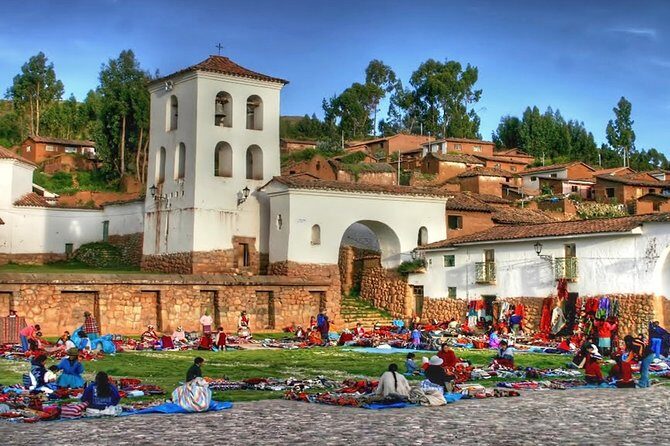
Chinchero: textiles, family traditions, and vivid color
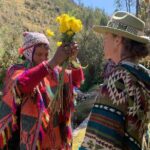
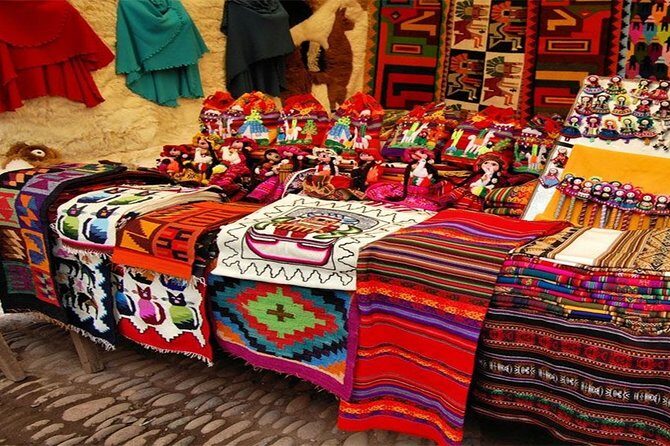
The day begins by heading to Chinchero, where families still preserve traditional customs. This stop focuses on the wool story—how it’s processed and how those textiles get their vivid colors.
Here’s what I’d watch for. When a place is built around craft, the best souvenirs are the ones that teach you something. Chinchero is a good example because you’re not just seeing finished products. You’re learning the steps that lead to them, and you’ll start noticing how color and material relate to the work behind them.
A guided explanation also helps you separate “tourist fabric” from the real thing. Even if you don’t buy anything, you’ll come away understanding why these textiles matter in everyday life and in ceremonial culture.
Possible drawback: craft stops can be time-sensitive, and if you’re the type who hates shopping pressure, you may need to keep your pace and intentions clear. The good news is that the core theme here is process and tradition, not just a sales pitch.
Moray: circular terraces and agricultural experiments
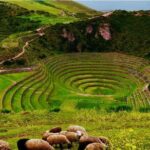
Next comes Moray, known for circular terraces that function like a lab for agricultural experimentation. The idea is that different sections simulate different conditions, letting crops be tested and adapted to local climate.
This is one of those stops where a guide really earns their pay. From a distance, Moray looks like stone bowls. With context, it becomes a story about planning—how the Inca system treated farming as something you could study, test, and optimize for different conditions.
I like this stop because it’s visual and smart at the same time. You’re looking at architecture that has a clear functional purpose. If you’re the kind of traveler who likes understanding how people made life work on challenging terrain, Moray is likely to hit the mark.

Salineras de Maras: salt pans, hand work, and mountain grit
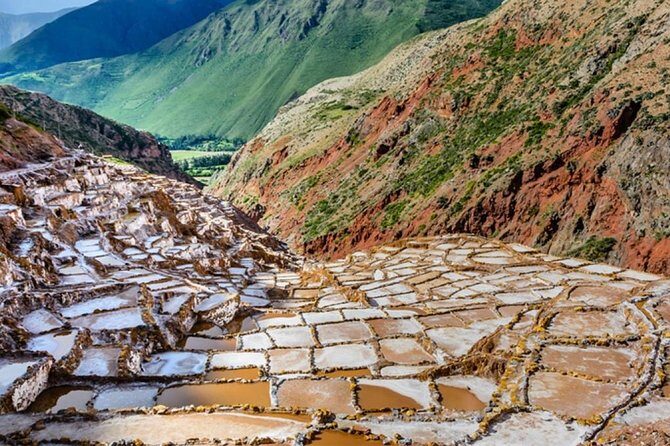
Then you move to Salineras de Maras, famous for its salt “protuberances” coming from the mountains. The striking part is that the salt is still extracted by hand.
This stop has a different vibe than the terraces. Moray feels like a designed experiment; Maras feels like ongoing labor. It’s easier to understand why people talk about effort here because the work is visible. You can see the practical outcome of generations of extraction.
I’d treat this as a photography stop with patience. The view is dramatic, but you’ll also want time to notice the texture of the area and the way the salt pans are arranged.
One more practical note: because it’s an active working zone, you’ll want to wear footwear that feels stable and comfortable for uneven ground. The tour includes transportation and explanation, but the terrain is still terrain.
Ollantaytambo: Inca terraces and the story of resistance
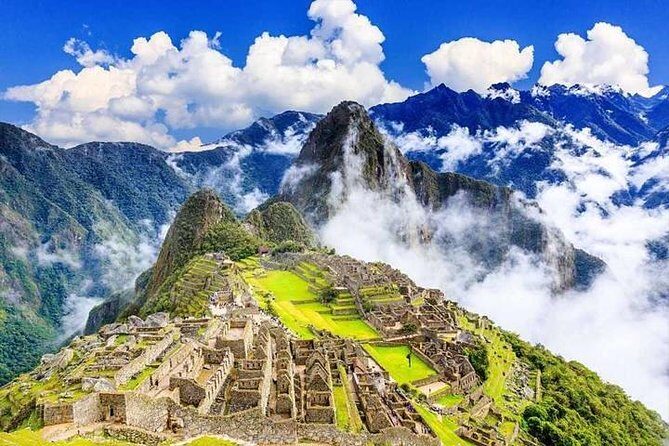
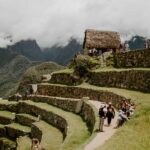
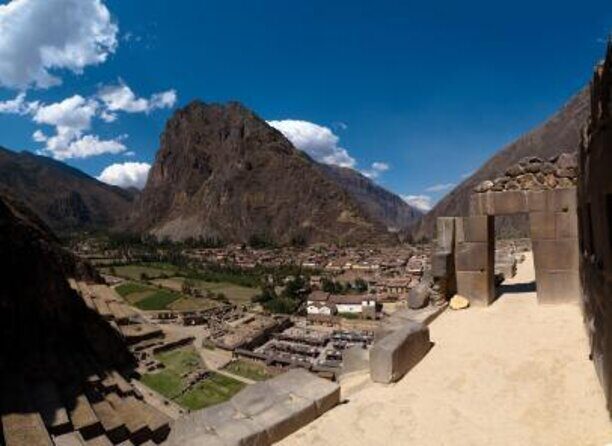
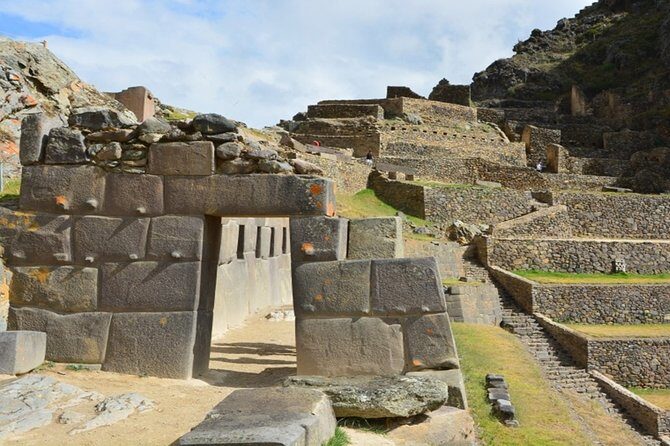
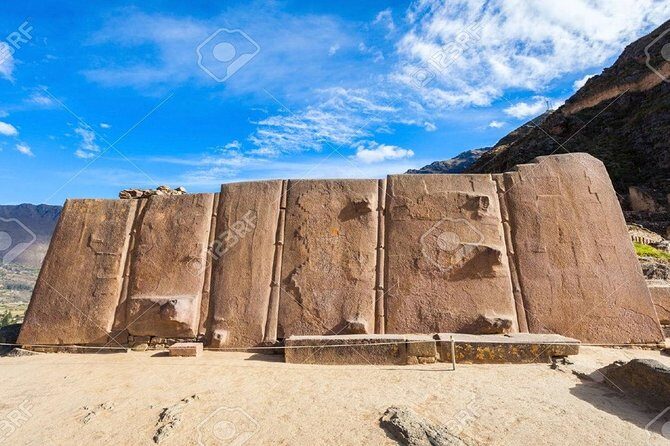
After the salt pans, you’ll reach Ollantaytambo, one of the most important architectural complexes of the Inca Empire. It’s also noted for being one of the few places where Spanish conquerors lost a battle.
The big reason to come here is the terraces built on mountain slopes for agricultural purposes. The place isn’t just pretty. It’s a real reminder that Inca architecture and farming were tightly linked. If you’ve seen Moray, you can compare how each site tackles farming challenges differently.
What I’d do here: take a slow lap for orientation. Terraces can trick your brain if you don’t let yourself pause. With guidance, you’ll understand which features relate to everyday agriculture and which are more about ceremonial or strategic value.
Also, if you’re tired from the early start, Ollantaytambo gives you a mental reset. It’s a strong “anchor” stop—big enough to feel like an event, but still connected to the day’s theme of how people shaped the land.
Pisac: administration, and why textiles get attention
The route then heads to Pisaq, described as an administrative center for the lands of the sun, the Inka, and the people. It’s also famous for textiles and their visual dominance of the Sacred Valley.
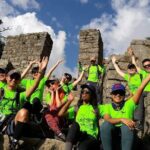
This is a great final stop because it ties the day together. Earlier you learned about wool and dye traditions at Chinchero. Now you see the cultural side of textiles as part of how people organized life and identity.
If you like markets or craft-focused areas, Pisac is usually the part where you’ll feel most drawn toward souvenirs. Even if you don’t buy, it helps you understand why textiles show up again and again throughout the Sacred Valley story.
Time-wise, keep your energy in check. By the end of a full day, it’s easy to rush and miss details. If you still want shopping, set a simple goal like one small item or one textile you truly like, and move on. Otherwise you can lose the joy of the place to decision fatigue.
Lunch by the Urubamba River: a real break in the middle
During the tour, you stop for lunch at a local restaurant in the Sacred Valley overlooking the Urubamba River. Lunch is included, but breakfast is not.
This matters because a long Cusco-to-valley day can mess with your routine. Having a scheduled meal helps you avoid the worst-case scenario: skipping food until you feel shaky and irritable, then losing the day’s enjoyment.
I’d treat lunch as a chance to reset your pace. If you want to take photos, do it before you sit down when you still have energy. After lunch, you’ll still have multiple stops ahead, so keep your momentum steady.
Group size, comfort, and the pace question
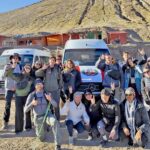
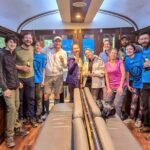
This is a group tour capped at 15 travelers, which is a sweet spot for seeing multiple sites without feeling like a mobile parade. In a small group, you’re more likely to hear explanations clearly and get your question answered without feeling pushed aside.
You’ll ride in an air-conditioned vehicle, which is a big comfort win on a long day. The tradeoff is still time: a day that includes five major areas isn’t slow. You’re choosing a “see a lot” experience rather than a “hang out” one.
That comes with a practical consequence: if you hate rushing, build in buffer expectations. You’ll likely get a taste of each place, not a deep multi-day immersion at one site. For many people, that’s exactly the point.
The one thing to watch for: entrance tickets and end-of-day shopping
Two things can surprise you.
First, entrance tickets aren’t included. If you show up assuming everything is prepaid, you’ll be stuck scrambling at the start of your first entry. Plan for extra cash or card access so you’re not stressed.
Second, there may be a later stop that feels like shopping. One participant complained about an unnecessary jewelry store at the end. That doesn’t mean it’s guaranteed for every group, but it’s a good consideration: if you want a pure sightseeing day with no shop detours, decide ahead of time how you’ll handle it.
My practical advice: if you’re not interested, stay polite, keep your time limits in mind, and don’t let it eat your energy. You can still enjoy the Sacred Valley stops that come before.
Who should book this tour
This is a solid fit if:
- You want Sacred Valley highlights in one day without arranging transport.
- You like guided context, not just photos and guesswork.
- You’re traveling with limited time in Cusco and want a full circuit.
You might skip it if:
- You hate long days and prefer slow travel.
- You want everything fully included with no surprise payments for entry.
- You strongly dislike any shopping stop, even if it’s brief.
Should you book the Super Sacred Valley in a group?
If your goal is to make the most of limited time and see the Sacred Valley’s key stops with a guide, I think this tour is worth booking. The $50 price is only “fair” once you account for entrance tickets, but transport plus lunch already make it easier than DIY planning—especially with the small group cap.
My final recommendation depends on your tolerance for a packed day. If you’re okay with early pickup, steady movement, and a possible shopping detour at the end, you’ll likely leave with a clear sense of how people farmed, built, worked, and crafted in the Sacred Valley.
FAQ
FAQ
Is pickup included?
Pickup is offered, and it’s coordinated 1 day before the departure of the tour.
Where does the tour start?
The start point is Plaza de Armas Cusco 08000, Peru.
Where does the tour end?
The tour ends at Calle Saphy in Cusco. It’s described as being 2 to 3 blocks from Plaza de Armas after the drop-off.
How big is the group?
The tour has a maximum of 15 travelers.
How long is the tour?
Plan for a full day, about 12 hours.
What languages is the tour offered in?
The tour is offered in English.
What’s included in the price?
Included items are an air-conditioned vehicle and lunch.
Are admission tickets included?
No. Admission tickets are not included, and you may need to pay additional entrance fees on site.
Can I cancel for a full refund?
Yes, free cancellation is available up to 24 hours in advance of the experience start time for a full refund.