REVIEW · CUSCO
Machu Picchu 2-Day Tour
Book on Viator →Operated by Machu Picchu Explorer · Bookable on Viator
Machu Picchu logistics can be a mess. This 2-day plan makes it simpler with a private-guided route through the Sacred Valley, plus included train, bus, tickets, and a night in Aguas Calientes. It’s the kind of trip where you spend your energy on scenery, not schedules.
The main catch: you start early and you’re at the mercy of mountain weather. If clouds roll in, the experience can shift, and the booking is non-refundable, so you’ll want flexibility in your travel mindset.
In This Review
- Key points I’d underline before you go
- A 2-day outline that actually feels doable
- Day 1 in the Sacred Valley: Pisac, Urubamba lunch, and Ollantaytambo’s fortress views
- The Cusco-to-Aguas Calientes train ride: panoramic windows and cultural extras
- Overnight in Aguas Calientes: your Machu Picchu launchpad for Day 2
- Day 2 Machu Picchu: the 6am bus, a 2-hour guided walk, then Machu Picchu Peak
- Comfortable train return to Cusco: ending close to 21:00
- Price ($712.83) and value: what’s included and why it matters
- The team behind the smooth parts (including language support)
- Practical tips to make Day 1 and Day 2 feel easier
- Should you book this Machu Picchu 2-day tour?
- FAQ
- What is included in the Machu Picchu 2-day tour price?
- Where will I stay overnight?
- How long is the tour?
- What time do we start on Day 2 for Machu Picchu?
- What areas of Machu Picchu will the guide cover?
- Is there time to hike Machu Picchu Peak?
Key points I’d underline before you go
- Sacred Valley hits the highlights: Pisac market/terraces, Urubamba lunch, and Ollantaytambo’s Inca fortress.
- Train comfort with a cultural vibe: panoramic windows and traditional music and dances on the way to Aguas Calientes.
- One night in Aguas Calientes: it keeps Machu Picchu from turning into an exhausting all-day grind.
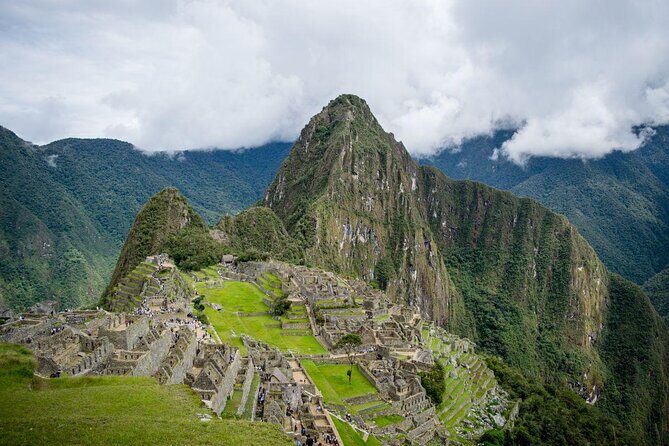
- Machu Picchu includes time for Machu Picchu Peak after a guided circuit.
- A team that handles permits and tickets: praised for clear communication, with guides and drivers like Miguel, Ramiro, Oscar, and Waldo showing up in trip notes.
A 2-day outline that actually feels doable
This is a tight schedule, but it’s built like it respects how the day-to-day works in Peru. Day 1 is all about setting the stage: Inca towns and agriculture in the Sacred Valley, then the scenic move to the Machu Picchu base area. Day 2 is the big show, paced so you get a proper guided visit and then time on your own.
Because the plan is private, it also tends to feel less like you’re being herded. You’re traveling with one group and a guide, not stuck in a constant flow of strangers.
The tradeoff is obvious: you’ll have early mornings and lots of transit. If you hate mornings, or you like to wing it, this won’t feel like your style.
You can also read our reviews of more tours and experiences in Cusco

Day 1 in the Sacred Valley: Pisac, Urubamba lunch, and Ollantaytambo’s fortress views
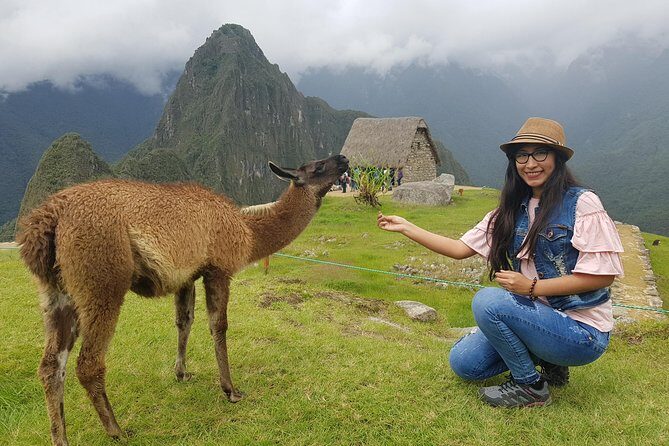
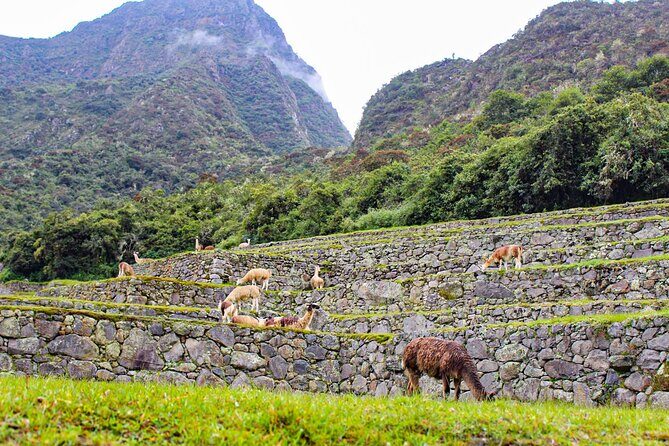
Day 1 starts with the Sacred Valley of the Incas, first stopping in the town of Pisac. Here, the draw is the combination of a local market and the dramatic terrace system looking down over the valley. You get a sense of how the Incas worked the land, not just how the ruins look from afar.
Next comes lunch in Urubamba, included in the price. If you’re doing Machu Picchu for the first time, this is a smart moment to slow down and eat well before the day turns into train time and bus timing later.
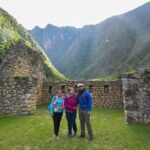
Then you finish the day with Ollantaytambo, known for imposing Inca construction and fortress-like architecture. What makes this stop special is the mix of scale and setting: the stonework is the star, but the views across the Sacred Valley help explain why the location mattered.
Why this sequence works: Pisac gives you everyday life and agriculture. Urubamba is a reset for food and energy. Ollantaytambo ties it together with heavy Inca architecture and a strong sense of place.
Possible drawback to know: this is not a short day. You’re doing several stops and then transferring to the train, so build in patience for travel time and expect you’ll be tired by the time you reach Aguas Calientes.
The Cusco-to-Aguas Calientes train ride: panoramic windows and cultural extras
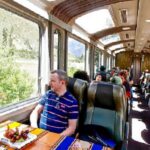
After your Sacred Valley day, you board the train heading to Aguas Calientes. The trip is described as unique, with panoramic windows, plus traditional music and dances onboard. That combo matters because it turns a “necessary ride” into part of the story.
If you’ve ever done a long ride only to arrive drained, this is the kind of approach that helps. You move through changing scenery with something happening beyond staring out the window.
Also, arriving in Aguas Calientes early enough to settle in matters. It reduces the chance you’ll feel rushed on Day 2.
Overnight in Aguas Calientes: your Machu Picchu launchpad for Day 2
You transfer to your hotel in Aguas Calientes for an included 3-star night. This matters more than it sounds. Staying overnight here is what lets Day 2 start before the day fully heats up and crowds thicken.
Aguas Calientes is essentially your base for Machu Picchu. Even if your hotel isn’t a luxury resort, the value is practical: close timing, less scrambling, and a calmer morning.
My practical advice: plan your Day 2 comfort the night before. Pack layers you can handle in the morning chill, and keep essentials easy to reach so you’re not searching at pickup time.
Day 2 Machu Picchu: the 6am bus, a 2-hour guided walk, then Machu Picchu Peak
Day 2 is where the trip earns its reputation. You board the bus at 6 am to reach the Inca citadel, a ride that takes about 20 minutes.
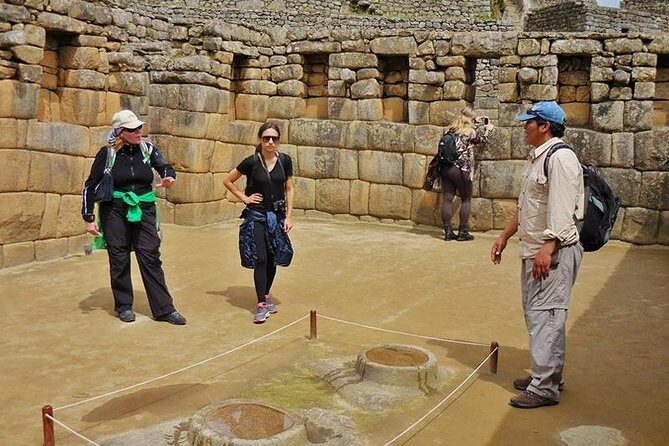
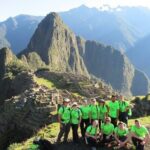
Once inside Machu Picchu, you’ll do a guided visit of the farming and urban zones and its main temples. The guided portion takes about 2 hours. That timing is useful because it’s long enough to understand what you’re looking at, but short enough that you still get personal time to wander.
Then you get time to hike Machu Picchu Peak. For many people, this becomes the difference between a great tour and a life-shaping one. You’re moving from “seeing ruins” to “earning a view.”
The payoff: a guided circuit helps you connect the dots quickly, especially if this is your first visit. And the Peak option gives you a second experience that feels different from temples and terraces at ground level.
Consideration: Machu Picchu isn’t flat. Even if you’re not doing anything extreme, you should be ready for uneven stone paths and the kind of climbing that makes you slow down on purpose. If you know you’ll struggle with elevation or stairs, choose your pace and don’t treat the hike like a race.






Comfortable train return to Cusco: ending close to 21:00
In the afternoon, you return to Cusco by comfortable train. The schedule given estimates arrival in Cusco around 21:00.
That late arrival is worth planning for. If you’re connecting to another activity that night, keep it flexible. If you’re traveling onward the next day, try to make your next stop something that doesn’t require a major sprint.
The upside is that you don’t spend the whole day stuck in buses. You get a structured return and can rest when you reach Cusco.
Price ($712.83) and value: what’s included and why it matters
At $712.83 per person, this isn’t a budget deal. But it also isn’t just a ticket to a website and a prayer.
You’re paying for a lot of logistics that are hard to DIY smoothly:
- Train tickets (Cusco to Aguas Calientes, then back)
- Bus tickets up to Machu Picchu
- Entrance fees to the site
- Private-guided tour
- Lunch on Day 1
- One night in a 3-star hotel in Aguas Calientes
- All transfers and coordination
- A meeting with your travel agent one day before the trip
When you price that out in real life—especially with permits, timing windows, and the “how do I get there” problem—your money starts to make sense. You’re buying peace of mind and fewer moving pieces.
One more signal: this tour is booked far ahead on average (about 143 days). That’s often a sign that timing is tough, and having someone handle the schedule can be the difference between success and frustration.
My value-minded take: If you’re the type who wants a plan you can trust, the cost is easier to justify. If you want total flexibility, or you’re traveling on a tight, unpredictable timeline, you’ll feel the non-refundable downside.
The team behind the smooth parts (including language support)
Even when the itinerary looks good on paper, the real difference shows up in communication and on-the-ground problem solving. This operator’s team is repeatedly praised for professionalism and clarity, and you’ll see names like Ramiro (planning/coordination) and guides like Miguel showing up in trip accounts.
Miguel is specifically noted as speaking Queña, Spanish, and English, which can be a real comfort if your Spanish is basic. Drivers such as Oscar and Waldo are also mentioned as part of the transfer experience.
You won’t control every detail in Peru, but you can control whether your trip has a team that makes the steps feel clear. This is the kind of setup that aims for exactly that.
Practical tips to make Day 1 and Day 2 feel easier
Keep these simple ideas in your back pocket.
1) Start early with a calm brain. Day 2 begins with a 6 am bus. If you try to “wake up later” in your mind, you’ll feel rushed right away.
2) Wear shoes made for stone and slopes. Machu Picchu paths are uneven, and the Peak option adds more uphill walking. Good traction beats fashionable sneakers.
3) Plan for a long day on Day 2. You’re at Machu Picchu, then you’re back on a train that aims for about 21:00 arrival in Cusco. If you’re meeting anyone or planning dinner, don’t book something that assumes you’ll be fresh.
4) Bring a little humility about elevation. Even if you feel fine in Cusco, the breathing can shift at higher elevations, and your pace may need to slow down. Take breaks. Drink water. Don’t sprint uphill.
5) Use the guided time. Two hours with a good guide is not just sightseeing. Ask questions, look at the farming zones and urban areas with fresh eyes, and try to connect how the site worked as a whole.
Should you book this Machu Picchu 2-day tour?
I’d book this if:
- You want private guiding and you’d rather not manage trains, buses, and entry details yourself.
- You like the idea of Sacred Valley first, so Machu Picchu feels connected to a bigger Inca story.
- You’re comfortable with early starts and a full second day that ends late in Cusco.
- You want included basics that are usually the pain points: train tickets, bus tickets, entrance fees, lunch, and a night in Aguas Calientes.
I’d think twice if:
- You need high flexibility. The trip is non-refundable and depends on good weather. If your schedule can’t handle changes, you may want to plan differently.
- You want an ultra-relaxed pace. This is efficient, not slow.
If your goal is to see Machu Picchu with less stress and more meaning, this kind of organized 2-day plan is a strong bet.
FAQ
What is included in the Machu Picchu 2-day tour price?
The tour price includes lunch, train tickets, bus tickets, a private-guided tour, entrance fees, one night of accommodation in a 3-star hotel, all transfers, and a meeting with your travel agent one day before the trip.
Where will I stay overnight?
You’ll spend the night in Aguas Calientes.
How long is the tour?
The duration is about 2 days (approx.).
What time do we start on Day 2 for Machu Picchu?
On Day 2, you board the bus at 6 am to reach Machu Picchu, which takes about 20 minutes.
What areas of Machu Picchu will the guide cover?
The guided visit includes the farming and urban zones as well as the main temples. The tour takes about 2 hours.
Is there time to hike Machu Picchu Peak?
Yes. After the guided visit, you’ll have time to hike Machu Picchu Peak.